



Painted Kitchen Island
A painted kitchen island brings working utility and regional character into a room through honest timber and time-worn surface colour.
Painted Kitchen Island
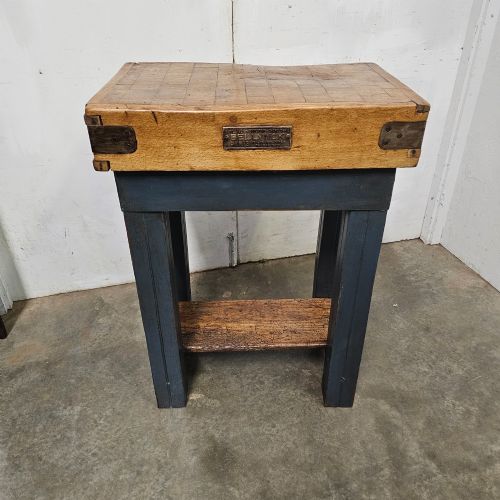
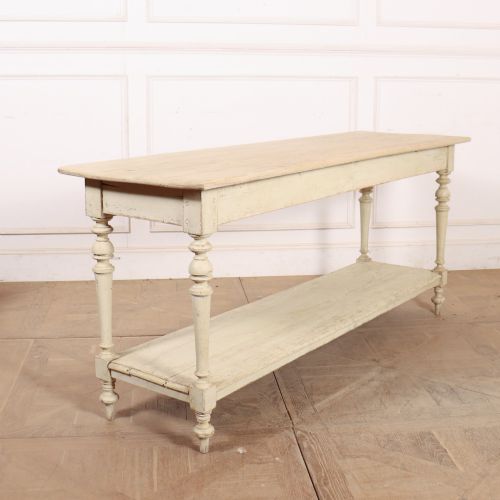
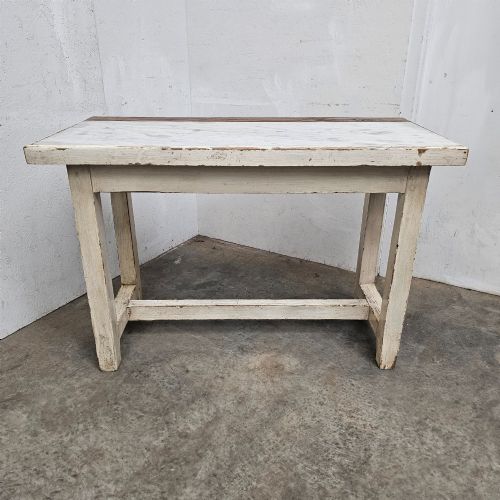
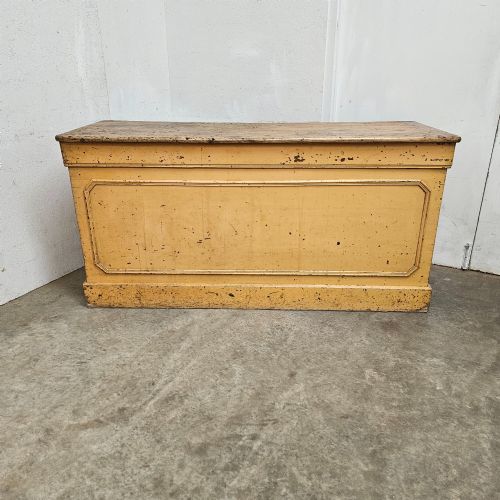
A painted kitchen island gathers the utility of old work tables, drapers counters, and butchers blocks into a central domestic workspace. These pieces span the nineteenth century and the early twentieth century, originating from English country houses, French provinces, Scandinavia, and Hungary.
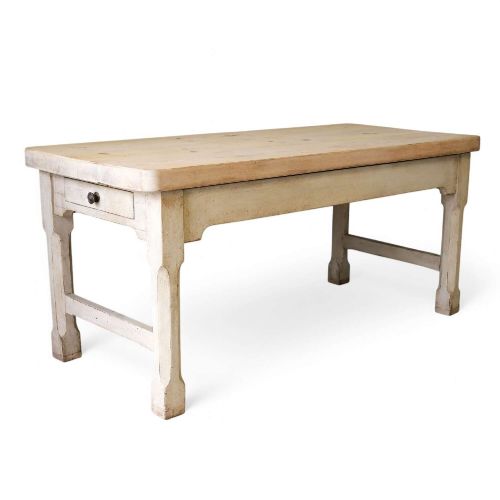
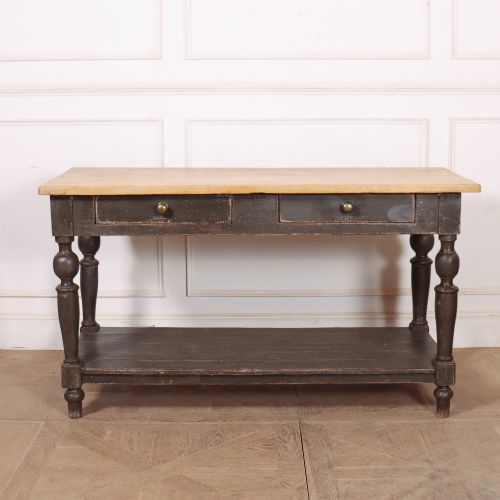
The versions most common here are sturdy pine prep tables, shop counters, and bakers tables coated in old or later paint. Their practical tops and functional lower shelves or drawers reflect hard daily labour in past commercial and domestic settings.
Makers adapted these heavy wooden structures for food preparation and display, resulting in durable furniture built to anchor a busy interior. Each survivor carries the distinct marks of its regional style, from French provincial elegance to Scandinavian utility.
How they were made
Carpenters constructed these utility pieces primarily from solid pine and oak, selecting robust timber capable of bearing heavy loads. Surfaces often feature thick wood, marble, or butchers block tops designed to withstand constant cutting, rolling, and preparation.
Makers applied layers of paint over timber bases, sometimes incorporating iron brackets, brass fittings, and riveted metal details. Over decades, this paint wore down naturally through use, leaving characteristic patinas across panels, drawers, and turned or square legs.
Painted Kitchen Island Retail Price Guide 2026
Typical asking prices for painted kitchen island among the pieces listed under this phrase on Sellingantiques today, from the lower quarter to the upper quarter. They describe what is for sale here now, not the wider market.
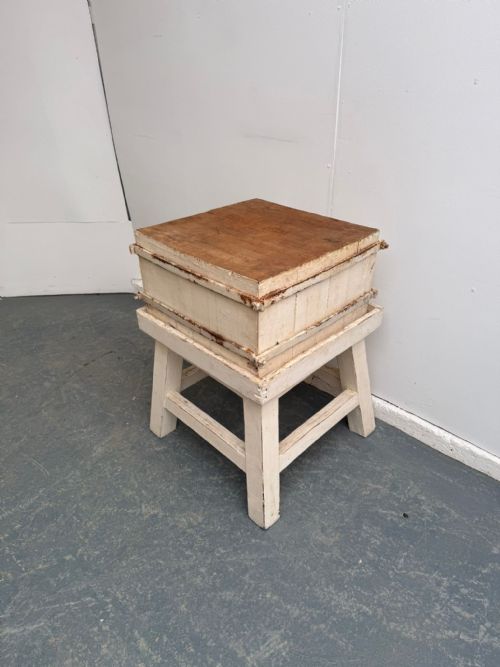
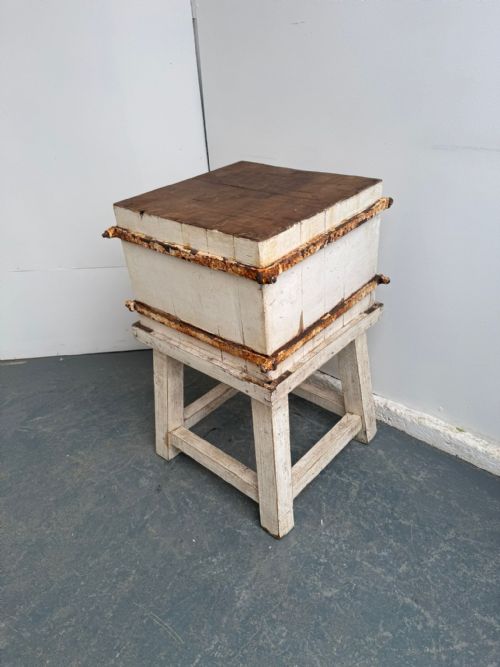
Hungarian butchers blocks arrive with battle scars from centuries of cleavers, proving that heavy chopping builds character.
What varies in quality
Quality rests in the integrity of the original construction and the character of the surface finish. Pieces retaining their early or original paint layers command distinct appreciation compared to those stripped or repeatedly recoated in later years.
The Painted Kitchen Island Glossary
- Drapers table
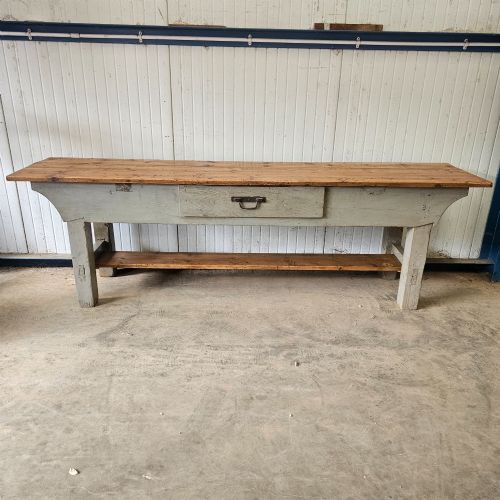
- A long utility table originally utilised in fabric shops for measuring and folding textiles, now repurposed as a kitchen island. These tables typically feature deep proportions and useful lower shelves.
- Shop counter
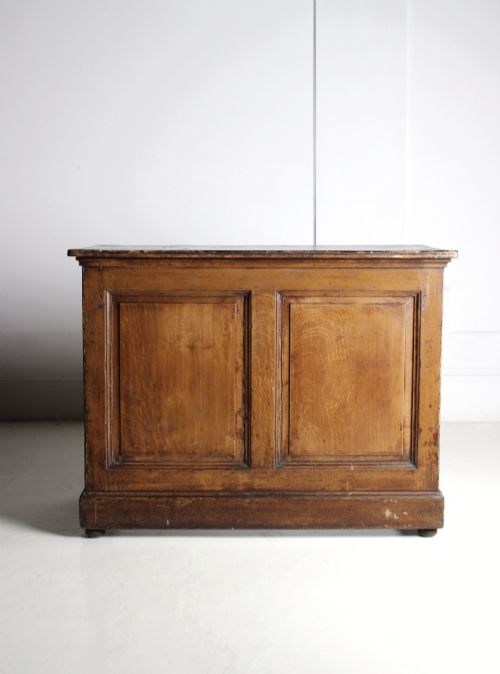
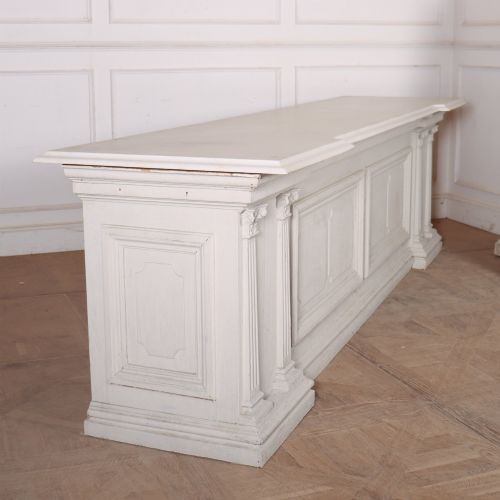
- A heavy commercial furnishing designed for retail service, often fitted with panelled sides and multiple drawers. Their sturdy build makes them exceptionally well-suited for modern kitchen installations.
- Butchers block
- A thick-topped wooden block built for heavy meat preparation and chopping. They sit on robust stands and display dense grain patterns shaped by years of professional use.
- Pot-shelf
- An open lower tier incorporated into the base of a prep table for storing pots and large kitchen utensils. This practical feature maximises storage space beneath the main work surface.
- Bakers table
- A specialised work table with a smooth timber or marble top used for kneading dough and pastry. They prioritise a stable, hygienic surface for baking tasks.
Painted Kitchen Island: Frequently Asked Questions
How do I choose the right size island?
Consider the surrounding floor space to ensure comfortable movement around the table on all sides. Measure the height of your existing counters to find a piece that matches your working posture.
Account for the depth of the top and any protruding drawers or pot-shelves when planning your kitchen layout.
Can I use an antique prep table daily?
These pieces were originally built for heavy commercial and domestic labour, making them inherently robust for daily tasks. Solid timber construction and thick tops handle regular kitchen use with ease.
Routine maintenance involves wiping surfaces clean and protecting the wood from standing water and excessive heat.
Are the paint finishes original?
Listings distinguish between original surface paint and later applications added during the working life of the piece. Examining the layers reveals how the furniture was maintained and updated by past owners.
Both original and later painted surfaces offer distinct decorative qualities depending on the desired aesthetic.
How do I care for old wood and paint?
Preserve the historic surface by avoiding harsh chemical cleaners and abrasive scrubbing pads on the painted areas. Regular dusting and gentle cleaning with a damp cloth keep the timber stable.
Wax can be applied periodically to unpainted wooden tops to nourish the grain and protect against minor spills.