
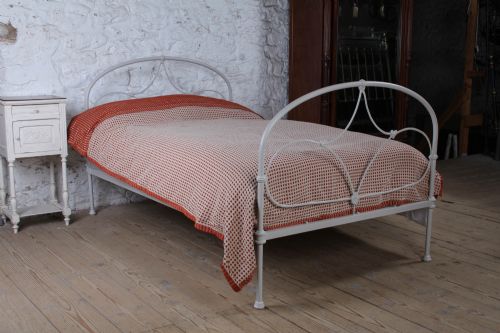
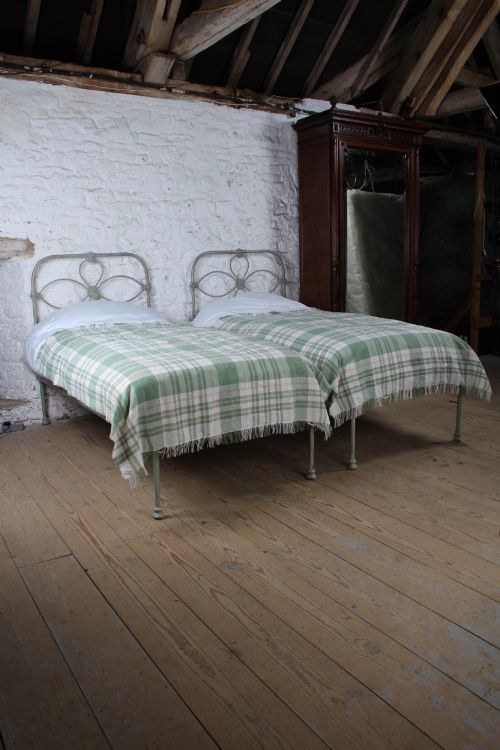


Painted Iron Headboard
A painted iron headboard brings substantial weight and individual colour to a bedroom, combining robust metalwork with decorative surface finishes.
Painted Iron Headboard
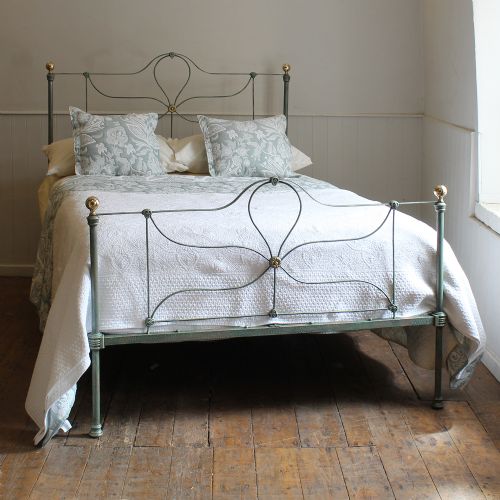
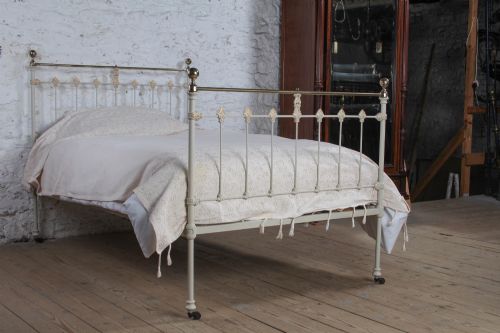
When searching for a painted iron headboard, buyers encounter substantial metal bedframes and bedsteads originating primarily from the Victorian era up to the early twentieth century. These pieces combine cast iron, wrought iron, and sheet metal elements, often finished in cream, green verdigris, ivory, or painted metal surfaces.
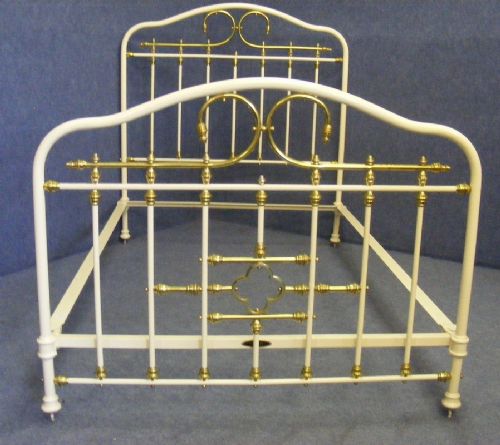
The selection on this page centres on sturdy domestic beds ranging from single and small double sizes to king and super king proportions. Many examples incorporate brass details alongside the painted iron structure, whilst others showcase specific regional influences such as French Country, Portuguese Regional, and 19th Century Italian styles.
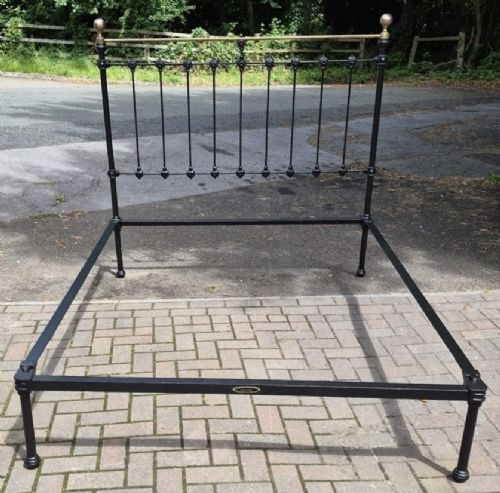
Buyers frequently find double and king size variants featuring classic straight rails, curvaceous profiles, or Celtic Revival motifs. The forms vary from simple no-end frames to detailed Victorian castings designed to anchor a bedroom scheme with historic character.
How they were made
The construction of these pieces relies on traditional foundry techniques, combining heavy cast iron components with malleable wrought iron and sheet metal. Molten iron was poured into sand moulds to create intricate decorative castings, whilst structural bars were forged and joined by hand.
Surface preparation involved applying protective coats of paint to the iron framework, often complemented by polished brass knobs, rails, and finials. Some examples utilise gilding highlights to accent the raised details of the metalwork, protecting the underlying iron from corrosion whilst delivering a specific decorative colour.
Some single beds come with instructions that they can be joined, proving Victorians understood the value of adaptable furniture arrangements.
What varies in quality
The distinction between standard and superior examples lies in the crispness of the iron casting and the complexity of the decorative detailing. Finer pieces display sharply defined mouldings on the ironwork and heavier gauge metal that provides greater structural stability without excessive weight.
Quality is also evident in the retention and depth of the painted surface, where layered tones such as verdigris or cream have aged gracefully. The integration of brass elements, from substantial knobs to carefully fitted mounts, marks the difference between basic utilitarian frames and higher grade domestic furniture.
R W Winfield
The Painted Iron Headboard Glossary
- Cast iron
- A hard, brittle alloy of iron and carbon that can be poured into moulds to create complex shapes. It forms the rigid structural and decorative framework of antique beds.
- Wrought iron
- Tough, malleable iron that can be heated and hammered into shape. It provides strong, resilient components for bed frames and rails.
- Verdigris
- A green patina formed naturally or artificially on copper, brass, or iron surfaces. This finish adds mottled colour and depth to antique metal furniture.
- Tole ware
- Enamelled or lacquered metalware painted in bright colours. It appears on decorative Italian and continental bedsteads from the nineteenth century.
- Finial
- A decorative ornament fixed to the top corner posts of a bedstead. Brass finials often provide a bright contrast to painted iron rails.
Painted Iron Headboard: Frequently Asked Questions
How do I clean a painted iron headboard?
Dust the metal surface regularly with a soft, dry cloth to prevent grime accumulation. Avoid harsh chemical cleaners that might strip or damage the historic painted finish.
For stubborn marks, use a slightly damp cloth with mild soap, drying the metal thoroughly afterwards to prevent any moisture damage to the iron.
Can antique iron beds fit modern mattresses?
Many antique bedframes accommodate standard modern mattress sizes, though historical dimensions can vary slightly from contemporary standards. Measuring the internal frame width and length ensures a proper fit.
Some single frames were designed to be joined together as pairs, offering flexibility for different room layouts and mattress configurations.
How do I identify a Victorian iron bed?
Victorian iron beds typically feature robust cast iron components, characteristic brass detailing, and specific period forms such as straight rails or Celtic motifs. The weight and construction methods reflect nineteenth-century foundry standards.
Stylistic cues like curved footboards and traditional paint colours such as cream or ivory frequently point towards late nineteenth-century production.
Are painted iron beds heavy?
These beds are constructed from solid cast and wrought iron, making them remarkably heavy and sturdy pieces of furniture. This substantial weight provides excellent stability during daily use.
Moving or assembling these bedsteads generally requires two people due to the dense metal components and solid frame construction.