
Painted Fruit Porcelain
Painted fruit porcelain brings vibrant orchard scenes indoors on finely glazed ceramics, offering a touch of classic British artistry for your collection.
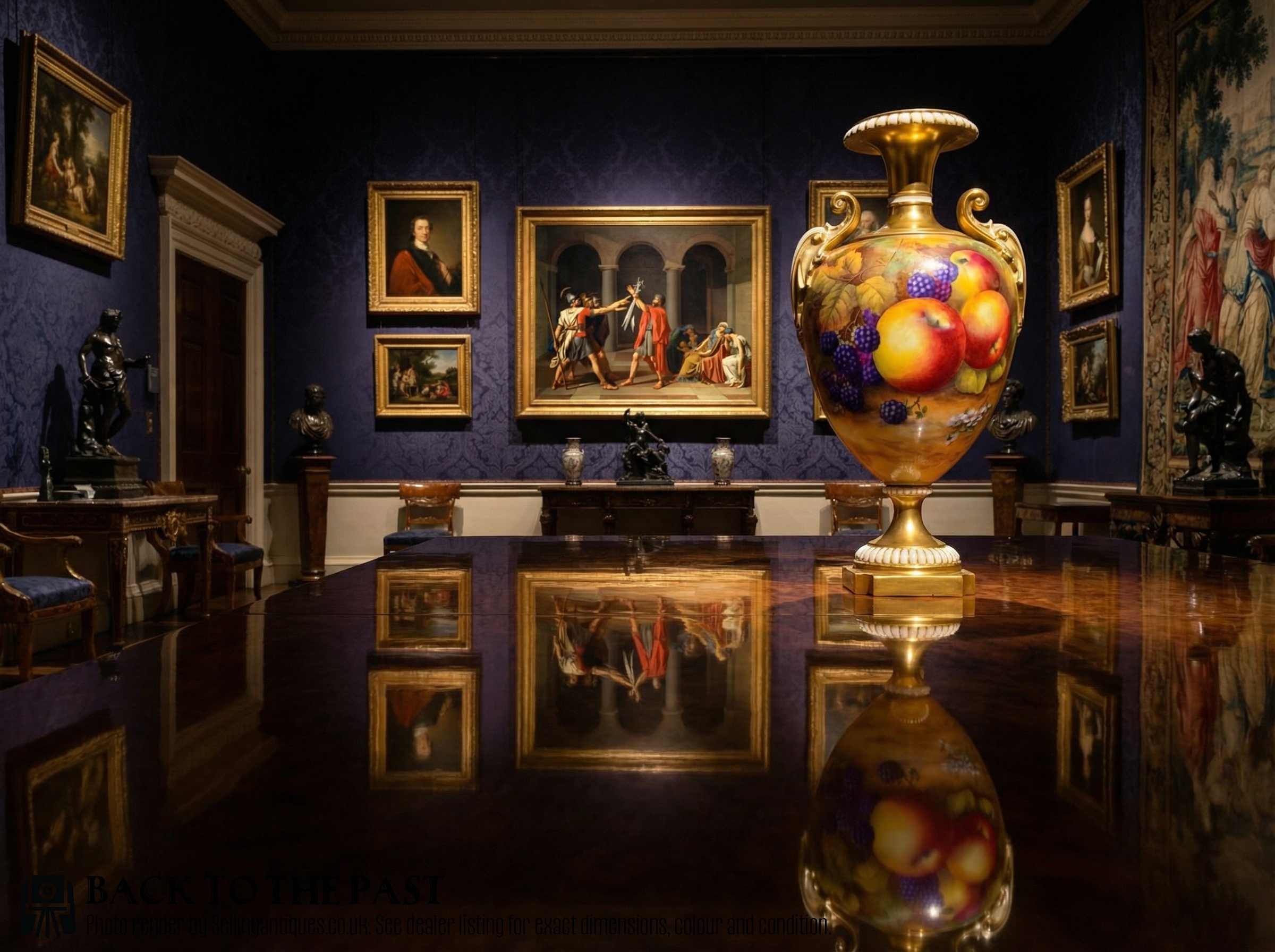
What painted fruit porcelain pieces are
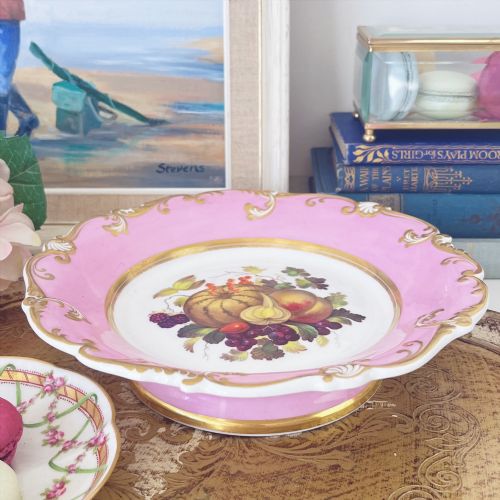
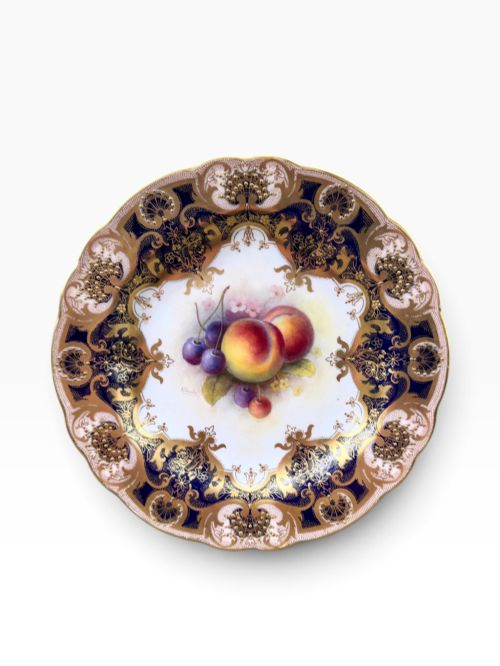
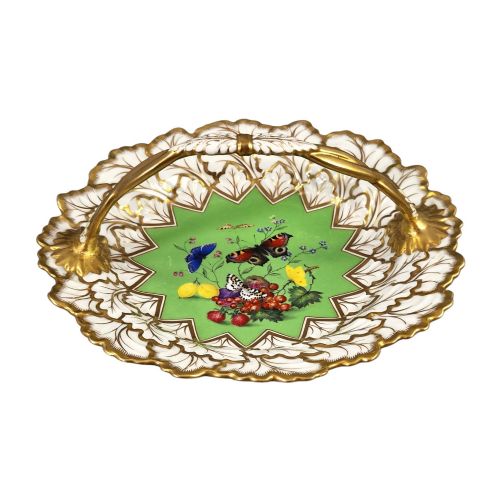
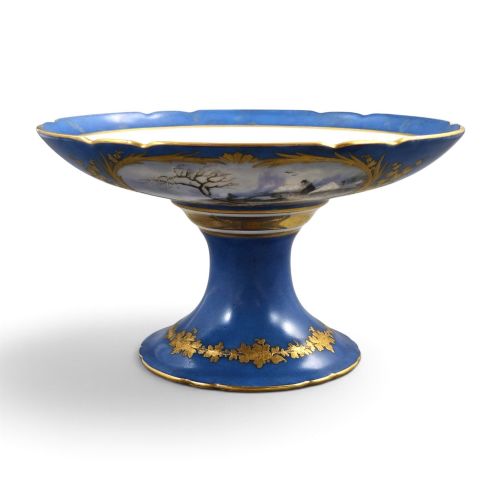
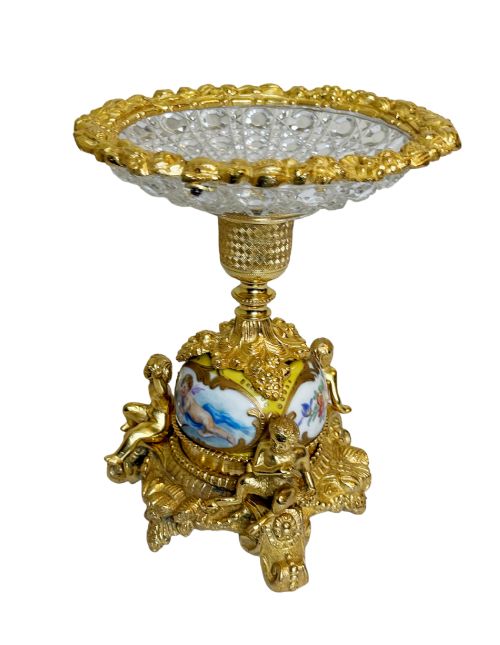
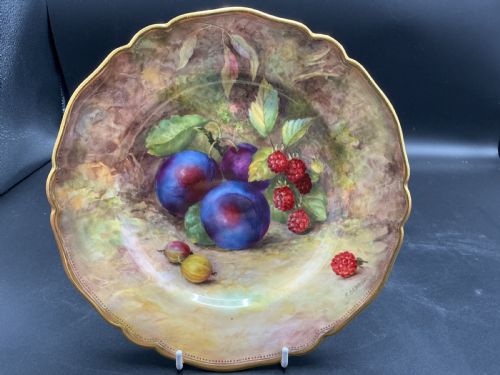
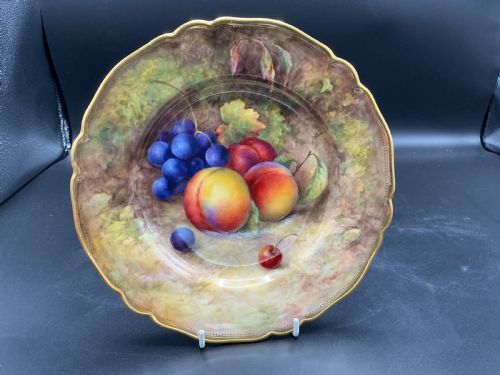
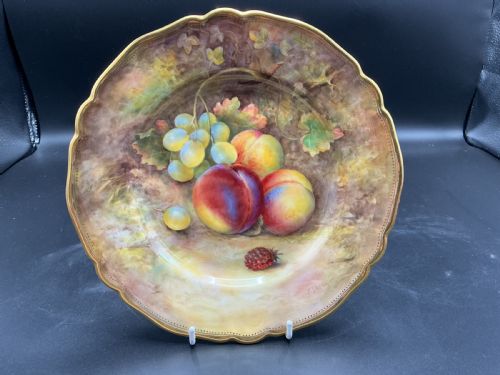
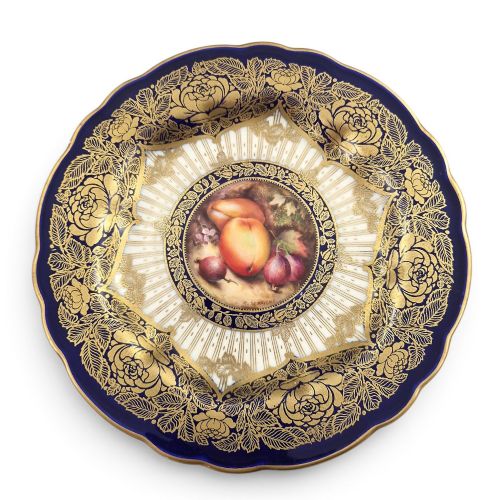
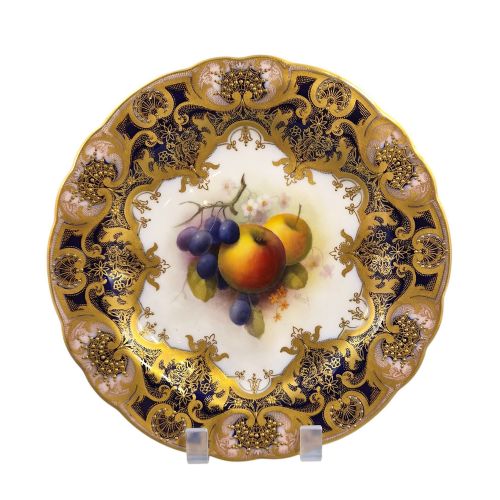
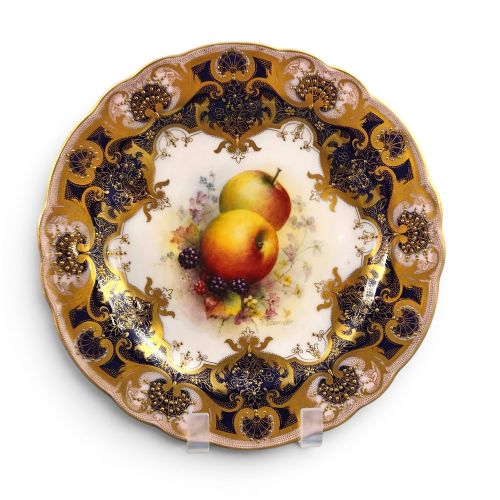
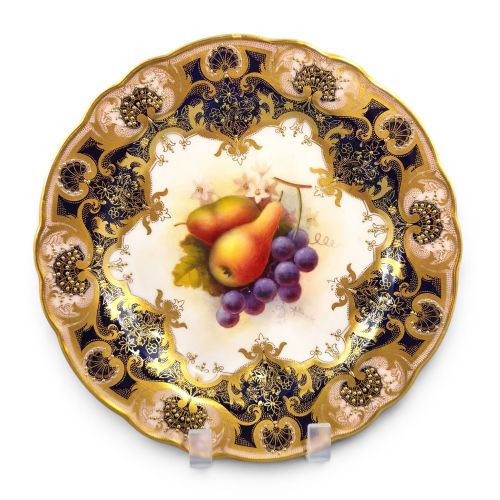
When you search for painted fruit porcelain, you encounter decorative ceramics adorned with detailed botanical depictions of apples, pears, berries, and peaches. These pieces include cabinet plates, ginger jars, pot pourri vases, cream jugs, and serving dishes created to showcase natural beauty.
The versions you are most likely to meet on this page hail from the twentieth century, with notable representation from the nineteen-twenties through to the nineteen-sixties. Royal Worcester dominates the items present, showing traditional English artistry in vases, urns, and plates.
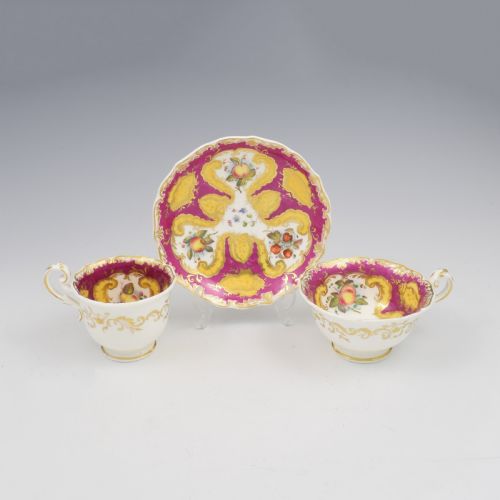
Earlier archive pieces stretch back into Victorian French items and Sevres style tea cups, though the core of the selection remains firmly focused on twentieth-century English ceramic art. Each object serves primarily as a decorative display piece rather than everyday tableware.
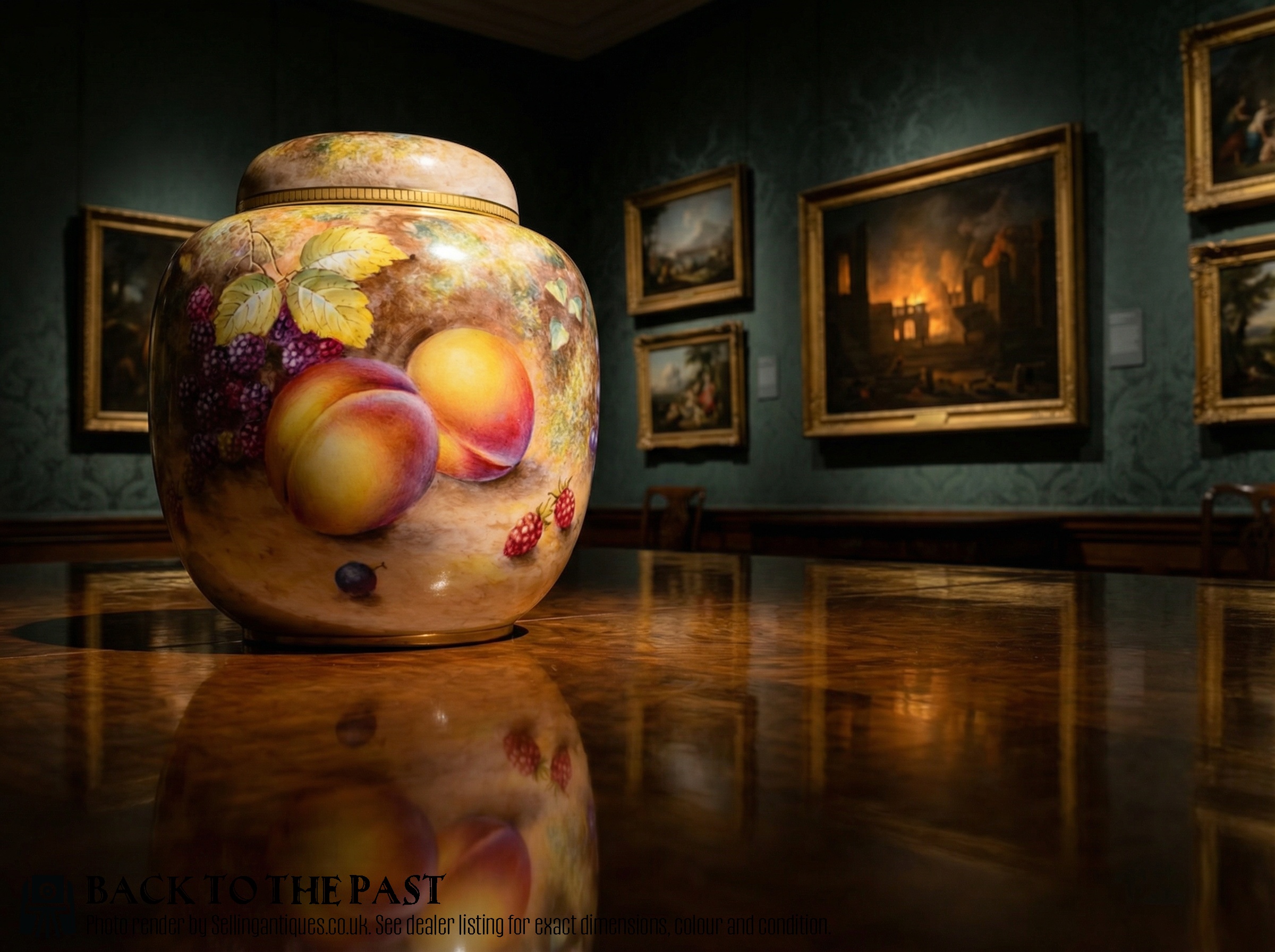
Materials and construction techniques
Makers utilise fine porcelain and bone china as the core canvas for these works, providing a smooth, white surface ideal for detailed pigment adhesion. Paint is applied by hand to render realistic colour variations across each piece of fruit.
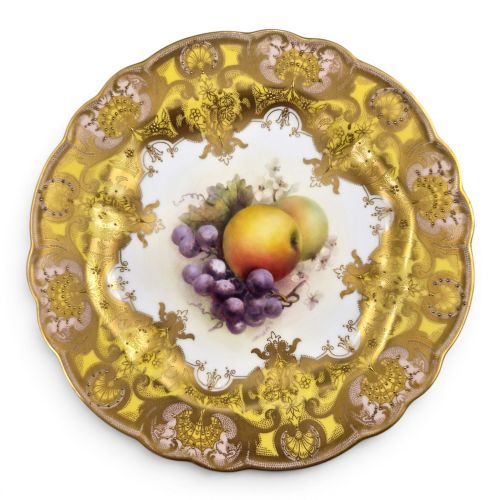
Gilding, gold leaf, and gold gilt accents often frame the painted scenes, adding a metallic lustre to the rims and handles. Enamel layers seal the design beneath a glossy protective coat during the firing process.
Retail Price Guide 2026
Typical UK retail prices for painted fruit porcelain, calculated from the Sellingantiques database of over a million retail prices indexed since 2003. This retail price guide relies exclusively on Sellingantiques data; no external sources or auction records are used, so the figures do not describe the wider market.
Materials recorded in the archive and current listings include bone china, enamel, and multiple forms of gold gilding.
Distinctions in quality and execution
The distinction between standard examples and finer pieces often rests on the identity of the artist, with signed works by known painters commanding greater attention. The precision of the brushwork and the depth of the fruit shading reveal the skill level of the decorator.
The application of heavy gold gilding and the complexity of the ceramic form, such as pierced covers on pot pourri vases or fluted edges on dessert dishes, elevate the sophistication of the item.
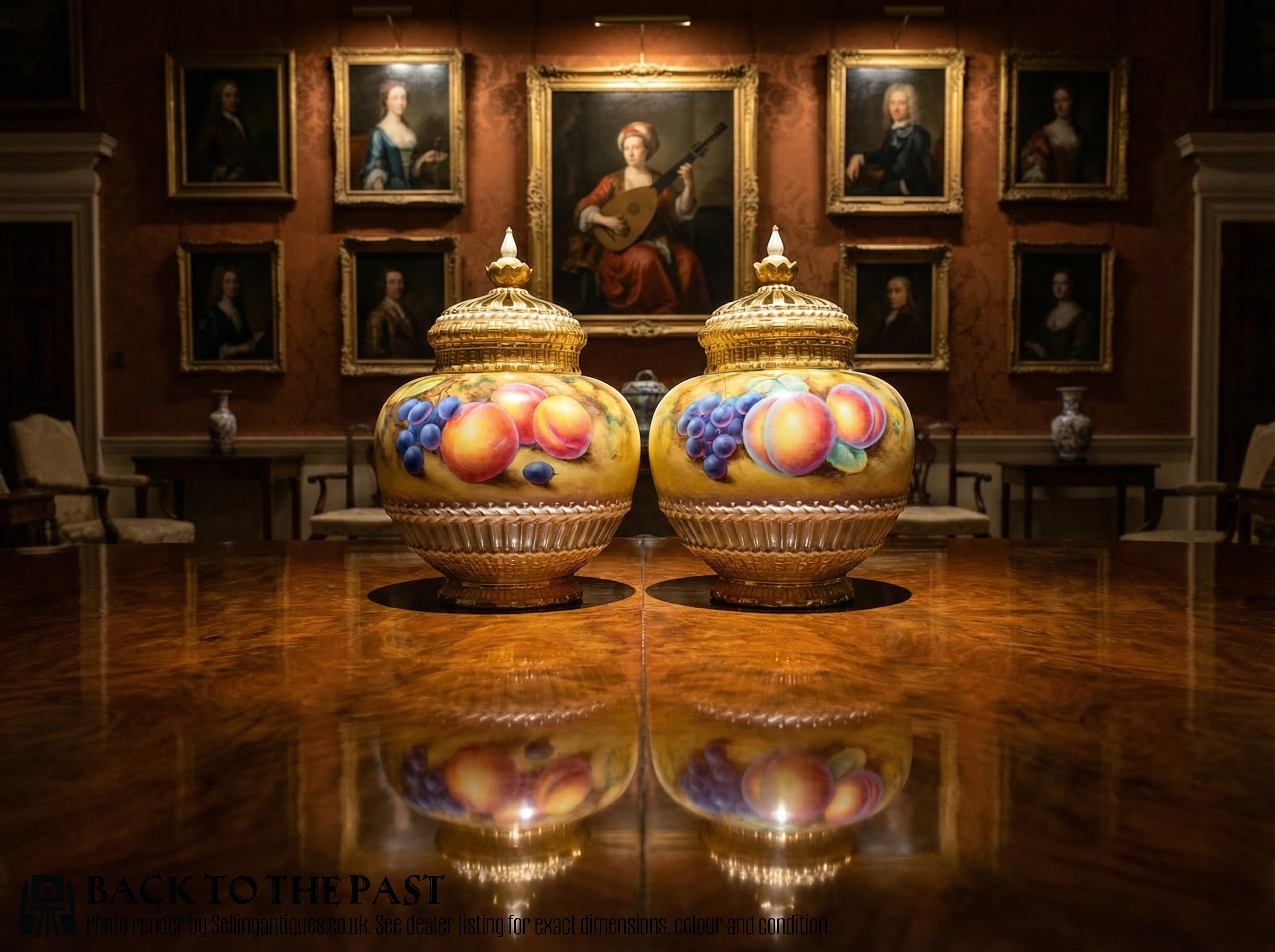
Royal Worcester·Richard Sebright·Freeman·HH Price·John Smith·Haviland·E Townsend·William Ricketts·Louis Flexman
The Painted Fruit Porcelain Glossary
- Cabinet plate
- A decorative ceramic plate intended for display in a cabinet rather than for dining use. These often feature elaborate painted scenes and gilt borders.
- Pot pourri vase
- A specialised ceramic vessel with a pierced or perforated cover designed to diffuse the scent of dried flowers and herbs placed inside.
- Bone china
- A type of soft-paste porcelain incorporating animal bone ash, known for its high whiteness and translucency. It provides a sturdy yet refined base for intricate enamel painting.
- Gilding
- The application of gold leaf or gold powder onto the surface of porcelain to create decorative metallic highlights. It frequently outlines painted panels and scalloped rims.
- Ginger jar
- A ceramic container originally used for storing spices, later adapted as a purely decorative lidded jar featuring hand-painted motifs.
Frequently Asked Questions
What is painted fruit porcelain?
Painted fruit porcelain consists of ceramic items decorated with hand-painted studies of orchard fruits, typically framed by gilt borders. These items range from cabinet plates to lidded vases.
Most examples found here date from the twentieth century and showcase traditional English ceramic techniques. They were created primarily for display in cabinets and drawing rooms.
Who painted these porcelain pieces?
Many pieces were decorated by specialist artists working for major potteries, with individual painters signing their work on the front or base. Notable decorators included Richard Sebright, William Ricketts, and Louis Flexman.
Signature identification allows collectors to attribute specific stylistic touches and brushwork techniques to particular hands within the studio.
How should I display them?
Cabinet plates fit securely in wall-mounted plate hangers or specialised display stands inside glass-fronted furniture. Vases and ginger jars look best on mantelpieces or side tables where light can catch the gilt accents.
Keep these items away from direct sunlight to preserve the vibrant enamel colours of the fruit paintings over time.
How do I date these ceramics?
Dating relies on factory backstamps printed or impressed on the underside of the porcelain, which often changed shape or included date ciphers according to the year of manufacture. The presence of specific artist signatures also helps narrow down the active period of production.
Stylistic shifts, from Edwardian fine porcelain to later Art Deco forms, offer further visual clues to the decade of creation.