




Painted Figure Vases
Painted figure vases bring together ceramic form and figurative painting across centuries of Japanese, Chinese, European and English traditions.
Painted Figure Vases
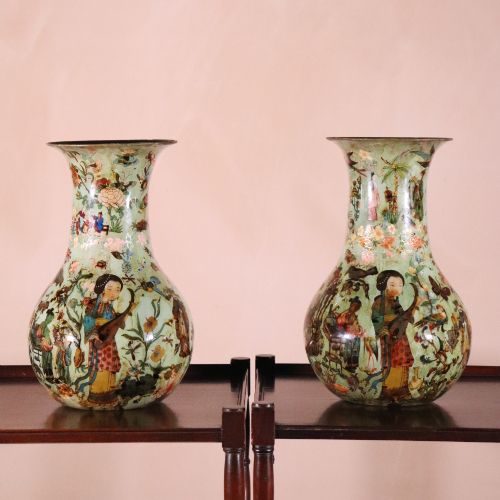
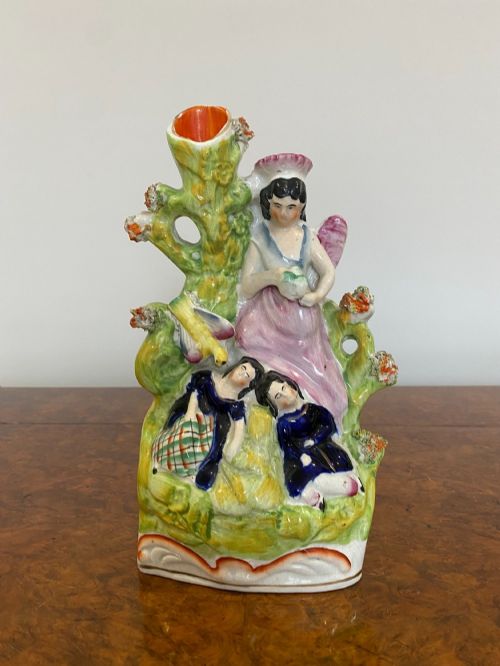
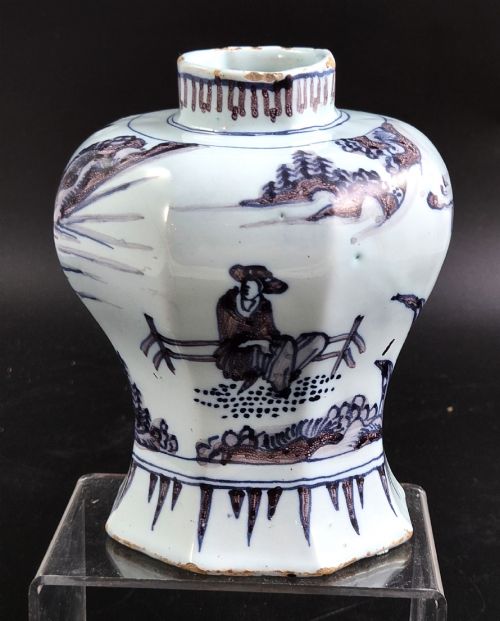
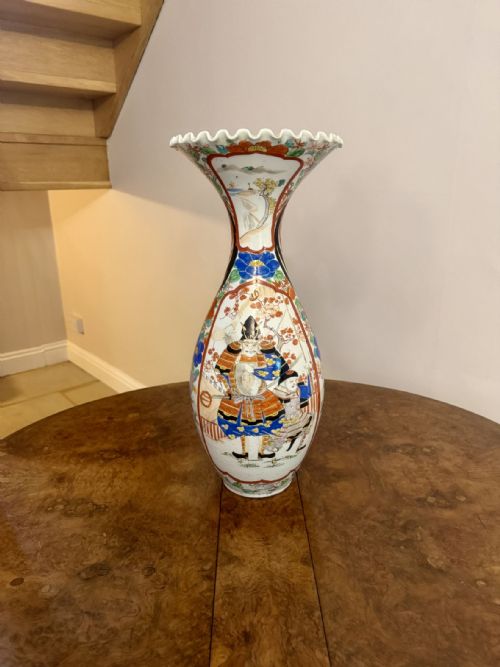
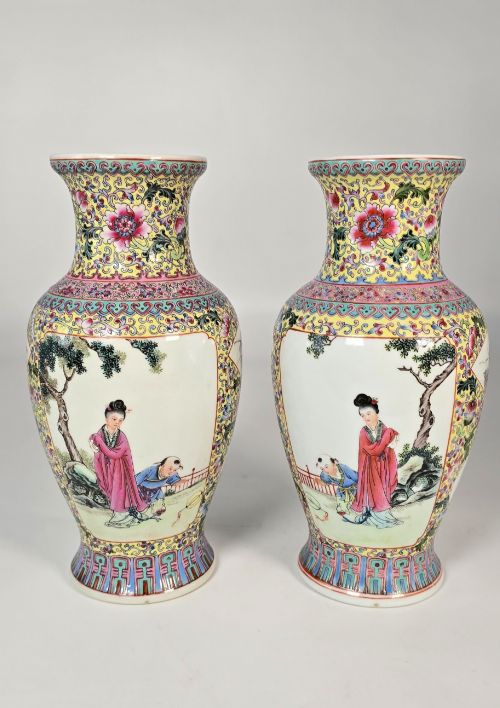
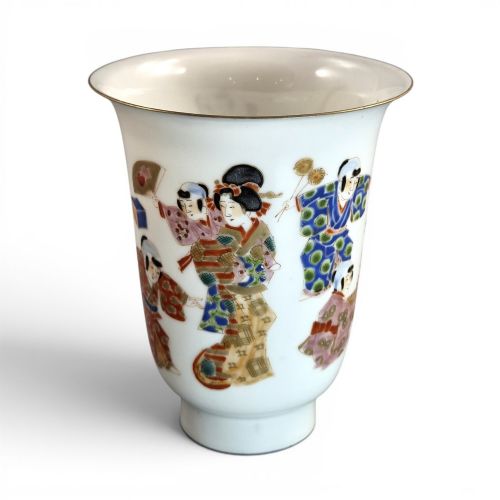
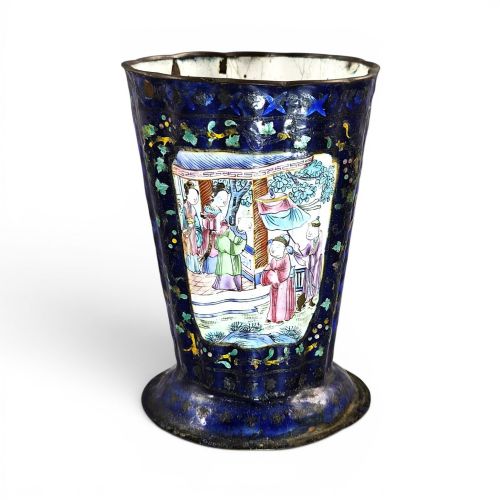
Painted figure vases are decorative ceramic vessels decorated with hand-painted human subjects, spanning periods from the eighteenth century through to the nineteen thirties. These pieces encompass various forms including baluster vases, brush pots, urns, amphoras and spill vases made across international workshops.
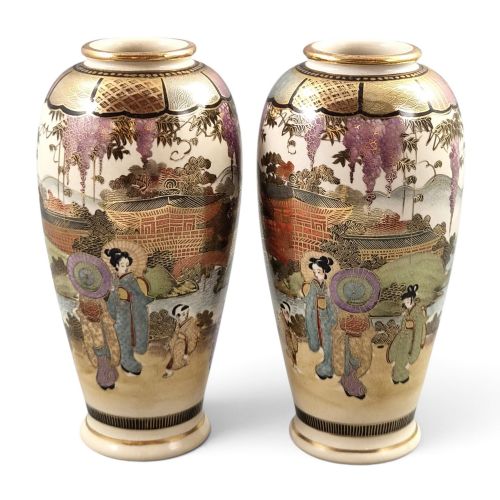
The most common examples encountered on this page originate from Japanese Satsuma and Kutani production of the late nineteenth and early twentieth centuries, alongside Chinese Qing dynasty export wares. Victorian Staffordshire figures and Dutch Delftware also appear frequently among the selection.
How they were made
Makers utilised porcelain, earthenware, ceramic and copper as base substrates, shaping them into vessels, bottles and figures before applying detailed surface decoration. Enamel, glaze and gold leaf were hand-painted onto the ceramic bodies to render the figurative scenes and borders.
Firing techniques fixed the pigments and glazes to the clay or copper foundations, creating durable finishes that range from eggshell porcelain delicacy to heavy earthenware forms. Certain pieces incorporate applied brass elements or gilt highlights to frame the painted human subjects.
Painted Figure Vases Retail Price Guide 2026
Typical asking prices for painted figure vases among the pieces listed under this phrase on Sellingantiques today, from the lower quarter to the upper quarter. They describe what is for sale here now, not the wider market.
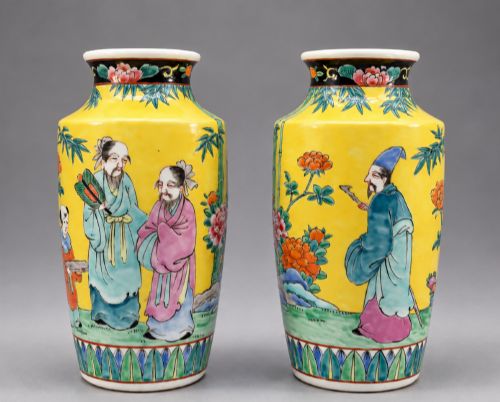
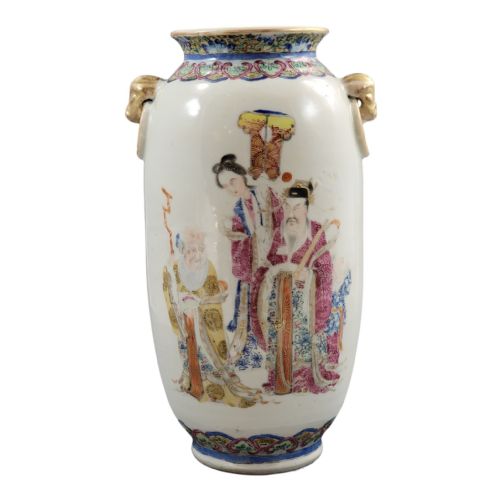
Several vases depict immortals with notably high foreheads, traditionally symbolising wisdom and longevity.
What varies in quality
The standard of painted figure vases depends heavily on the precision of the brushwork and the complexity of the figurative composition. Hand-painted detail in the garments, facial expressions and background scenes separates finely executed examples from simpler production pieces.
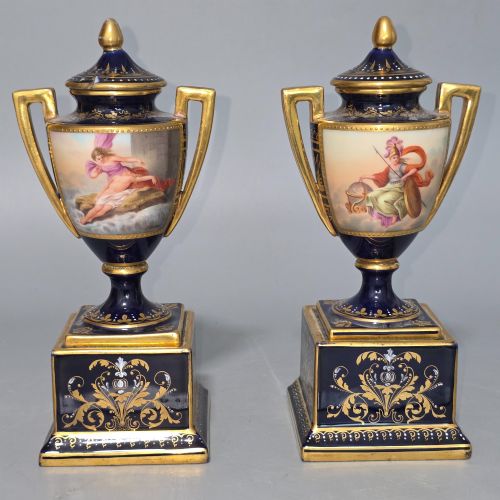
The richness of the palette, including the controlled application of enamel and gold leaf, distinguishes superior work. Artist signatures and factory attribution also elevate certain vases within their respective periods.
Shozan·Hichozan Shinpo·Vion et Baury·Gao Hengsheng·F. Koller
The Painted Figure Vases Glossary
- Famille rose
- A major palette of Chinese ceramic enamel colours introduced in the Qing dynasty, dominated by pink or rose opaque enamel. This grouping includes detailed figurative scenes of scholars and immortals.
- Satsuma
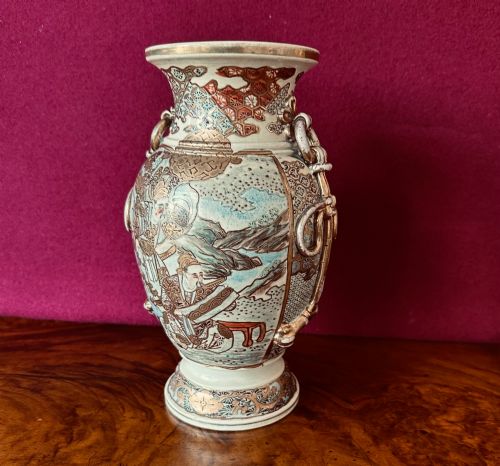
- Japanese earthenware pottery originating from Satsuma province, typically characterised by a crackle-glaze ivory ground decorated with polychrome enamels and gold leaf. These wares frequently depict figures such as women and children or immortals.
- Kutani
- Japanese porcelain and pottery produced in Kutani, Ishikawa prefecture, known for strong multi-coloured enamel designs. Pieces often incorporate dense figurative work set within intricate border patterns.
- Staffordshire figure
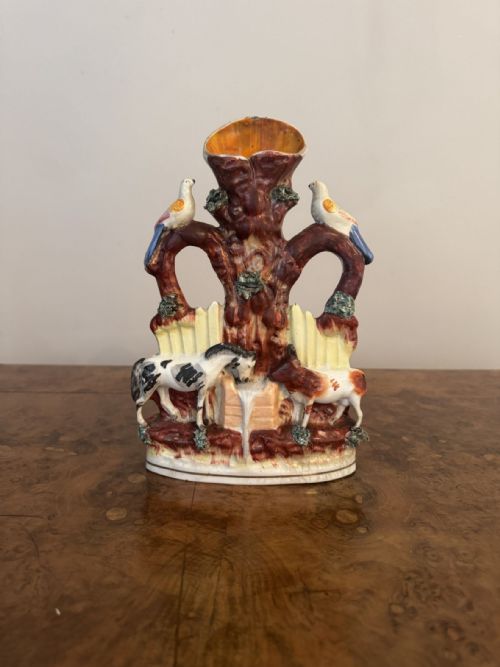
- English earthenware pottery figures and flatbacks produced in the Staffordshire potteries during the nineteenth century. These items depict people, historical events and moral groups.
- Baluster vase
- A tall vase with a rounded body that tapers toward the base and swells near the middle, resembling the architectural shape of a baluster. This form provides a wide surface area for painted figure compositions.
Painted Figure Vases: Frequently Asked Questions
What is a painted figure vase?
A painted figure vase is a ceramic or porcelain vessel decorated with hand-painted depictions of people, including scholars, immortals, historical figures and everyday groups.
These pieces range from tall Japanese Satsuma garnitures to Chinese export porcelain and English earthenware forms.
How do I identify Satsuma vases?
Satsuma wares are recognised by their characteristic ivory-coloured earthenware body covered in a fine network of transparent crackled glaze.
They are further distinguished by rich hand-painted enamel designs enhanced with heavy gold leaf outlining.
How do I care for antique porcelain?
Antique porcelain and enamel vases should be kept away from direct sunlight to preserve the pigments and gold leaf.
Dusting gently with a dry, soft cloth is sufficient for routine maintenance without using liquid cleaners.