
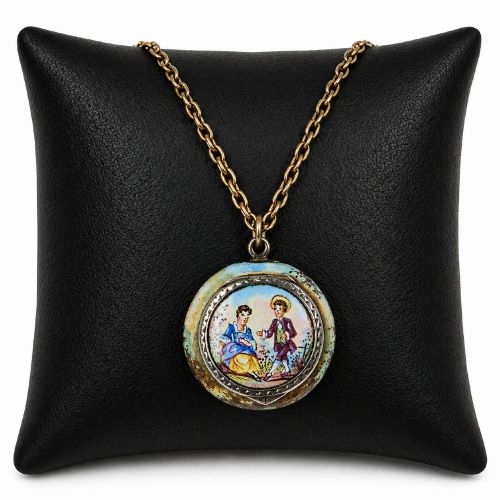




Painted Enamel Medallion
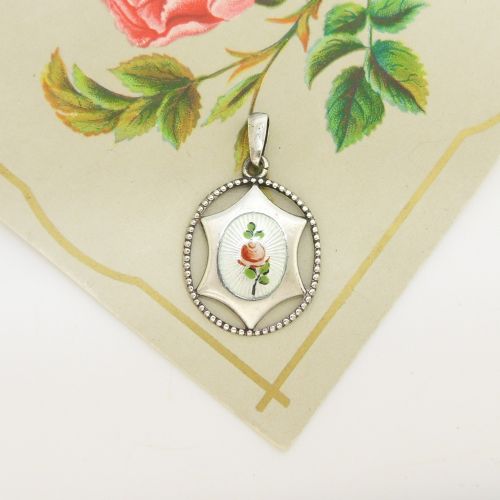
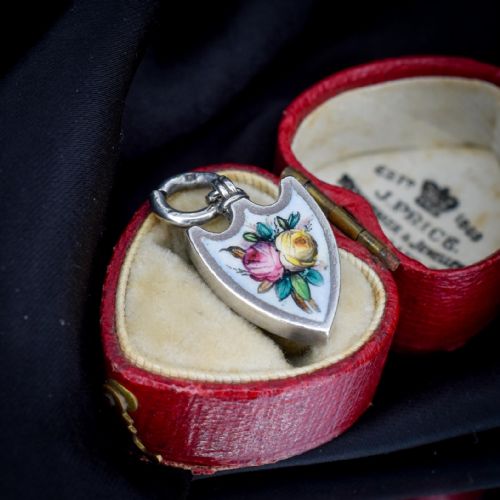
A painted enamel medallion brings hand-painted colour and fine detail into smaller decorative objects, offering a compact focal point for collectors.
Painted Enamel Medallion
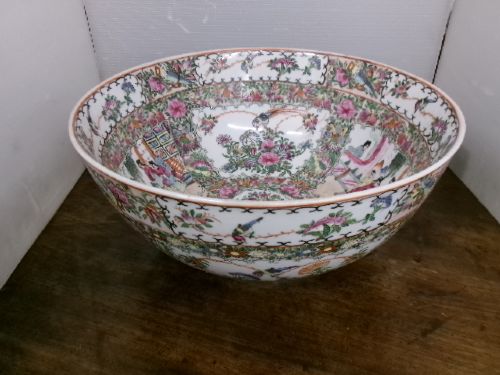
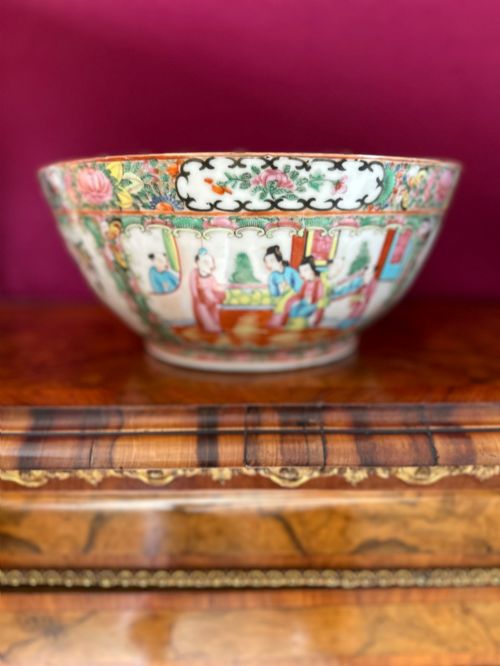
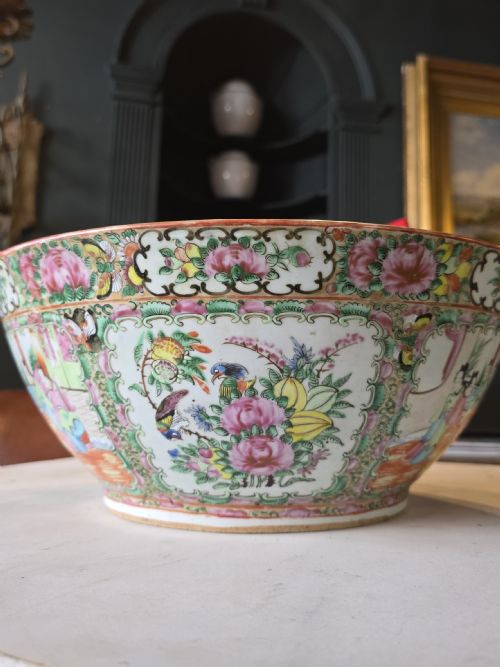
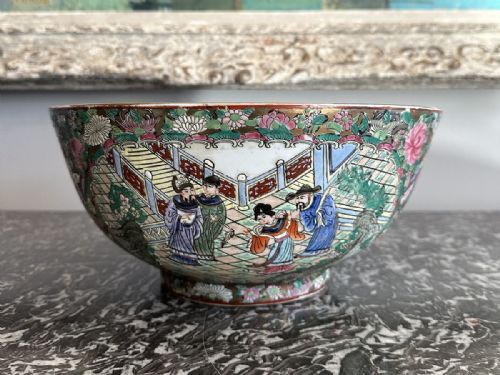
A painted enamel medallion forms part of a broader group of decorative items, including porcelain chargers, silver pendants, and lidded vessels found across the nineteenth century. These objects frequently draw upon Chinese export designs and European portrait miniatures, centring on vibrant enamel work.
The pieces appearing here lean heavily toward nineteenth-century Chinese Canton wares and European enamel jewellery, capturing floral scenes and figural subjects. Buyers encounter items ranging from punch bowls and garden seats to small charms and lockets carrying delicate painted surfaces.
Materials and construction methods
Artisans applied enamel colours over porcelain, silver, and gilt metal bases, often fusing the pigments at high temperatures to achieve a glossy finish. Gold leaf and gilding were frequently added to highlight borders and frame the central painted motifs.
Porcelain items relied on overglaze enamels fired onto ceramic bodies, while smaller metal pieces utilised silver or gilt mounts to secure the enamel plaques. These techniques allowed makers to combine durable base materials with intricate, miniature painting.
Listings feature nineteenth-century items created in porcelain, silver, and gilt metal, spanning Chinese export wares and European enamel jewellery.
Distinctions in craftsmanship and finish
The integrity of the base material also dictates the standard of the piece, whether through well-fired porcelain bodies free from warping or substantial silver and gilt settings that securely house the enamel inset.
Henry Pierce Bone
The Painted Enamel Medallion Glossary
- Enamel
- A glassy substance fused to a metal or ceramic surface through firing. This technique provides a smooth, durable coloured finish resistant to fading.
- Famille Rose
- A major palette of Chinese ceramic glazes introduced in the eighteenth century, dominated by opaque pink or rose enamel. It appears frequently on export bowls and plates.
- Gilt
- A thin layer of gold applied to the surface of silver, metal, or wood. This finish adds decorative warmth and highlights specific design elements.
- Overglaze enamel
- Pigments painted on top of a previously fired and glazed ceramic surface, requiring a second, lower-temperature firing to fix the colours.
- Porcelain
- A hard, fine-grained ceramic fired at high temperatures until vitrified. It serves as the primary canvas for many painted enamel and export wares.
Painted Enamel Medallion: Frequently Asked Questions
How do I clean an antique enamel piece?
Use a soft, dry cloth to gently remove dust from the surface. Avoid liquid cleaners, harsh chemicals, or soaking, as moisture can damage older metal mounts and delicate enamel.
Keep the item away from direct sunlight and extreme temperature changes to protect the pigments and prevent the base material from expanding or contracting.
How can I tell the period of these objects?
Examine the style of the painting, the composition of the metal or ceramic base, and the characteristics of the mounting work. Nineteenth-century pieces often feature specific export palettes and hand-drawn motifs distinct from later reproductions.
Look for maker marks, hallmarks on silver elements, or characteristic wear patterns on the underside of porcelain chargers and bowls to help confirm the date of manufacture.
Where were most of these items made?
The pieces originate primarily from traditional export kilns in China, particularly Canton, alongside European workshops in Vienna and Scandinavia. Each region employed distinct motifs, from floral shield charms to elaborate rose medallion garden seats.
Trade routes during the nineteenth century distributed these decorative goods widely across Europe, blending Eastern painting traditions with Western mounting styles.