




Painted Display Shelves
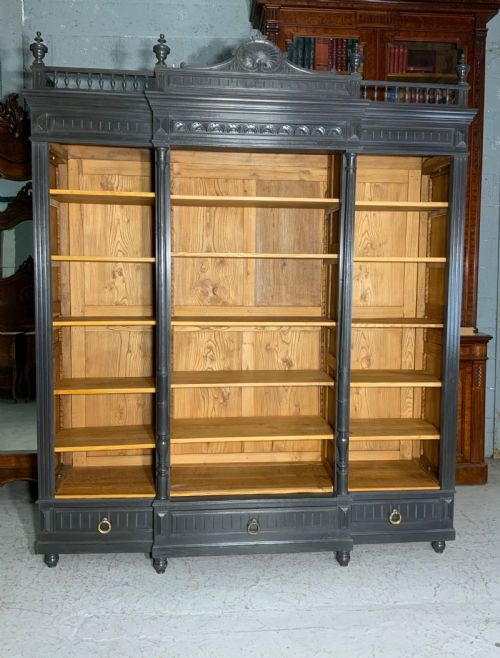
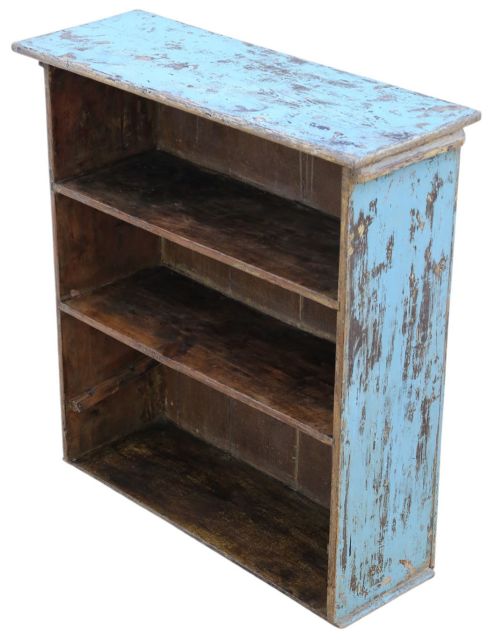
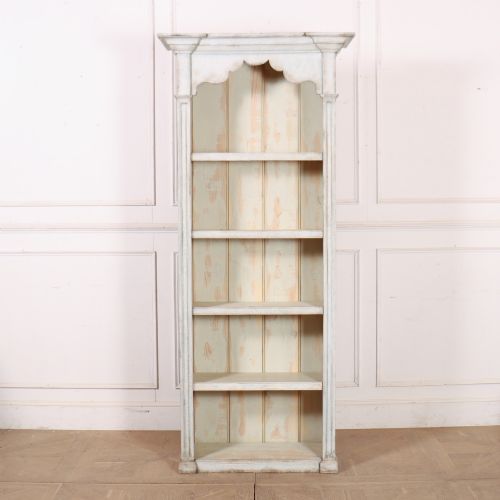
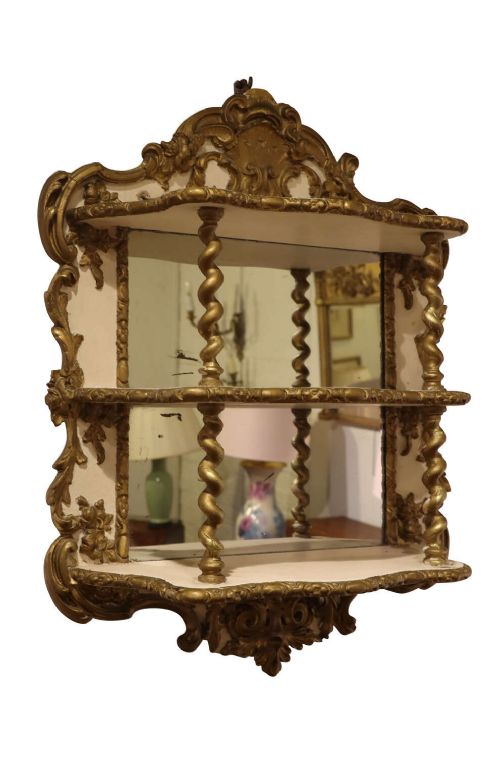
These painted display shelves bring architectural order and colour to a room, offering open platforms to show off collections.
Painted Display Shelves
When you search for painted display shelves, you encounter an array of wall-mounted brackets, open bookcases, and corner cabinets designed to organise and exhibit objects. These pieces range from robust floor-standing units to delicate wall-mounted étagères, spanning periods from the eighteenth century through to the twentieth.
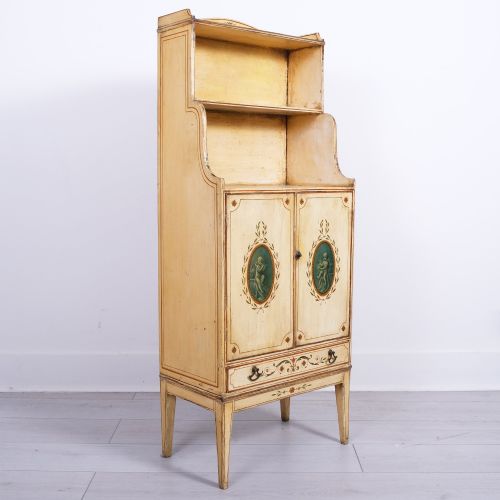
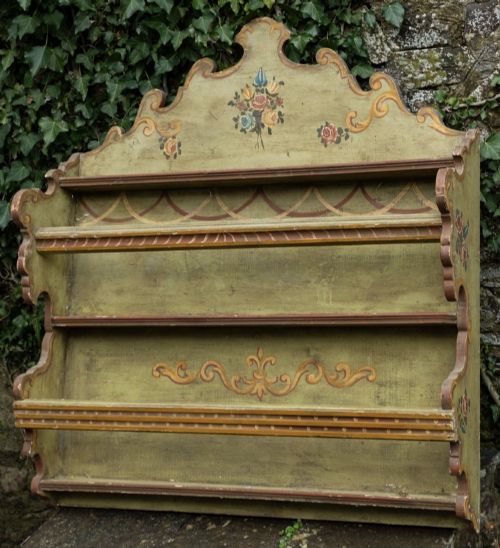
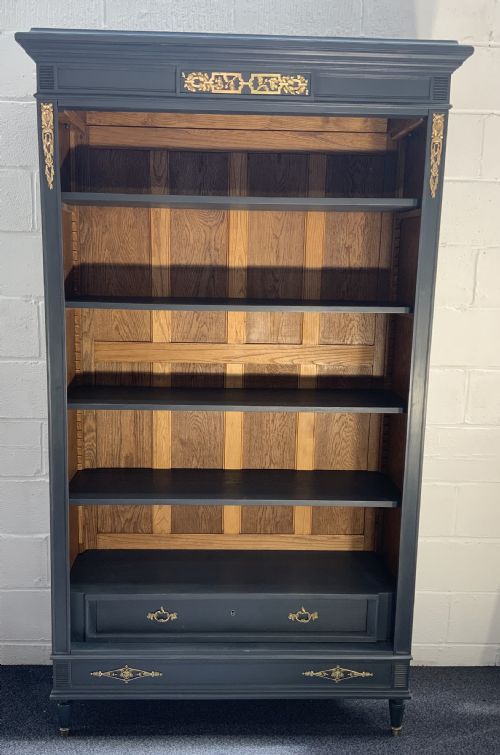
The version you are most likely to meet on this page is the nineteenth-century open bookcase or wall shelf, often finished in distressed blue, cream, or contemporary heritage paint colours. French provincial styles and Georgian-influenced designs appear frequently alongside simple country house variants.
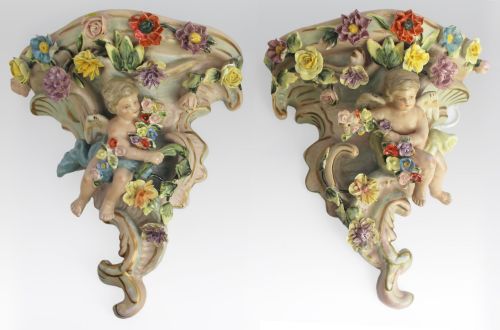
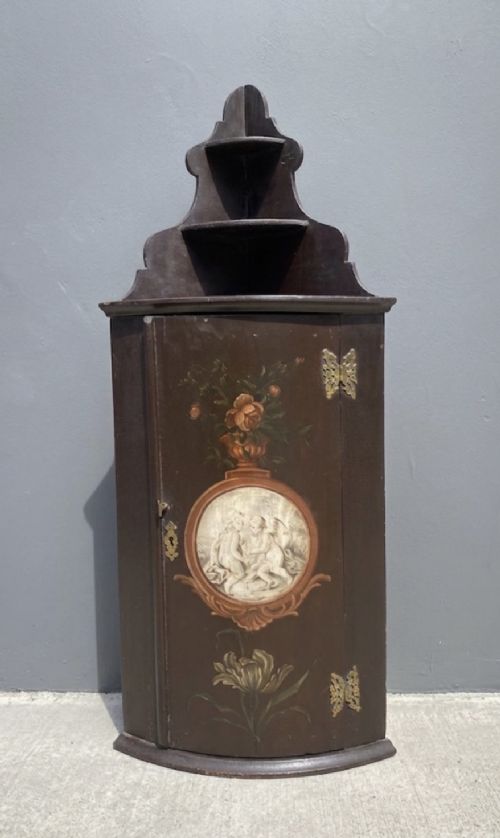
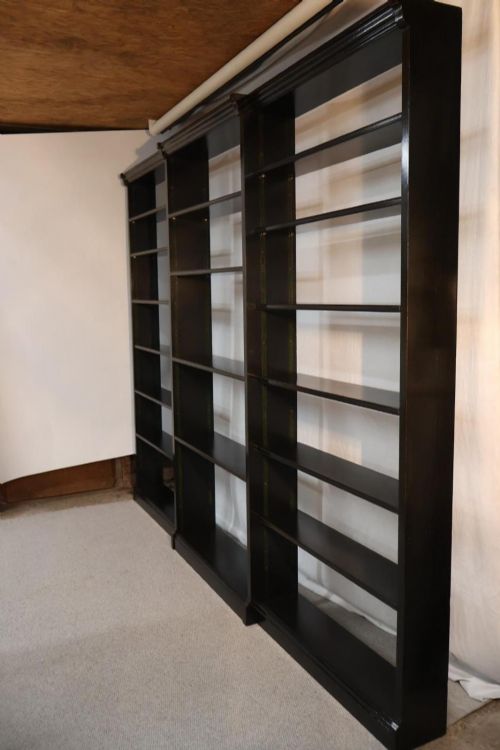
Forms vary from tall breakfront libraries to small corner cupboards with shelves to the top. Many rely on architectural proportions, whilst others incorporate brass embellishments, gold leaf, or porcelain details to elevate their utility.
Materials and construction
Carpenters typically built these shelves using solid timbers such as pine, elm, teak, and mahogany, occasionally employing simulated graining or ebonising to mimic more costly woods. Surfaces received layers of lead- or oil-based paint, sometimes decorated with hand-painted motifs or parcel gilt highlights.
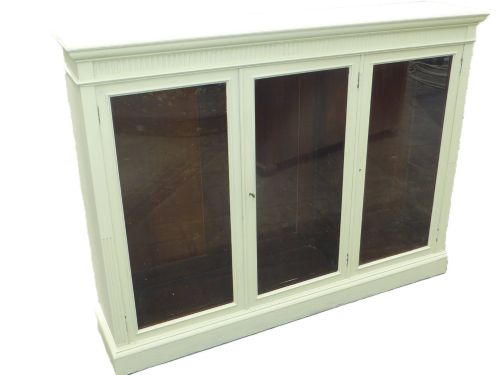
Metal components such as wrought iron, brass, and glass added structural support and visual contrast, particularly in baker's racks, plant stands, and glazed bookcases. Joinery techniques varied from traditional pegged joints in earlier country pieces to finely moulded cornices in later formal workshop productions.
The listings span the eighteenth, nineteenth, and twentieth centuries, incorporating pine, mahogany, teak, and wrought iron.
Assessing quality
Quality in these pieces rests upon the integrity of the timber, the harmony of the proportions, and the authenticity of the surface finish. Pieces retaining their original painted or grained surfaces carry greater authority than those subjected to later, unsympathetic redecoration.
Subtlety in mouldings, the crispness of carved details like gilt wall corbels, and the presence of adjustable shelving distinguish sophisticated cabinet-making from basic utility storage. Structural soundness in uprights and cornices ensures the shelves bear weight safely over time.
Dubois of Lyon
The Painted Display Shelves Glossary
- Étagère
- A set of open shelves for displaying small objects or ornaments. These often feature delicate uprights and decorative cresting.
- Breakfront
- A piece of furniture where the central section projects forward from the flanking sides. This layout creates depth and breaks up long expanses of shelving.
- Grained finish
- A painted surface manipulated to imitate the natural grain patterns of expensive timbers like rosewood or mahogany. This technique was popular during the Regency period.
- Cornice
- The ornamental moulding running around the top edge of a cabinet or bookcase. It crowns the structure and balances the proportions.
- Corbel
- A structural or decorative bracket projecting from a wall to support a shelf or weight above. They frequently take carved or porcelain forms in revival styles.
Painted Display Shelves: Frequently Asked Questions
How do I clean painted display shelves?
Dust the surfaces regularly with a soft, dry cloth to prevent dirt accumulation. Avoid harsh chemical cleaners that might strip or soften historical paint finishes.
For stubborn marks, use a slightly damp cloth with mild soap, drying the timber immediately afterwards. Test any cleaning method on an inconspicuous area first.
Can these shelves hold heavy books?
Floor-standing bookcases and robust timber shelving units handle heavy volumes easily. Wall-mounted shelves depend entirely on correct installation into secure masonry or studs.
Check the thickness of the timber and the strength of the brackets before loading open shelves with dense collections. Distribute heavy items across lower shelves for better stability.
How do I distinguish original paint from later coats?
Original paint surfaces show natural wear patterns, craquelure, and integration with the underlying timber grain. Layering and microscopic wear around high-touch areas reveal age.
Modern repainting often feels flat, lacks subsurface patination, and hides historic tool marks. Examine edges and corners under magnification to spot underlying colours.
Where should I place a wall shelf?
Mount wall shelves at eye level where their decorative brackets and display contents can be appreciated. Avoid placing delicate painted pieces in direct sunlight or damp environments.
Ensure wall fixtures match the weight of the shelf and the objects placed upon it. Kitchens, hallways, and living rooms suit these functional display pieces.