
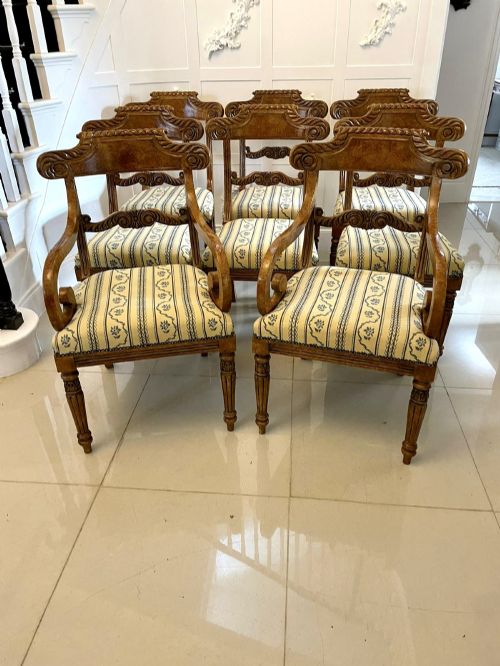
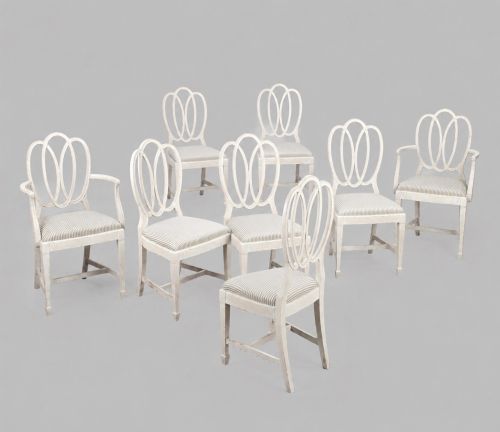
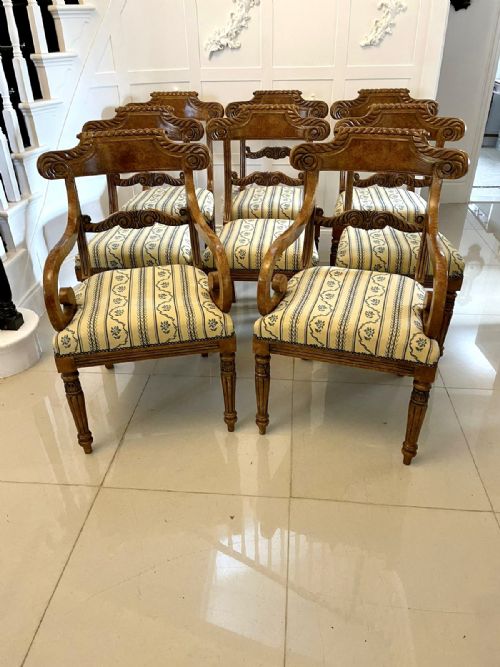


Painted Country Carver Chair
These painted country carver chair options bring rustic British character and sturdy arm support into your home.
Painted Country Carver Chair
A painted country carver chair combines traditional rural seating design with an applied painted finish, creating a distinct aesthetic that spans multiple eras. When you examine these listings, you encounter robust armchairs rooted in vernacular woodworking traditions alongside lighter revival interpretations.
The selections on this page range from late eighteenth-century George III pieces and nineteenth-century Cheshire ladder backs to later twentieth-century interpretations. These chairs typically function as accent seating or robust desk chairs, featuring prominent armrests and sturdy timber frames.
Makers across different periods adapted formal metropolitan styles for rural workshops, resulting in vernacular forms with painted surfaces. Whether you encounter an eighteenth-century example with block feet or a later Edwardian set, each piece offers a blend of utilitarian function and decorative surface work.
How they were made
Traditional makers built these chairs using locally sourced woods such as beech, ash, oak, and mahogany, often combining solid timber frames with rush seating or upholstered fabric pads. Carpenters relied on pegged mortise and tenon joints to ensure the structural integrity of the armrests and leg assemblies.
Surface treatments involved applying layers of paint over the bare wood, sometimes utilising decorative techniques to mimic finer grains like faux birds-eye maple. Over generations, this painted finish develops a distinct patina that records the working life of the chair.
Some chairs sport faux birds-eye maple paintwork, proving that country carpenters loved a bit of urban glamour just as much as city folk.
What varies in quality
The distinction between standard and superior examples lies in the integrity of the original timber frame and the authenticity of the surface finish. Early eighteenth-century and Georgian pieces demonstrate superior joinery techniques and proportions compared to later mass-produced variants.
The quality of the painted surface significantly impacts the overall character, with surviving historical pigment showing natural wear patterns rather than modern repainting. Additionally, regional vernacular details, such as unusual block feet or carved motifs, elevate the craftsmanship of individual carver chairs.
The Painted Country Carver Chair Glossary
- Carver chair
- An armchair, typically heavier and more decorative than a standard dining chair, often positioned at the head of a table. These chairs feature supportive armrests integrated into the frame.
- Vernacular furniture
- Domestic pieces made by local regional craftsmen rather than urban cabinetmakers. These items utilise native timbers and traditional local building methods.
- Rush seat
- A seating surface woven from dried marsh grasses or rushes, providing a flexible and resilient platform. This technique appears frequently in traditional country chairs.
- George III period
- The era spanning from 1760 to 1820, characterised by refined proportions and the evolution of classic British furniture styles. Pieces from this time often incorporate distinct regional variations.
- Ladder back
- A chair back construction featuring multiple horizontal wooden rails resembling a ladder. This functional design is common in traditional country seating.
Painted Country Carver Chair: Frequently Asked Questions
How do I identify a Georgian chair?
Georgian chairs are typically identified by their balanced proportions, native timber construction, and period-specific joinery techniques. Makers during this era often incorporated vernacular details that reflected regional preferences.
Examining the foot construction, such as block feet or tapered legs, helps determine whether a piece belongs to the eighteenth century or a later revival period.
Are painted finishes original?
Painted finishes on antique country chairs can range from original historic layers to later decorative applications added during subsequent eras. Determining the age of the paint requires looking for natural wear patterns and craquelure that match the timber underneath.
Many country pieces received multiple coats of paint over their lifespan to refresh their appearance in domestic settings.
Where should I place a country carver?
A country carver works well as an accent piece in a hallway, bedroom, or living room, providing both a sculptural silhouette and functional seating. Their sturdy armrests and supportive backs also make them suitable desk chairs.
Pairing these armchairs with simpler dining chairs or placing them alone allows the painted finish and vernacular details to stand out.