



Painted Country Bureau
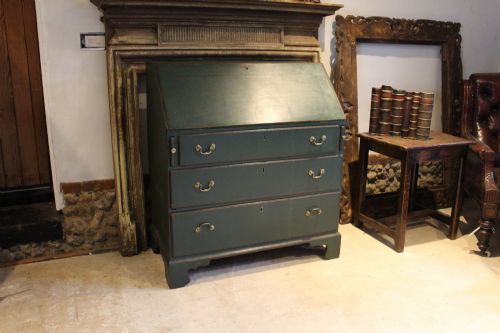
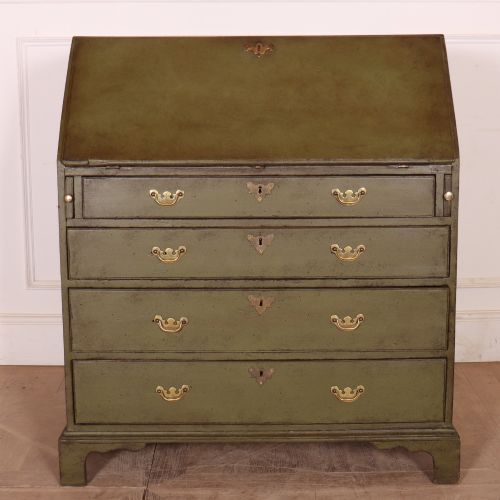
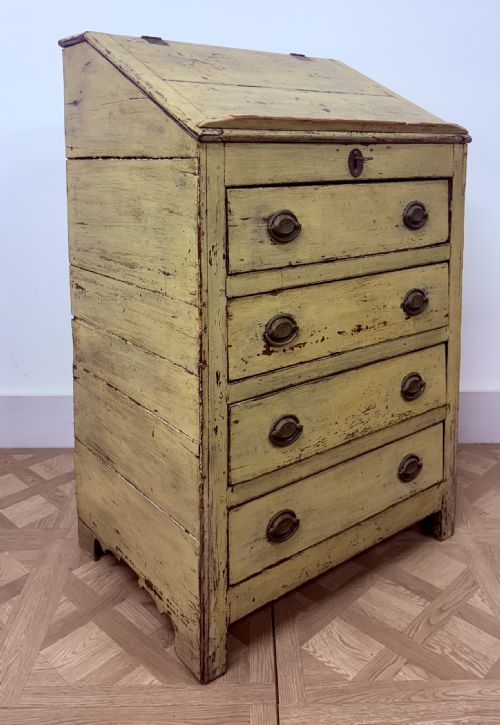
A painted country bureau brings domestic utility and provincial charm to a room, offering a sloping fall-front workspace above practical drawers.
Painted Country Bureau
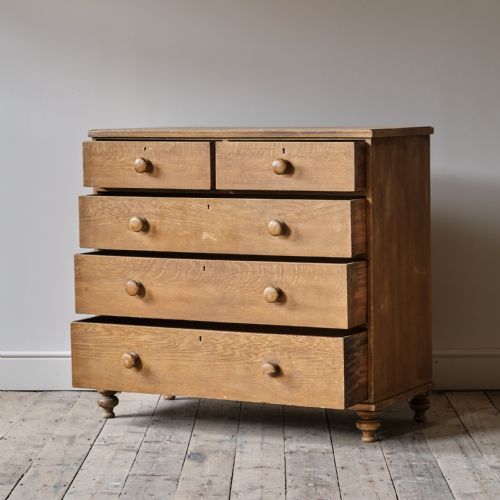
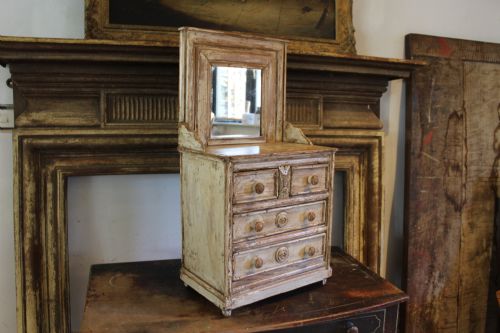
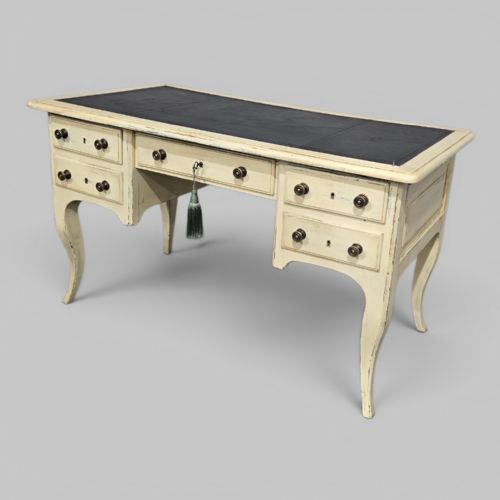
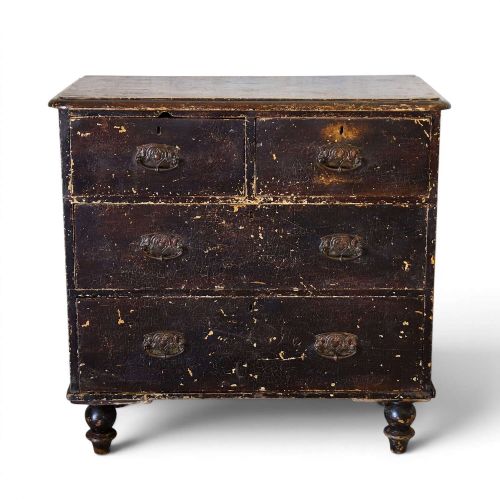
A painted country bureau combines a writing slope with storage drawers or pigeonholes, often finished in layers of historic or original paint. When searching for a painted country bureau, buyers encounter pieces originating from English, French, Scandinavian, and Hungarian rural workshops across the eighteenth and nineteenth centuries.
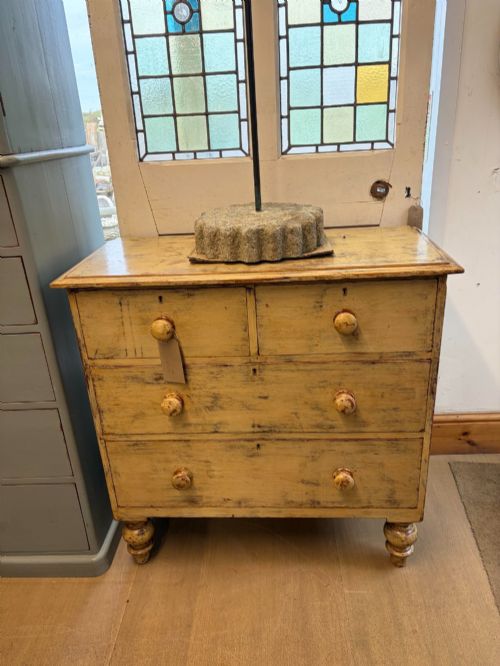
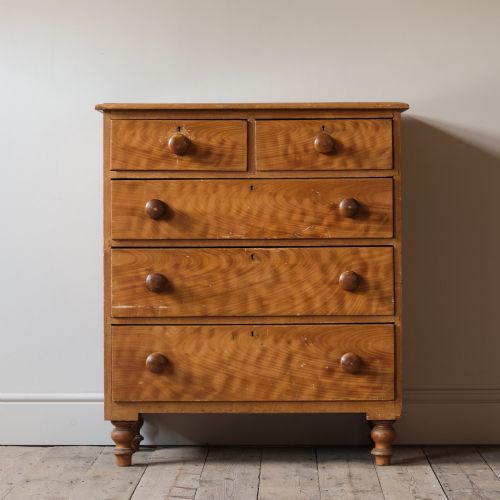
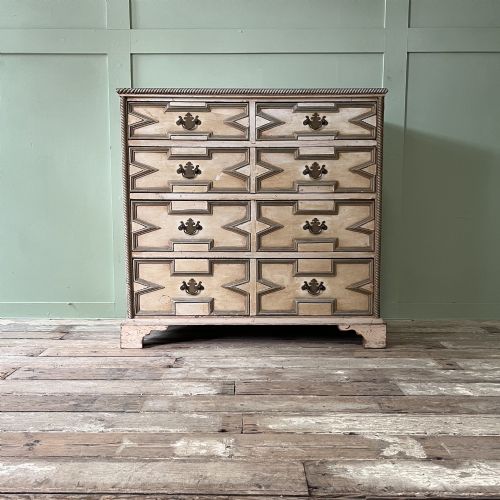
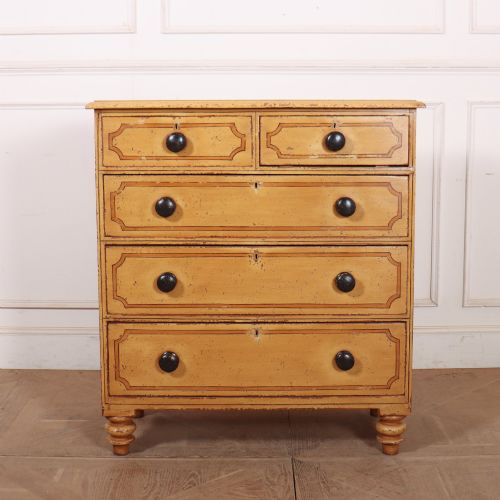
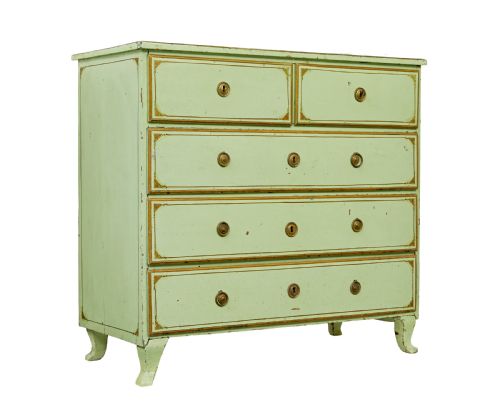
The form frequently appears alongside related provincial pieces like pine chests of drawers, writing desks, and bureau cabinets. Construction styles span Georgian proportions, Victorian utilitarian builds, and Scandinavian country interpretations.
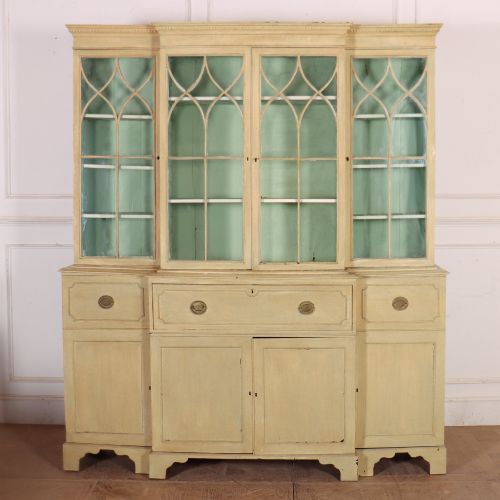
Surviving examples range from modest pine workhorses finished in scumble paint to grander bureau bookcase combinations. Each piece reflects the regional taste and domestic requirements of its original provincial setting.
How they were made
Pine and assorted local woods form the primary structural carcasses of these pieces, assembled using traditional joinery appropriate to their period. Iron and brass hardware, including drop handles and escutcheons, secure drawers and fall-front mechanisms.
Surface finishes rely on applied layers of paint, ranging from original light grey and black schemes to brown scumble glazes. Paint application protects the softer timber beneath while adding decorative character to everyday furniture.
Painted Country Bureau Retail Price Guide 2026
Typical asking prices for painted country bureau among the pieces listed under this phrase on Sellingantiques today, from the lower quarter to the upper quarter. They describe what is for sale here now, not the wider market.
Listings feature pine and painted wood pieces spanning the eighteenth century through the Edwardian period, including Scandinavian and English country styles.
What varies in quality
The integrity and age of the surface finish dictate much of the piece's character, with original paint layers holding distinct interest over later overpainting. Timber selection also separates standard utilitarian items from finer regional cabinetwork.
Proportion and internal arrangement reveal the maker's hand, particularly in the layout of pigeonholes, small drawers, and writing surfaces inside the fall-front. Well-executed provincial joinery ensures drawers run smoothly and the writing flap remains stable over centuries of use.
Sir Clough Williams-Ellis
The Painted Country Bureau Glossary
- Bureau
- A desk featuring a sloping hinged lid that opens to reveal a writing surface and small interior compartments. This form evolved to store writing materials and correspondence securely.
- Scumble paint
- A translucent or opaque glaze applied over a base coat and manipulated with tools to imitate grain or create patterned textures. It was widely used on nineteenth-century pine furniture.
- Escutcheon
- A protective plate surrounding a keyhole, usually fashioned from brass or iron. It prevents the wood around the lock from splitting during daily use.
- Kneehole desk
- A flat-topped desk featuring a central recess for the user's legs, flanked by pedestals of drawers. French provincial examples often employ this layout.
- Escritoire
- A writing cabinet or desk, often synonymous with a bureau or secretary. The term frequently appears in descriptions of continental European pieces.
Painted Country Bureau: Frequently Asked Questions
How do I date an antique bureau?
Dating relies on examining the construction methods, timber types, and hardware associated with specific periods like the Georgian or Victorian eras. Dovetail joints, backboards, and interior configurations offer key chronological clues.
Original paint surfaces and regional style markers, such as Art Nouveau or provincial French details, also help narrow down the decade of manufacture.
How should I care for original paint?
Original painted surfaces require gentle dusting with a dry, soft cloth to avoid disturbing historic pigment layers. Moisture and harsh chemical cleaners must be kept away from the timber.
Keeping the piece out of direct sunlight prevents the paint from fading or drying out excessively in modern centrally heated rooms.
Where were these pieces used?
These bureaus served as functional household furniture in provincial homes, farmhouses, and country residences. They provided a private space for managing correspondence and household accounts.
Today, they adapt easily to modern living spaces, functioning as writing desks or statement storage pieces in studies, living rooms, and bedrooms.