
Painted Ceramic Sculpture
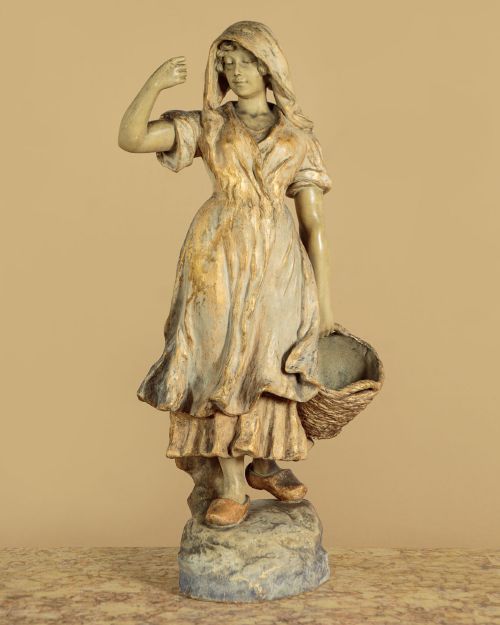
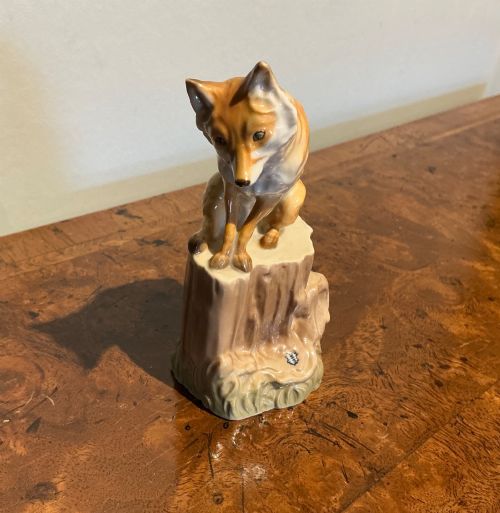
Painted ceramic sculpture brings character and colour to a room through modelled figures and animals rendered in terracotta, porcelain, and earthenware.
Painted Ceramic Sculpture
A painted ceramic sculpture combines the plastic art of modelling with applied surface decoration, encompassing figures, animals, and vessels across multiple centuries.
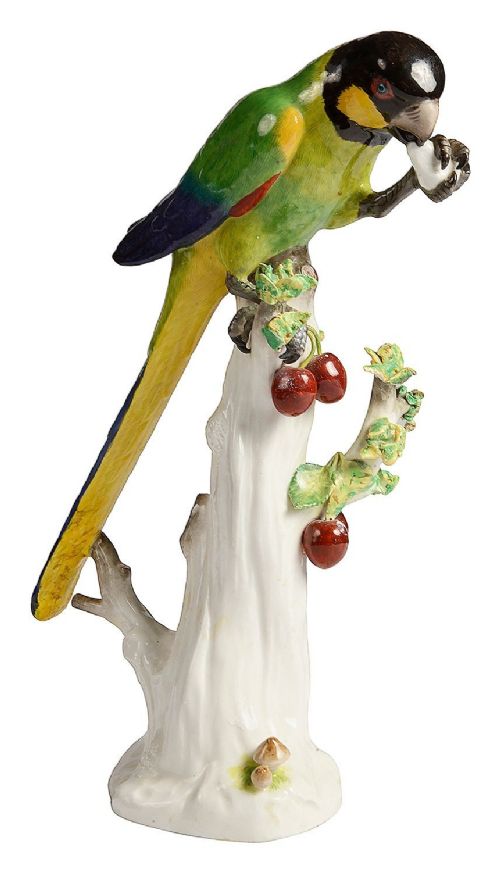
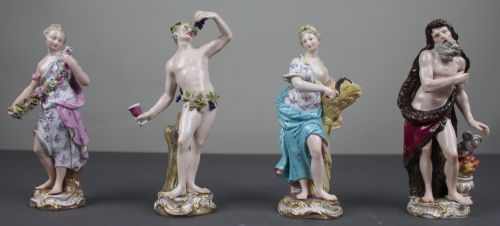
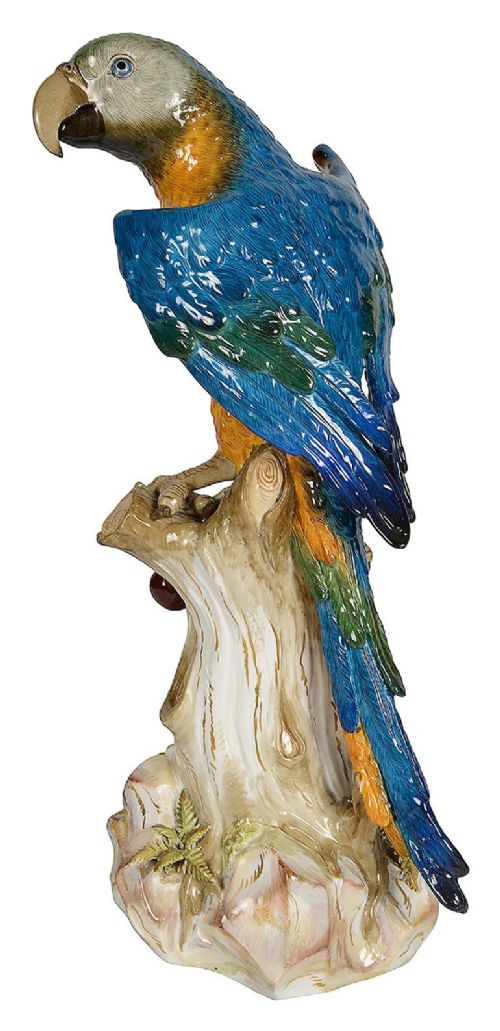
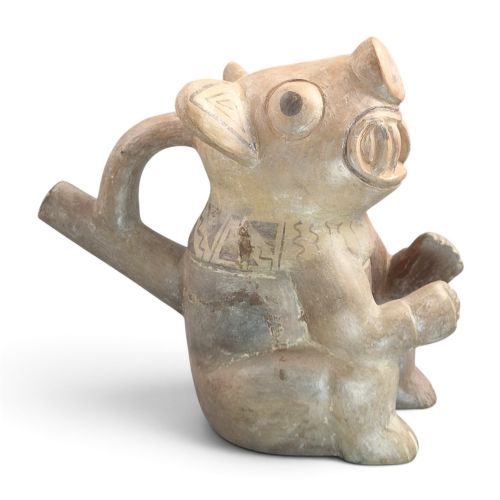
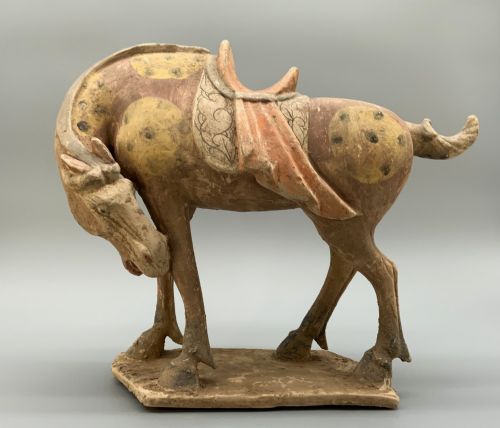
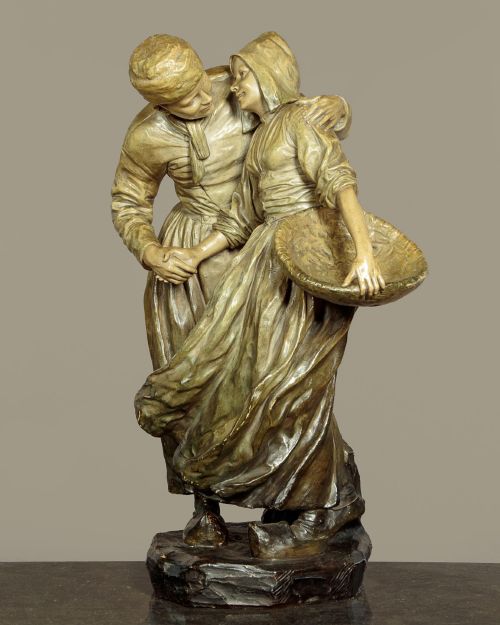
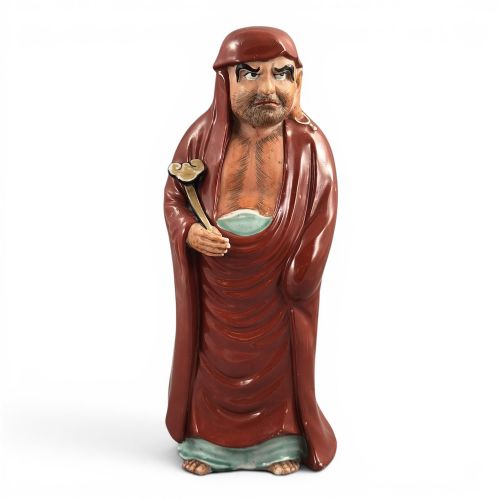
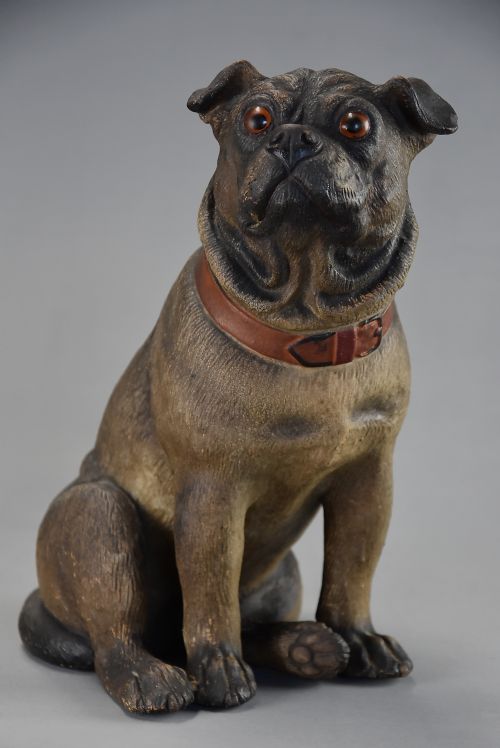
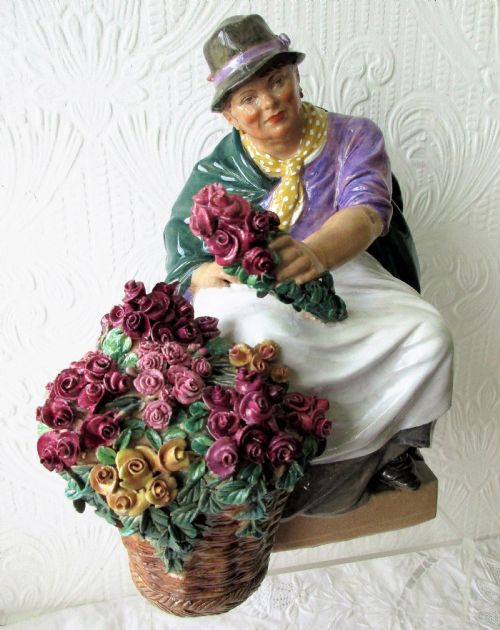
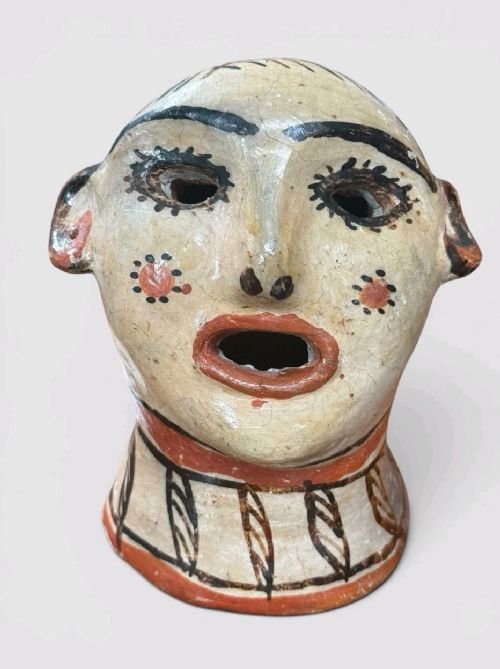
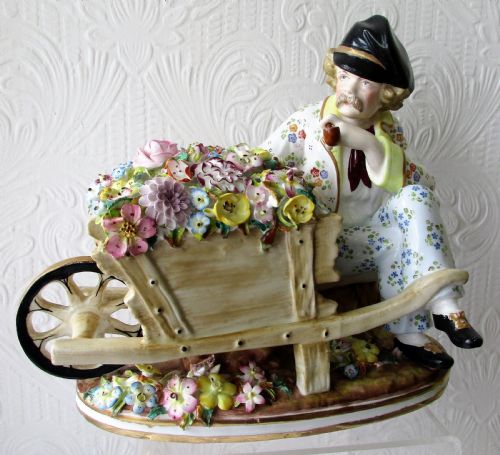
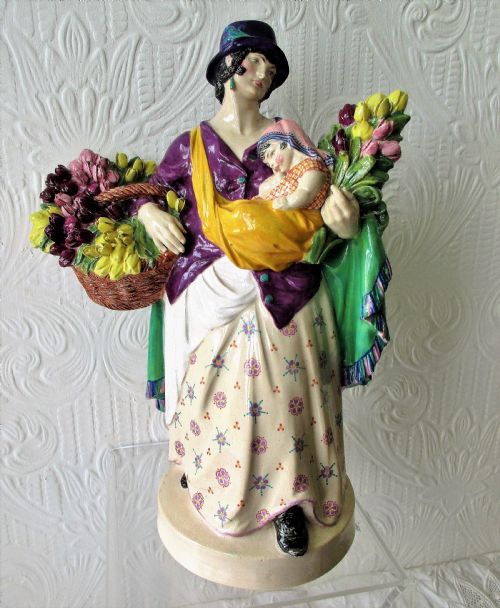
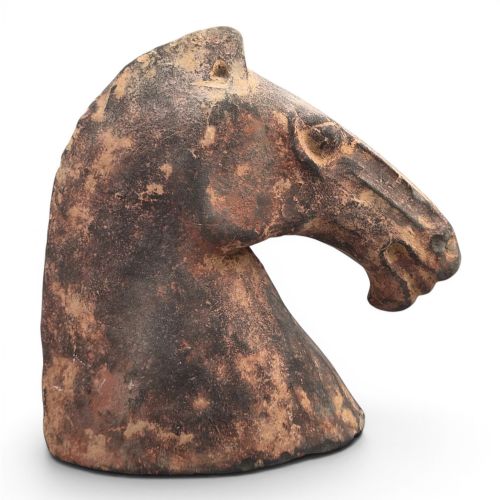
The pieces on this page span European factories, Asian traditions, and studio pottery, ranging from large Austrian terracotta animals to delicate 18th-century Meissen porcelain pairs and Chinese tomb figures.
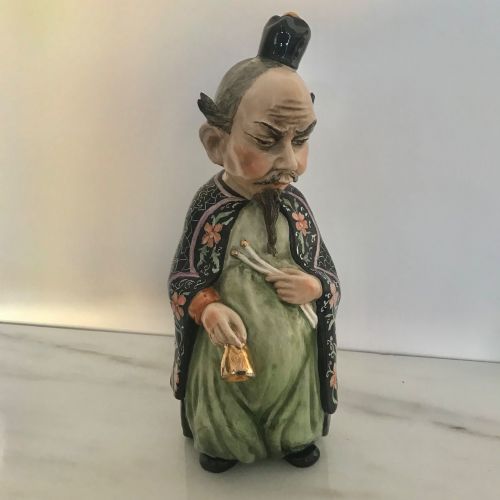
Figurines and larger sculptural forms most frequently appear here, reflecting domestic display pieces, classical subjects, and traditional folk art.
Materials and Technique
Makers shaped these works from clay, terracotta, hard-paste porcelain, and earthenware, often using moulds for complex multi-figure groups or hand-modelling for unique studio pieces.
Surface colour relies on applied paint, enamel, gilt, and lead or sancai glazes, fixed by kiln firing either before or after the pigments were added.
Listings feature works spanning from ancient Chinese pottery to 20th-century studio ceramics, utilising terracotta, hard-paste porcelain, and enamel.
Defining Quality
The integrity of the glaze or paint surface alongside the balance of the composition distinguishes standard production output from pieces produced by premier European factories and master modellers.
Meissen·Goldscheider·Royal Worcester·Charles Vyse·Kutani
The Painted Ceramic Sculpture Glossary
- Terracotta
- Fired unglazed clay ranging from buff to deep red in colour. It provides a porous body well-suited to detailed portrait busts and large animal sculptures.
- Hard-Paste Porcelain
- A dense, vitrified ceramic composed of kaolin and petuntse fired at high temperatures. It allows for crisp moulding and holds bright enamel colours securely.
- Enamel
- Opaque glass-based pigment fused to the ceramic surface during a secondary low-temperature kiln firing. It provides the vibrant palette seen on many figures.
- Bocage
- An applied background of leaves and branches common on 18th-century porcelain figures. It frames pastoral scenes and strengthens delicate porcelain compositions.
- Sancai
- A three-colour lead glaze technique used on Chinese pottery. The glazes run and intermingle during firing to create rich mottled effects.
Painted Ceramic Sculpture: Frequently Asked Questions
How do I clean a painted ceramic sculpture?
Dust these pieces gently with a soft dry brush, avoiding water or chemical cleaners that might lift fragile applied paint or gilt.
Porcelain figures with stable glazes tolerate very gentle wiping with a damp cloth, but terracotta and studio pottery require dry maintenance to protect their porous surfaces.
What is the difference between porcelain and terracotta figures?
Porcelain figures are fired at high temperatures from refined clay and feature glossy glass-like glazes or hard enamel paints. They tend to be smaller and more intricate.
Terracotta pieces use coarser clay fired at lower temperatures, leaving an unglazed or painted matte surface that allows for large-scale modelling and warm earthy tones.
How can I tell an 18th-century figure from a later copy?
Early figures show subtle variations in hand-painting, lighter weight due to thinner potting, and specific factory marks pressed or painted into the base. Later revival pieces often feel heavier and display mechanical uniformity in their decoration.
Examining the underside reveals unglazed foot rims and factory stamps characteristic of specific periods like the Georgian or Meissen eras.
Where were these sculptures displayed historically?
European porcelain figures decorated formal dining tables as sugar works substitutes or adorned mantelpieces in elite drawing rooms. Terracotta and larger earthenware animals stood in conservatories, halls, and gardens.
Asian figures often served ritual or domestic devotional purposes before entering Western collections as decorative display objects.