


Painted Ceramic Pottery
Painted ceramic pottery spans centuries of diverse vessels and figures decorated with coloured glazes and pigments.
Painted Ceramic Pottery
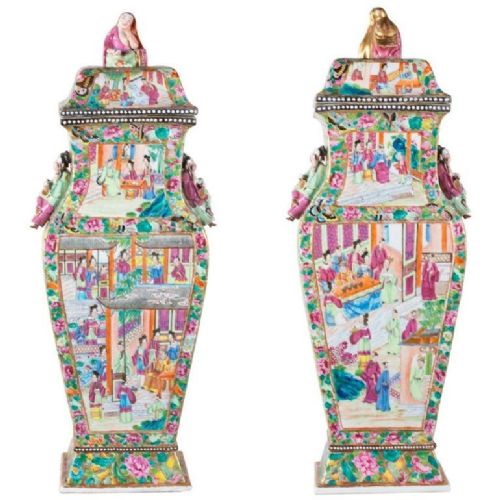
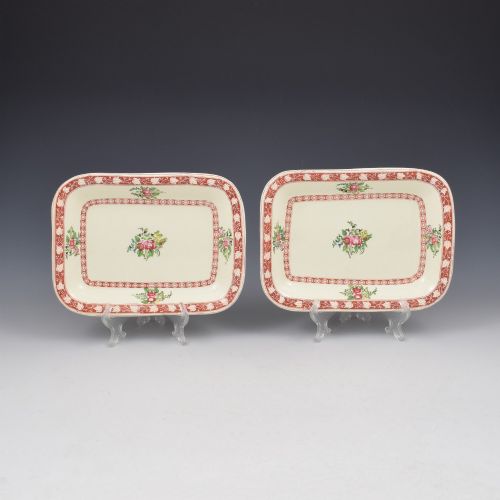
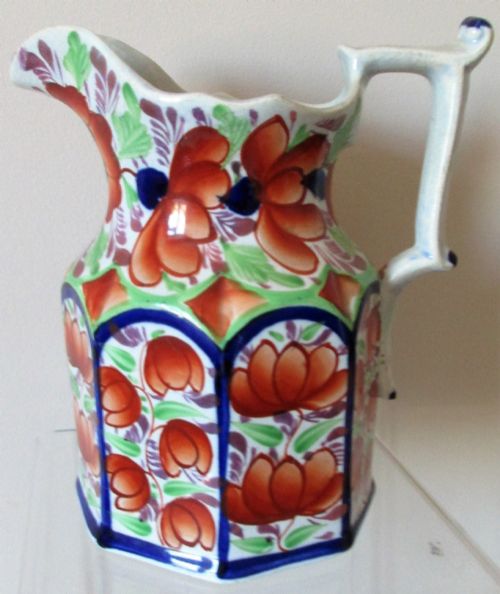
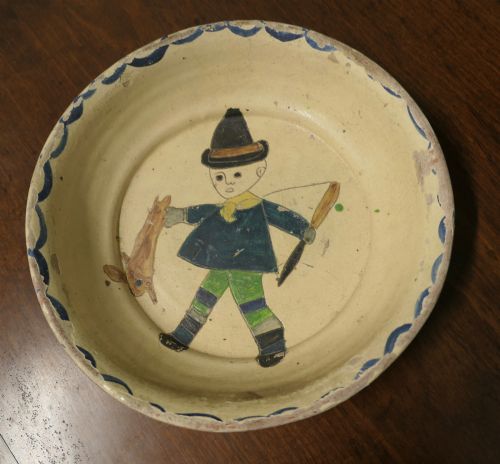
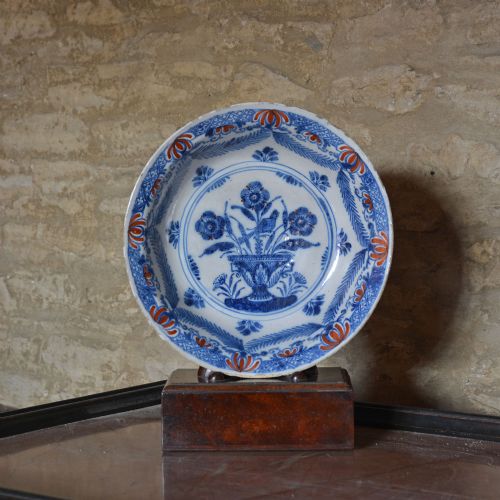
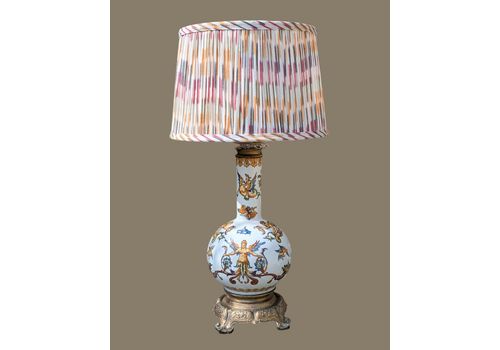
Buyers seeking painted ceramic pottery encounter a wide array of objects ranging from functional vessels to decorative display pieces. Vases, bowls, chargers, and figures dominate the selections across various historical periods.
The assortment includes English creamware, Dutch Delftware, Japanese Satsuma, and Staffordshire earthenware. Pieces span from the eighteenth century through the early twentieth century, showing global influences and techniques.
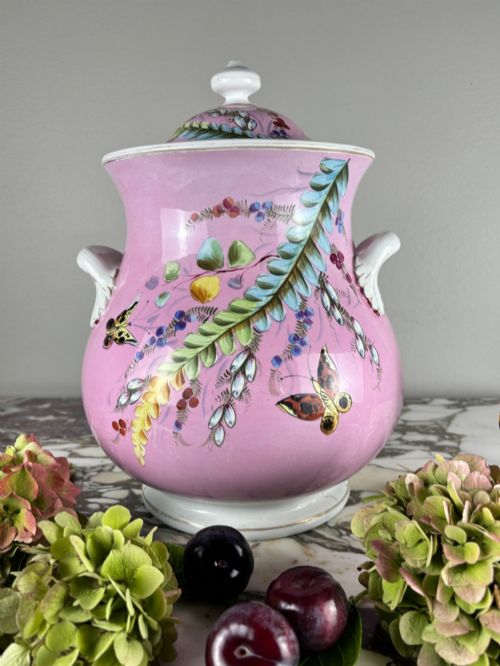
Domestic items such as cider mugs, tea canisters, and ice pails sit alongside purely ornamental ewers and tulipieres. These objects demonstrate how utilitarian clay forms transformed into canvases for detailed hand painting.
Materials and production methods
Potters shaped ceramic, earthenware, ironstone, and porcelain into bodies before applying tin glaze, enamel, or standard glazes. Gold leaf accents sometimes appear on high-status wares.
Decoration relied on pigments applied directly to the surface, often under or over the final glaze layer. Firing fixed the colours and vitrified the clay bodies to varying degrees of hardness.
Painted Ceramic Pottery Retail Price Guide 2026
Typical asking prices for painted ceramic pottery among the pieces listed under this phrase on Sellingantiques today, from the lower quarter to the upper quarter. They describe what is for sale here now, not the wider market.
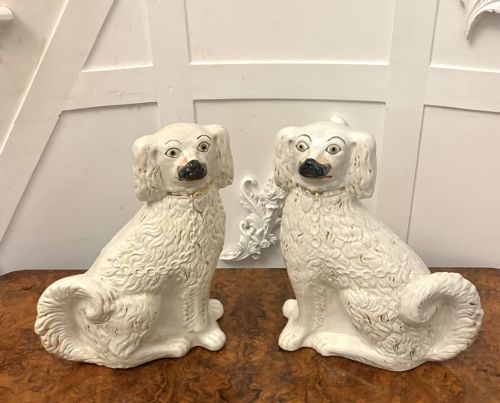
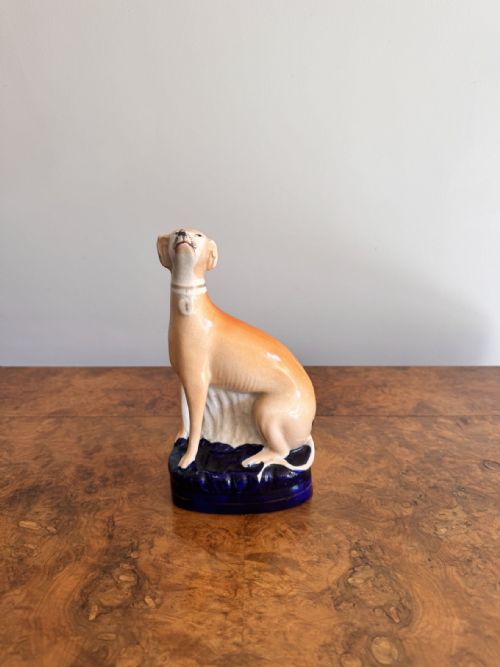
Staffordshire potters captured canine loyalty in ceramic, shaping spaniels and greyhounds to guard Victorian mantelpieces.
Distinctions in quality
Quality rests upon the precision of the brushwork and the complexity of the painted motifs. Master painters achieved finer lines, richer colour saturation, and more balanced compositions.
The refinement of the clay body and the smoothness of the glaze application contribute to a piece's standing. Potteries known for high standards maintained strict control over their firing processes to minimise surface flaws.
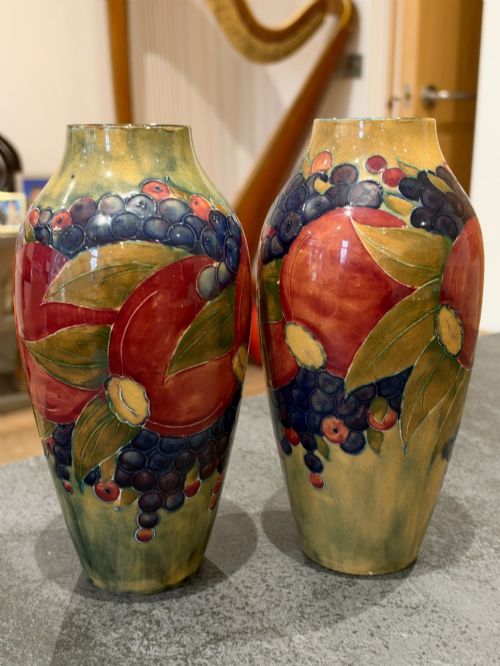
Moorcroft·Wemyss·Royal Crown Derby·Leeds Pottery
The Painted Ceramic Pottery Glossary
- Earthenware
- Porous pottery fired at lower temperatures, requiring a glaze to hold liquids. It forms the body of many traditional figures and domestic vessels.
- Tin-Glaze
- An opaque white glaze containing tin oxide, providing a smooth background for painted blue and polychrome designs. It characterises Delftware and majolica.
- Ironstone
- A heavy, durable type of earthenware patented in the nineteenth century to imitate porcelain. It resists chipping and bears vibrant enamel patterns.
- Imari
- A style of Japanese export ceramic featuring rich underglaze blue and overglaze iron red and gold. European factories frequently copied these distinctive palettes.
Painted Ceramic Pottery: Frequently Asked Questions
How do I clean antique ceramics?
Dust pieces gently with a soft, dry brush to remove surface particles. Avoid submerging older earthenware or items with delicate overglaze enamels in water.
Keep pieces away from direct sunlight and areas subject to rapid temperature changes. Moisture can infiltrate crazed glazes over time.
What is the difference between earthenware and porcelain?
Earthenware uses clay fired at moderate temperatures, resulting in a porous body that needs glazing. Porcelain employs refined white clay fired at high heat until it becomes vitrified and translucent.
Porcelain rings when struck and absorbs no moisture, whereas unglazed earthenware remains absorbent. Both media support extensive painted decoration.
How can I date a piece of pottery?
Examine the base for maker marks, impressed stamps, or hand-painted signatures. Style, palette, and glazing characteristics also provide clues to the manufacturing decade.
Compare the potting technique and weight with documented examples from specific factories. Crazing patterns and wear on the foot rim help confirm age.
Were these items used daily or displayed?
Many items like mugs, jugs, and bowls served practical functions in households before entering collections. Chargers, decorative vases, and figures were primarily intended for display.
Domestic wear often shows inside vessels or around rims. Purely decorative pieces tend to retain pristine surfaces.