




Painted Ceramic Mug
A painted ceramic mug brings hand-brushed scenes, bright enamels and solid historical weight straight to a mantel or cabinet.
Painted Ceramic Mug
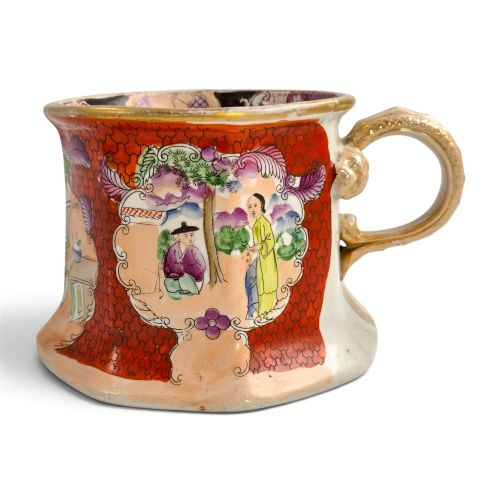
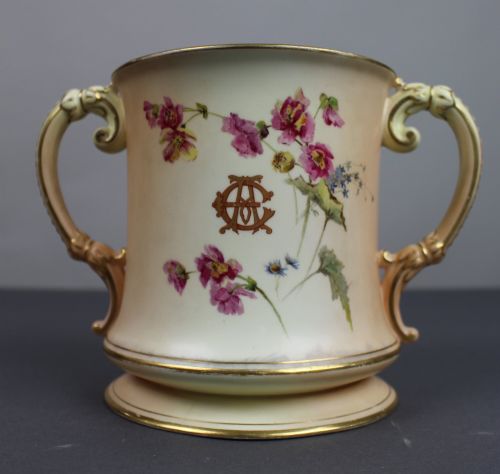
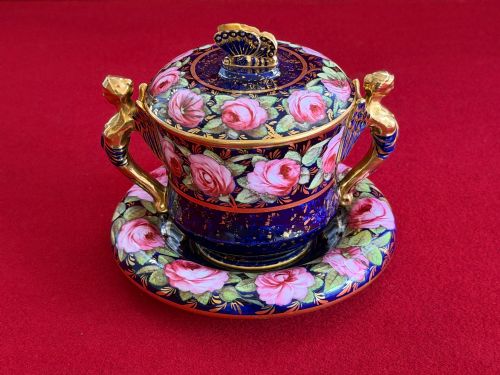
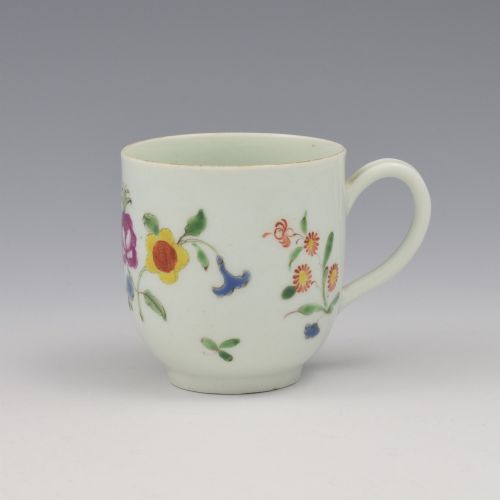
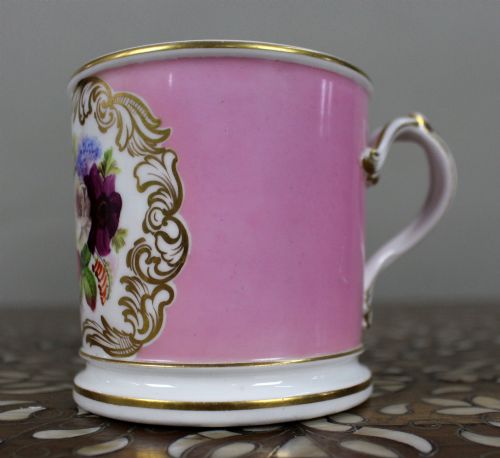
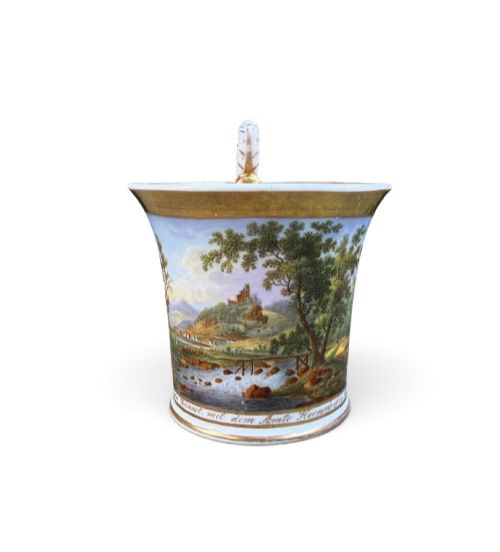
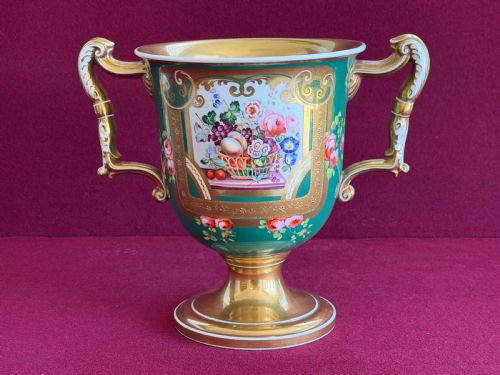
A painted ceramic mug gathers together drinking vessels, tankards, loving cups and cabinet pieces decorated by hand across several centuries. The selection ranges from robust earthenware and ironstone tavern vessels to delicate soft-paste porcelain chocolate cups.
Buyers seeking a painted ceramic mug will frequently encounter Georgian pieces alongside Victorian and Edwardian examples. These objects include Chinese export porcelain alongside regional English and European factories.
Forms vary from large cider mugs with hydra handles to diminutive tygs and coffee cups. Many serve as decorative vessels rather than everyday tableware.
How they were made
Potters shaped these vessels from earthenware, creamware, pearlware, ironstone or soft-paste porcelain before applying a clear or opaque glaze. Artisans then painted details using enamel colours, sometimes adding gold leaf or gilding to highlights.
Firing techniques locked the hand-brushed pigments into the surface beneath protective glazes. Factories such as Worcester, Derby and Lowestoft utilised specialised kilns to achieve their characteristic palette.
Painted Ceramic Mug Retail Price Guide 2026
Typical asking prices for painted ceramic mug among the pieces listed under this phrase on Sellingantiques today, from the lower quarter to the upper quarter. They describe what is for sale here now, not the wider market.
Listings span the eighteenth to the twentieth centuries, featuring earthenwares, ironstone and porcelain decorated with enamels and gold leaf.
What varies in quality
Quality rests in the precision of the hand-painted decoration, from finely rendered topographical scenes and Chinese figures to simpler folk patterns. Crisp brushwork and stable glazing separate standard production from superior cabinet pieces.
The choice of body material also defines the tier of the piece. Fine porcelain and translucent soft-paste bodies demand greater skill in manufacture than heavy earthenware or ironstone tankards.
Mason's·Royal Worcester·Spode·Richard Chaffers·Grainger Worcester·Berlin·Derby·H & R Daniel·Wemyss·Royal Vienna·Stevenson & Hancock·Lowestoft·Hadley Worcester
The Painted Ceramic Mug Glossary
- Pearlware
- A refined earthenware developed in the late eighteenth century with a bluish glaze that pooled in crevices. It provided a smooth white surface for hand-painted underglaze and overglaze designs.
- Loving cup
- A large drinking vessel featuring two or three handles, designed to be passed among company. They frequently recorded names, dates or special occasions.
- Soft-paste porcelain
- A glassy composition fired at lower temperatures than hard-paste porcelain. It yields a warm, creamy body that absorbs enamel colours with particular softness.
- Tyg
- A multi-handled earthenware or porcelain drinking vessel intended for communal use. Miniature versions appear in later porcelain production.
- Ironstone
- A durable, dense ceramic patented in the early nineteenth century. It combined earthenware clay with feldspar to resist chipping.
Painted Ceramic Mug: Frequently Asked Questions
How are soft-paste porcelain pieces identified?
Soft-paste porcelain displays a warmer tone and a slightly softer body than hard-paste porcelain. Under magnification, the glaze often shows minute bubbles and pooled areas where colours sank deep into the paste during firing.
These pieces were produced by factories like Worcester and Spode before industrial formulas standardised clay composition.
What periods do these ceramic mugs represent?
The pieces span the eighteenth, nineteenth and early twentieth centuries, covering Georgian, Regency, Victorian and Edwardian eras. Each period brought distinct aesthetic preferences, from hand-painted Chinese export scenes to topographical English views.
Styles shifted from delicate porcelain cabinet cups to robust ironstone cider mugs and folk pottery.
How were these vessels used historically?
Many served practical roles in taverns, households and barbershops for holding cider, beer, coffee or chocolate. Larger tankards and cider mugs accommodated group consumption.
Cabinet cups and miniature tygs functioned primarily as decorative display items rather than functional tableware.