


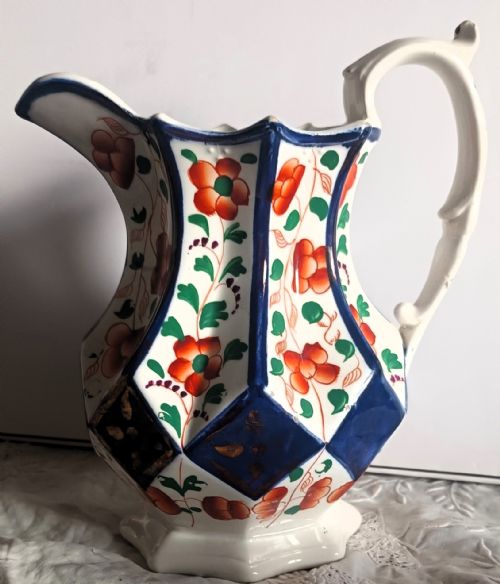
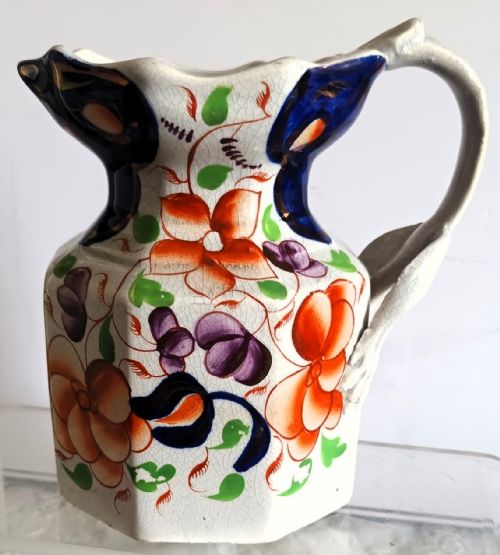
Painted Ceramic Jug
A painted ceramic jug brings hand-rendered pattern and vibrant colour directly to a table, combining utility with decorative art from centuries past.
Painted Ceramic Jug
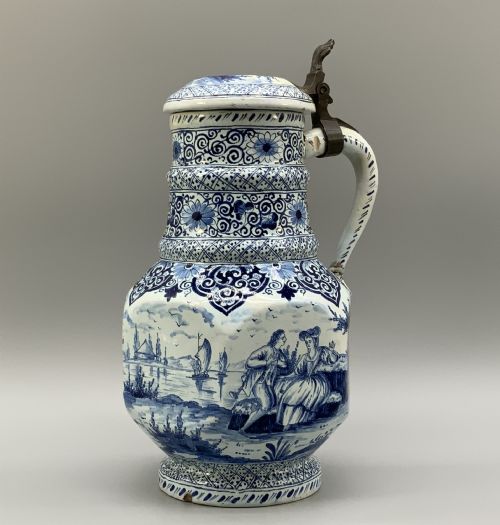
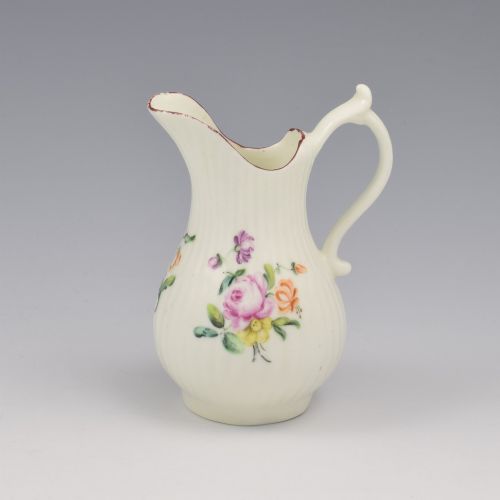
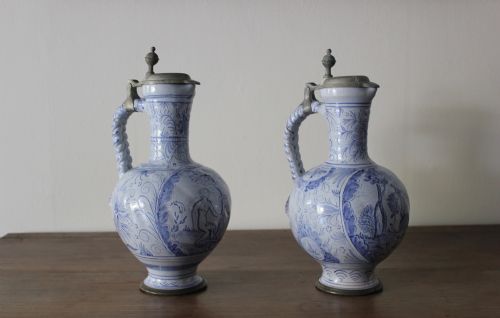
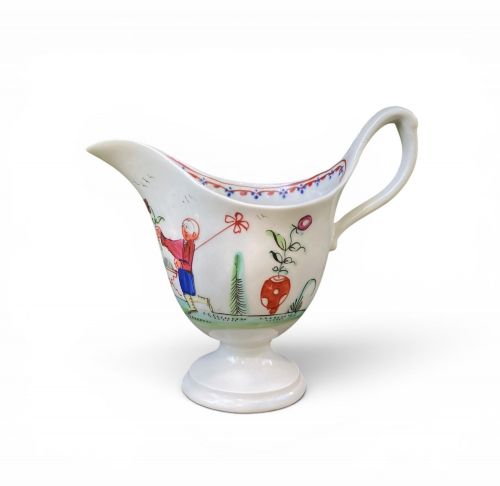
A painted ceramic jug represents a diverse group of historical vessels designed for pouring liquids, spanning domestic creamers to large display pitchers. When exploring a painted ceramic jug, the buyer encounters earthenware, porcelain, and tin-glazed varieties originating from English, Dutch, and other European potteries.
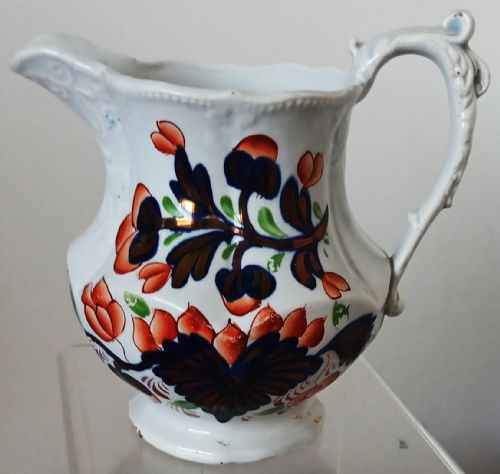
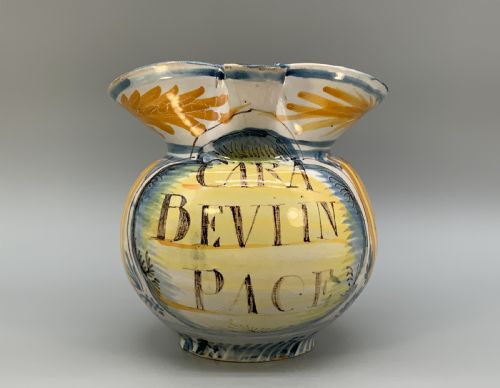
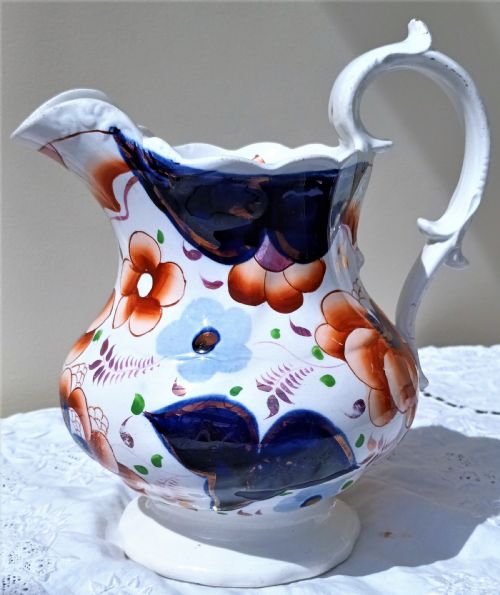
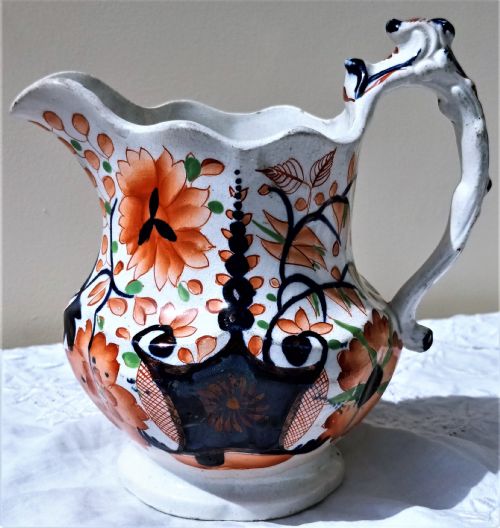
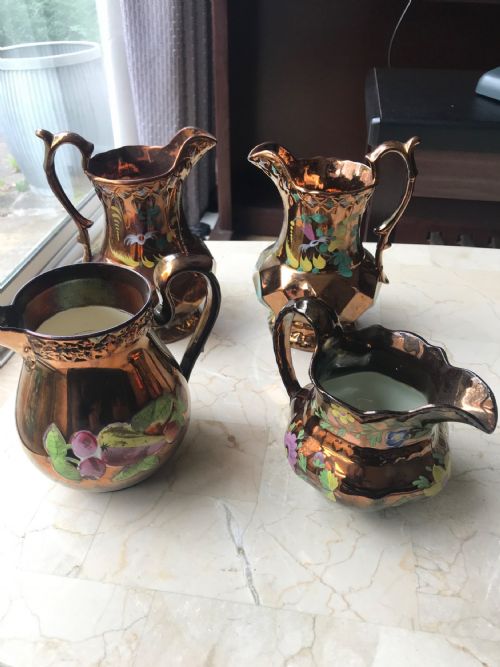
The selections on this page lean heavily towards nineteenth-century Victorian Gaudy Welsh earthenware patterns and eighteenth-century Dutch delftware. Alongside these, cream jugs and pitchers emerge from periods such as the Georgian era and the late nineteenth century, reflecting varied domestic uses from milk serving to water pouring.
Forms range from small handled creamers to large earthenware pitchers, featuring regional patterns like Bethesda or Grape. These vessels bridge utilitarian kitchenware and cabinet display pieces through their hand-applied surface designs.
How They Were Made
Potters shaped these vessels using earthenware, ironstone, pearlware, or porcelain, often employing moulds such as cabbage leaf designs or fluted baluster forms. Tin glaze and standard ceramic glaze provided the smooth white or cream foundation required for subsequent surface painting.
Artisans applied polychrome pigments, cobalt blue, gold leaf, and enamel by hand to create floral, architectural, or figurative scenes. Subsequent kiln firings fused these painted decorations into the glaze, sealing the colours beneath a protective glassy layer.
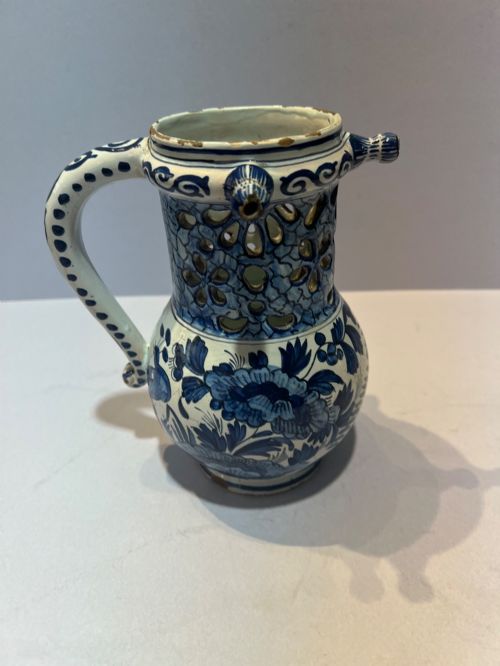
An eighteenth-century puzzle jug intentionally incorporates hidden spouts designed to spill liquid on unsuspecting drinkers.
What Varies in Quality
Quality rests on the crispness of the moulded form and the precision of the hand-painted brushwork. Superior examples display confident, detailed pigment application without smudging, while lesser pieces show hasty decoration and uneven glaze pooling.
The sophistication of the palette and the reputation of the producing factory determine the upper tiers of the range. Early porcelain bodies and intricate tin-glazed tin-glaze work demand greater technical mastery than standard nineteenth-century earthenware production.
Derby Porcelain·New Hall·H and R Daniel·Royal Worcester·Chamberlain Worcester·Doulton Burslem·Gien Faience
The Painted Ceramic Jug Glossary
- Tin Glaze
- A lead glaze made opaque by the addition of tin oxide, providing a white background for painted decoration. This technique defines traditional delftware and faience production.
- Gaudy Welsh
- A style of colourful earthenware pottery featuring rich cobalt blue, copper lustre, and iron-red floral patterns. These wares date largely from the nineteenth century.
- Pearlware
- A refined earthenware developed in the late eighteenth century featuring a subtle bluish glaze that pooled in recesses to imitate Chinese porcelain.
- Ewers
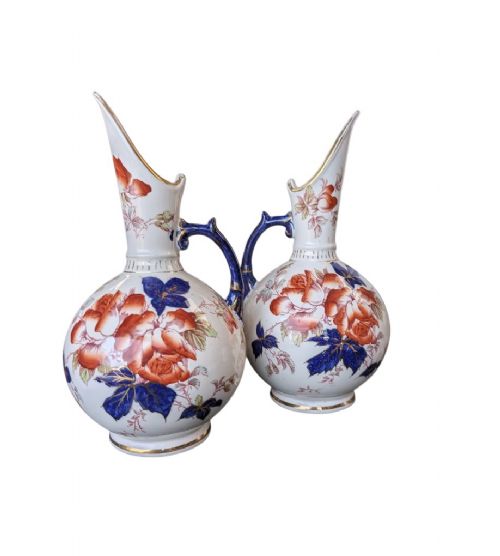
- Large jugs or pitchers featuring an enlarged spout and an ornate handle, often treated as ornamental showpieces rather than everyday tableware.
- Toby Jug
- A pottery jug modelled in the form of a stout, jovial person wearing a eighteenth-century cocked hat. They frequently depict figures like Lord Nelson or traditional characters.
Painted Ceramic Jug: Frequently Asked Questions
What were painted ceramic jugs used for?
These vessels served practical domestic roles including pouring milk, cream, water, or tea at the dining table. Many larger forms also functioned as decorative display items in period homes.
Over time, certain pieces transitioned from everyday kitchen implements into cabinet collectibles prized for their hand-painted aesthetics.
What is Gaudy Welsh pottery?
Gaudy Welsh pottery consists of nineteenth-century earthenware decorated with vibrant cobalt blue, iron red, green, and copper lustre highlights. These colourful patterns were produced widely for domestic markets.
Common pattern names include Bethesda, Grape, and Pagoda, applied over a white ceramic ground.
How should I display a ceramic jug?
Place jugs on sturdy shelves or inside glass-fronted cabinets away from direct, harsh sunlight to protect any enamel or gold leaf decoration. Ensure they rest on stable surfaces where accidental knocks are prevented.
Group pieces by material or period, such as pairing blue and white delftware with contrasting polychrome earthenware.