

Painted Ceramic Fruit Bowl
These painted ceramic fruit bowl pieces bring rich colour and patterned depth to a table, combining utility with fine decorative craft.
Painted Ceramic Fruit Bowl
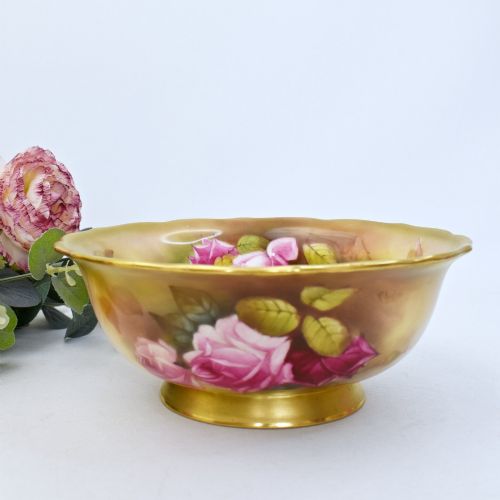
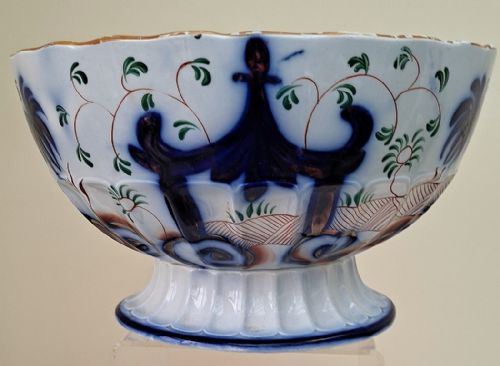
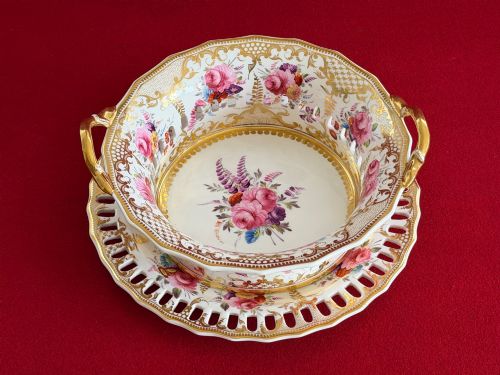
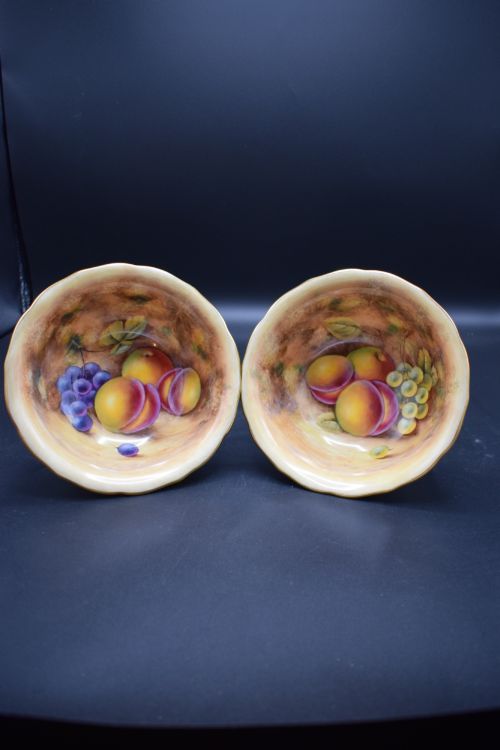
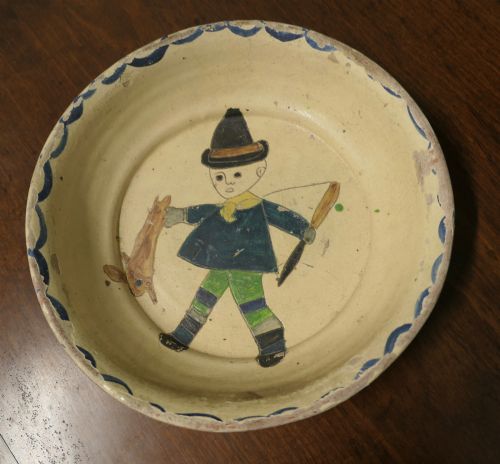
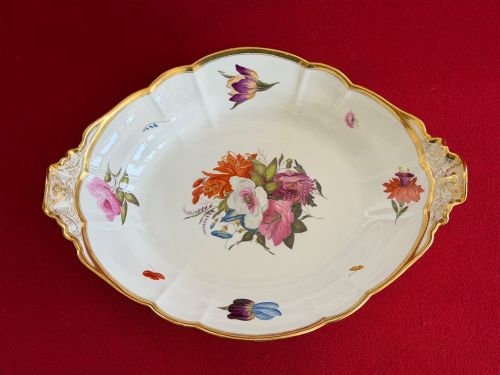
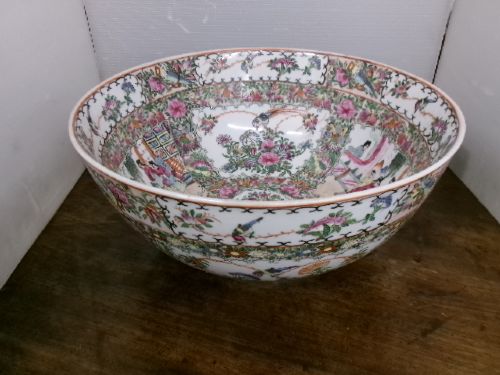
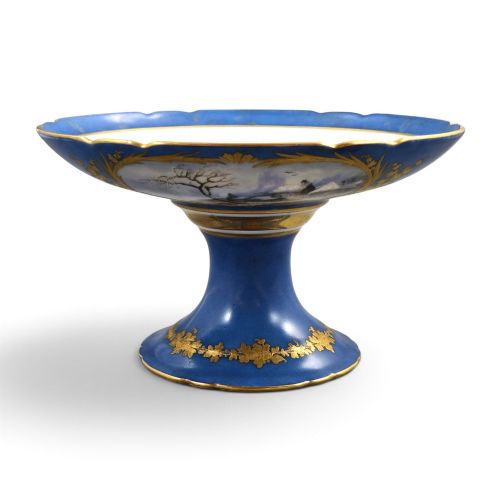
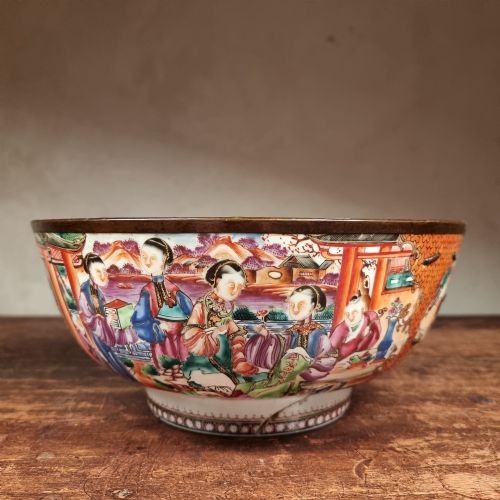
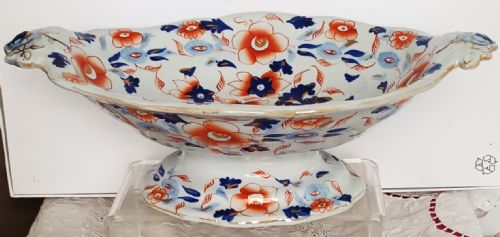
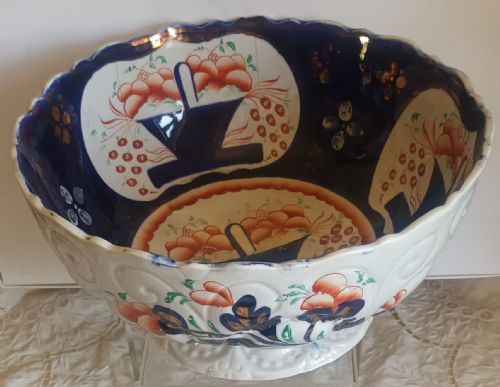
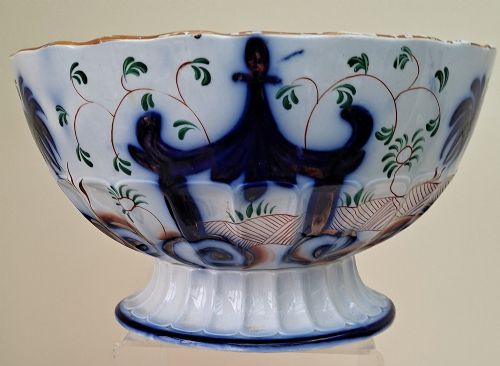
A painted ceramic fruit bowl serves as a table centrepiece or decorative vessel, appearing in forms such as deep footed bowls, comports, pedestal dishes and dessert baskets. The selection spans centuries of production, from eighteenth-century Continental punch bowls and Georgian ironstone to Victorian Gaudy Welsh earthenware and twentieth-century porcelain.
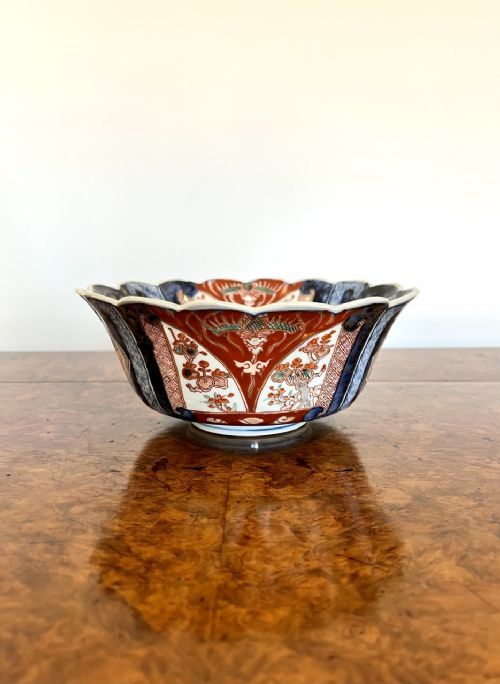
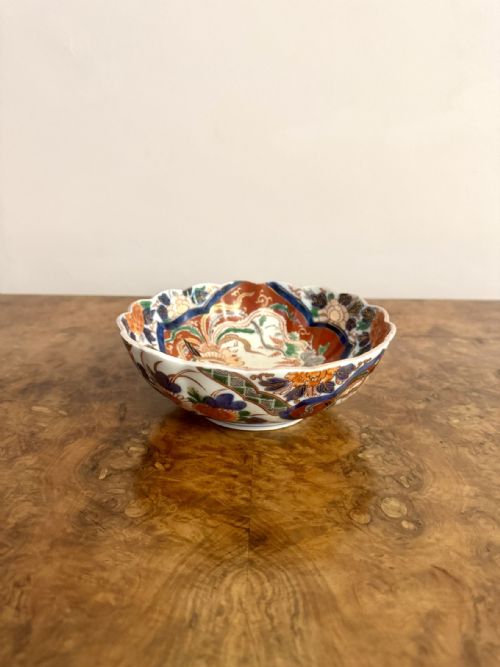
Makers and makers' studios across England, France, Germany, China and Japan created these vessels for both daily dining and formal display. Buyers frequently encounter nineteenth-century Japanese Imari patterns alongside English bone china and porcelain pieces decorated by named ceramic artists.
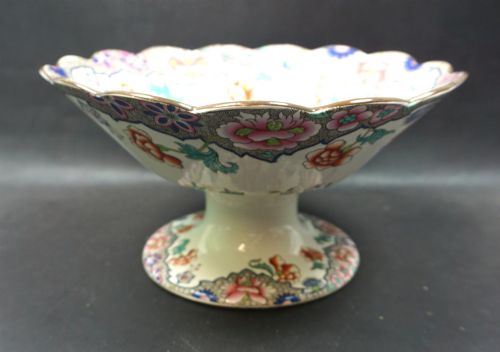
The assortment includes specialised forms like rose bowls, tazzas and fruit-decorated dessert dishes, showing the diverse ways potters shaped clay and porcelain for domestic interiors.
Materials and construction
Potters shaped these vessels from earthenware, ironstone china, bone china, terracotta slipware and hard-paste porcelain, applying glazes to seal the porous bodies. Kiln firing fixed the foundational shape before artisans decorated the surfaces.
Hand-painted pigments, underglaze cobalt, and enamels provided the primary colour palettes, often supplemented with gilt, gold leaf or intricate slip trails. Some factories employed specialised decorators to hand-colour botanical or scenic motifs directly onto the glazed surface.
Painted Ceramic Fruit Bowl Retail Price Guide 2026
Typical asking prices for painted ceramic fruit bowl among the pieces listed under this phrase on Sellingantiques today, from the lower quarter to the upper quarter. They describe what is for sale here now, not the wider market.
Some nineteenth-century German centrepieces feature cheerful porcelain cherubs climbing the rims to supervise the fruit.
Assessing quality
Quality rests on the crispness of the hand-painted brushwork, the precision of the glaze application and the fineness of the porcelain body. Pieces decorated by documented artists or produced by notable factories display superior control over line and colour saturation.
The integrity of the form, whether a scalloped edge on an Imari bowl or pierced gallery work on a punch bowl, dictates the success of the piece. Preservation of the original gilt and enamel layers without heavy rubbing separates standard production items from finer display ceramics.
Royal Worcester·Spode·Barr Flight And Barr·Sevres·Royal Doulton·Maling·Chamberlain Worcester
The Painted Ceramic Fruit Bowl Glossary
- Comport
- A raised dish or bowl on a foot, used for serving fruit or dessert. These stand higher than standard table bowls.
- Imari
- A style of Japanese porcelain decorated in underglaze blue, iron red, and gold. It was widely exported to Europe and copied by Western potteries.
- Felspar porcelain
- A translucent ceramic body introduced by English factories in the nineteenth century. It contains feldspar to increase durability and whiteness.
- Tazza
- An ornate shallow bowl or cup mounted on a pedestal. It functions primarily as a decorative centrepiece on a table or sideboard.
- Famille rose
- A major palette of Chinese ceramic glazes featuring opaque pink or rose enamel. The style emerged during the Qing dynasty and spread through export markets.
Painted Ceramic Fruit Bowl: Frequently Asked Questions
What is a painted ceramic fruit bowl used for?
These vessels were historically utilised to hold fresh fruit or serve punch and desserts at formal dining tables.
Today, they function primarily as decorative centrepieces on sideboards, tables, and open shelving.
How do I care for an antique bowl?
Wash ceramic and porcelain pieces by hand in warm water using a mild soap, avoiding harsh scrubbing brushes.
Keep them away from direct sunlight to preserve the stability of hand-painted enamels and gilt highlights.
What period do these bowls come from?
The available selection spans from the eighteenth century through the Georgian and Victorian eras up to the mid-twentieth century.
Victorian and late nineteenth-century pieces appear most frequently, alongside early twentieth-century porcelain and earthenware.