

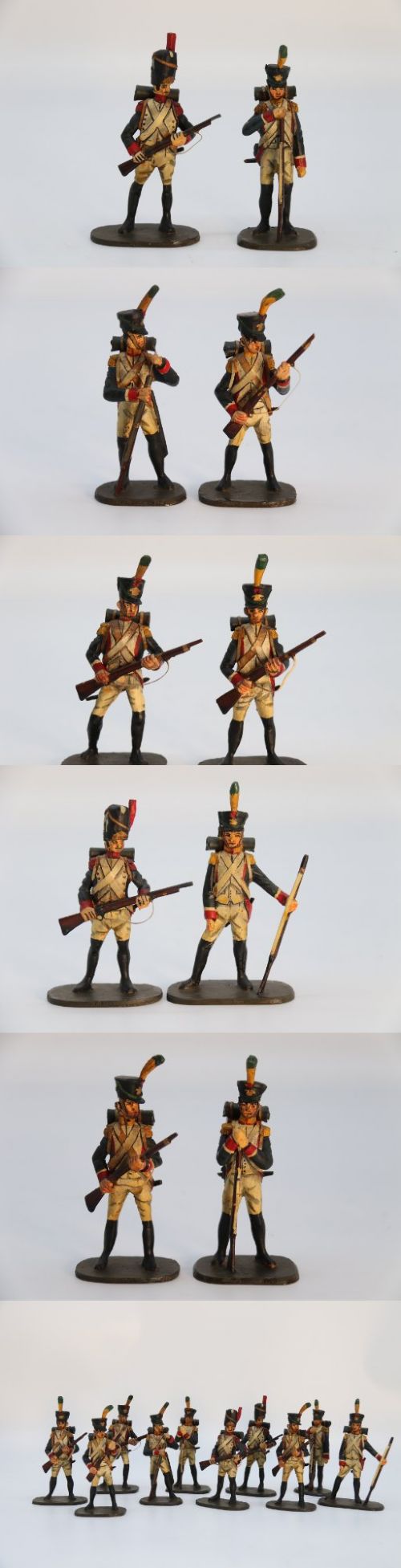
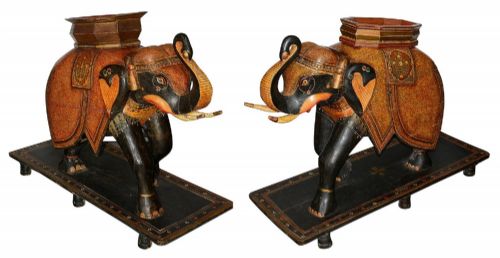

Painted Carved Wood Statues
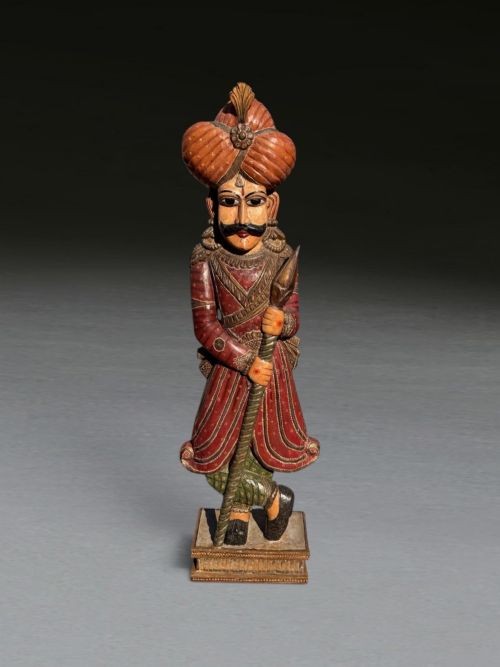
These painted carved wood statues bring rich colour and character into a room through centuries of global folk and religious artistry.
Painted Carved Wood Statues
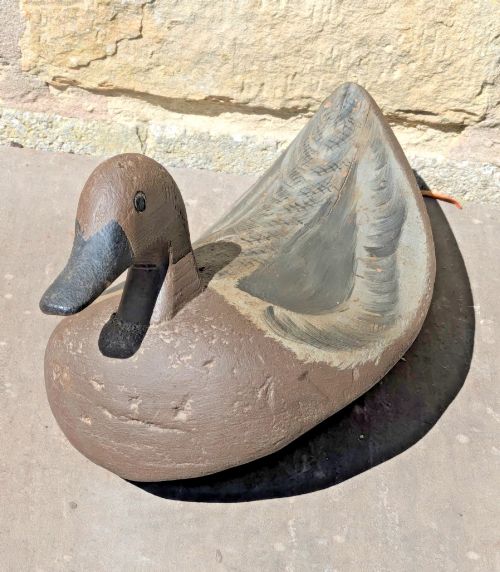
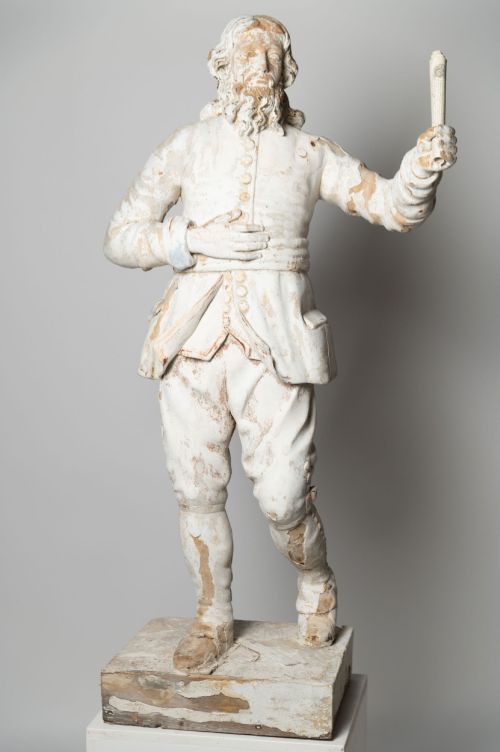
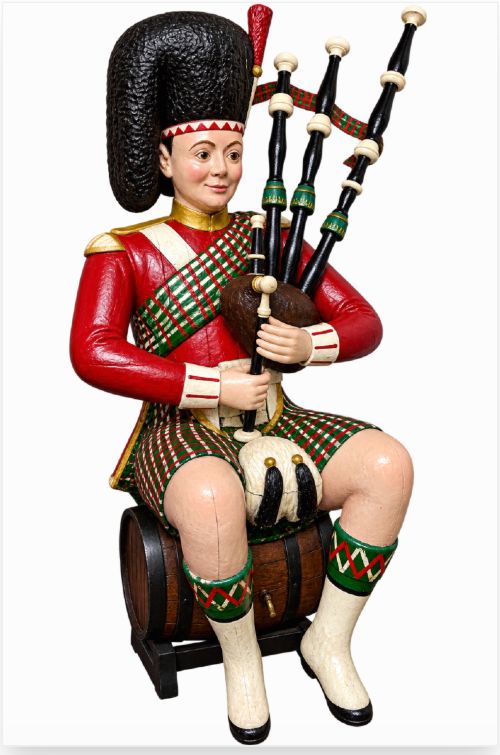
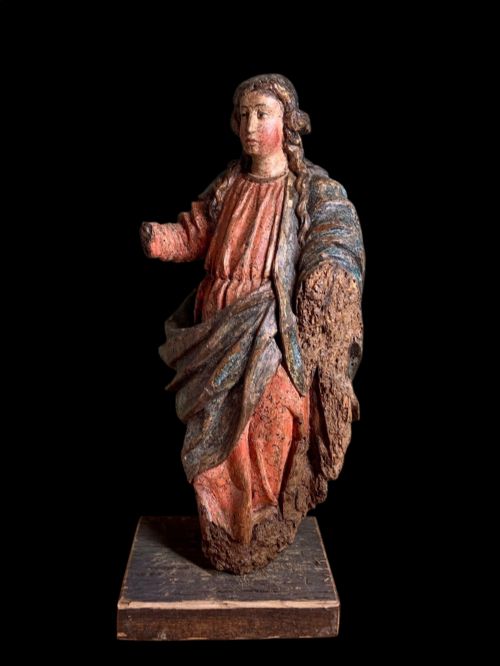
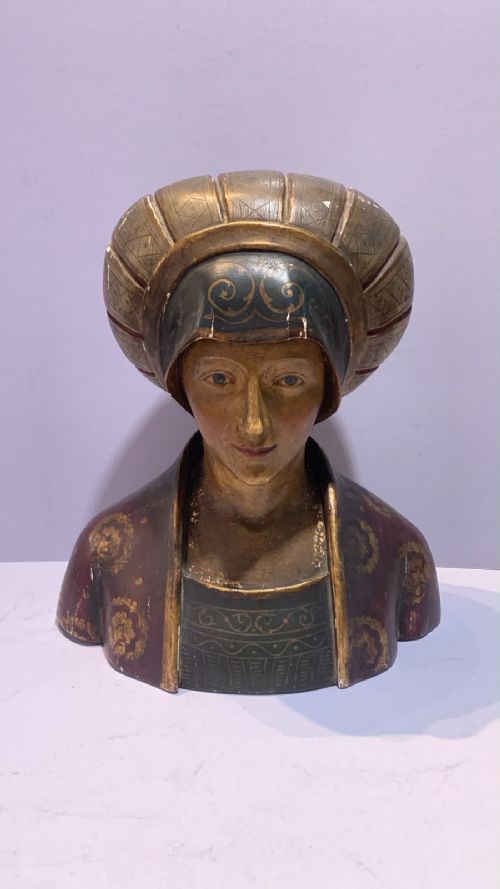
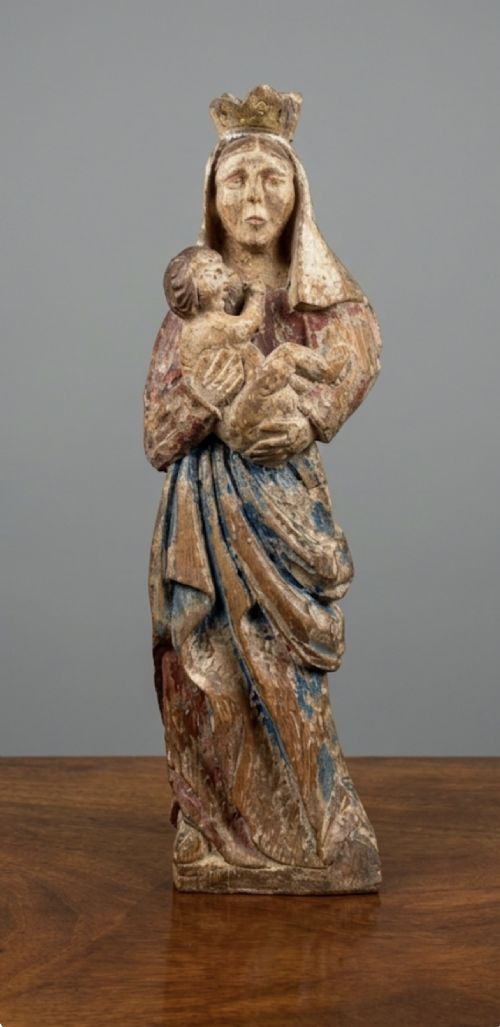
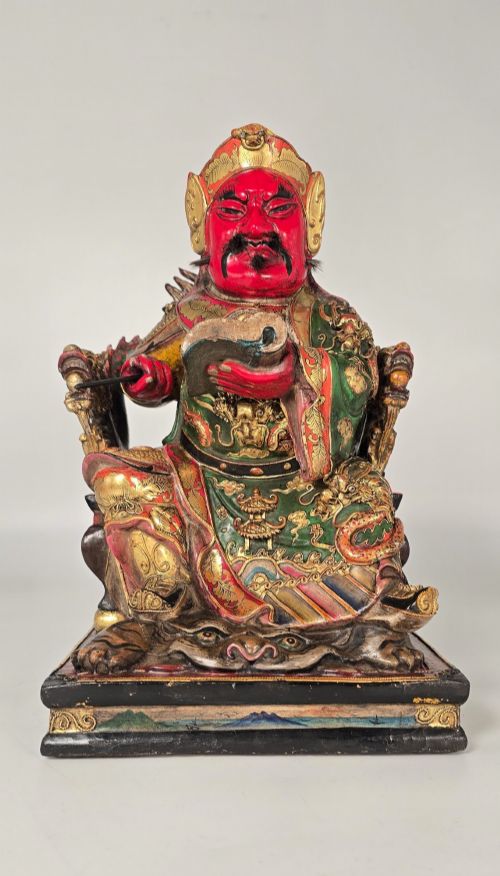
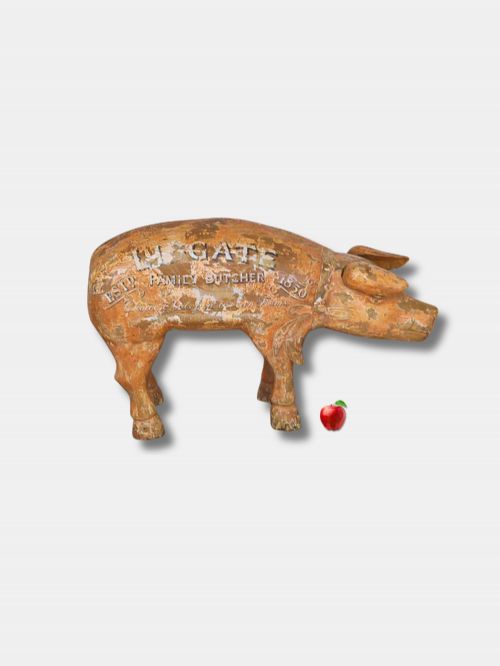
Painted carved wood statues span centuries of domestic devotion, commercial trade, and folk tradition from various global origins. When searching for painted carved wood statues, buyers encounter diverse forms ranging from European saints and noblemen to Asian scholars, trade figures, and animals.
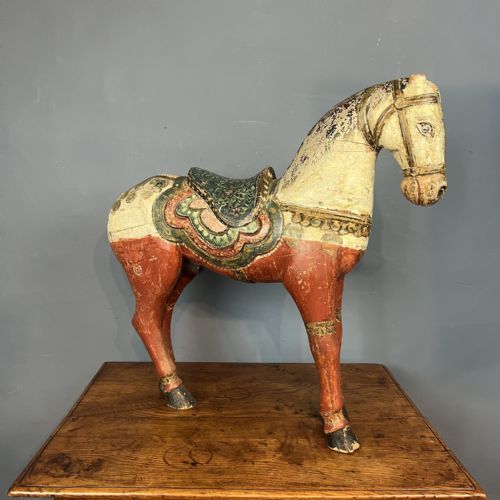
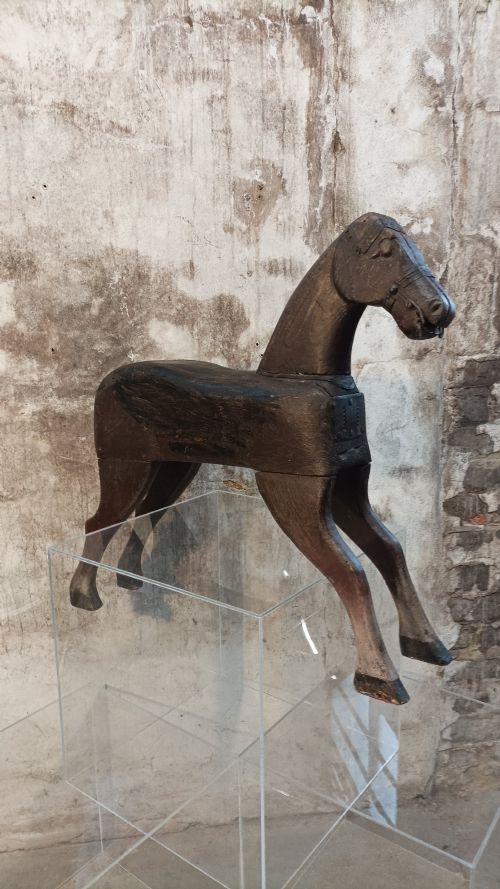
The selection on this page leans heavily towards nineteenth-century European and Asian examples, alongside significant eighteenth-century religious works. Figures of saints, soldiers, horses, and cultural effigies dominate the material recorded in the listings.
Objects vary from small devotional carvings to life-size trade figures and animals. Each piece reflects the specific cultural context of its maker, whether through folk art simplicity or classical European grand tour styling.
What varies in quality
The preservation of the original surface finish heavily influences desirability. Pieces retaining undisturbed polychrome paint, gesso, and gilding demonstrate higher integrity than those with extensive later overpainting or heavy stripping.
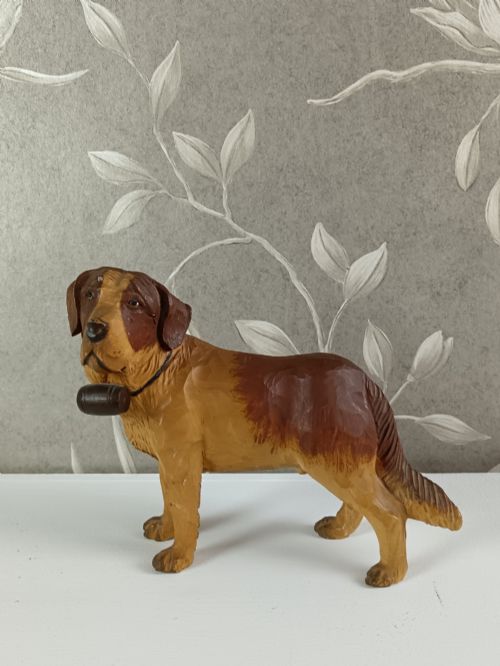
A Saint Bernard rescue dog carved from wood stands ready to assist travellers alongside wooden statues of aristocratic noblemen and butchers.
Bohumil Kafka
The Painted Carved Wood Statues Glossary
- Polychrome
- Decorated in multiple colours. This technique appears frequently on religious sculptures and trade figures to enhance realism.
- Gesso
- A plaster mix applied to wood as a base for paint or gold leaf. It creates a smooth surface for detailed decoration.
- Trade sign
- An eye-catching figure or object placed outside a shop to advertise a trade. Examples include figures of butchers, tradesmen, and indigenous effigies.
- Grand tour
- A nineteenth-century cultural excursion across Europe undertaken by the wealthy. Busts and small sculptures were often acquired as souvenirs of these travels.
- Folk art
- Artistic work produced from an indigenous culture or peasant society. These pieces show traditional motifs rather than academic training.
Painted Carved Wood Statues: Frequently Asked Questions
How do I clean a painted wooden statue?
Dust the surface gently with a soft, dry brush to prevent accumulation. Avoid using water, damp cloths, or chemical cleaners, as moisture damages aged paint and gesso.
Keep the statue away from direct sunlight and radiators. Extreme changes in temperature and humidity cause wood to expand and contract, which leads to cracking and flaking paint.
Are these statues intended for outdoor display?
These pieces belong indoors in stable environmental conditions. Exposure to rain, frost, and outdoor humidity destroys historic wood, gesso, and water-based pigments.
Position them away from damp exterior walls and heavy draughts. Stable indoor conditions preserve the integrity of the original carved wood and delicate surface finishes.
How can I tell original paint from later touch-ups?
Original paint typically shows natural craquelure, fading, and wear consistent with age. Under magnification, older layers reveal the accumulation of dirt settled into the microscopic crevices of the pigment.
Recent overpainting often sits flat on top of worn areas and fails to match the underlying patina. Ultraviolet light can help reveal modern pigment repairs and restorations on antique surfaces.
What does trade sign mean for these figures?
Trade figures served as physical advertisements outside nineteenth-century commercial premises. Carvers built sturdy wooden effigies to attract customers from the street into shops like butchers and tobacconists.
These pieces bear the marks of outdoor exposure and robust daily handling. Their weathered surfaces reflect working environments rather than quiet domestic display.