
Painted Canvas Female Portrait
When you search for a painted canvas female portrait, you enter a long tradition of oil on canvas portraiture spanning from the seventeenth century to the mid-twentieth century.
Painted Canvas Female Portrait
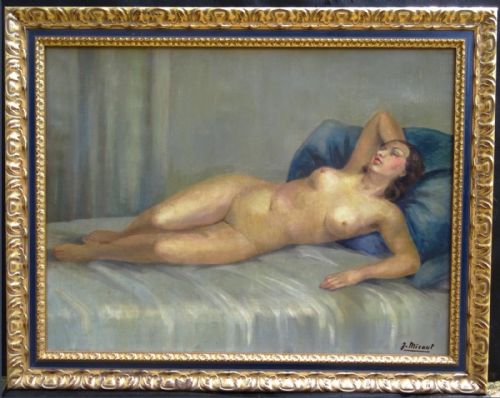
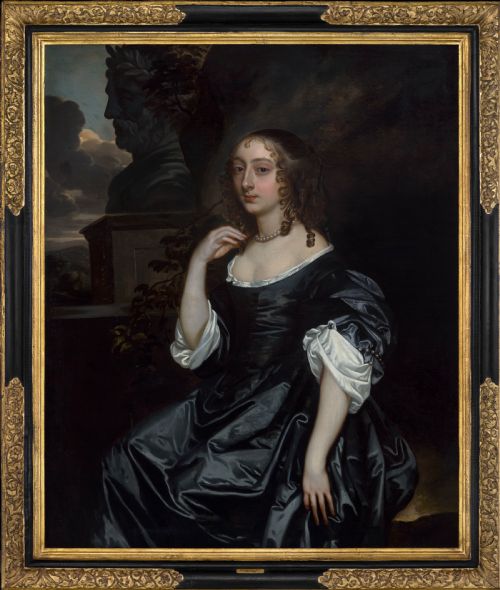
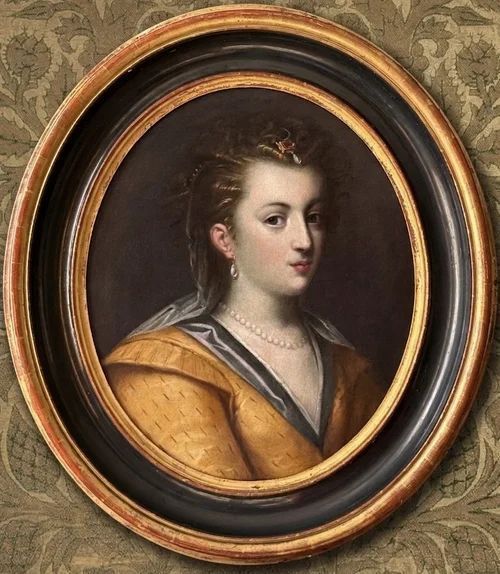
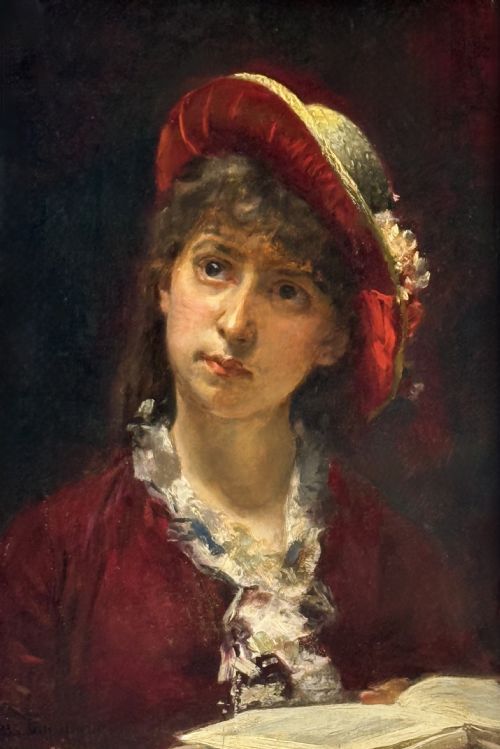
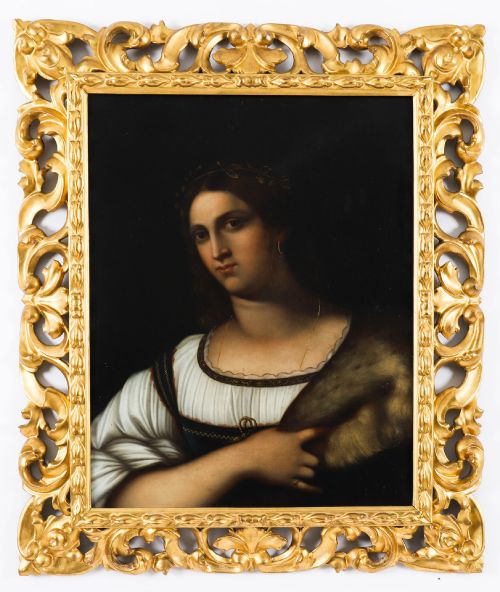
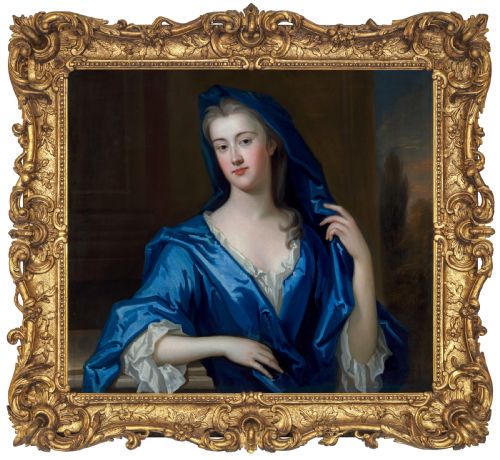
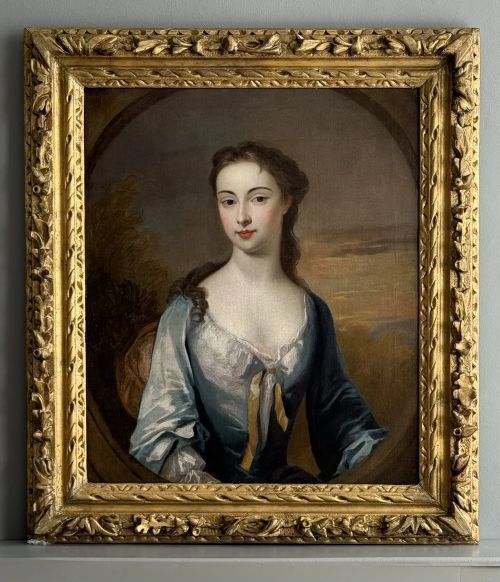
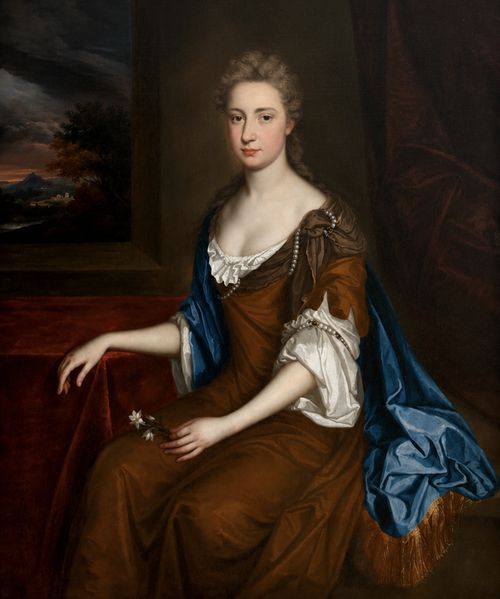
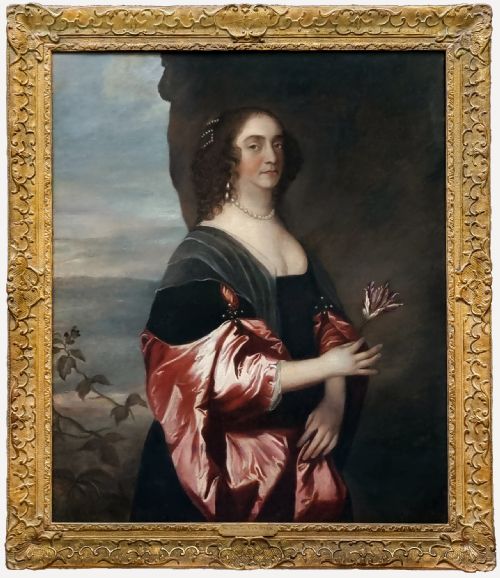
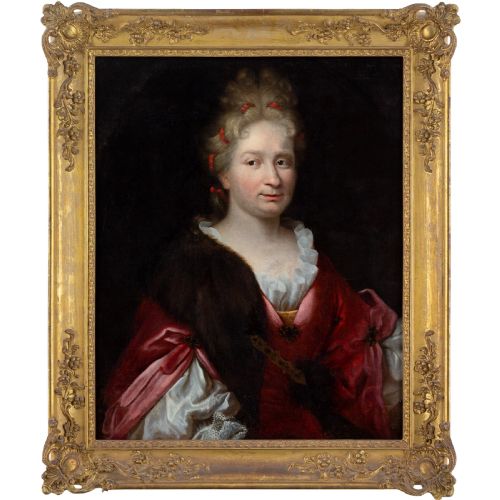
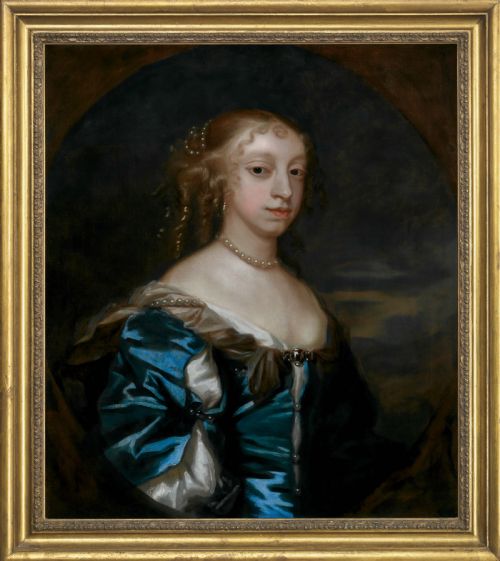
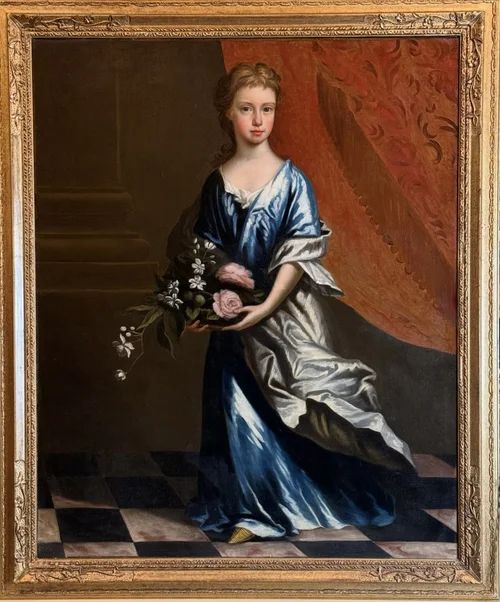
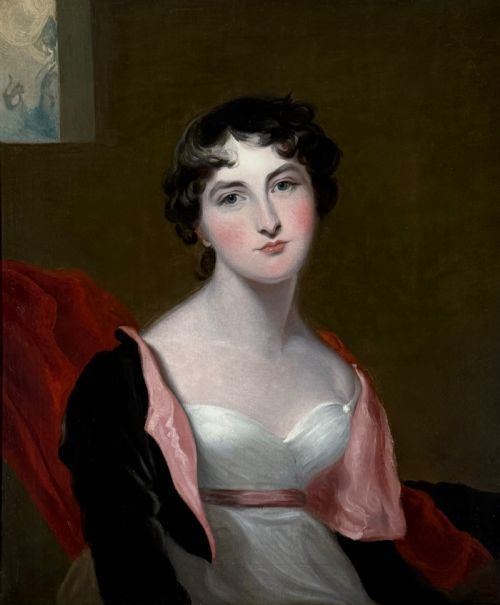
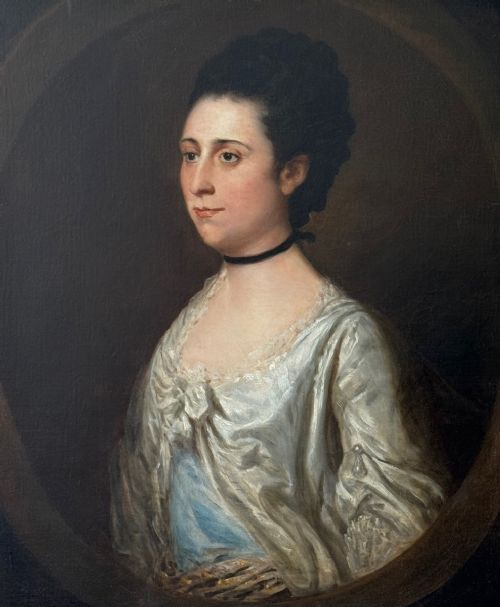
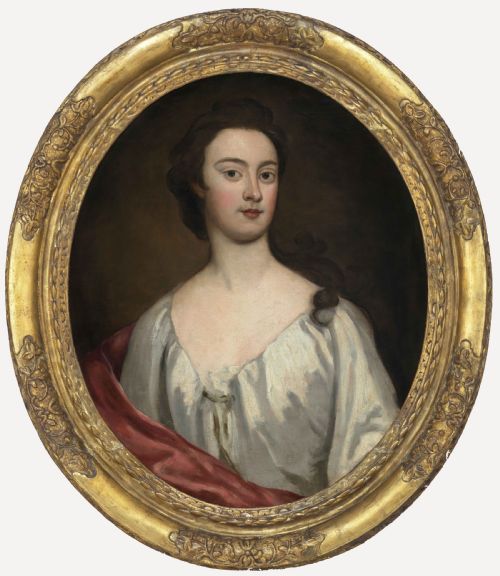
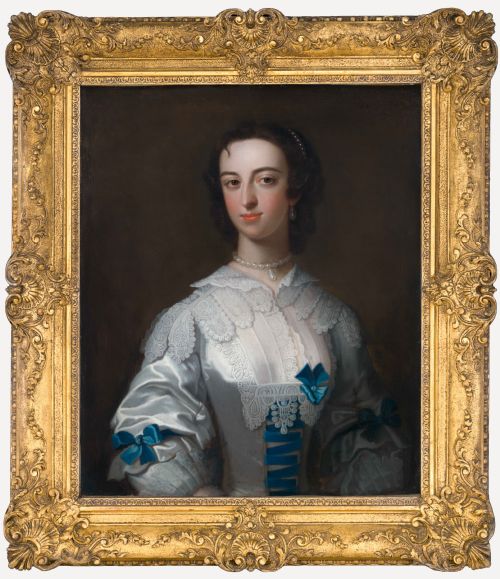
A painted canvas female portrait captures women of various eras, from seventeenth-century nobility to twentieth-century figures, rendered in oil paint on woven supports.
The pieces on this page encompass works from the 17th Century, 18th Century, 19th Century, and 1950, displaying distinct shifting fashions in dress and hairstyle.
Subjects range from named historical figures and members of landed families to anonymous country girls, elegant ladies, and theatrical sitters.
Materials and technique
Artists built these works using oil paint applied to stretched canvas, often housed within timber and giltwood frames.
Painters utilised layered pigments in oil to achieve deep folds in fabrics such as satin, silk, and velvet, alongside detailed facial expressions.
Many historical examples rely on traditional preparation of the canvas ground before the application of oil paint by hand.
The selection includes formal Georgian depictions alongside French School works and Edwardian pieces.
Assessing quality in portraiture
The distinction between standard studio output and a masterwork lies in the sensitivity of the brushwork and the anatomical accuracy of the hands and face.
Superior examples demonstrate a careful rendering of fabric textures, background details such as landscapes, and the subtle play of light upon skin.
Condition of the original canvas, stability of the oil paint layer, and the appropriateness of the surrounding gilt wood frame also influence the overall standard.
Charles Jervas·Sir Peter Lely·Robert Byng·Sir Thomas Lawrence·Thomas Beach·Jeremiah Davison·Henry Pickering·John Hayls·David Scougall·Sir Martin Archer Shee·George Willison·Pieter Borsseler·Francisco Jose de Goya y Lucientes·Kenneth Cozens·Eric Robertson·Jean Gabriel Domergue·John Opie·Toussaint Gelton
The Painted Canvas Female Portrait Glossary
- Oil on canvas
- A painting medium where pigments are suspended in a drying oil, applied to a woven fabric support stretched over a wooden frame.
- Giltwood
- Timber that has been coated with a thin layer of gold leaf or gilt powder, commonly found on historical picture frames.
- Circle of
- A designation indicating that a painting was produced by an artist working closely within the orbit or style of a known master, rather than by the master directly.
- Studio of
- A term used when a work originates from the workshop of a principal artist, often executed by assistants under supervision.
- Baroque
- An artistic style prevalent in the seventeenth and early eighteenth centuries, characterised by drama, rich colour, and dynamic movement.
Painted Canvas Female Portrait: Frequently Asked Questions
How do I date a painted canvas female portrait?
Dating relies primarily on the style of the sitter's dress, hair, and accessories, which changed rapidly across the seventeenth, eighteenth, and nineteenth centuries.
Additional clues come from the preparation of the canvas, the stretcher frame construction, and the style of the accompanying giltwood frame.
What is the difference between an original and a copy?
An original portrait was painted directly from life or as a primary composition by the credited artist or studio. Copies, such as historical replicas after famous masters, were often painted for study or as decorative pieces.
Brushwork analysis helps determine whether a painting is a primary work of its period or a later secondary rendition.
How should I care for an antique oil painting?
Keep oil paintings away from direct sunlight, damp environments, and sudden temperature fluctuations that can cause the canvas to slacken or the paint to crack.
Dust the surface gently with a soft, dry brush and avoid using water or chemical cleaners on the paint or giltwood frame.
Why are some sitters unidentified?
Many historical portraits lost their documentation over the centuries as families dispersed and estates were sold. Sitters of lesser rank or those whose commissioning records failed to survive often became known simply as a lady or a young beauty.
Research into costume and heraldry sometimes reveals the identity of an unknown sitter.