

Aristocratic Portrait Art
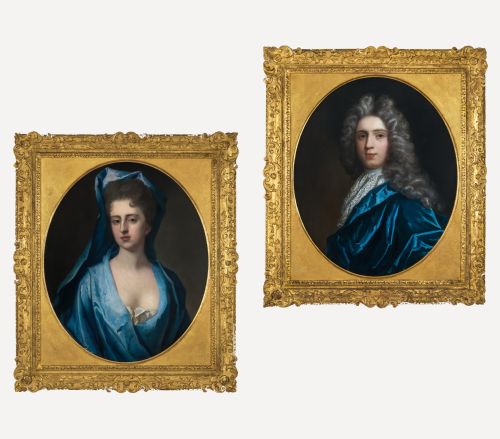
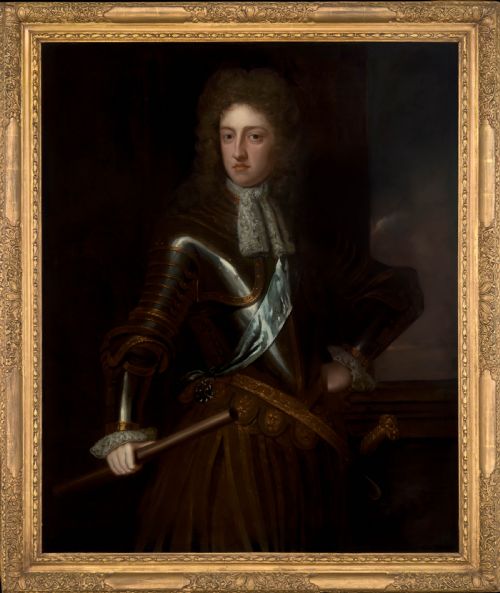
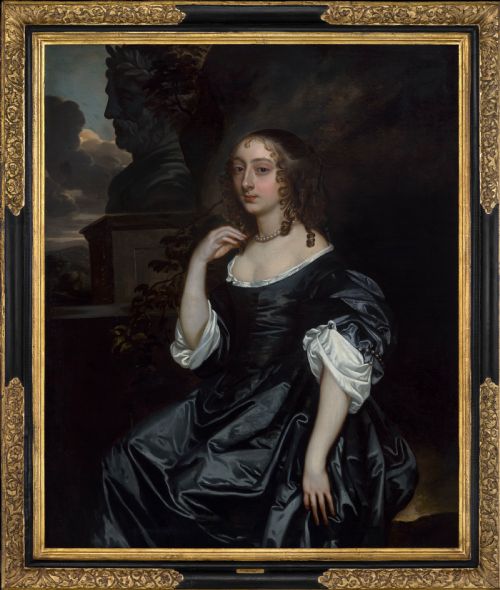
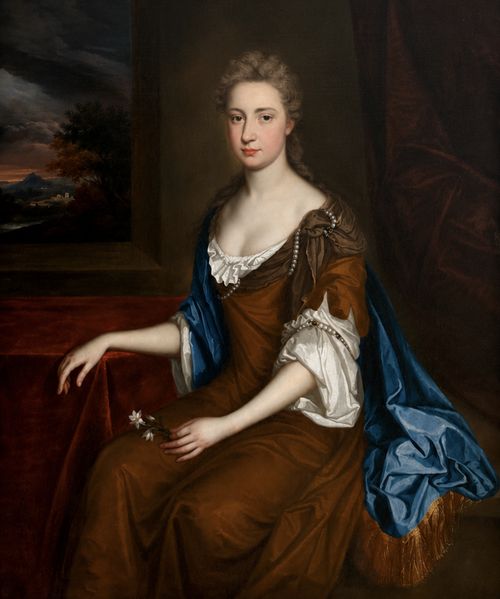
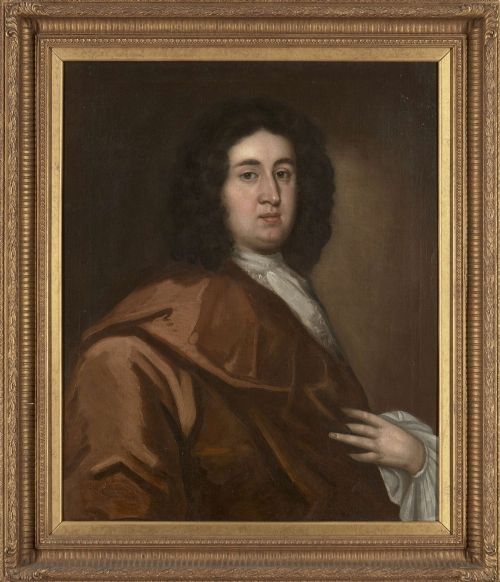
Aristocratic portrait art captures the likenesses of nobles, nobility, and society figures in oil paint, canvas, and framed works.
Aristocratic Portrait Art
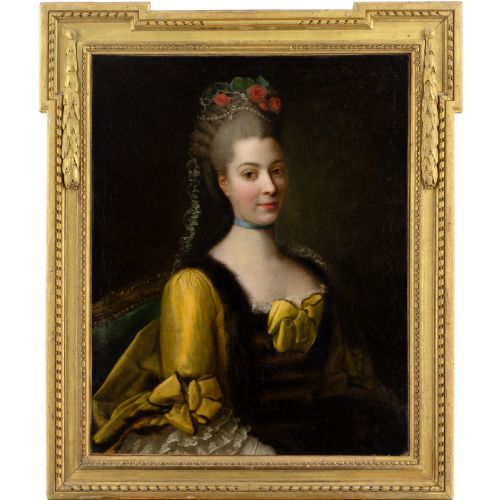
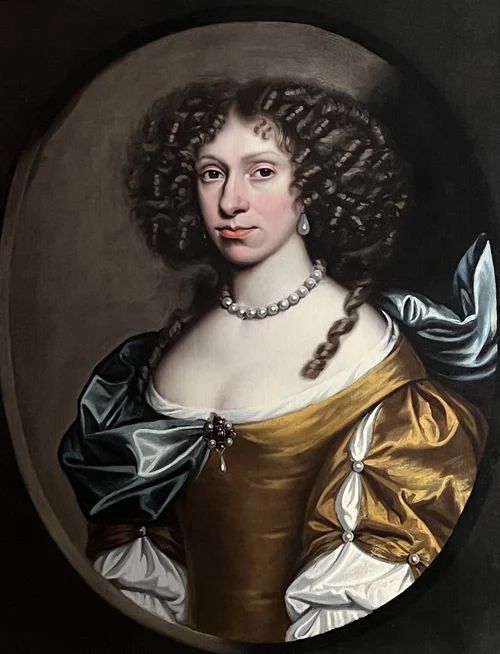
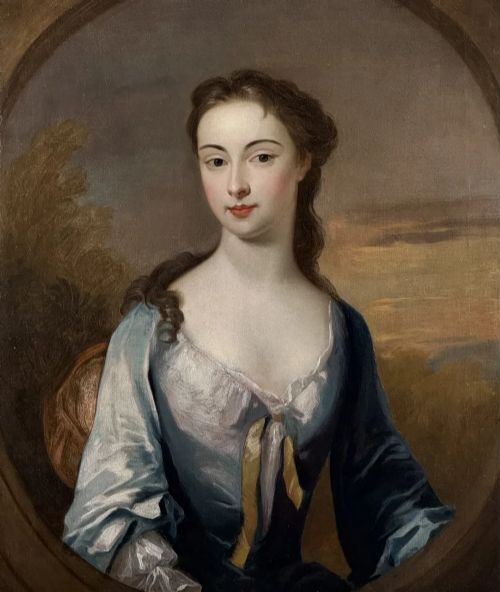
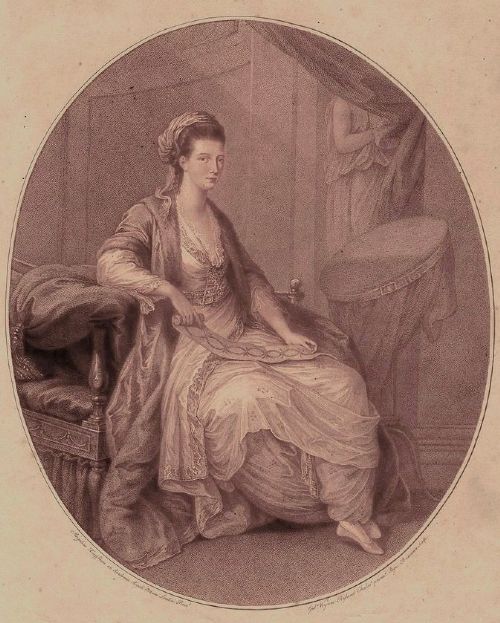
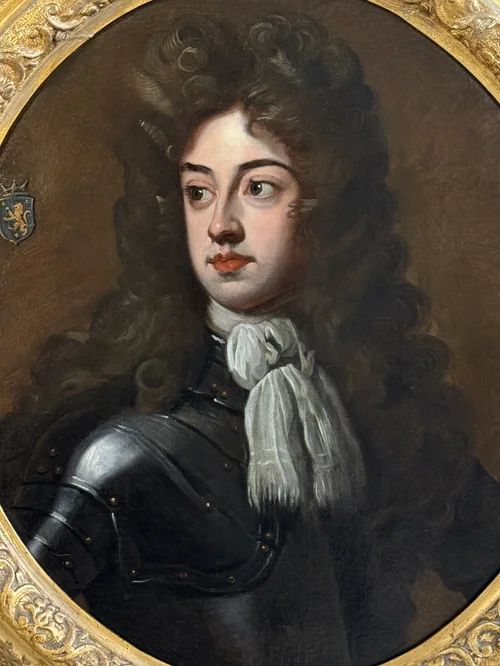
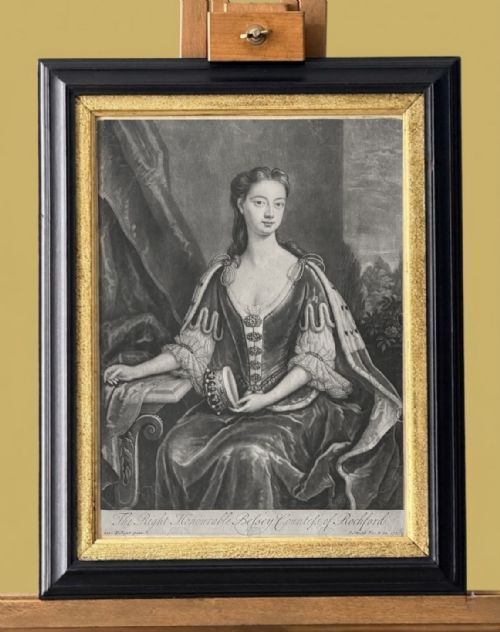
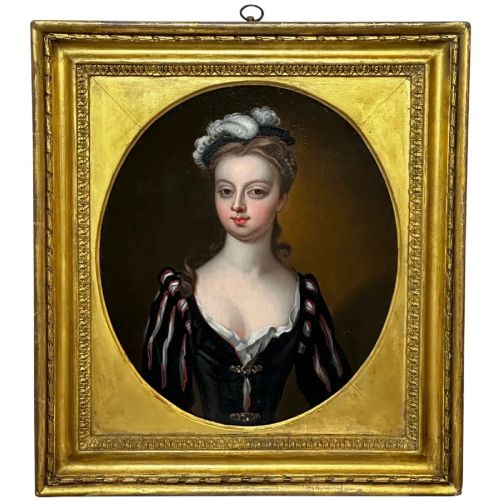
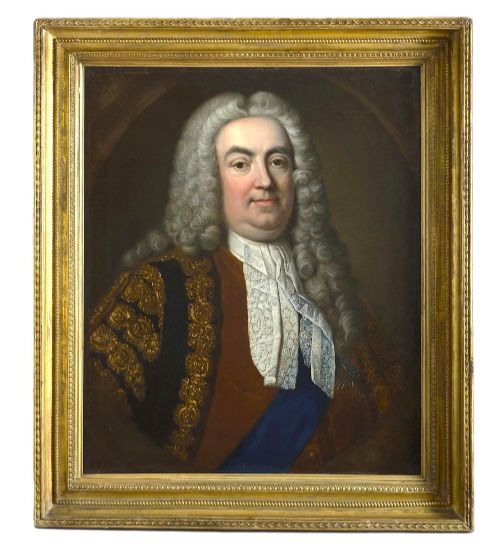
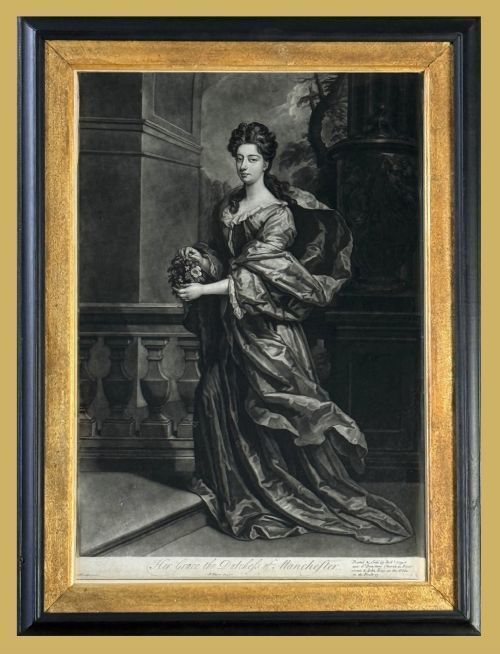
Aristocratic portrait art encompasses oil paintings, portrait prints, and fine art pieces depicting notable subjects from the seventeenth century through to later periods. Buyers examining this category encounter works ranging from seventeenth-century oil paintings on canvas and oak panel to eighteenth-century French and British school portraits.
The subjects include earls, duchesses, baronets, and noblewomen rendered in formal attire, armour, or elegant dresses. Many pieces originate from British, Dutch, and French traditions, reflecting the distinct aesthetic standards of the Baroque and Georgian eras.
Materials and Technique
The primary material support is canvas, though works occasionally appear on paper or oak panel, paired with oil paint pigments to build rich visual depth. Frames are frequently constructed from wood, often finished with giltwood or gilt wood to complement the formal nature of the paintings.
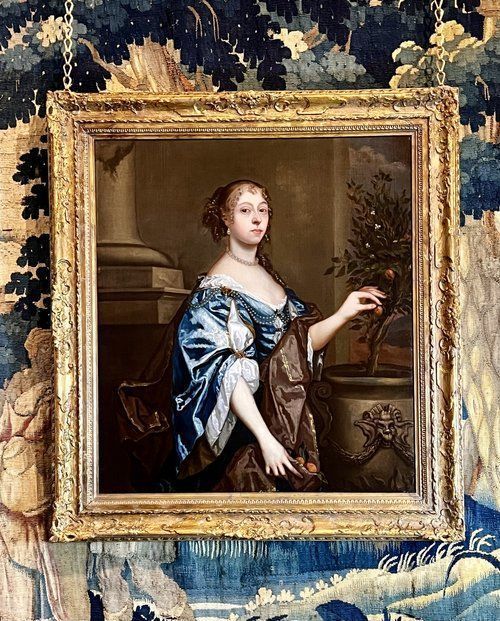
Several noble sitters are immortalised holding oranges, a subtle seventeenth-century horticultural flex indicating extreme wealth and access to heated glasshouses.
Factors of Quality
Quality in aristocratic portrait art rests upon the skill of the brushwork, the handling of drapery and fabric textures, and the psychological presence captured in the subject's expression. Pieces originating directly from the studio of an established master or circle generally exhibit superior anatomical proportion and refined pigment layering compared to later derivations.
The condition of the original canvas and paint surface significantly influences the overall integrity of the piece. Well-preserved works retain their original luminosity and subtle tonal gradations in the skin tones and background shadows, whereas heavily restored examples may display flattened details.
David Scougall·John Hayls·Charles Jervas·Michael Dahl·Thomas Murray·Sir Godfrey Kneller·Pieter Borsseler·Sir Peter Lely·John Vanderbank·Jean Baptiste Van Loo·John Closterman·John Faber Jr·Robert Williams·Stephen Pearce·Sir Anthony van Dyck·Franz Xaver Winterhalter·Robert Edward Morrison
The Aristocratic Portrait Art Glossary
- Mezzotint
- A printmaking process of the intaglio family where the plate is roughened to achieve dark tones and scraped to produce lighter areas. This technique allowed printmakers to translate painted aristocratic portraits into finely graded monochrome prints.
- Giltwood
- Wood carved and coated with gold leaf or gold paint, commonly used for framing historic artworks. These frames enhance the visual prominence of oil paintings.
- Baroque
- An artistic style prevalent during the seventeenth and eighteenth centuries characterised by drama, rich colour, and grand scale. Portraits from this movement often feature dynamic lighting and opulent garments.
- Panel
- A rigid support made from wood, such as oak, used prior to the widespread adoption of stretched canvas. Panel paintings from the seventeenth century offer a stable surface for detailed oil portraiture.
Aristocratic Portrait Art: Frequently Asked Questions
What is aristocratic portrait art?
Aristocratic portrait art consists of historical paintings and prints depicting nobility, gentry, and figures of high social standing. These works serve as visual records of lineage, status, and fashion across centuries.
They capture subjects in formal poses, frequently adorned with symbolic clothing, armour, or jewels that denote their rank within society.
How were these portraits displayed?
Historically, these portraits hung in the grand reception rooms, galleries, and staircases of country houses and palaces to project family heritage and authority. They were framed in ornate wood and gilt settings designed to command attention.
In modern interiors, they function as striking focal points that bring historical depth and character to residential walls.
How do I identify seventeenth-century portraits?
Seventeenth-century portraits typically feature specific stylistic markers such as stiffer collars, darker restrained backgrounds, and detailed lace work. The clothing and hairstyles of the sitters generally reflect the fashions of the Stuart or Baroque periods.
Examination of the canvas weave, stretcher frames, and backing materials can also offer clues regarding the age and origin of the piece.
What does attribution to a studio mean?
Attribution to a master's studio indicates that a workshop of trained artists executed the painting under the supervision or following the style of a prominent painter. These works maintain high standards of draughtsmanship and composition.
Such pieces provide insight into the production methods of historical art workshops while capturing the likenesses of important historical figures.