


Painted Cane Seat Chairs
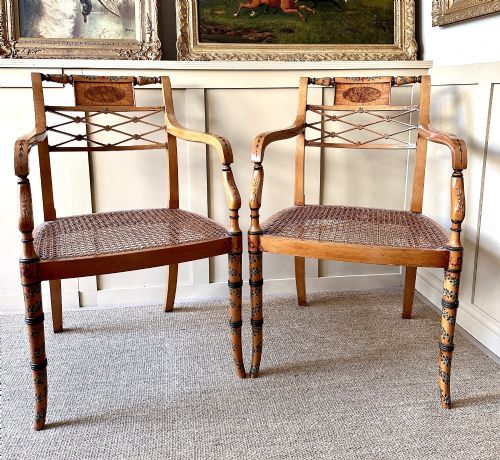
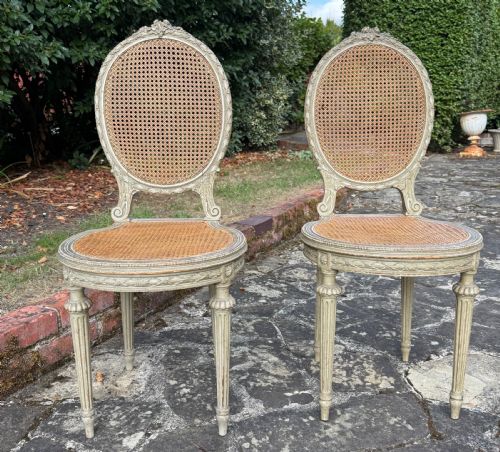
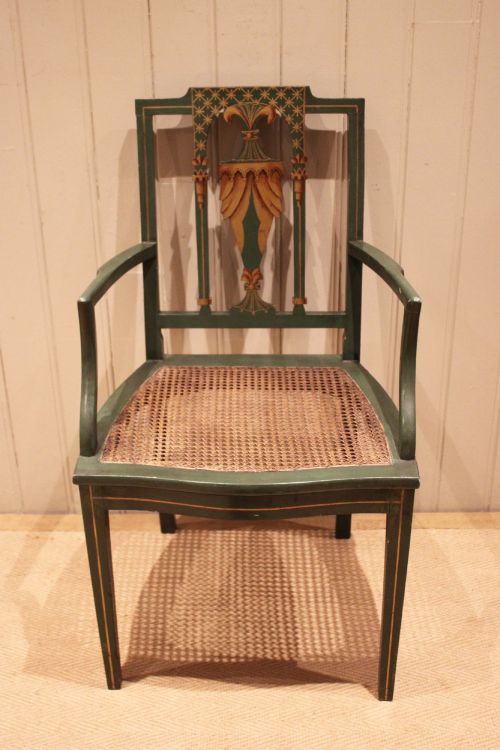
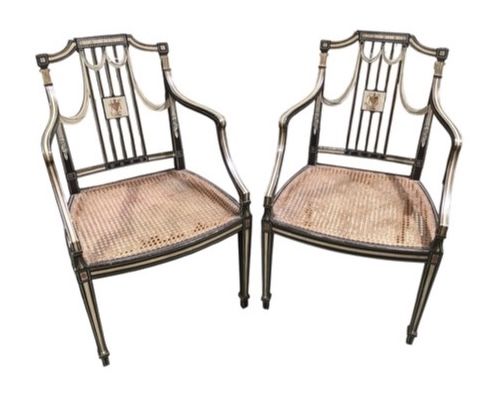
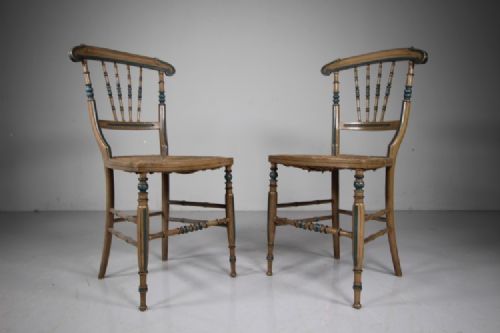
These painted cane seat chairs offer a classic seating option combining timber frames with woven cane panels and decorative painted finishes.
Painted Cane Seat Chairs
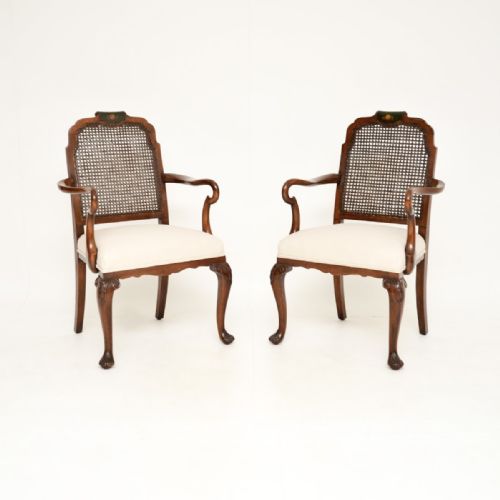
Painted cane seat chairs include side chairs, armchairs, dining chairs, and settees spanning periods from the eighteenth century through the twentieth century. The search for painted cane seat chairs reveals pieces originating from Regency, Victorian, and Edwardian eras, alongside later revivals.
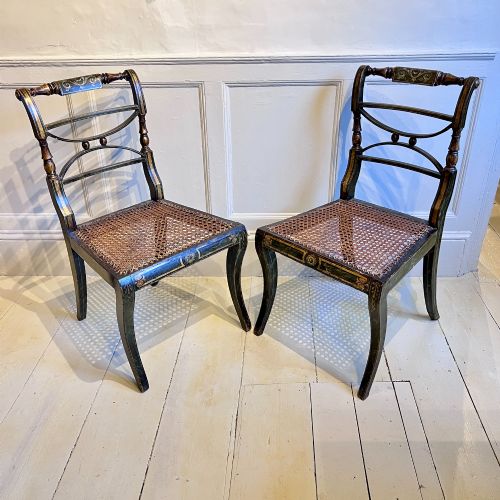
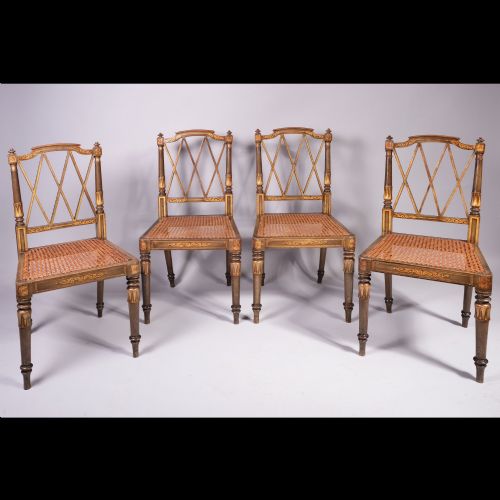
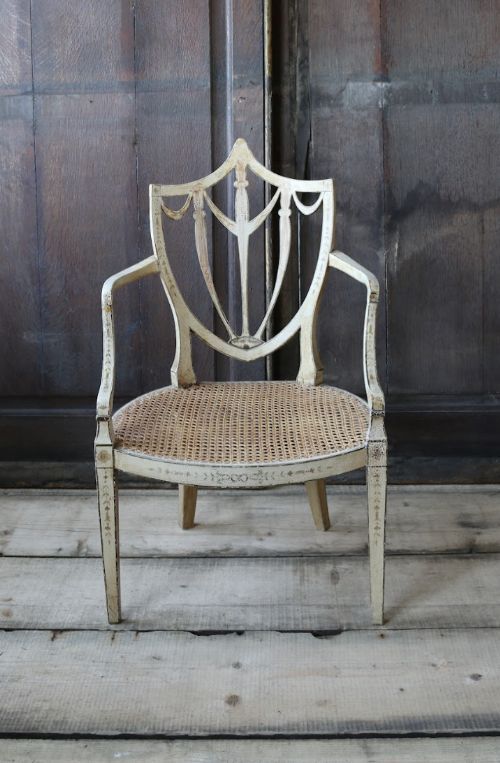
The versions most commonly met on this page are Regency and nineteenth century side chairs and armchairs featuring decorative paintwork. These forms often appear in pairs or sets, utilised as accent seating or around dining tables.
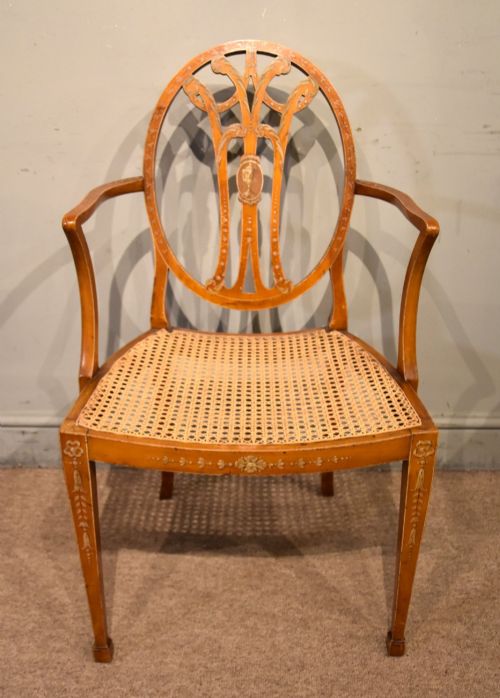
Makers and designers drew upon various historical idioms, producing items in Chinoiserie, Hepplewhite, George III Neoclassical, and French Louis XV styles. Buyers encounter both original painted surfaces and later decorative schemes upon timber structures.
What varies in quality
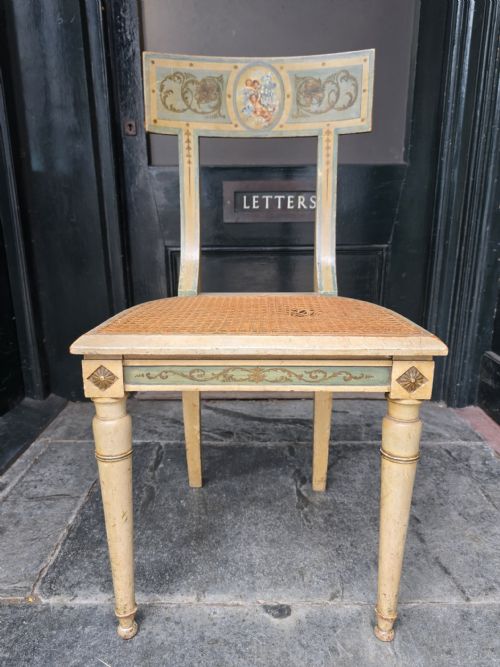
The refinement of the hand-carved wooden details and the precision of the hand-painted or parcel gilt decoration separate higher quality examples from simpler pieces. Original painted surfaces retain distinct character compared to later overpainting applied during subsequent eras.
The tightness and uniformity of the cane weave, alongside the structural integrity of the underlying timber frame, determine the durability and execution of each piece.
Several miniature children's papier-mâché chairs survive here, proving that Victorian toddlers conducted their tea parties with immense style.
Gillows
The Painted Cane Seat Chairs Glossary
- Cane
- Woven rattan material used to form light, supportive panels for chair seats and backs. This traditional technique provides both breathability and flexibility.
- Parcel gilt
- The application of thin gold leaf to specific raised portions of a painted wooden frame. It highlights carved details against a contrasting background colour.
- Bergere
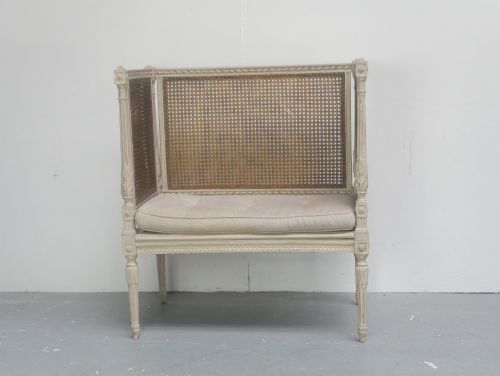
- An enclosed upholstered or caned armchair featuring solid upholstered or caned sides. These French-inspired seats appeared in various forms throughout the nineteenth and twentieth centuries.
- Scumble paint
- A decorative glazing technique where translucent paint layers are manipulated with tools to create mottled or textured wood-grain effects. It appears on regional Victorian pieces.
- Ebonised wood
- Timber treated with chemical stains or dark paint to imitate expensive ebony. This dark finish gained popularity during the Regency period.
Painted Cane Seat Chairs: Frequently Asked Questions
How do I care for cane seats?
Keep cane seats away from direct heat sources and excessive dryness to prevent the natural fibres from becoming brittle. Occasional light dampening with a sponge helps maintain the moisture and elasticity of the rattan.
Avoid placing heavy concentrated weight on the centre of the woven panel. Gentle cleaning with a soft brush removes dust accumulated within the mesh.
Are these chairs comfortable for daily use?
The woven cane provides a flexible, springy surface that contours slightly to the body when seated. Many owners add loose squab cushions for extended dining or lounging comfort.
Their lightweight construction makes them easy to move between rooms as required. They serve well in parlours, bedrooms, and dining spaces alike.
How can I tell Regency pieces apart?
Regency chairs typically display classical restraint through clean lines, saber legs, and restrained reeding or painted decoration. Faux bamboo turning and parcel gilt accents frequently accompany these classical silhouettes.
Later nineteenth and twentieth-century revivals often adopt heavier proportions or combine disparate stylistic elements. Examining the timber species and construction methods helps clarify the actual period of production.
What does original paint mean?
Original paint refers to the decorative surface coating applied when the chair was first manufactured. Over the decades, these early finishes acquire a distinct patina and wear pattern unique to their age.
Many pieces received subsequent layers of paint during later decades to match changing interior fashions. Identifying the baseline pigment layers requires close inspection of surface wear and underlying preparation.