
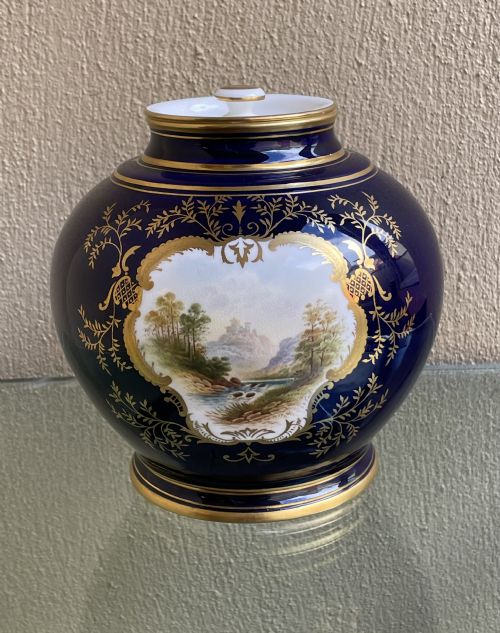


Painted Bone China Vase
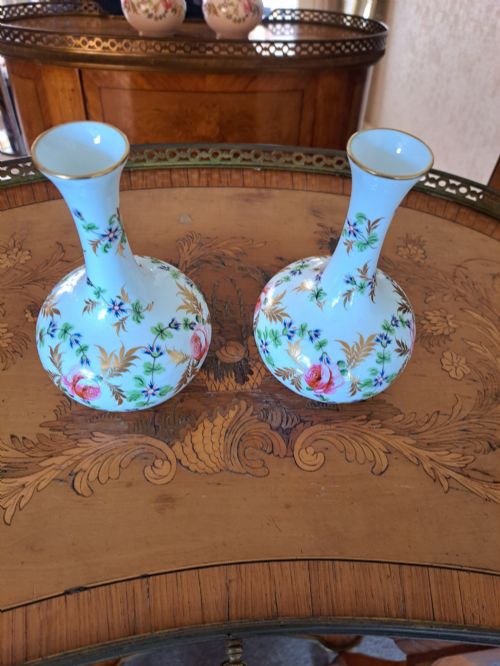
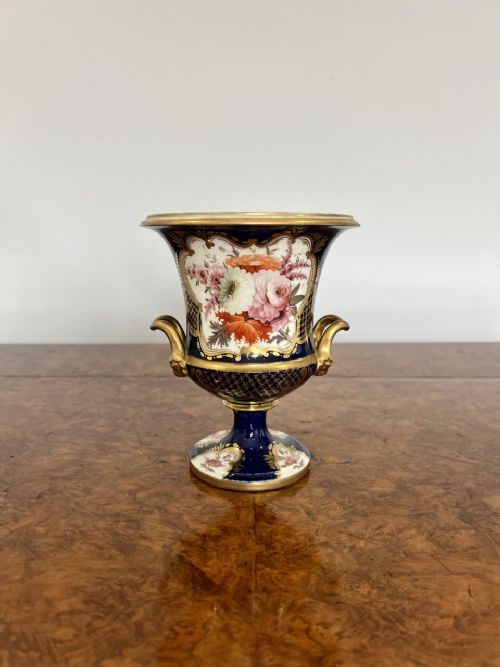
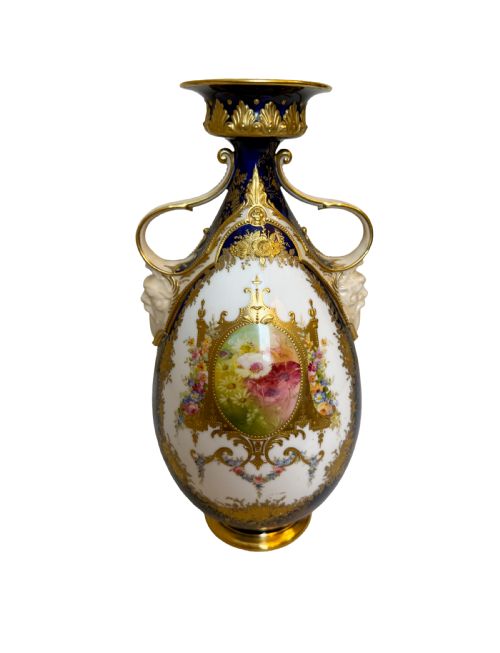
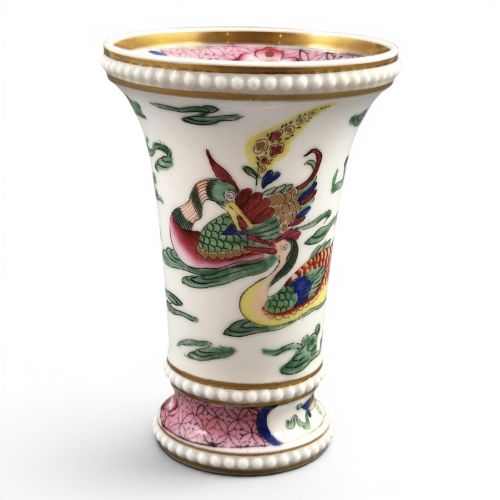
A painted bone china vase brings intricate hand-decorated artistry into a room, offering collectors a rich variety of traditional English ceramic forms and fine botanical or animal subjects.
Painted Bone China Vase
When you search for a painted bone china vase, you encounter a selection of decorative ceramics spanning from the early nineteenth century through the mid-twentieth century. The material provides a smooth white ground ideally suited for detailed hand painting, which factories employed for ornamental vessels ranging from small spill vases to large covered jars and ewers.
The pieces on this page originate predominantly from major English potteries, with Victorian, Edwardian, and later twentieth-century examples appearing frequently. Forms include standard baluster vases, pot pourri vessels with pierced covers, ginger jars, and spill vases, reflecting the shifting domestic tastes across these periods.
Makers utilised the refined body of the ceramic to showcase artistic skill, commissioning named painters to execute naturalistic scenes of birds, cattle, sheep, fruit, and floral studies. These objects functioned as mantel ornaments and drawing room displays, capturing the aesthetic priorities of their respective decades.
How they were made
Potteries manufactured these vessels using a refined ceramic paste incorporating bone ash, which yielded a durable, slightly translucent white body known as bone china or fine bone china. Artisans shaped the items either by throwing on a wheel or by slip casting in moulds, preparing a smooth surface ready to accept pigments.
Painters applied coloured enamels by hand, often depicting specific subjects such as highland cattle, storks, sheep, and botanical fruit studies, before firing the pieces to fix the pigments. Workshops frequently added gold leaf, gilding, or gilt highlights around the rims, handles, and bases to frame the central painted panels.
Forms include traditional baluster vases, ginger jars, ewers, and pierced pot pourri vessels produced by historic English potteries.
What varies in quality
The distinction between standard commercial output and the finest examples rests largely on the skill and reputation of the individual artist. Vases featuring signed work by established painters demonstrate superior brushwork, anatomical precision in animal and bird subjects, and more richly detailed enamel palettes.
The complexity of the ceramic form and the extent of the ornamentation also separate the grades of production. Fully hand-painted fruit or landscape scenes combined with heavy gilding and specialised shapes such as pierced pot pourri covers represent the upper tier of execution.
Crown Derby·Spode·Royal Doulton·Coalport·Royal Worcester·Royal Crown Derby
The Painted Bone China Vase Glossary
- Bone china
- A type of soft-paste porcelain incorporating bone ash that produces a strong, translucent white body suitable for fine enamel painting.
- Enamel
- Vitreous coloured glass paste applied to the ceramic surface as paint and fixed permanently through kiln firing.
- Gilding
- The application of gold leaf or gold paint to embellish ceramic borders, handles, and structural details.
- Spill vase
- A narrow, cylindrical vessel traditionally placed on mantelpieces to hold thin wooden spills used for lighting candles and fires.
- Pot pourri
- A decorative vase or jar featuring a pierced or perforated cover designed to diffuse the scent of dried flower petals held within.
Painted Bone China Vase: Frequently Asked Questions
How do I identify the maker?
Makers are typically identified through factory printed or impressed factory backstamps located on the underside of the base. These marks often include specific cyphers or numbers indicating the exact decade or year of production.
In addition to factory marks, many finer pieces feature the signature or initials of the individual artist hand-written near the base of the painted scene, pointing directly to the painter who executed the artwork.
Were these vases used for flowers?
While certain forms like spill vases and standard baluster vases were designed to hold fresh blooms, many decorative vessels served purely as ornamental objects. Covered jars, large urns, and pot pourri pieces functioned primarily as interior display items on mantelpieces and cabinets.
Items decorated with delicate fruit or intricate bird studies were valued as miniature canvases rather than utilitarian vessels, meaning they rarely encountered water or floral arrangements during their history.
How should I clean my vase?
Cleaning requires gentle care to protect both the hand-painted enamel colours and any applied gold leaf or gilding on the ceramic surface. Dusting with a soft, dry microfibre cloth is generally sufficient for routine maintenance.
Avoid immersing the piece in water or using chemical cleaning agents, as moisture and harsh soaps can degrade delicate overglaze enamels and vintage gilt highlights over time.
What subjects are painted on them?
The decoration typically reflects the naturalistic tastes of the nineteenth and twentieth centuries, featuring detailed studies of British birds, sheep, cattle, and botanical fruit. Artists frequently painted pastoral landscapes, storks, roses, and game birds.
Later Victorian and Edwardian pieces often showcased lavish fruit compositions or Highland scenes, rendered with subtle shading against blush ivory or white glazed backgrounds.