


Painted Apothecary Chest
A painted apothecary chest brings historic utility and striking colour to a room, offering many small drawers for orderly storage.
Painted Apothecary Chest
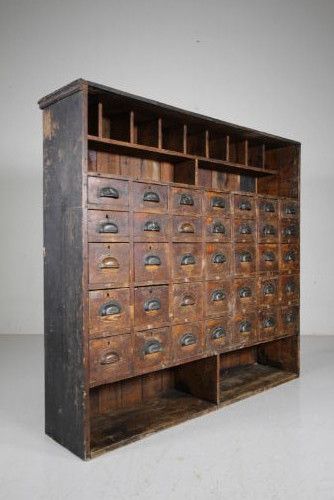
A painted apothecary chest serves as a functional piece of storage history, originally designed to hold medicines, herbs, and dry goods in chemists and shops. When searching for a painted apothecary chest, buyers encounter utilitarian banks of drawers, shop fittings, and small wall cupboards from various European regions.
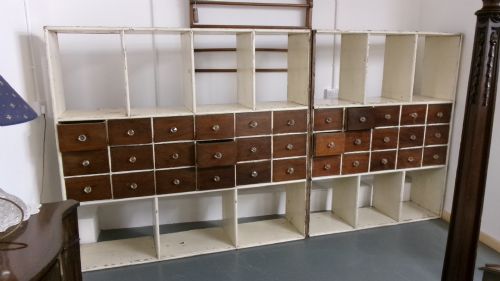
The pieces listed range from large banks of drawers with dozens of small compartments to compact wall cabinets and boxes. Victorian shop fittings and nineteenth century pine examples appear most frequently, alongside earlier pieces dating back to the eighteenth century.
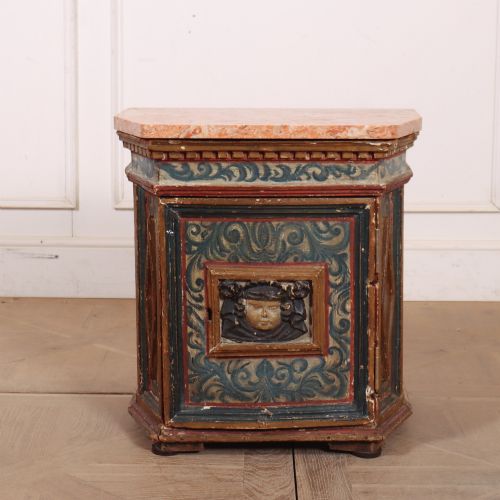
Forms vary from sturdy multi-drawer counters originating in England, France, and Hungary to decorative Italian baroque cabinets and Scandinavian wall cupboards. Each format reflects the specific storage needs of past apothecaries, grocers, and collectors.
How They Were Made
Carpenters typically constructed these chests using solid pine or other regional woods, building carcases designed to withstand heavy daily use in commercial environments. Many examples feature numerous small drawers joined with traditional carpentry methods to ensure durability across rows of compartments.
Surfaces received layers of paint, often in original white, cream, green, blue, or indigo hues, sometimes complemented by gold leaf detailing or dark finishes. Brass, cast iron, and metal hardware such as drop handles and label holders completed the construction.
Listings feature pine as the dominant wood, accompanied by brass and cast iron hardware across Victorian and eighteenth-century examples.
What Varies in Quality
Quality rests in the originality of the painted surface, the integrity of the timber, and the proportion of the piece. Untouched historic paint finishes with natural wear carry more character than later repainting.
The scale and complexity of the drawer configuration also influence the piece, with substantial multi-drawer banks and regional variations commanding attention. Fine craftsmanship in the drawer construction ensures smooth operation across numerous compartments.
The Painted Apothecary Chest Glossary
- Shop Fitting
- Fixtures and furniture built specifically for commercial retail spaces, including apothecary counters and banks of drawers. These utilitarian pieces were constructed to endure heavy use in trade.
- Bank of Drawers
- A large cabinet containing multiple rows and columns of small drawers, designed for sorting and storing small items. They are common in pharmacies, hardware stores, and collector rooms.
- Collectors Chest
- A specialised small-scale chest of drawers intended for organising natural history specimens, coins, or small artefacts. They often feature shallow drawers to protect delicate contents.
- Spice Cupboard
- A small wall-mounted or tabletop cabinet used historically in domestic settings for storing precious spices and herbs. These early pieces often feature panelled doors and internal small drawers.
- Gold Leaf
- Extremely thin gold beaten into sheets, used for gilding lettering or decorative motifs on furniture surfaces. It adds a subtle metallic sheen to painted woodwork.
Painted Apothecary Chest: Frequently Asked Questions
What were apothecary chests used for?
Apothecary chests stored dried herbs, roots, powders, and prepared medicines in apothecary shops and dispensaries. The numerous small drawers kept ingredients separated and labelled for quick access by the chemist.
Over time, these practical storage units found their way into domestic spaces, serving as useful organizers for small household items, collections, and keepsakes.
How do I date a painted chest?
Dating relies on examining the construction methods, timber types, and the composition of the paint layers. Earlier eighteenth-century pieces often display hand-cut joinery and specific regional decorative styles.
Victorian and later nineteenth-century examples frequently use standardised pine framing and machine-sawn components alongside period hardware.
Where should I place an apothecary chest?
These chests suit kitchens, hallways, or living rooms where their numerous small drawers provide practical storage for everyday items. Their painted finishes add a focal point of colour and texture to an interior.
Placing them away from direct heat sources helps preserve the stability of the timber and the character of the painted surface.
Are the paint finishes original?
Many pieces retain their original historic paint finishes, showing natural patination, wear, and minor fading accrued over decades of use. Some examples exhibit traces of successive decorative layers applied during their working lives.
Examining the surface texture and integration into the wood helps distinguish untouched historic paint from later restoration work.