



Padded Wooden Piano Stool
A padded wooden piano stool offers sturdy construction and comfortable seating, combining period character with practical daily use at the instrument.
Padded Wooden Piano Stool
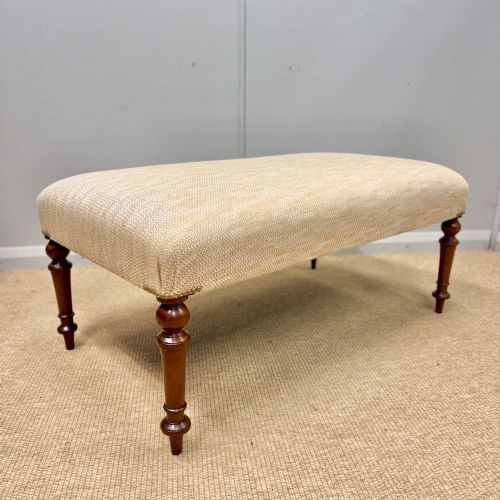
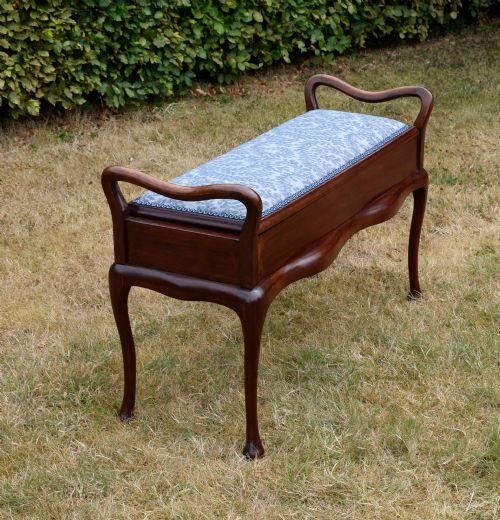
A padded wooden piano stool encompasses various seating forms designed for musicians, frequently appearing across Victorian and Edwardian periods alongside earlier George III examples. Buyers examining this category encounter pieces configured as oblong footstools, duet benches, and dedicated piano seats shaped from timber frames.
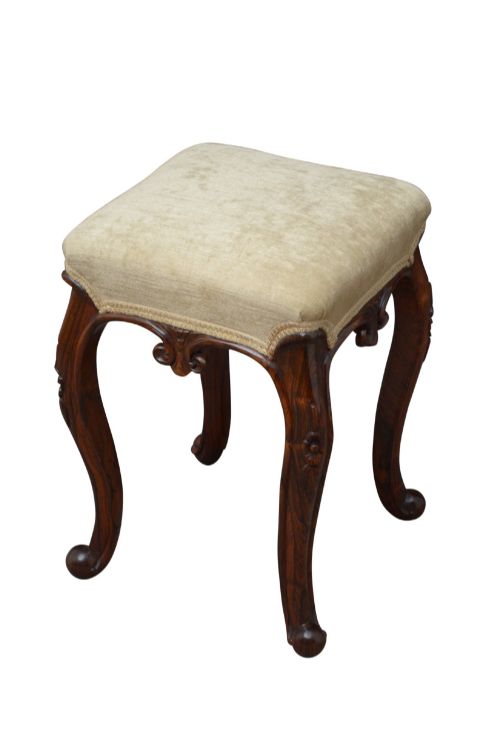
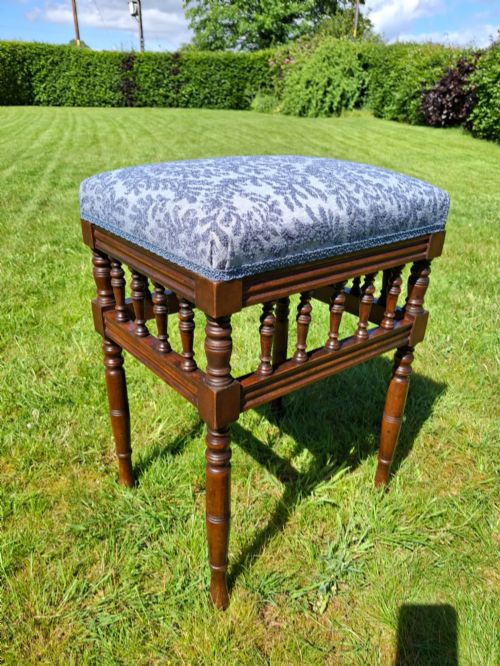
The materials and styles span mahogany, walnut, oak, and rosewood constructions, often paired with upholstered pads in velvet, tapestry, and contemporary fabrics. Many pieces exhibit distinct revival characteristics, ranging from Queen Anne style curves to Jacobean and Aesthetic movement details.
The selection ranges from tall circular forms to inlaid Edwardian mahogany piano stools and carved window seats. Most examples rely on solid timber frames supporting cushioned upper sections designed for regular domestic placement.
Materials and construction methods
Frames rely on dense hardwoods including mahogany, walnut, oak, and rosewood, shaped through traditional joinery techniques. These timbers provide the structural rigidity necessary for daily seating support.
Upholstery techniques incorporate fabric, textile, tapestry, or velvet pads fixed over internal padding. Decorative elements frequently include brass hardware, ebonised finishes, and inlaid wooden details.
Musicians historically required sturdy timber frames to endure enthusiastic performances, ensuring many piano stools survived centuries of vigorous daily practice.
Factors distinguishing quality
The standard of timber selection and depth of cabinetmaking detail separate standard seating from finer examples. Subtle differences in carving execution, such as cabriole leg shaping or surface inlay, indicate the original maker's skill.
The integrity of the wooden frame and the quality of the upholstery materials determine the overall durability of the piece. Superior examples maintain firm joints and retain harmonious proportions between the wooden base and the padded top.
The Padded Wooden Piano Stool Glossary
- Cabriole leg
- A furniture leg that curves outward and then tapers inward, mimicking an animal's curving leg. This form appears frequently on Georgian and Victorian seating.
- Duet stool
- An extended seating bench designed to accommodate two players simultaneously at a keyboard. These pieces provide a wider wooden frame and padded surface.
- Inlay
- A decorative technique where contrasting pieces of wood or other materials are inserted into recessed portions of the base timber. Edwardian pieces often utilise this method for surface ornamentation.
- Ebonised
- Wood treated with a finish that darkens the surface to resemble ebony. This dark treatment creates a distinct contrast against bright upholstery fabrics.
- Window seat
- A long wooden bench designed specifically for placement beneath windows. These forms share similar padded construction and frame materials with standard piano stools.
Padded Wooden Piano Stool: Frequently Asked Questions
How do I date a wooden piano stool?
Dating relies on identifying timber choices, construction methods, and stylistic cues present in the frame. Victorian and Edwardian examples often feature machine-prepared timbers and specific revival motifs.
Earlier pieces from the Georgian period display hand-worked joinery and distinct proportions. Examining the underside and joint construction clarifies the period of manufacture.
Can I use a piano stool in other rooms?
These pieces adapt easily to various domestic settings beyond the music room. Compact forms function effectively as dressing table seats or hallway benches.
Larger window seats and duet benches provide practical seating in living spaces while maintaining period character.
What is the difference between a piano stool and a footstool?
Piano stools are generally built to an ergonomic height that allows comfortable posture during keyboard practice. Footstools sit lower to the ground and are intended primarily for resting feet.
Despite these intended uses, many historical forms overlap in size and configuration depending on their specific manufacture.
How should I care for the wooden frame?
Regular dusting with a dry cloth prevents the accumulation of grit on polished wooden surfaces. Applying a quality furniture wax periodically nourishes the timber and maintains the finish.
Keeping the stool away from direct heat sources prevents the wood from drying out or splitting over time.