


Padded Back Chairs
These padded back chairs encompass centuries of seating design, offering upholstered comfort across various period styles for the home.
Padded Back Chairs
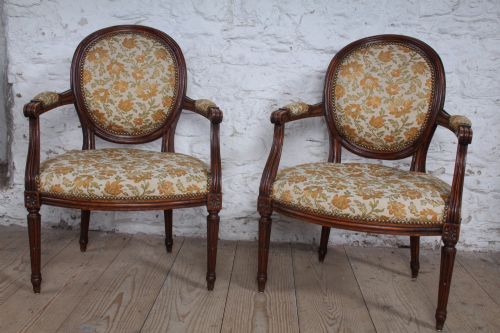
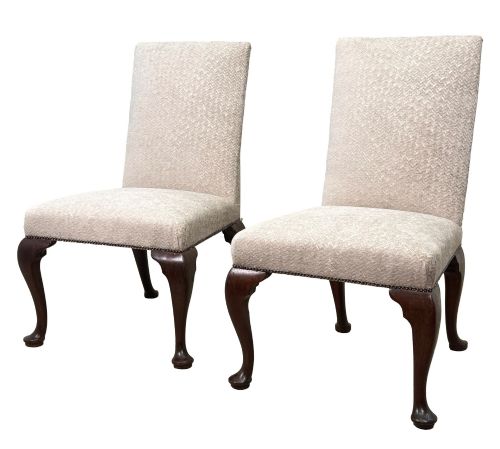
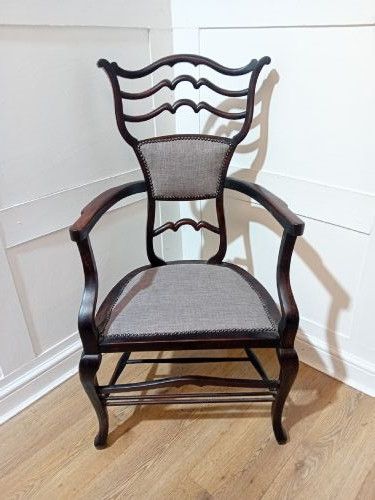
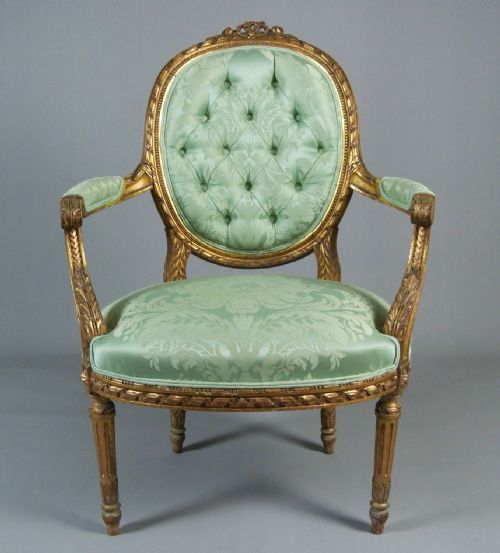
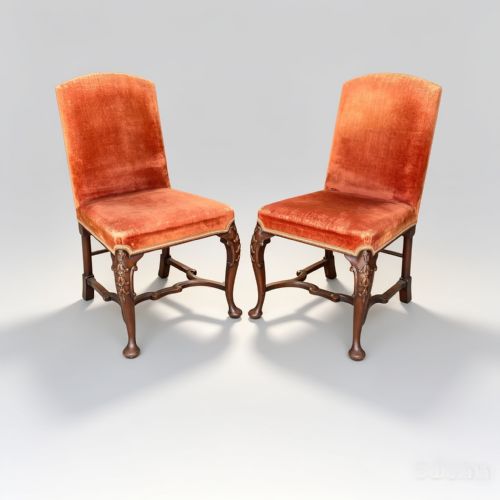
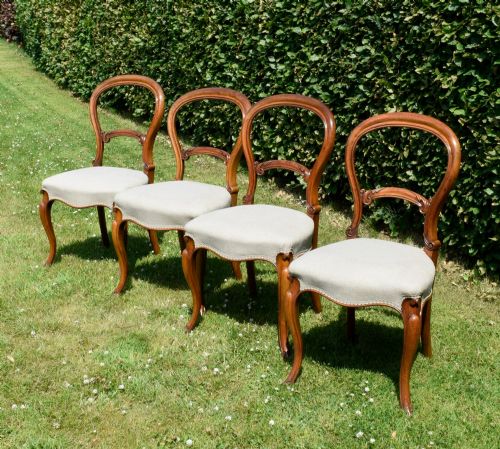
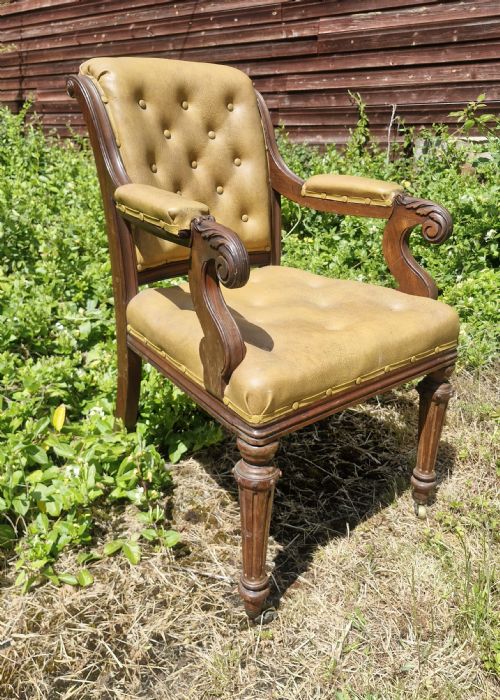
When looking for padded back chairs, buyers encounter a diverse selection ranging from formal Georgian and 18th-century seating to Victorian library chairs and Edwardian designs. The most common examples met on this page are walnut and oak dining sets, alongside individual armchairs and desk chairs.
The evidence shows both formal styles, such as George II and Sheraton pieces, and country or revival pieces including Cromwellian and Queen Anne interpretations. These seats function effectively as dining chairs, study chairs, or living room armchairs depending on their specific form.
Materials and Construction
The makers of these chairs utilised dense hardwoods like mahogany, walnut, oak, and yew for the structural frames, often featuring carved details or turned supports. Joinery techniques varied from traditional pegged joints in country chairs to fine cabinetmaking in Georgian and Victorian examples.
Upholstery forms the defining characteristic of these pieces, incorporating materials such as velvet, leather, fabric, and textile over padded foundations. Brass details occasionally appear as decorative accents or castors on desk and library armchairs.
Listings feature 18th-century, Victorian, and Edwardian periods, utilising mahogany, walnut, oak, and yew wood.
Assessing Quality
Quality in these chairs rests upon the crispness of the timber carving and the architectural proportions of the frame. Pieces attributed to notable makers or executed in fine walnut and mahogany generally display superior cabinetwork.
The integrity of the original wooden frame and the quality of the upholstery materials further separate standard regional pieces from high-status urban examples.
Thomas Chippendale·Howard and Sons·Blyth and Sons·Hille
The Padded Back Chairs Glossary
- Wing Chair
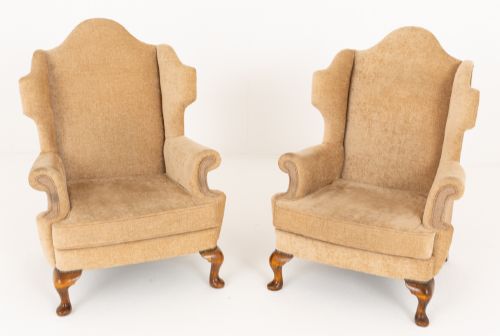
- An armchair with side panels designed to shield the occupant from draughts. These upholstered seats date back to the Georgian period and later revivals.
- Bergère
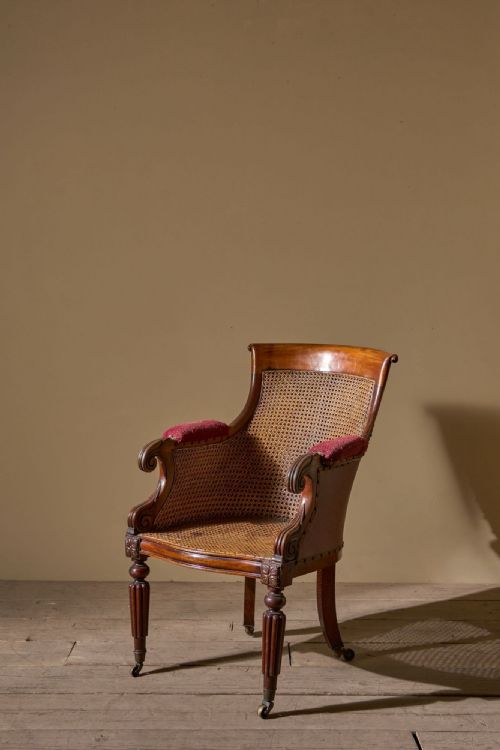
- An enclosed armchair with stuffed or cane upholstery on the back and armrests. This French-inspired form appears in mahogany and walnut.
- Balloon Back
- A rounded, oval-shaped chair back popular during the Victorian era. It frequently occurs in walnut dining chair sets.
- Windsor Chair
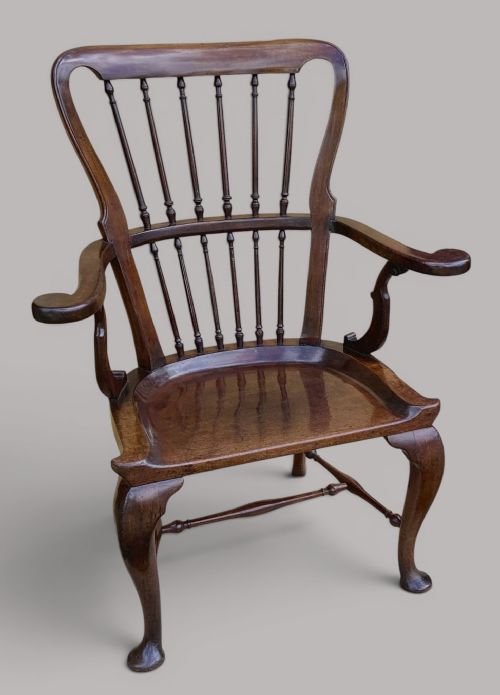
- A wooden chair constructed with seating into which the legs and spindles are wedged. Variations include desk armchairs and high back forms.
- Gainsborough Chair
- A wide, upholstered armchair with open padded arms dating from the 18th century. These study and desk chairs feature mahogany frames.
Padded Back Chairs: Frequently Asked Questions
How do I date an antique padded back chair?
Dating relies on identifying the primary wood species, construction techniques, and stylistic motifs present in the frame. Georgian pieces often display distinct carving styles, whereas Victorian examples utilise heavier walnut turning.
Comparing the upholstery style and padding method to documented examples from the same era provides additional chronological accuracy.
Are these chairs suitable for daily dining use?
Many of these pieces, particularly the oak and walnut sets, were originally designed for dining rooms and remain functional today. Sturdy construction in hardwoods ensures they handle regular seating.
Checking the structural stability of the joints ensures the chair safely supports everyday use in a modern home.
What is the difference between a side chair and an armchair?
Side chairs lack armrests, making them compact enough to fit multiple seats around a dining table. Armchairs include structural supports for the arms, offering a more enclosed seating experience.
Armchairs generally serve as desk chairs, library chairs, or occasional seating rather than primary dining table chairs.
How do I maintain antique upholstered furniture?
Maintenance involves gentle cleaning appropriate for the specific fabric or leather textile used on the back and seat. Avoiding direct sunlight protects both the wooden frame and the upholstery from fading.
Periodic inspection of the frame joints prevents structural looseness over time.