

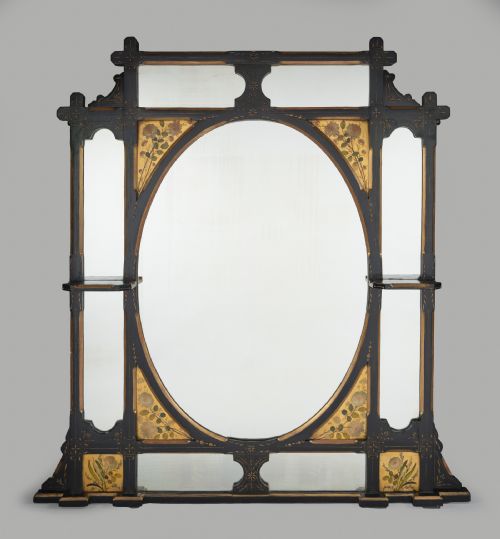
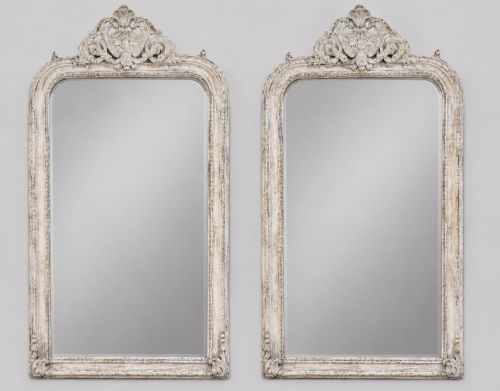
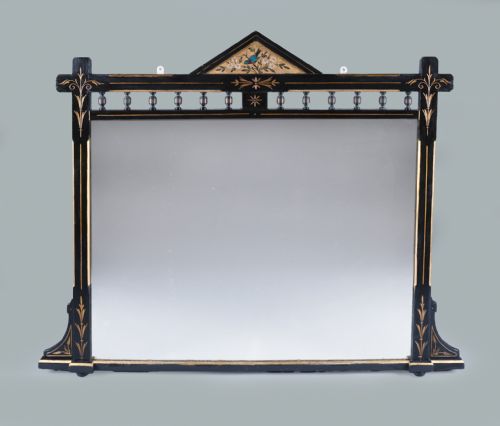
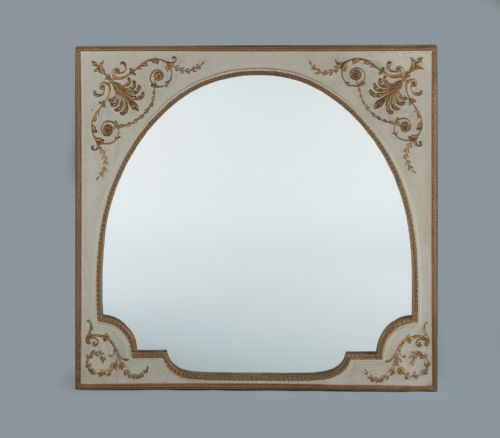
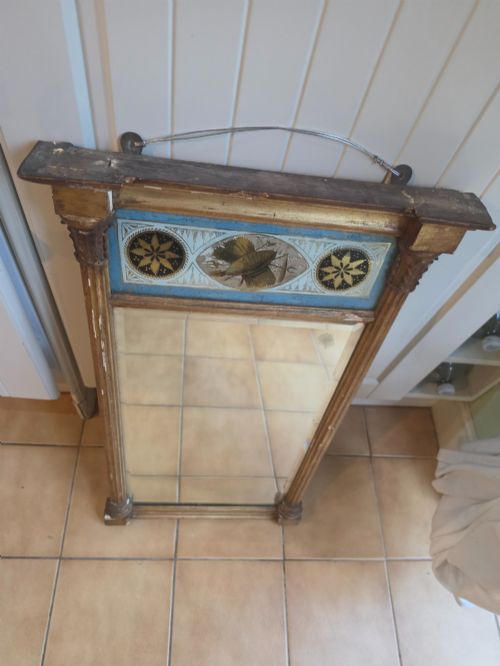
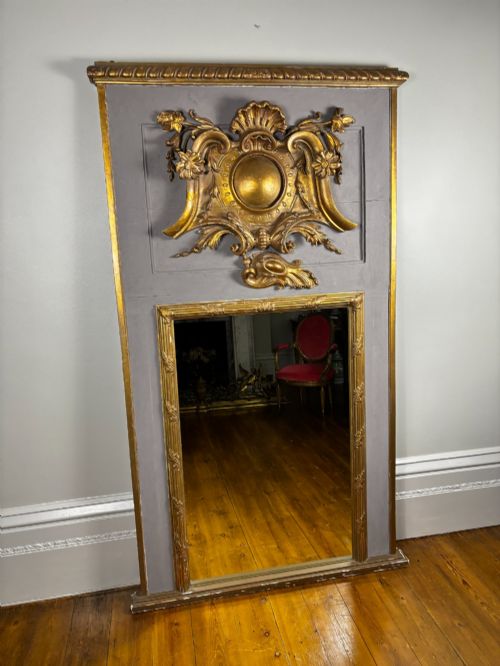
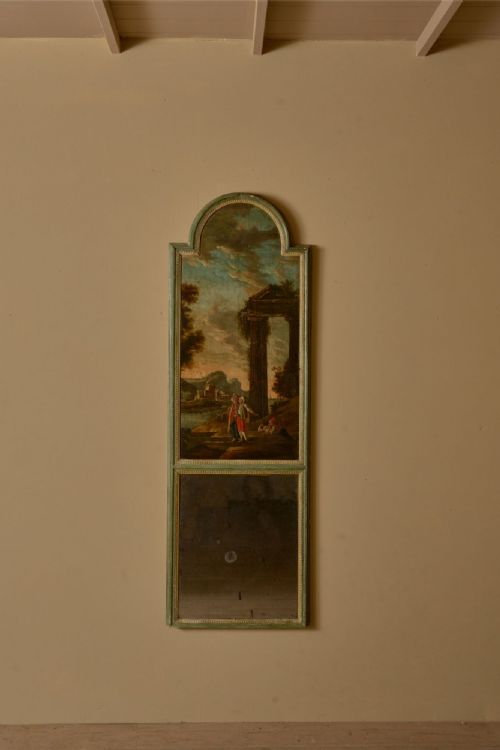
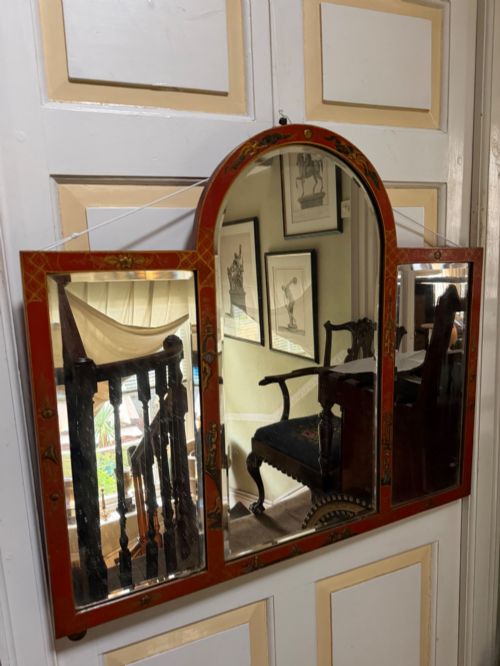
Overmantel Mirror with Painting
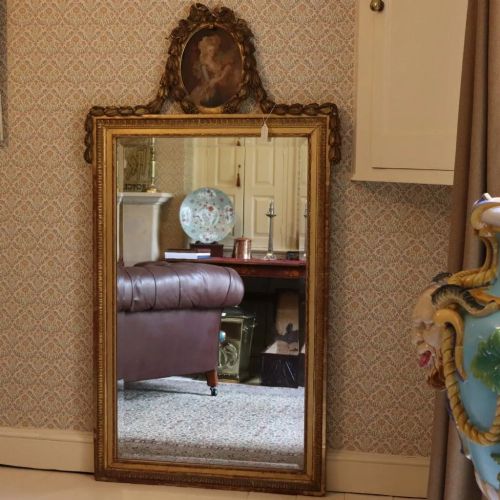
An overmantel mirror with painting brings together carved wooden frames and framed canvases or panels, offering a focal point above a fireplace that combines reflection with narrative art.
Overmantel Mirror with Painting
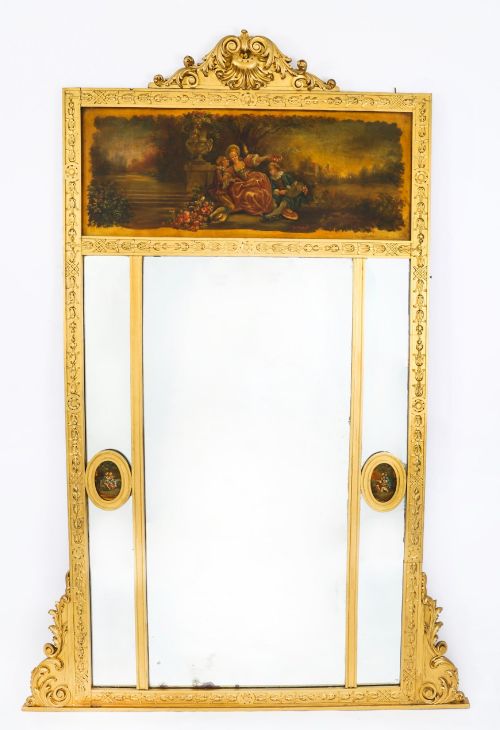
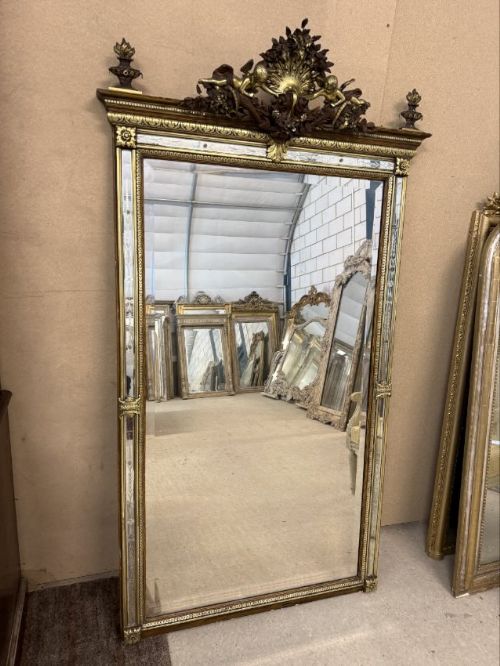
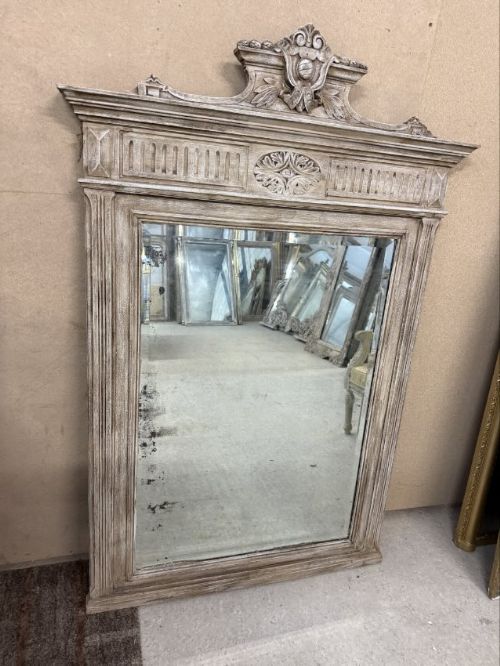
An overmantel mirror with painting combines a functional looking glass with an integrated oil painting or decorative painted panel set directly into the frame. These pieces span periods from the Regency era through to the early twentieth century, drawing heavily on French trumeau designs and Victorian aesthetic tastes.
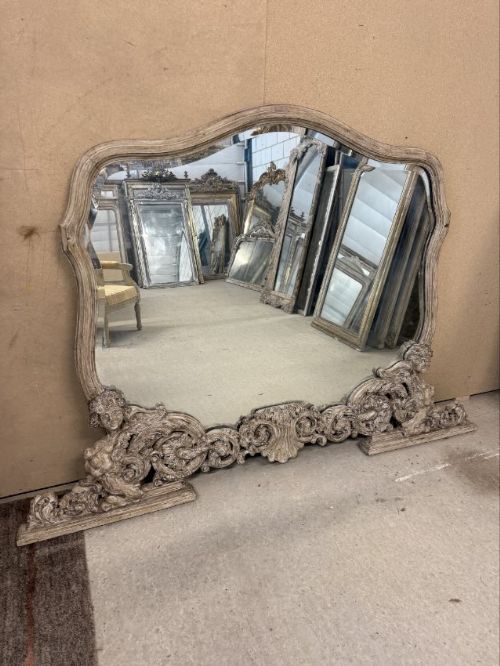
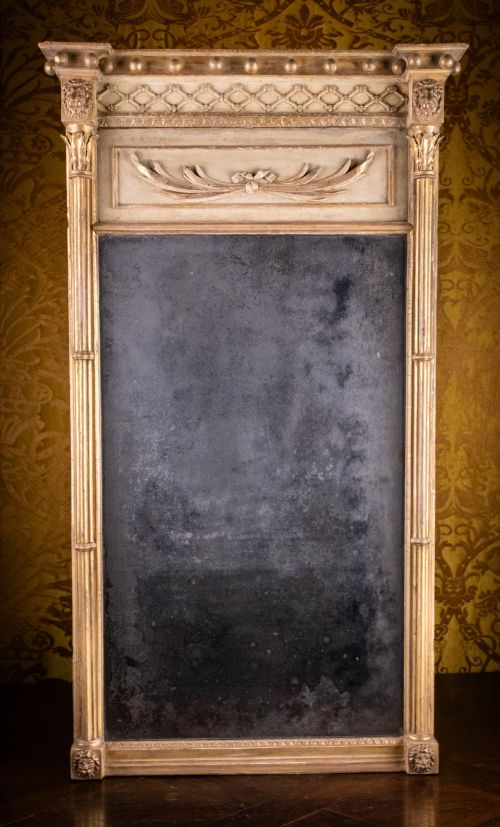
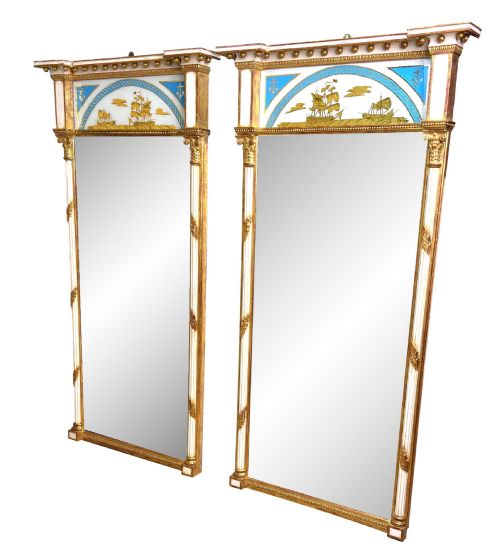
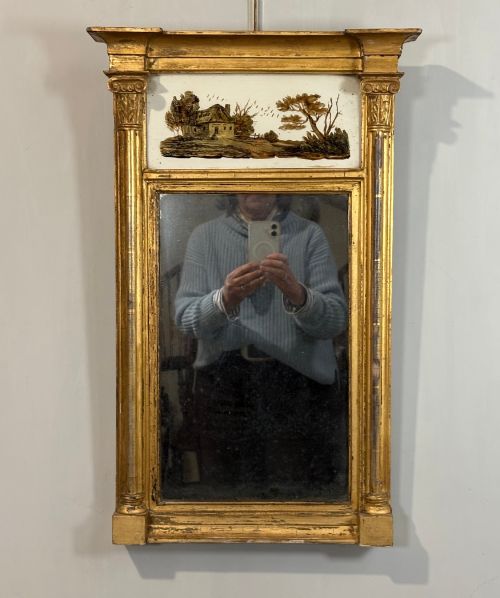
The painted panels take several forms, ranging from pastoral landscapes and seascapes depicting galleons at sea to equestrian scenes, religious subjects, and decorative relief panels. Frames appear in gilded wood, gesso, painted wood, and walnut, often taking the form of tall trumeau mirrors or console table and mirror sets designed to sit above a mantelpiece.
How they were made
Makers constructed the primary framework from timbers such as oak, walnut, and pine, applying layers of gesso to build up decorative mouldings, ribbon crests, and relief details. Gilding was then applied to the prepared surfaces, alongside black lacquer or olive green paint depending on the regional style.
Artisans executed the artwork in oil paint on canvas or directly onto wooden panels, mounting the finished painting securely above or beside the mirror plate. Glass plates of the period were silvered and framed alongside these painted panels to create a single unified architectural fitting.
Overmantel Mirror with Painting Retail Price Guide 2026
Typical asking prices for overmantel mirror with painting among the pieces listed under this phrase on Sellingantiques today, from the lower quarter to the upper quarter. They describe what is for sale here now, not the wider market.
Materials recorded across the inventory include oil paint on canvas, giltwood, gesso, black lacquer, walnut, and oak.
What varies in quality
The skill of the brushwork within the painted panel dictates much of the artistic merit, with finely detailed pastoral or marine scenes holding greater visual weight than simpler decorative motifs. The depth and crispness of the carved gesso ornamentation, along with the preservation of original gilding, separate standard production from more ambitious workshop pieces.
The integration between the mirror glass and the canvas reveals the maker's hand, where well-proportioned sightlines and harmonious framing demonstrate superior design. The survival of the original mirror plate and oil painting together without later substitution preserves the historical integrity of the piece.
The Overmantel Mirror with Painting Glossary
- Trumeau mirror
- A wall mirror featuring an integrated decorative panel, painting, or carving set above the glass plate, originating from eighteenth and nineteenth-century French interior design. These tall vertical mirrors often sat between windows or above mantelpieces.
- Giltwood
- Timber carved and coated with a very thin layer of gold leaf over a prepared gesso and bole base. This finish provides a warm, reflective metallic surface that mellows with age.
- Gesso
- A plaster-like mixture applied to wood frames to create a smooth surface for gilding or to be moulded into relief decorations. It allows for intricate, sharp ornamental details.
- Pier mirror
- A tall mirror designed specifically to be hung on the pier, the wall space between two windows. They frequently incorporated console tables or lower painted sections.
- French Empire
- A neoclassical design style spanning the late eighteenth and early nineteenth centuries, characterised by classical motifs, military symbols, and rich architectural framing. Pieces from this period often display architectural severity balanced by decorative relief panels.
Overmantel Mirror with Painting: Frequently Asked Questions
What is an overmantel mirror with painting?
An overmantel mirror with painting is a decorative wall-hanging furnishing designed to sit above a fireplace, featuring both a reflective glass plate and an integrated oil painting or painted panel within the same frame.
These pieces combine the functional purpose of a looking glass with the visual interest of framed artwork, serving as a significant architectural feature in period rooms.
Where were these mirrors placed originally?
These mirrors were traditionally positioned directly above the mantelpiece in principal reception rooms, where the combined mirror and painting reflected light and drew the eye upward.
Some variations, such as pier mirrors or console sets, were designed for wall spaces between windows or paired with matching tables to anchor the interior decor.
How do I date a painted overmantel mirror?
Dating relies on examining the construction materials, frame style, and the technique used in both the woodwork and the oil painting. Regency and French Empire pieces display classical relief motifs, while later Victorian and Edwardian examples incorporate aesthetic ebonising or revival styles like Queen Anne.
The style of the painted subject matter, whether a pastoral landscape, a marine scene, or a religious depiction, also offers strong clues to the period of origin.
Are the paintings on canvas or wood?
The paintings integrated into these mirrors appear in various formats depending on the workshop and period, including oil on canvas and painted wooden panels. Some examples feature reverse painting or etching directly onto the glass itself.