


Overlay Glass Vase
These overlay glass vase pieces combine layered colours and intricate etching, bringing rich texture and decorative depth to any room.
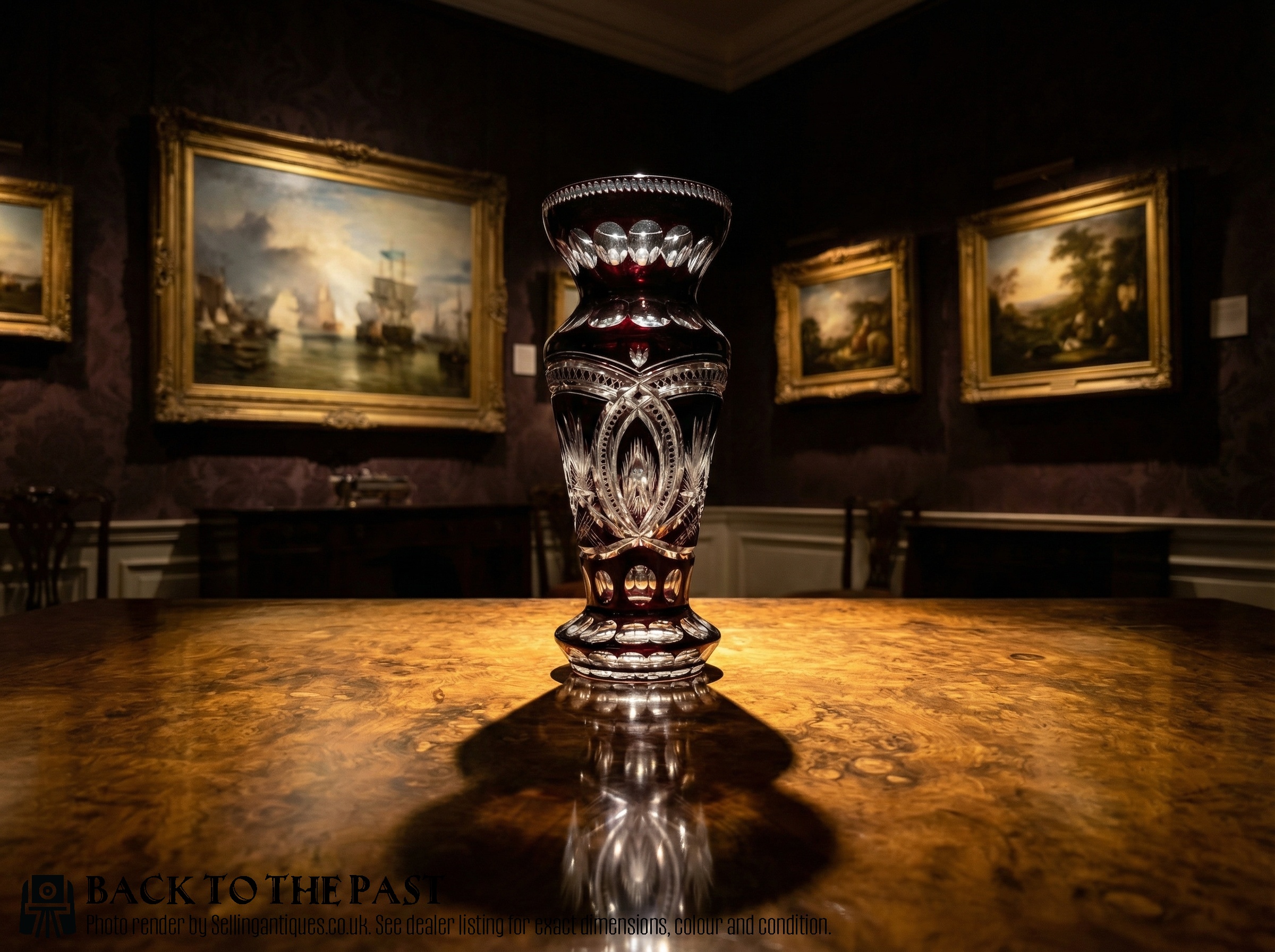
Identifying an overlay glass vase
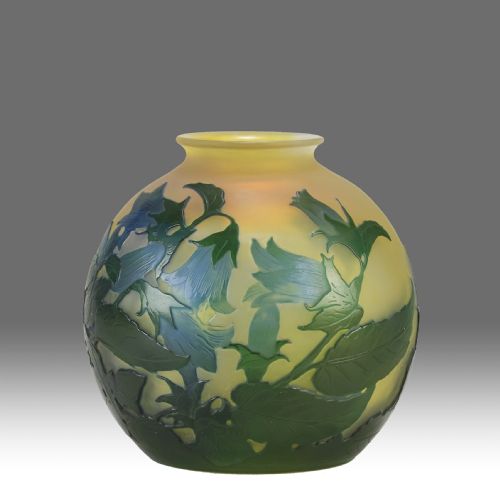
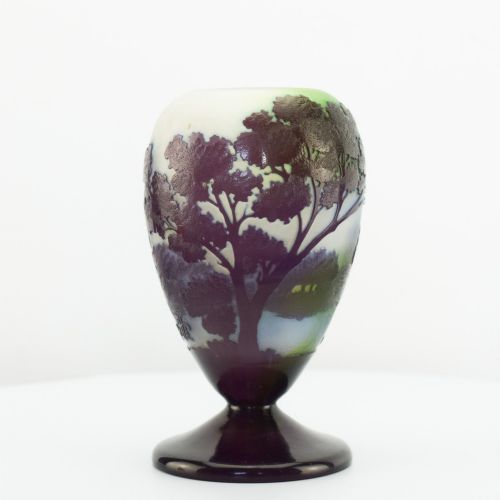
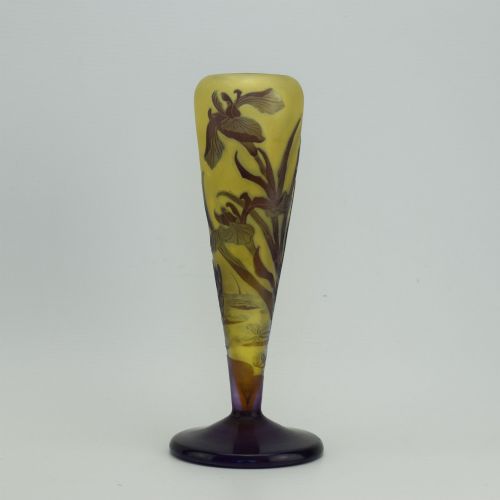
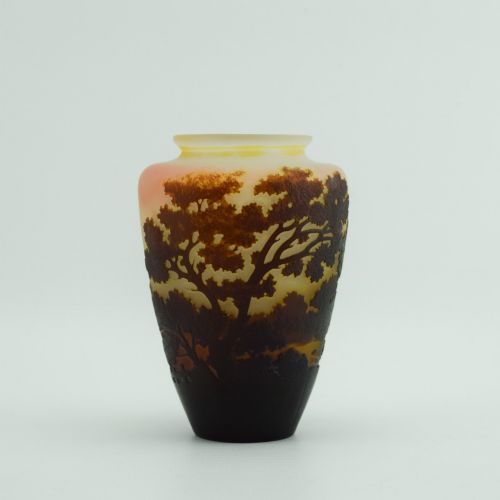
When searching for an overlay glass vase, collectors encounter diverse forms spanning the Victorian, Art Nouveau, and Art Deco periods. These vessels showcase multiple layers of coloured glass fused together, often featuring botanical motifs or geometric patterns.
The most common examples on this page date from the early 20th century, particularly French Art Nouveau productions and Bohemian works. Vases range from bulbous shapes to slender bud vases and baluster forms.
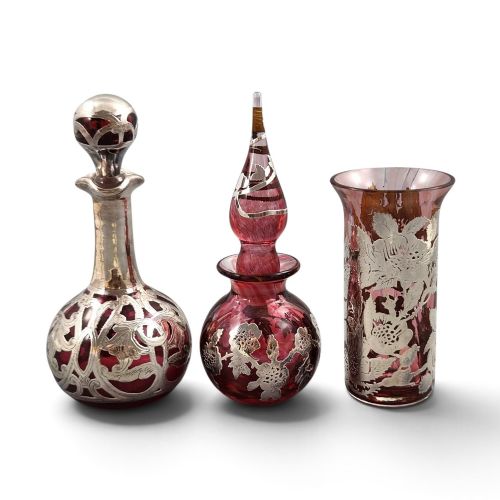
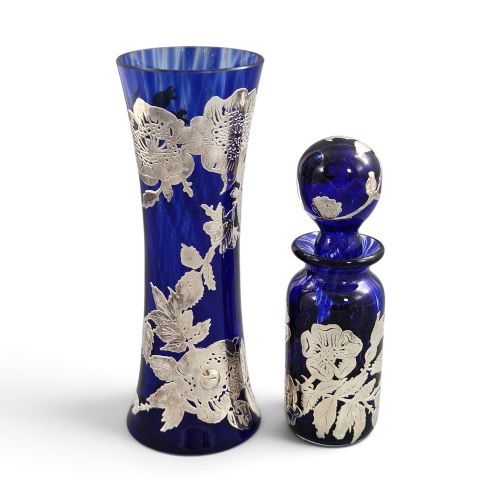
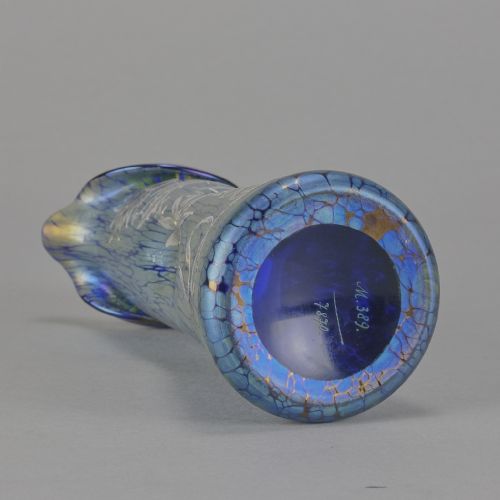
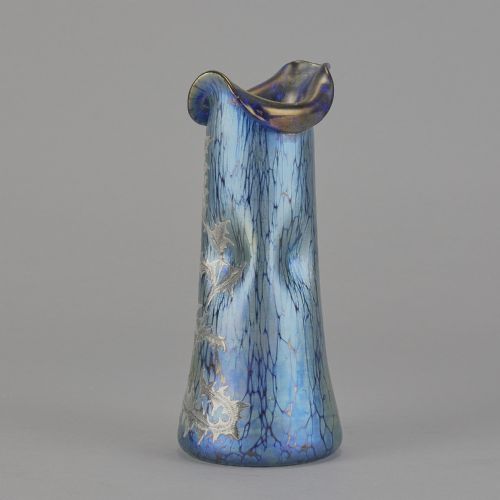
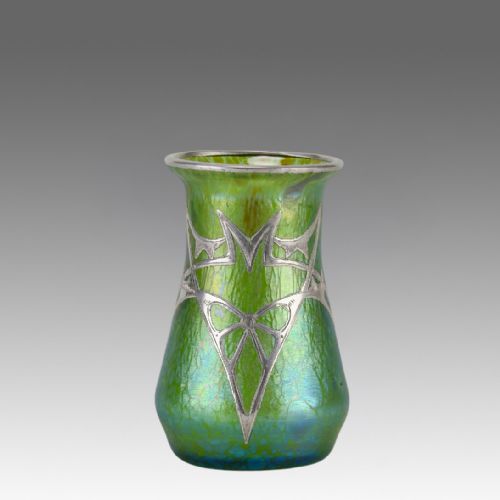
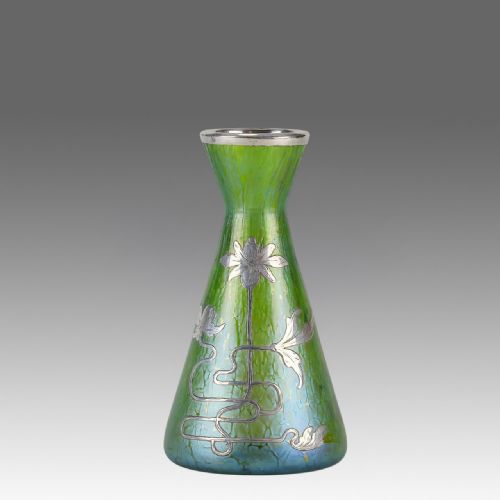
Origins include notable European workshops in France, England, and Belgium, alongside historic Bohemian glass houses. Pieces frequently utilise techniques such as cameo carving or metal applications like silver overlay.
Methods and materials
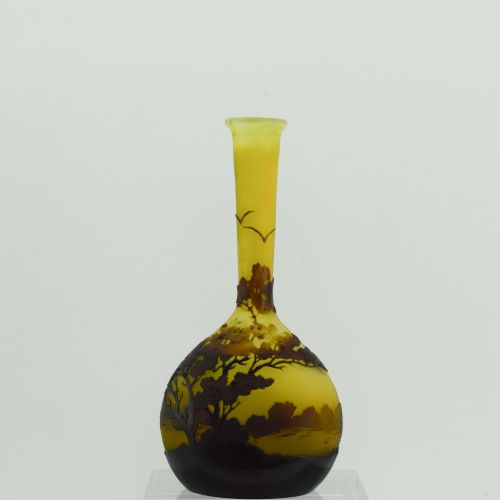
Makers utilised cased glass, cameo glass, and frosted lead crystal as foundational materials. Layers of distinct coloured glass were gathered together while molten and blown into the desired vase shape.
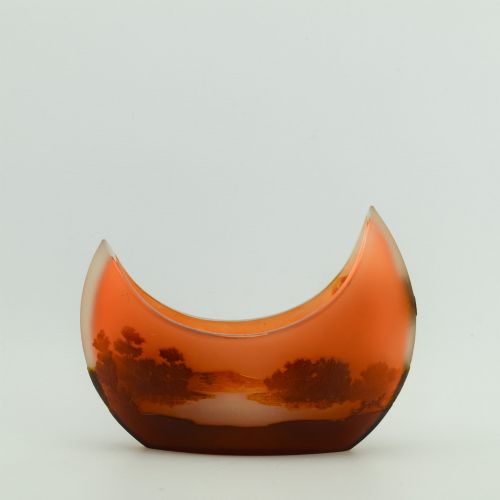
Craftsmen applied acid-etching or hand-carved the outer layer away to reveal contrasting colours beneath. Some examples incorporated metalwork, featuring copper or silver overlay secured directly to the glass surface.
Retail Price Guide 2026
Typical UK retail prices for overlay glass vase, calculated from the Sellingantiques database of over a million retail prices indexed since 2003. This retail price guide relies exclusively on Sellingantiques data; no external sources or auction records are used, so the figures do not describe the wider market.
Listings feature pieces from the Victorian, Art Nouveau, and Art Deco periods, utilising cameo, frosted, and cased glass.
Assessing quality and execution
Quality rests in the precision of the carving and the depth achieved through multiple glass layers. Superior pieces display crisp definition between the background and the raised design, without blurring at the edges.
The sophistication of the silhouette and the harmony of the contrasting glass colours distinguish finer examples. Works bearing signatures from renowned makers demonstrate superior artistic vision and technical mastery.
Emile Gallé·Val St. Lambert·Stevens & Williams·Daum Frères·Ferdinand von Poschinger
The Overlay Glass Vase Glossary
- Cameo glass
- A form of layered glass created by carving or acid-etching away an exterior stratum to reveal a contrasting colour underneath. This technique allows for intricate relief decoration.
- Cased glass
- Glass composed of two or more distinct layers of different colours fused together during the blowing process. It forms the essential blank for subsequent cutting and etching.
- Silver overlay
- Sterling silver ornamentation applied directly to the exterior of a finished glass vessel. The metal is typically worked into floral or abstract Art Nouveau patterns.
- Acid-etched glass
- A method where hydrofluoric acid is applied to bite into the surface of the glass, creating frosted textures or design relief. It replaced arduous hand-grinding for many decorative details.
- Lead crystal
- Glass containing a significant proportion of lead oxide, which increases weight, brilliance, and clarity. It provides a resonant ring when struck and an enhanced refractive quality.
Frequently Asked Questions
How are overlay glass vases cleaned?
Wash them gently by hand using lukewarm water and mild soap, avoiding abrasive cloths or harsh chemical cleaners that might harm the surface. Dry them carefully with a soft lint-free towel to maintain the clarity of the glass.
Take particular care with examples featuring metal applications like silver or copper overlay. Submerging these pieces for extended periods can damage the metallic elements or underlying adhesives.
How do I spot silver overlay?
Silver overlay appears as a decorative metallic framework bonded directly onto the exterior of the glass vessel. It often displays hallmarks or maker stamps indicating the purity and origin of the metal.
Run a finger lightly across the surface to feel the distinct rise of the metal above the glass. Authentic pieces integrate the silver securely into the contours of the design.
Are these vases signed?
Many fine examples carry etched or enamelled signatures from the maker or studio near the base. Signatures help attribute the work to specific designers and workshops active during the period.
Unsigned pieces remain common, particularly among Victorian and Bohemian productions. Evaluation of unsigned items relies on material quality, manufacturing technique, and stylistic markers.