


Oval Silver Serving Dish
An oval silver serving dish brings real presence to a table, combining practical capacity with the gleam of solid metal or plated silver.
Oval Silver Serving Dish
When you search for an oval silver serving dish, you encounter a variety of forms designed to present food at the dining table. The selection spans distinct eras from the eighteenth century through to the Edwardian period, encompassing styles such as Georgian, Victorian, Regency, and William IV.
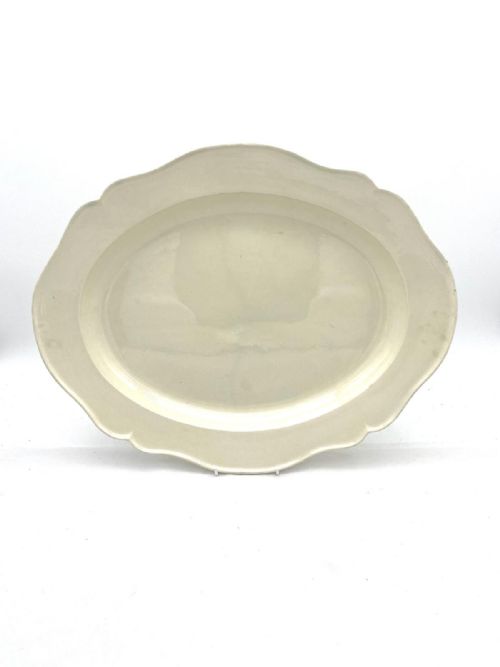
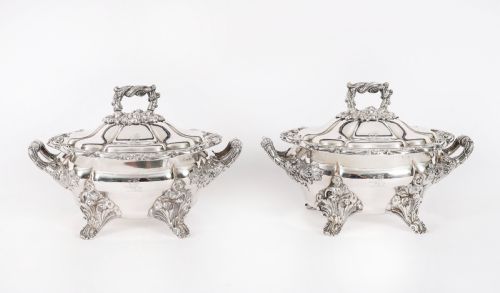
The pieces you find here range from substantial platters and trays to lidded entree dishes, sauce tureens, meat domes, and warming dishes. Alongside standard silver and silver plate, the listings include specialised materials like Old Sheffield Plate, copper, nickel silver, and even creamware.
Victorian and Edwardian silver-plated items appear frequently, often offered in matched pairs for formal dining arrangements. Solid sterling silver examples from the Georgian and Victorian eras provide heavier, more traditional alternatives for the collector.
Materials and construction
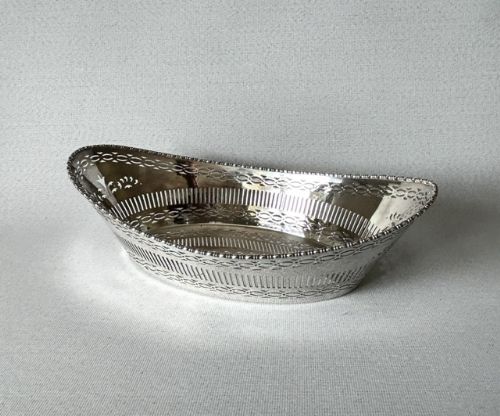
The manufacture of these pieces relies on traditional metalworking techniques, utilising sterling silver, silver plate, Old Sheffield Plate, and nickel silver. Craftsmen shaped the metal through hammering and rolling before applying decorative elements such as floral engraving or pierced borders.
Earlier items utilise Old Sheffield Plate, which fuses a thin layer of silver to a copper base, or creamware finished with a silver-shaped glaze. Later Victorian and Edwardian examples often employ electroplating on a base metal, known as EPNS, to achieve a durable reflective surface.
Some warming dishes include internal compartments once filled with boiling water to keep gravy from congealing during long Georgian dinners.
Evaluating quality and finish
Quality in these serving pieces rests upon the crispness of the chased or engraved detail and the integrity of the base metal. Superior examples retain their original plating without excessive wear showing the underlying copper or base metal.
The weight of the piece and the balance of its handles or lids indicate the level of craftsmanship invested during its production. Maker marks from established silversmiths further distinguish finer items from standard commercial production.
Mappin & Webb·Henry Wilkinson·Walker & Hall·Robert Breading·Martin Hall
The Oval Silver Serving Dish Glossary
- Old Sheffield Plate
- An early method of fusing silver to a copper core before electroplating was invented. Pieces made this way often reveal faint hints of copper along exposed edges.
- Entree dish
- A covered vessel designed to keep courses warm at the table. These often feature removable handles to allow the lid to double as a secondary serving dish.
- EPNS
- Electroplated Nickel Silver, a common nineteenth-century base material for silver-plated items. It provides a sturdy structure beneath the silver coating.
- Meat dome
- A large, domed cover used to keep joints of meat warm during carving. They frequently include an oval footprint to match the serving platter.
- Creamware
- A fine earthenware developed in the eighteenth century, sometimes shaped and glazed to mimic metal serving vessels.
Oval Silver Serving Dish: Frequently Asked Questions
How do I clean an antique silver plated dish?
Use a gentle silver cloth or a mild, non-abrasive silver polish formulated for antiques. Avoid harsh dips that can strip thin plating from older items.
Take care around engraved patterns and soldered joints where old polish can accumulate. Regular, soft dusting helps preserve the remaining finish.
Can I use these dishes for daily dining?
Many solid silver and robust silver-plated pieces remain entirely functional for modern meals. Hand washing is essential to protect the surface from harsh dishwasher detergents.
Avoid cutting directly on silver or plated surfaces to prevent deep scratches. Proper care allows these functional antiques to serve at the table once more.
What is the difference between Old Sheffield Plate and silver plate?
Old Sheffield Plate involves physically fusing a sheet of silver to a copper ingot and rolling them together. This mechanical bond is typically thicker than later chemical electroplating.
Electroplated nickel silver, introduced later in the nineteenth century, uses an electrical current to deposit a layer of silver. Examining the edges often reveals the underlying copper base on older fused items.
How do I date an unmarked serving dish?
Examine the overall style, manufacturing technique, and shape of the piece for clues. Georgian and Regency items often feature heavier hand-hammered construction, while Edwardian pieces lean towards lighter decorative plating.
Comparing the form to known hallmarked examples helps narrow down the decade of production. Form and weight remain the most reliable guides when stamps are absent.