


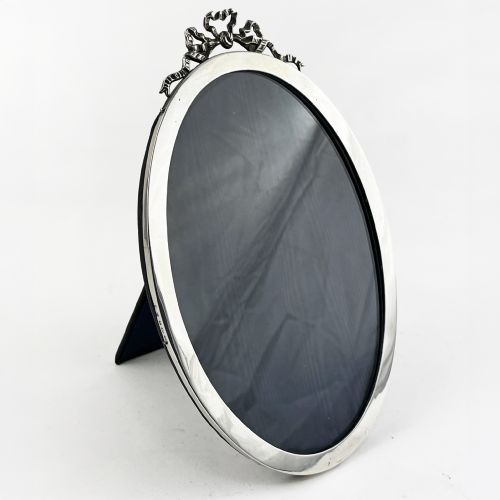

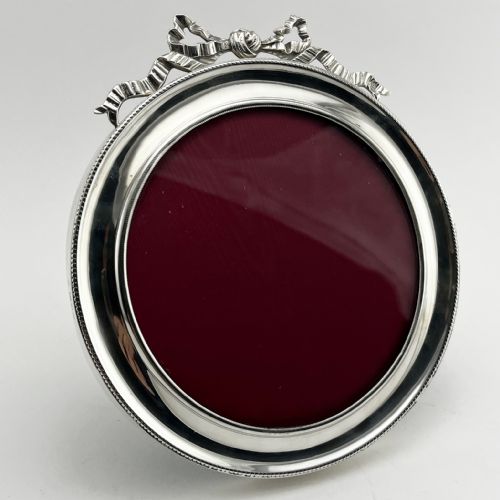


Oval Portrait Photo Frame
An oval portrait photo frame offers a refined way to display treasured likenesses, combining period charm with enduring metal and glass craftsmanship.
Oval Portrait Photo Frame
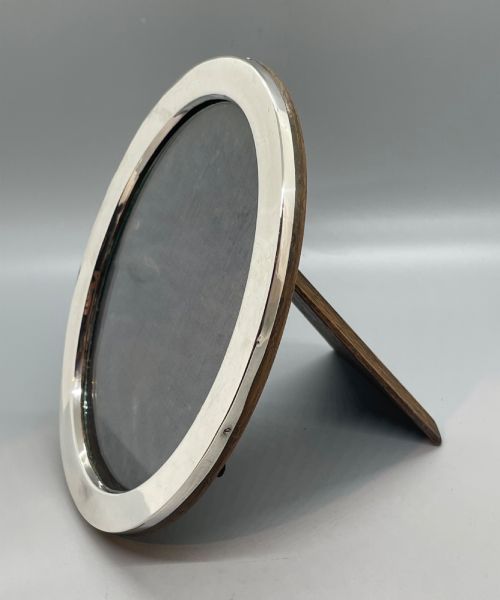
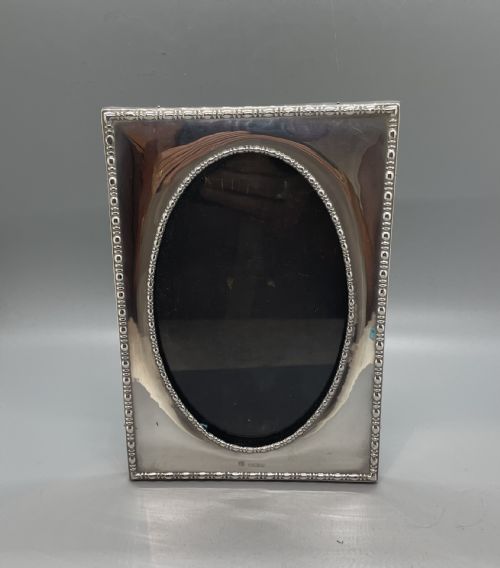
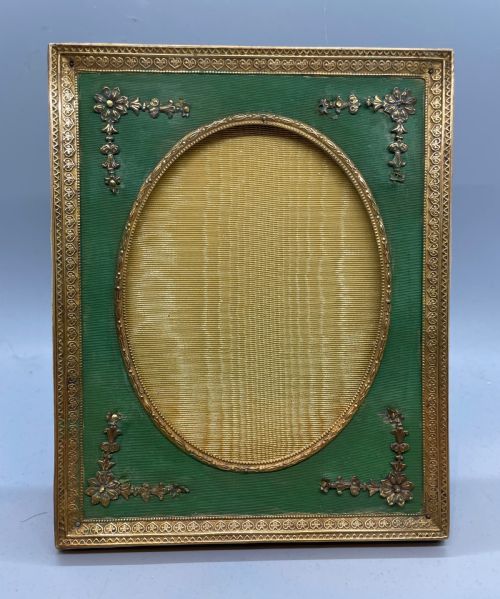
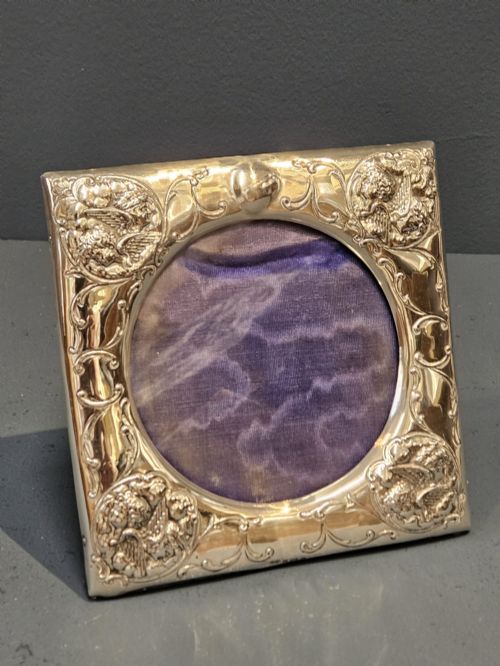
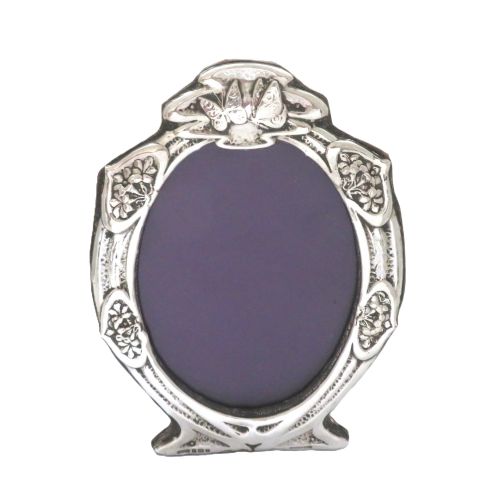
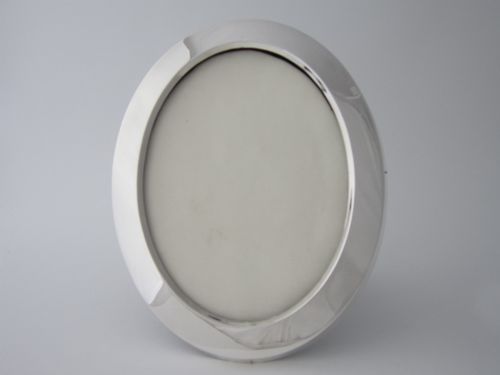
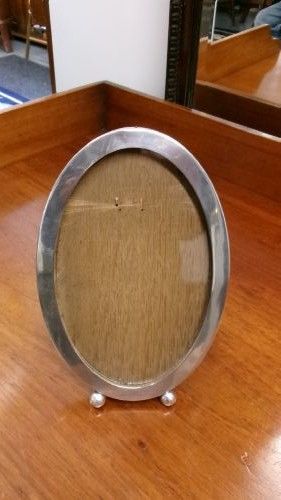
An oval portrait photo frame is designed specifically to house vertical likenesses, drawing the eye naturally towards the centre of the composition. When exploring an oval portrait photo frame collection, buyers frequently encounter sterling silver, brass, and ormolu examples from the Victorian, Edwardian, and Art Deco periods.
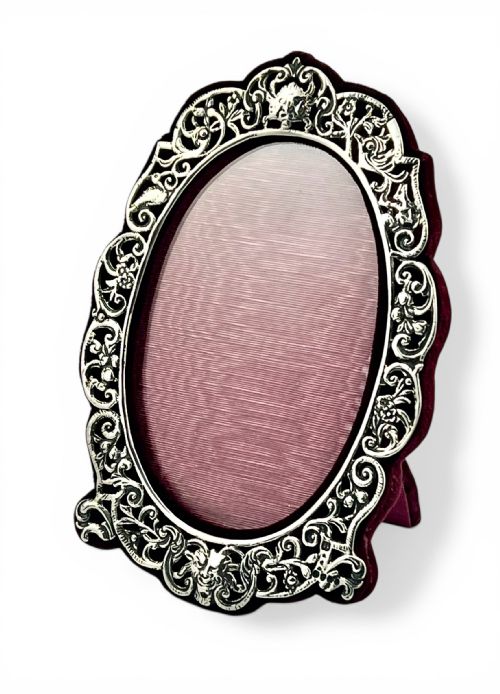
The selection ranges from restrained plain borders to ornate embossed silver and cast gilt bronze designs. Pieces from the early twentieth century often display distinctive stylistic flourishes typical of the Edwardian era and George V years.
Makers frequently utilised glass viewing windows paired with velvet or fabric backing boards supported by folding easels. These objects function equally well as standalone tabletop pieces or as part of a curated gallery arrangement.
Materials and construction
Sterling silver and various metals such as brass, bronze, and chrome form the primary structural housings for these pieces. Silversmiths stamped, embossed, and cast metal sheets to create decorative borders, often incorporating wooden internal reinforcement.
Backing materials commonly include velvet, fabric, and wood fitted with hinged easel stands. Glazing relied on curved or flat glass held securely within the metal bezels.
Some frames conceal tiny Napoleonic bees cast in gilded bronze, proving that even a photograph border can harbour imperial ambitions.
Factors determining quality
Quality rests upon the crispness of the metalwork, whether hand-embossed or cast in bronze and brass. Crisp detail in motifs such as floral patterns or cherub wings distinguishes finer workshops from mass-produced output.
The integrity of the original backing materials and structural hinges also dictates the merit of a piece. Retaining the original glass and stable easel mechanism preserves both the utility and the integrity of the object.
Emile Langlois
The Oval Portrait Photo Frame Glossary
- Ormolu
- A technique of applying finely ground high-carat gold to bronze objects. This process imparts a rich, golden lustre to French picture frames and decorative metalwork.
- Easel back
- A hinged rear strut that allows a frame to stand upright on a flat surface. This structural component is frequently covered in velvet or fabric.
- Hallmark
- An official stamp applied to precious metals indicating purity, origin assay office, and year of manufacture. British silver frames often display these marks near the outer border.
- Portrait miniature
- A small, highly detailed painting or photograph, often housed in a locket or small hinged frame. These items date back to the Victorian era and earlier.
- Bezel
- The grooved rim or collar that holds the glass and photograph securely within the frame body. It ensures the portrait stays flush against the backing.
Oval Portrait Photo Frame: Frequently Asked Questions
How do I date a silver frame?
Examine the stamped hallmarks located along the outer edge or on the backing support. These tiny symbols reveal the assay office, metal purity, and date letter corresponding to the year of manufacture.
Stylistic cues such as Edwardian ribbon motifs or Art Deco geometric lines further narrow down the production period when hallmarks are rubbed or absent.
Were these always meant for portraits?
Many frames were specifically proportioned to house vertical portrait photographs and portrait miniatures. The oval format naturally complements facial compositions.
Some later designs accommodated landscape orientation, but the vertical format remains traditional for portrait display.
How should I clean a silver frame?
Use a soft microfiber cloth designed for precious metals to gently remove tarnish from sterling silver surfaces. Avoid abrasive polishes that might wear down embossed details.
Keep cleaning agents away from fabric and velvet backing materials to prevent staining or water damage.
How do I secure a photo inside?
Access the interior by releasing the small retaining clips or pivoting tabs on the reverse side of the backing board. Lift away the fabric or wood backing and the glass pane.
Trim your portrait carefully to match the oval aperture, place it behind the glass, and secure the backing firmly in place.