
Oval Picture Frame
An oval picture frame holds portraits, prints and photographs within a curved boundary that softens a room.
Oval Picture Frame
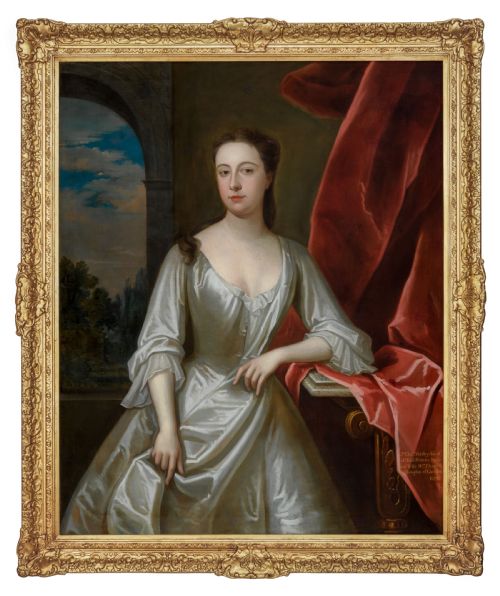
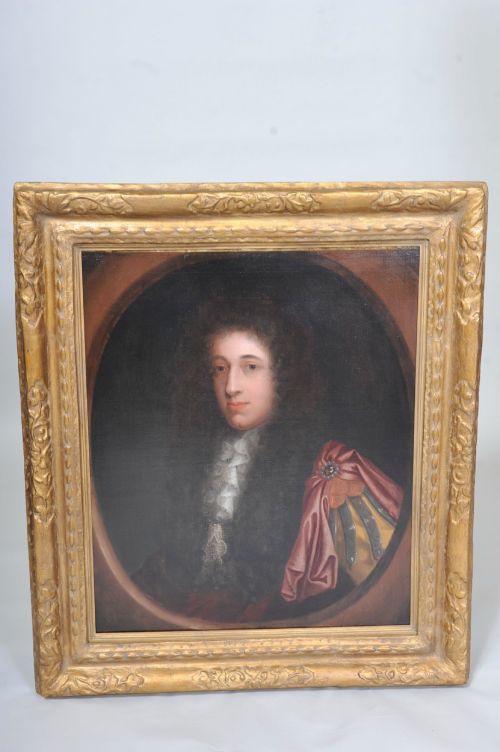
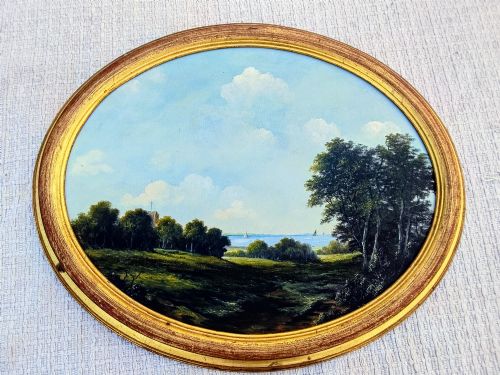
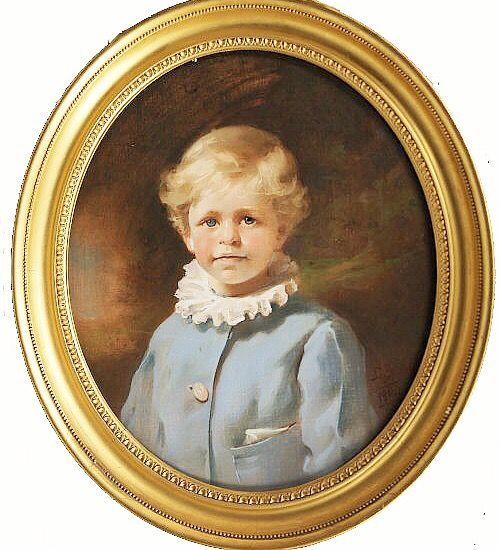
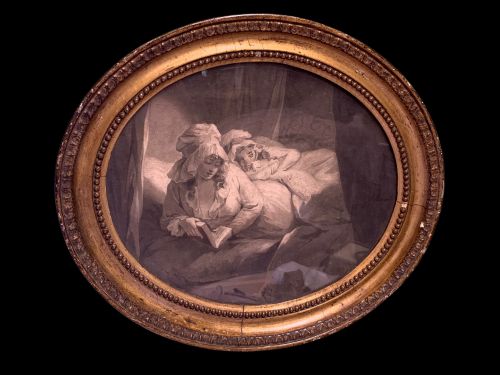
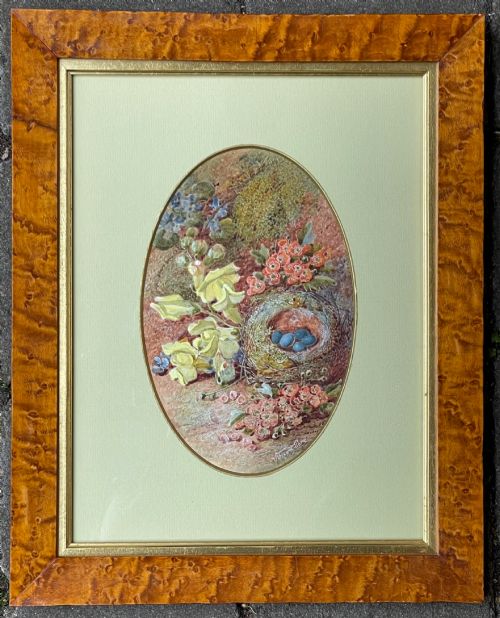
When you search for an oval picture frame, you encounter surrounds designed to house portraits, watercolours and photographs. The pieces on this page span several centuries, reaching from the eighteenth century through the Regency, Victorian and Edwardian periods into the twentieth century.
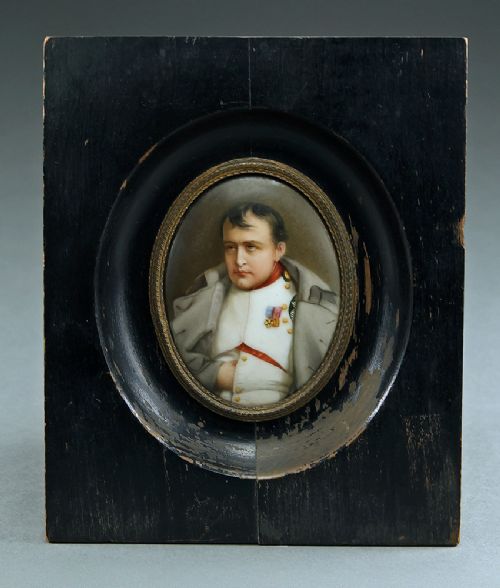
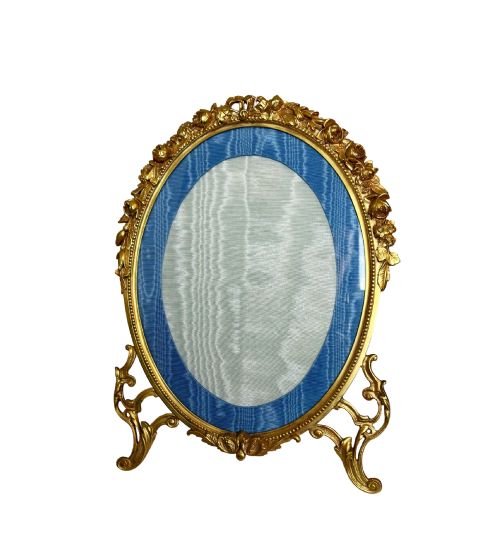
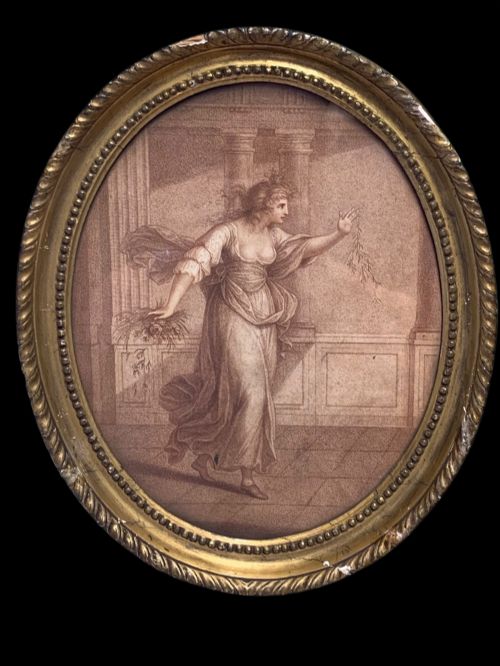
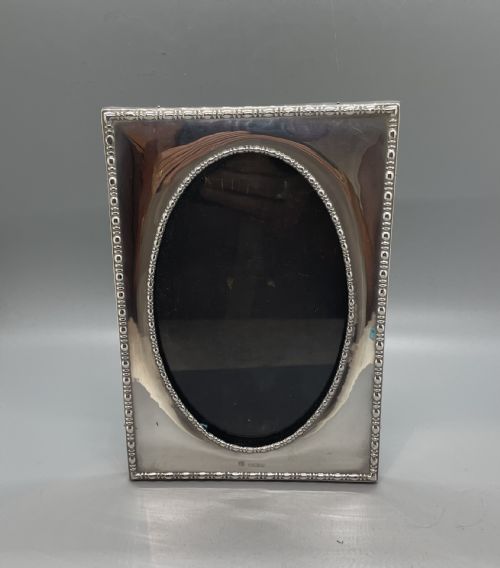
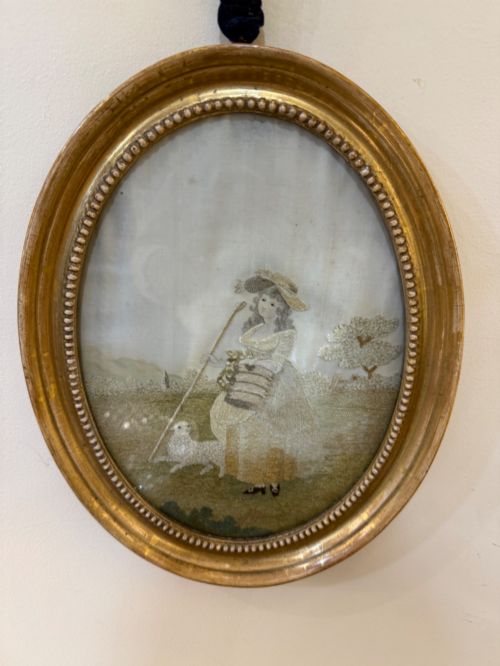
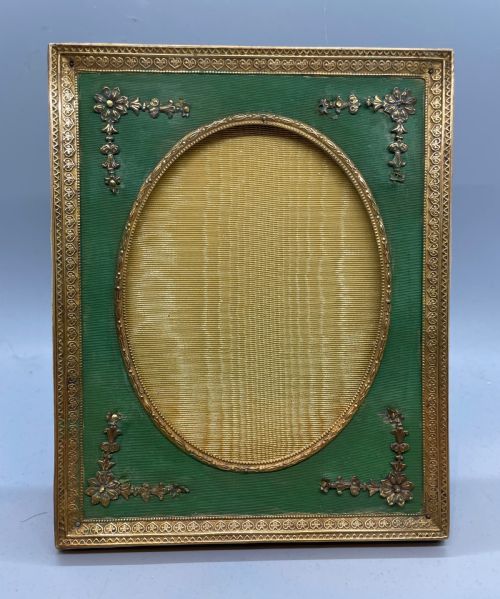
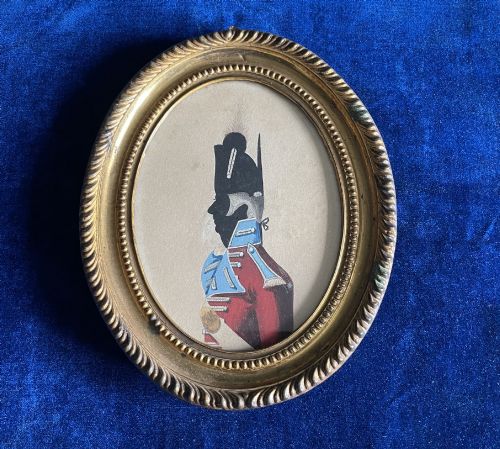
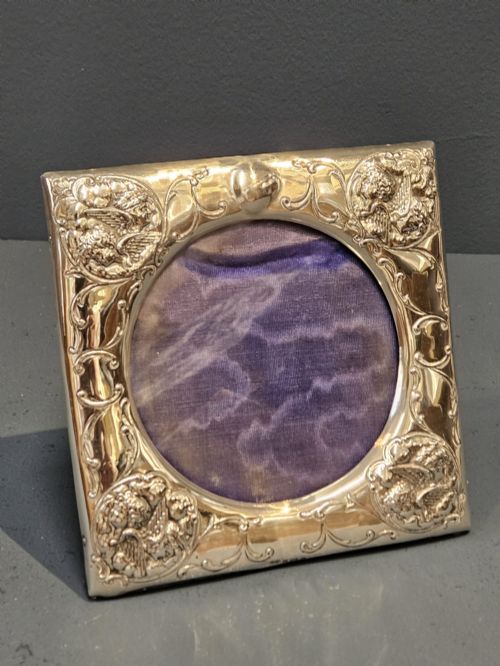
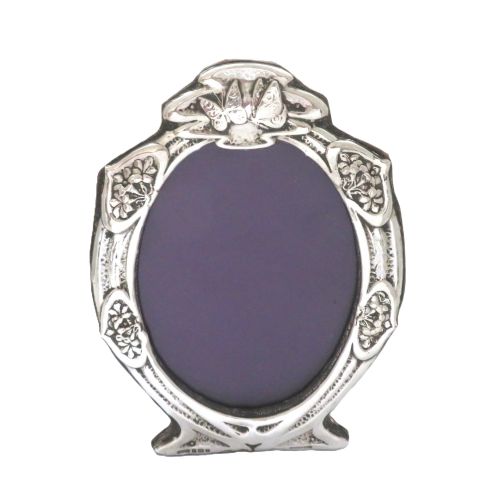
You meet varied manifestations ranging from simple silver photo surrounds to carved wooden borders and French gilt bronze mountings. Many pieces arrive already containing period works, such as pastel portraits, stipple engravings, silk work and miniature paintings.
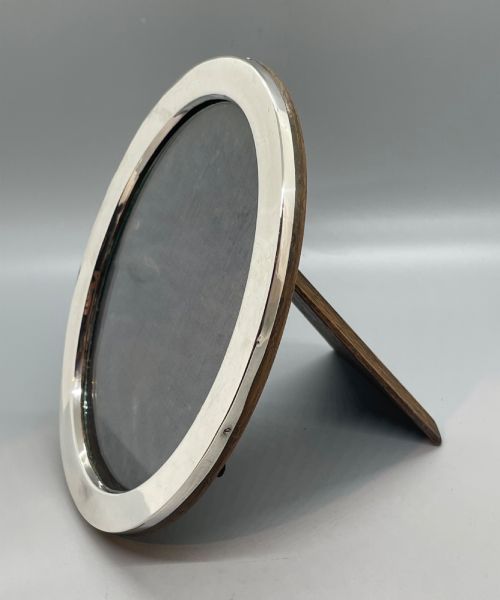
The form suits intimate portraiture, allowing the curved corners to draw the eye towards the centre of the image. The selection includes standalone desk pieces with leather backs and easel stands alongside wall-hanging specimens.
Distinctions in Quality
The standard of an oval picture frame rests on the crispness of its casting or carving and the integrity of its materials. Sterling silver examples demonstrate refinement through clear hallmarks, well-defined bead or reed borders and sturdy original backing panels.
Frames housing period miniatures or original artwork derive additional character from the harmony between the enclosure and its contents. Hand-worked details, original glass and preserved gilding distinguish finer examples from standard production.
Listings incorporate items from the eighteenth century onwards, with materials spanning sterling silver, giltwood, velvet and mother-of-pearl.
William Comyns·Mappin Bros·Louis Icart
The Oval Picture Frame Glossary
- Giltwood
- Wood that has been coated with a thin layer of gold leaf. This technique provides a luminous finish common on decorative frames.
- Ormolu
- Finely ground high-carat gold applied to a bronze base. It creates a warm, golden metallic surface found on nineteenth-century pieces.
- Stipple engraving
- A printmaking method using dots to create tonal gradations. It produces soft portraits well suited to curved surrounds.
- Miniature
- A small-scale portrait painted on ivory, vellum or card. These detailed works frequently require small oval housings.
- Easel back
- A hinged support attached to the rear of a frame. This allows the piece to stand upright on a desk or table.
Oval Picture Frame: Frequently Asked Questions
How do I date a silver frame?
Silver frames carry hallmarks that indicate the assay office, standard of metal and year of manufacture. Examining these tiny stamped letters reveals the exact period.
Matching the hallmark date with stylistic cues like Edwardian borders or Victorian ribbons confirms the timeline.
Can I hang an easel frame on the wall?
Most easel frames are designed specifically for tabletops and desks, featuring a hinged rear leg for support. Hanging them requires aftermarket fixings or dedicated wall loops.
Check the reverse of the piece before attempting wall installation to ensure the structure can bear the weight safely.
What is the difference between portrait and landscape ovals?
Portrait ovals have a vertical orientation that naturally complements standing human subjects and head-and-shoulders paintings. Landscape ovals stretch horizontally to accommodate wider views.
Both formats utilise curved perimeters to soften the geometry of interior wall displays.
How do I clean antique silver frames?
Antique silver requires gentle cleaning with a soft cloth to avoid damaging delicate raised borders or embossed motifs. Avoid harsh abrasive dips that strip away age-related patina.
Professional silver polish should be used sparingly and kept away from the glass and backing materials.