


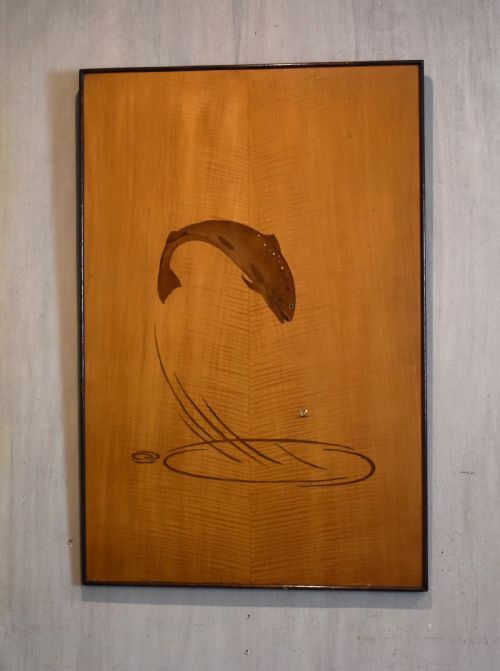


Retro Portrait Frame
A retro portrait frame houses mid-century faces and canine studies, bringing character and colour to a wall through genuine period brushwork.
Retro Portrait Frame
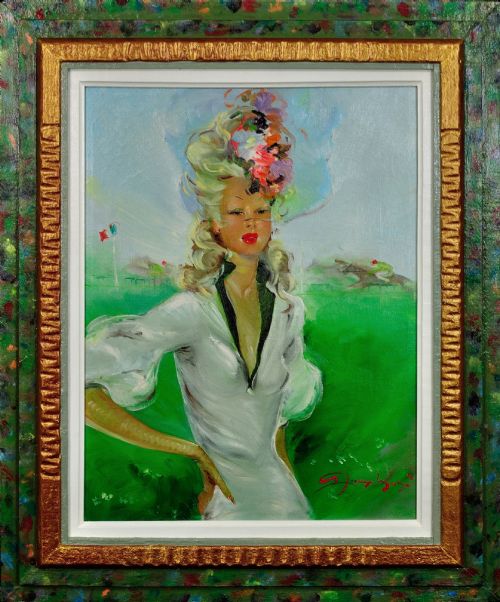
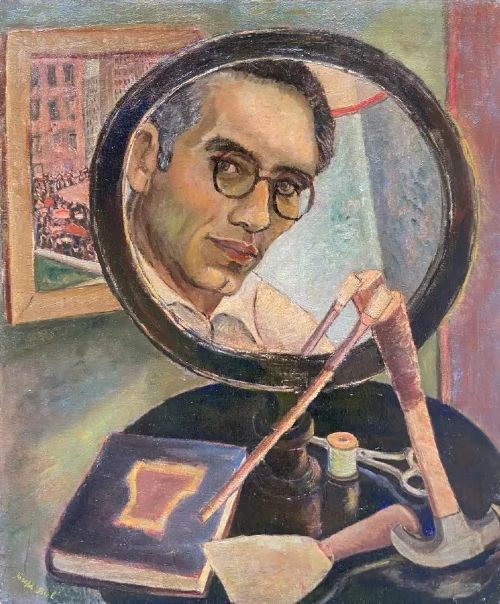
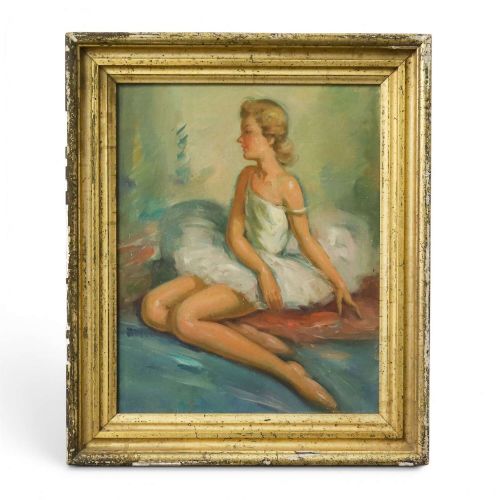
A retro portrait frame typically contains mid-century paintings and drawings spanning the 1920s to the 1960s. These pieces include oil on canvas, oil on board, and older studio drawings set within period surrounds.
Buyers encounter works created across several decades, showing how portraiture evolved through the mid-century period. Each framed artwork preserves the aesthetic of its original decade.
What Varies in Quality
The calibre of a retro portrait frame rests on the execution of the brushwork and the harmony between the art and its surround. Stronger pieces display confident handling in oil paint or secure joinery in chrome and glass.
Condition varies from pristine studio drawings to worn gilt frames showing age. The depth of the subject matter, from domestic animals to academic nudes, distinguishes individual works.
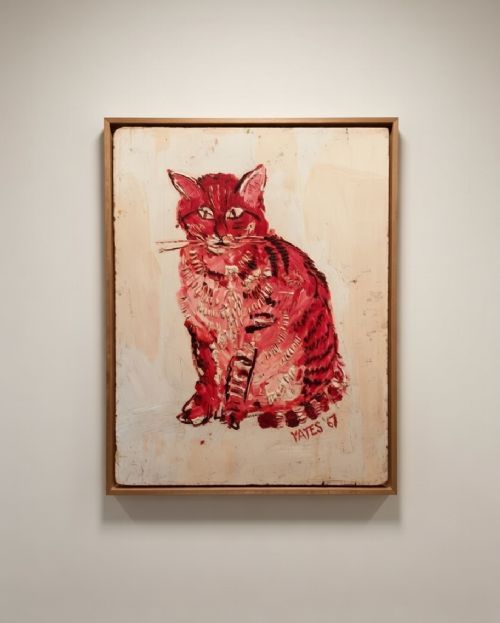
Cats, dogs, and lions share wall space here, proving that mid-century artists loved painting their pets just as much as people.
Jean-Gabriel Domergue·Joseph Biel·Tony Giles·Fred Yates·Yetta Kane·John Osborn
The Retro Portrait Frame Glossary
- Oil on canvas
- Pigment bound in drying oil applied to stretched fabric. This traditional medium allows for rich colour blending and texture.
- Oil on board
- Pigment applied to a rigid wooden or composite panel. It provides a firm surface favoured for smaller or direct studies.
- Gilt
- A thin layer of gold leaf or metallic gilding applied to wood frames. It adds reflective warmth around the central artwork.
- Marquetry
- Pieces of fitted veneer arranged to form decorative patterns on wood surfaces. This technique appears in specialised panels rather than standard surrounds.
- Academic realism
- A style of painting produced under the influence of European academies of art. It emphasises precise anatomical accuracy and detailed observation.
Retro Portrait Frame: Frequently Asked Questions
How do I date a retro portrait frame?
Dating relies on stylistic clues within the painting and the materials of the frame itself. Mid-century pieces often display signatures, dates, or construction methods typical of the 1930s through the 1960s.
Examining the back of the board or canvas reveals ageing clues such as old paper tape or oxidation on the wood. Comparing the subject matter to known periods helps narrow down the decade.
Are these frames sold with the paintings inside?
Most listings offer the artwork and the frame together as a single complete item. The frame is treated as an integral housing for the oil painting or drawing.
Buyers receive the combined piece exactly as curated by the dealer. Individual frames rarely separate from their original canvas or board.
What subjects appear in these vintage portraits?
The selection includes human figures such as fashionable ladies, ballerinas, and female nudes. Artists also captured animals including boxer dogs, cats, and lions.
Studio drawings and self-portraits add personal or preparatory depth to the collection. Each subject reflects the artistic interests of the mid-century decades.
How should I care for an oil painting in a vintage frame?
Keep the artwork away from direct sunlight and excessive moisture to protect both the oil paint and the wooden or gilt surround. Gentle dusting with a soft, dry cloth maintains the surface.
Avoid using liquid cleaners on the canvas or the frame moulding. Professional conservators should handle any repairs to the paint layer.