


Glass Photo Frame
These glass photo frame examples bring genuine period character to a tabletop or wall, combining practical display with decorative craftsmanship.
Glass Photo Frame
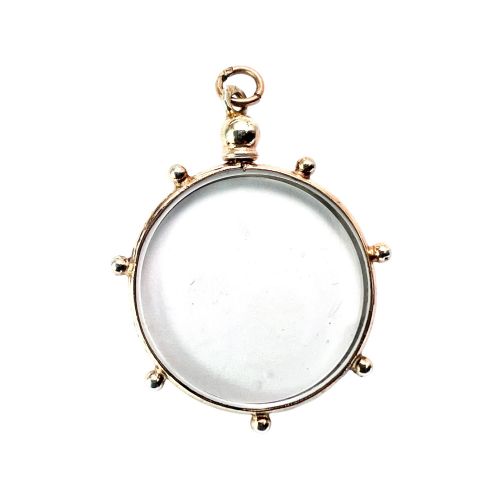
A glass photo frame serves as both a functional holder for cherished images and a decorative object in its own right, appearing in periods from the Victorian era through the Art Deco epoch. You will find these pieces taking the form of free-standing desk frames, hinged triptychs, and bevelled wall displays.
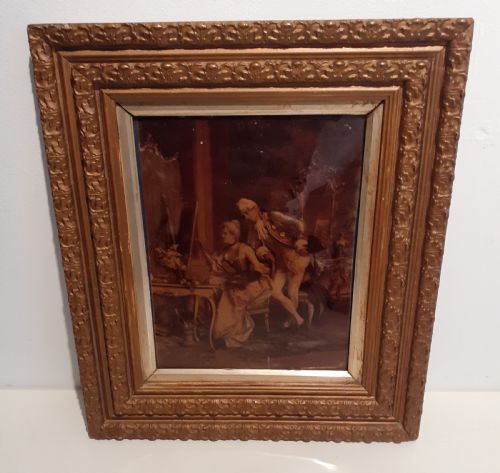
The materials span from plain glass and bevelled mirrors to combinations with chrome, silver, ormolu, and marble. Examples range from simple geometric shapes of the 1930s to ornate Victorian and Edwardian iterations featuring detailed metalwork and reverse-painted inserts.
Materials and construction
Makers utilised clear, bevelled, and mirrored glass alongside structural metals such as chrome, silver, and ormolu. Glass was frequently cut, bevelled at the edges to catch the light, and fitted into metal backings or stands.
Decorative elements involve engraving upon the glass itself, alongside applied metal mounts in styles spanning from Art Deco geometry to Victorian rococo revival. Some pieces incorporate paper backing, gilt wood, or marble bases to provide stability and visual contrast.
Some frames double as miniature menageries, featuring cold-painted bronze cats with glass eyes keeping watch over the photograph.
Assessing quality and craftsmanship
Quality reveals itself in the precision of the glass bevelling and the weight of the supporting metal frame, whether cast in ormolu, forged in chrome, or worked in silver. Better examples display crisp lines in the glass cutting and secure joins in the structural mountings.
The refinement of secondary materials, such as engraved detailing on the glass surface or the solidity of marble and gilt wood bases, separates standard production from finer decorative pieces.
The Glass Photo Frame Glossary
- Bevelling
- The practice of cutting an angled edge around the perimeter of a piece of glass to catch the light and enhance visual depth.
- Ormolu
- A golden-coloured metallic alloy used as a gilt coating for mounts and decorative frames during the nineteenth century.
- Triptych
- A picture frame or mirror divided into three sections, often featuring hinged side panels that fold inwards.
- Crystoleum
- A Victorian method of applying hand-colouring to the back of a photograph or print placed beneath glass.
- Autochrome
- An early colour photography process using dyed potato starch grains on glass plates, producing luminous coloured images.
Glass Photo Frame: Frequently Asked Questions
How do I date a glass photo frame?
Dating relies on observing the prevailing style, such as the geometric lines of Art Deco pieces from the 1930s or the ornate cast metalwork typical of Victorian and Edwardian items.
The materials and assembly techniques, including the type of glass bevelling and backing fasteners, also help anchor the piece to a specific decade or period.
Can these frames hold modern photographs?
Many historical frames accommodate standard photographic prints, though older apertures may vary slightly from modern sizing conventions.
Care should be taken when opening older backing mechanisms, as vintage metal hinges and glass panels require gentle handling during any photograph insertion.
How should I clean antique glass frames?
Cleaning requires mild, non-abrasive glass cleaner applied to a soft cloth rather than directly onto the surface, preventing moisture from seeping behind the glass.
Metal components like silver, chrome, or ormolu should be dusted carefully with a dry cloth to preserve any patination without damaging adjacent glass edges.
Where should I place a glass frame?
These pieces suit placement on mantelpieces, dressing tables, or desks where natural light can pass through or reflect off the glass surfaces.
Wall-mounted variants benefit from locations with stable support, away from areas subject to excessive vibration or heavy foot traffic.