

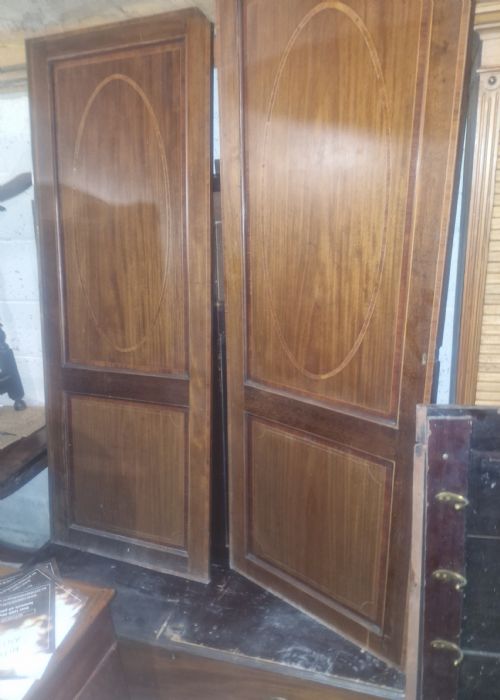


Oval Inlay Cupboard
An oval inlay cupboard brings refined geometry and rich timber into a room, offering practical storage disguised in classic lines.

Oval Inlay Cupboard
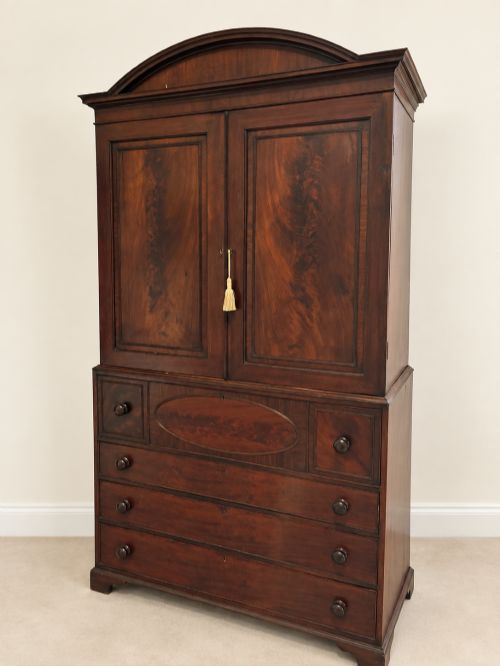
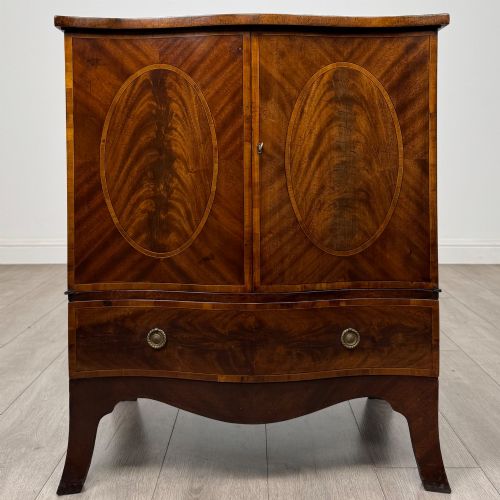
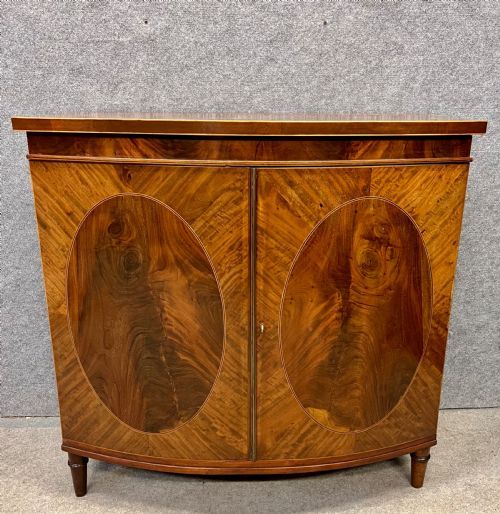
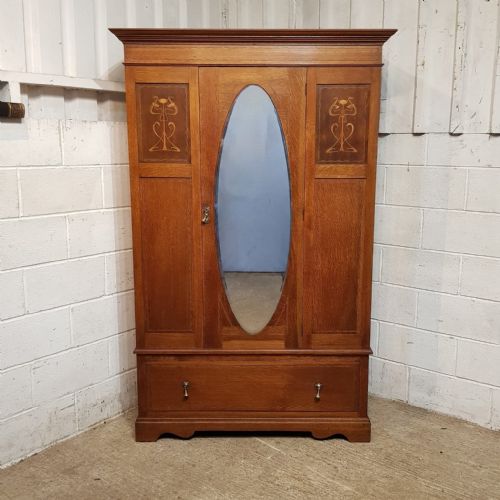
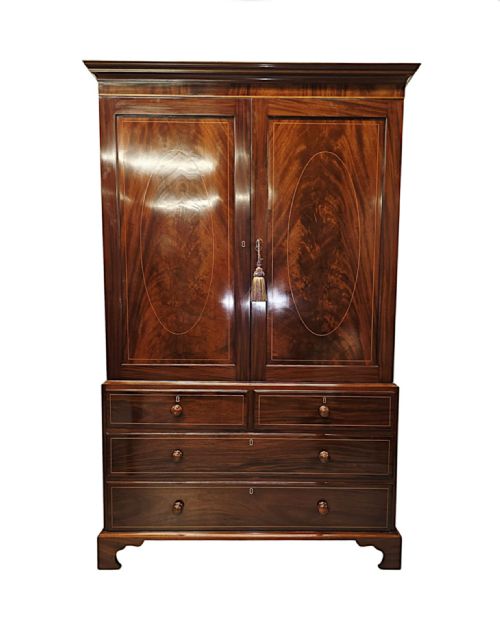
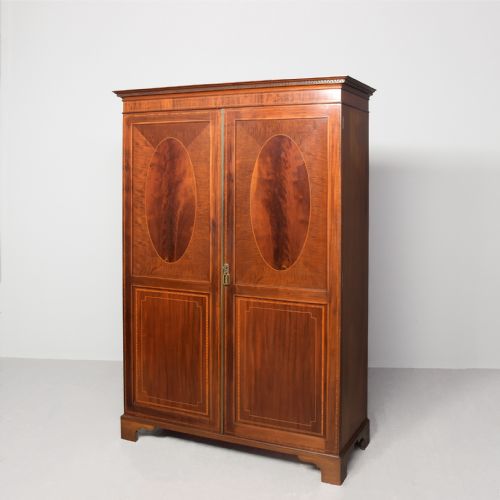
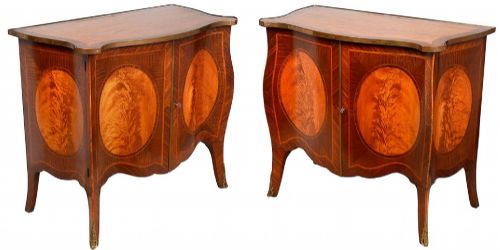
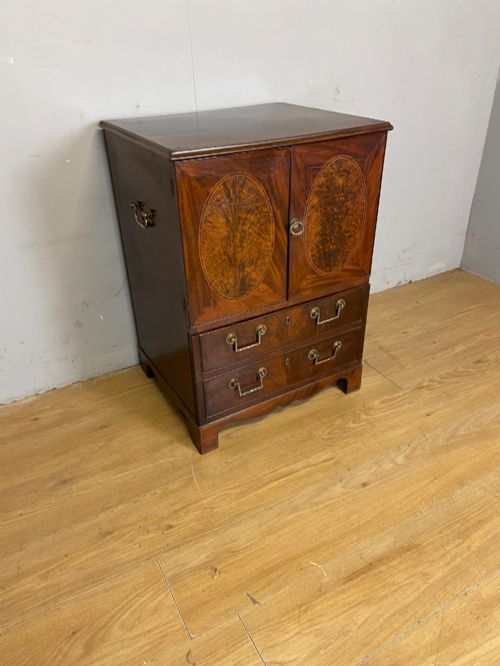
An oval inlay cupboard encompasses a variety of storage furniture primarily drawn from Georgian, 18th century, 19th century, and Edwardian periods. Buyers searching for an oval inlay cupboard will encounter forms ranging from large linen presses and wardrobes to side cabinets, commodes, and bedside tables.
The materials and styles span Georgian, Sheraton, and Arts and Crafts traditions, reflecting both formal mahogany furniture and lighter revival pieces. Pieces frequently utilise satinwood, boxwood, and brass alongside mahogany and oak foundations to create distinct focal points.
How they were made
Cabinet makers utilised solid timbers such as mahogany, oak, and walnut for structural stability, applying flame mahogany veneer and contrasting woods to surfaces. Artisans incorporated intricate satinwood inlay and boxwood banding to define geometric ovals and panels.
Hardware typically involves cast brass handles and escutcheons fitted to doors and drawers. Construction methods include traditional joinery adapted to large linen presses, wardrobes, and smaller bedside tables.
Listings feature mahogany, satinwood, and boxwood across Georgian and Edwardian periods, including linen presses, side cabinets, and bedside tables.
What varies in quality
The calibre of an oval inlay cupboard depends upon the precision of the cabinet work and the selection of timber veneers. Flame mahogany and contrasting satinwood inlays demand immense skill to align harmoniously across curved or flat doors.
Proportion and architectural detailing distinguish exceptional examples from standard production. Refined cornices, well-executed bracket feet, and balanced inlay work elevate the presence of a linen press or side cabinet.
The Oval Inlay Cupboard Glossary
- Linen Press
- A tall storage piece comprising upper cupboard doors enclosing sliding trays, placed above a base of drawers. This form was traditionally utilised for storing freshly laundered household textiles.
- Satinwood
- A durable, lustrous timber native to India and the West Indies, displaying a golden yellow sheen. It was frequently used for contrasting stringing and oval panel inlays.
- Boxwood
- A dense, pale wood employed by cabinet makers for fine inlay lines and stringing. It provides sharp visual contrast against darker grounds like mahogany.
- Flame Mahogany
- A highly figured timber veneer harvested from the fork of the mahogany tree. The distinctive pattern resembles flickering flames across the polished surface.
- Sheraton
- A neoclassical design style popular in the late 18th century, named after designer Thomas Sheraton. It is characterised by straight tapered legs, satinwood highlights, and delicate oval or urn inlays.
Oval Inlay Cupboard: Frequently Asked Questions
What is a linen press?
A linen press is a tall case piece designed for storing folded textiles and garments. It combines upper cupboard doors with a chest of drawers forming the lower section.
Historically, households utilised these cabinets to keep linens flat and protected from dust before modern wardrobes became common.
How do I care for mahogany furniture?
Mahogany furniture requires stable indoor humidity and protection from direct sunlight to prevent timber splitting or fading. Regular dusting with a soft, dry cloth preserves the polished surface without chemical buildup.
Occasional application of appropriate wax feeds the timber and maintains its natural lustre.
How do I distinguish Georgian from Edwardian pieces?
Georgian pieces originate from the 18th and early 19th centuries, displaying heavier proportions and hand-cut joinery. Edwardian items date from around 1900 and often show lighter Sheraton revival influences with machine-assisted precision.
Examining the secondary timbers inside drawers helps clarify the period of manufacture.
Where were side cabinets placed?
Side cabinets served auxiliary storage functions in dining rooms, halls, or bedrooms. They held tableware, documents, or personal items depending on the room configuration.
Their varied proportions allowed them to fit into alcoves and smaller wall spaces where large wardrobes could not go.