

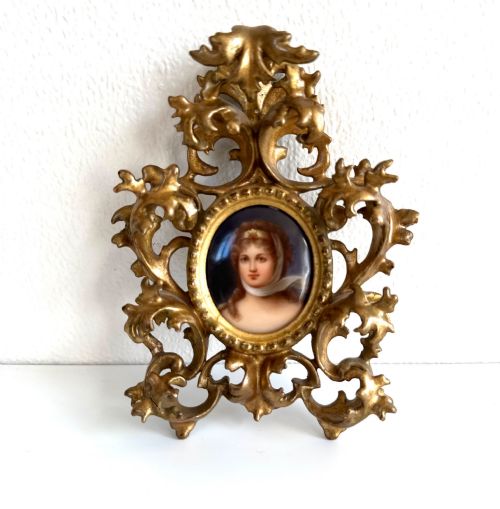
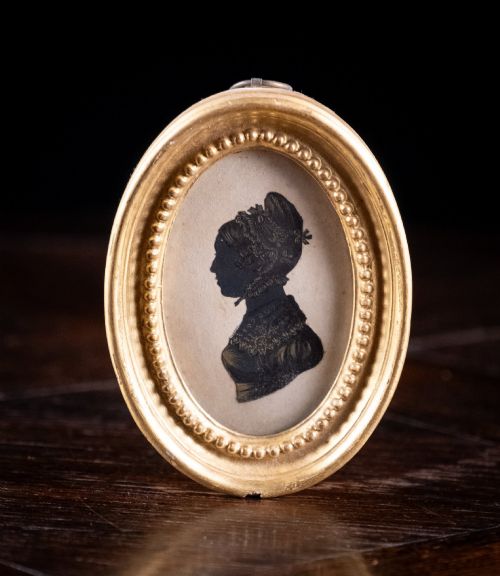
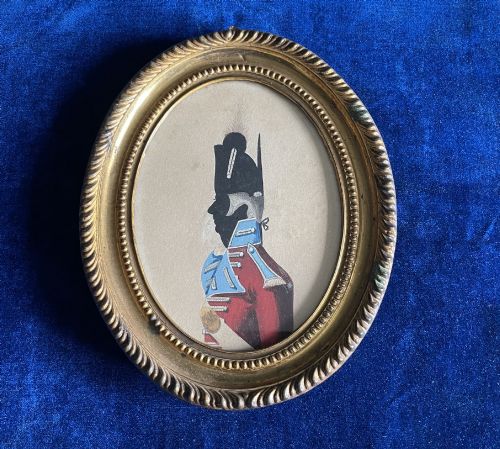
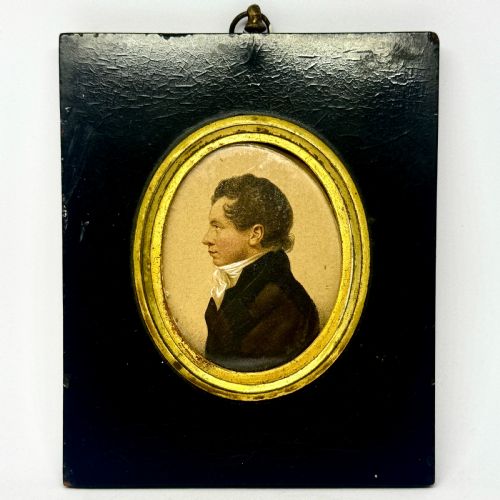
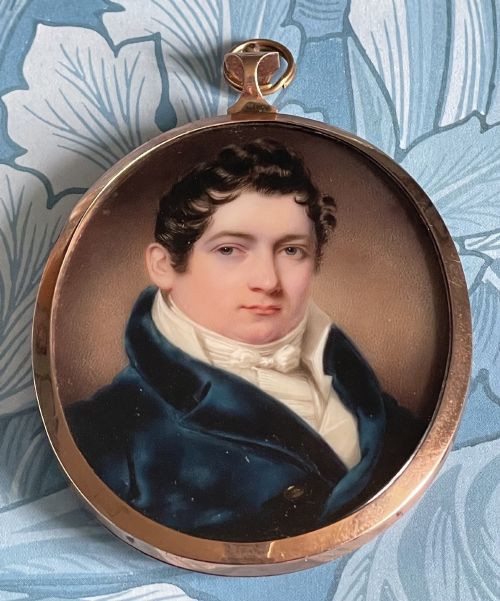
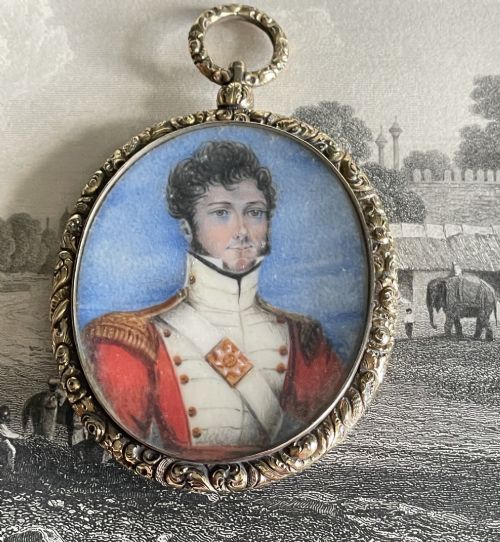
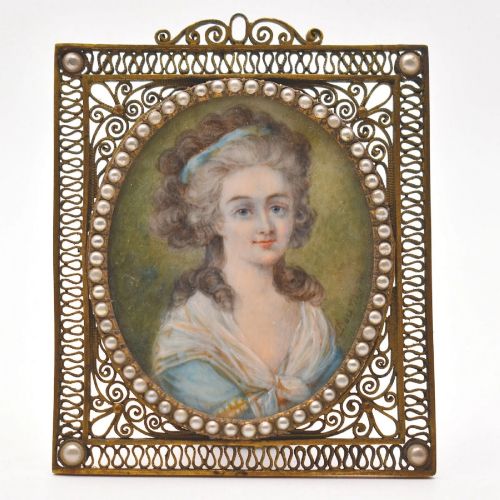


Oval Gilt Miniature
An oval gilt miniature brings intimate portraiture and small-scale decorative metalwork into focus through Georgian, Regency, and Victorian pieces.
Oval Gilt Miniature
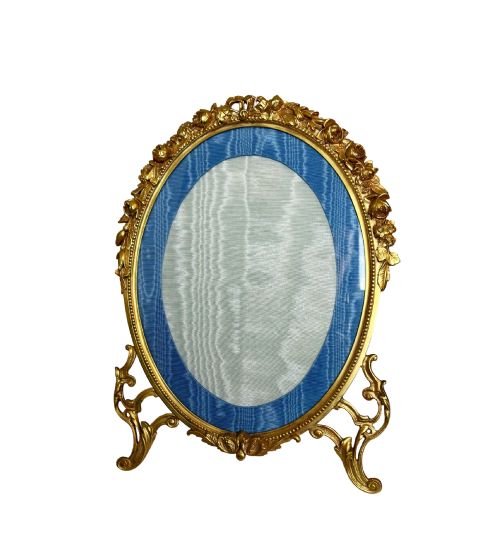
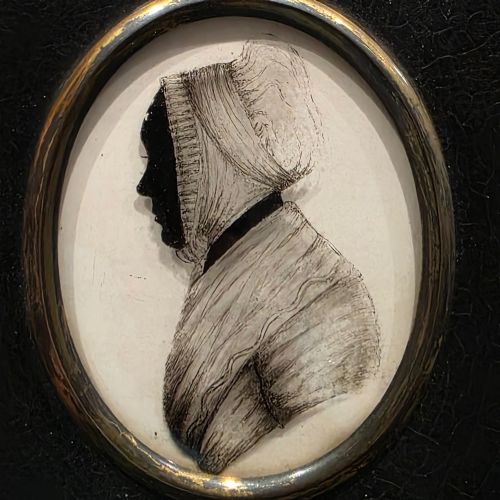
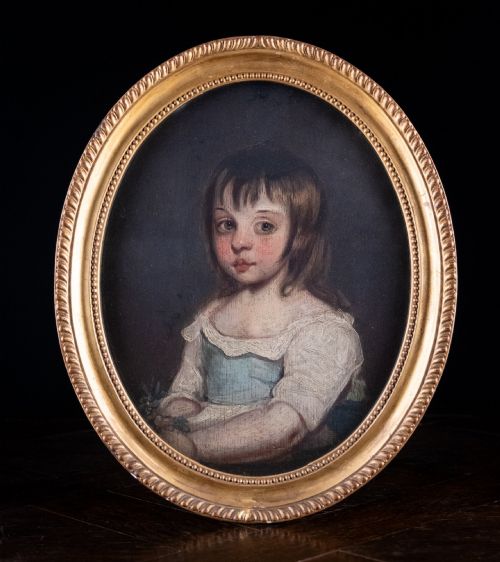
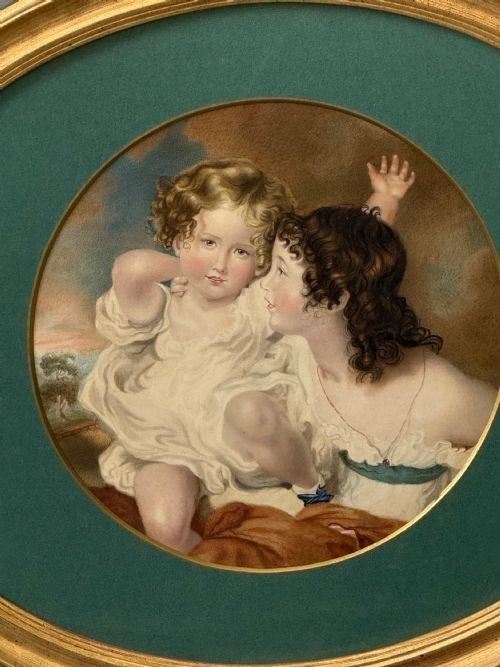
An oval gilt miniature encompasses small portrait paintings, silhouettes, enamel plaques, and framed picture frames created during the eighteenth and nineteenth centuries. Buyers encounter hand-painted watercolours on paper or card, reverse-painted glass silhouettes, and delicate oil portraits enclosed within metallic surrounds.
The objects stem from distinct historic periods including the Georgian, Regency, and Victorian eras, alongside French Rococo and Edwardian examples. Portrait miniatures dominate the selection, accompanied by companion pieces, pocket mirrors, and miniature carriage clocks housed in matching frames.
Most items on this page present subjects in profile or half-length, ranging from named historical figures and military officers to anonymous family members and children. Their compact scale allowed them to be carried on the person or displayed closely in domestic interiors.
Materials and Construction
Makers utilised watercolour, oil, and enamel to paint directly onto ivory, paper, card, plaster, or glass surfaces. Silhouettes were cut from paper or painted meticulously with ink and pigment against contrasting backdrops.
Surrounding frames and stands relied upon gilt metal, brass, bronze, gold leaf, and carved giltwood. Glazing protected the delicate pigments from dust and moisture while easel backs or suspension loops allowed the objects to stand or hang.
Listings span the 18th, 19th, and early 20th centuries, featuring watercolours, cut paper silhouettes, oil paintings, and enamel plaques set in brass, giltwood, and gilt metal.
Distinctions in Quality
The calibre of an oval gilt miniature rests upon the precision of the brushwork and the psychological depth captured in the sitter's expression. Signed works by documented artists display superior mastery over anonymous studio output.
The integrity of the surrounding gilt mount heavily influences overall execution. Heavy cast brass, finely chased gilt bronze, and undamaged gold leaf gilding indicate superior workshops compared to simpler mass-produced later metalwork.
James Sharples·John C D Engleheart·Charles Hayter·William Naish·Susie Lassam·George Hargreaves·Archibald Skirving·John Miers·John Smith·Henry Jacob Burch·Ozias Humphry
The Oval Gilt Miniature Glossary
- Silhouette
- A solid black profile portrait cut from paper or painted onto card, plaster, or glass. These stark likenesses gained immense popularity during the late eighteenth and early nineteenth centuries.
- Gilt Metal
- A base metal alloy treated with a thin layer of gold or gold-coloured wash to simulate solid precious metal. It provides a durable and bright surround for small artworks.
- Reverse Painting
- An artistic technique where the image is applied directly to the back of a glass pane and viewed through the front. This method protects the pigment and produces a glossy finish.
- Enamel Plaque
- A composition fused to a metal base by firing in a kiln, allowing for miniature paintings with lasting colour. South Staffordshire was a notable centre for this delicate work.
Oval Gilt Miniature: Frequently Asked Questions
How were oval gilt miniatures displayed originally?
These small artworks were frequently hung closely together in tight wall groupings within domestic parlours. Alternatively, they were kept inside protective travel cases or worn upon the person as personal tokens.
Today, collectors continue to display them in small clusters on walls or place easel-backed examples on desks and mantelpieces where their intimate scale can be appreciated up close.
How do I identify the period of a gilt frame?
Georgian and Regency frames tend to feature lighter cast brass or delicate giltwood mouldings with simpler suspension rings. Later Victorian and Edwardian examples often employ heavier gilt bronze castings, more ornate Rococo revival ornamentation, or integrated easel stands.
Examining the backplate, fixings, and construction fasteners helps corroborate the approximate decade of manufacture.
Are all portrait miniatures signed by the artist?
Many historical portrait miniatures remain unsigned because artists often considered them minor works or worked under the employ of larger studios. Unsigned pieces are frequently attributed through stylistic comparison with documented works by known miniaturists.
Signatures, when present, usually appear discreetly along the edge of the painted surface or on the backing card.