




Oval Framed Profile Portrait
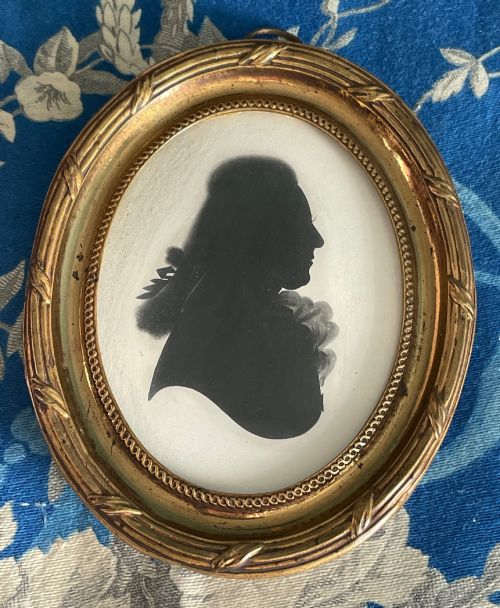
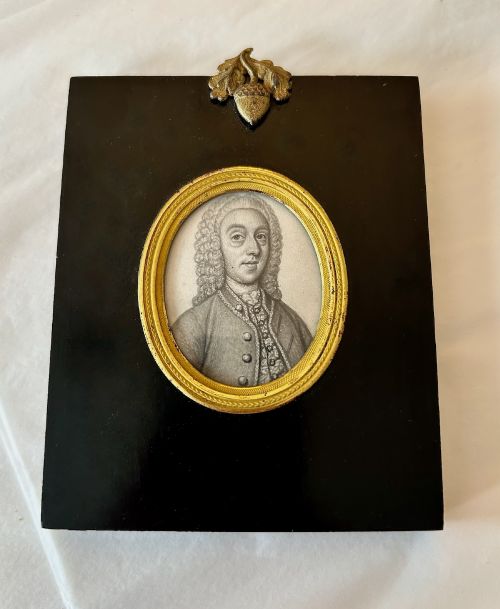
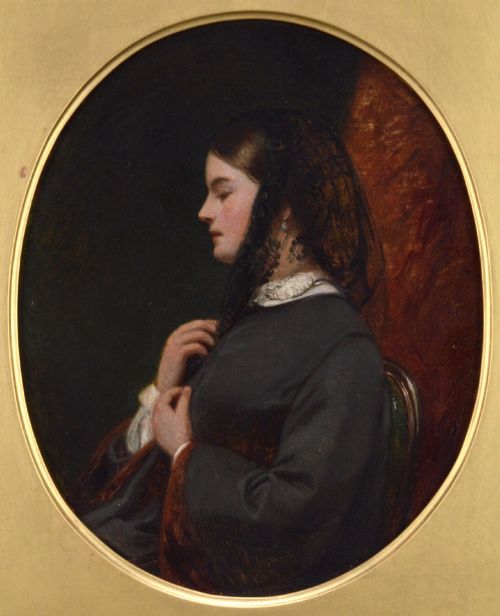
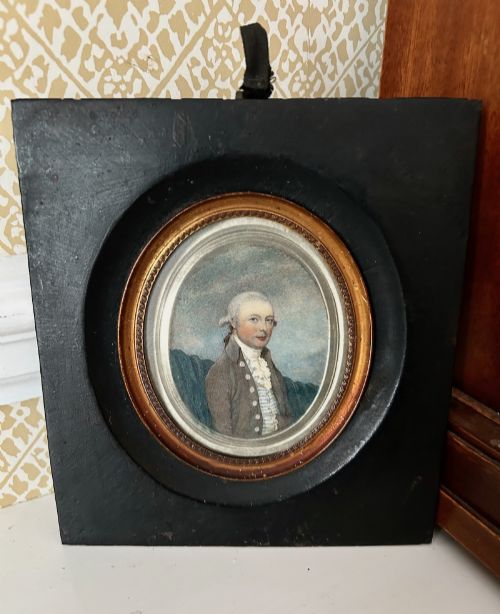
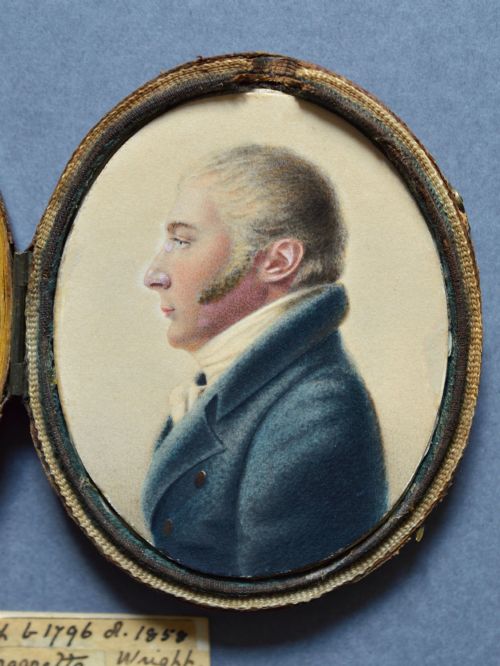
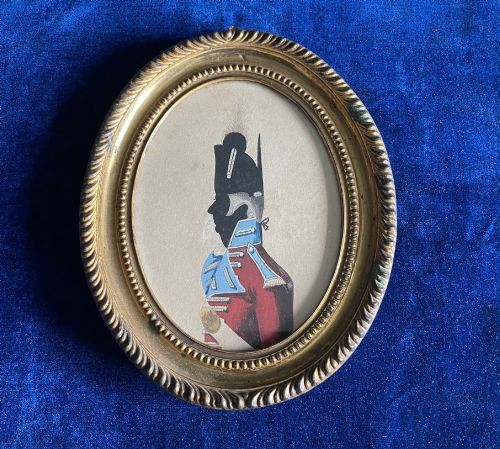
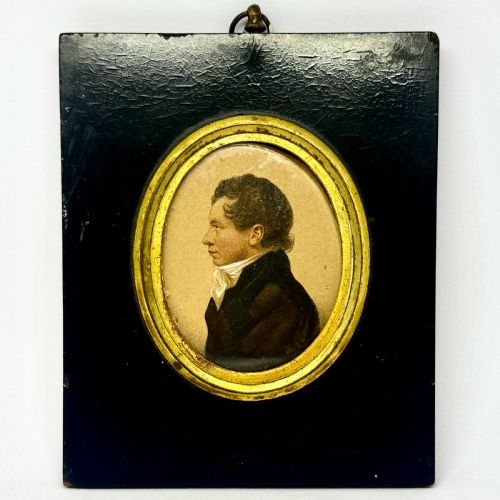
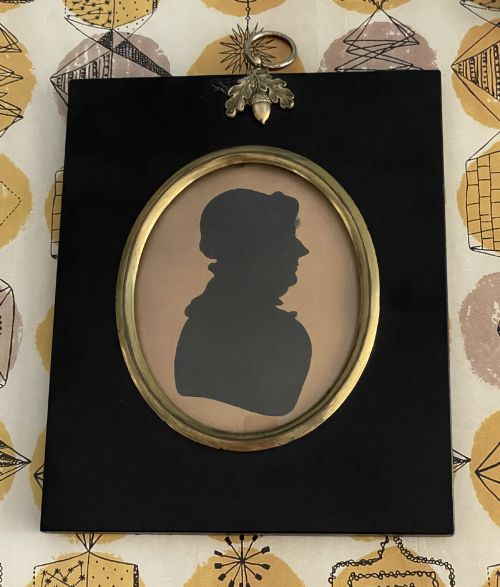
An oval framed profile portrait captures a distinct likeness in miniature, offering an intimate glimpse into past lives through delicate silhouette and watercolour work.
Oval Framed Profile Portrait
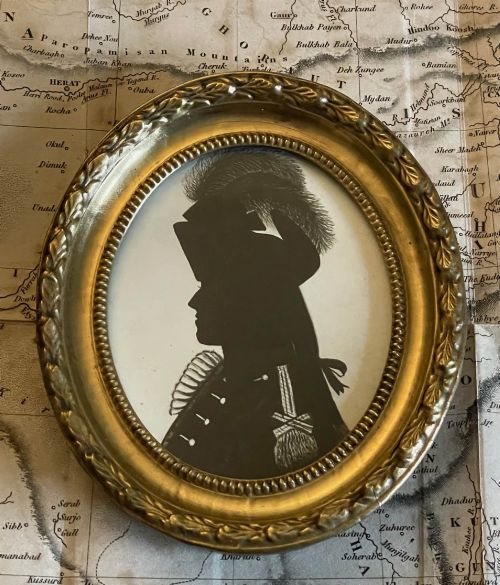
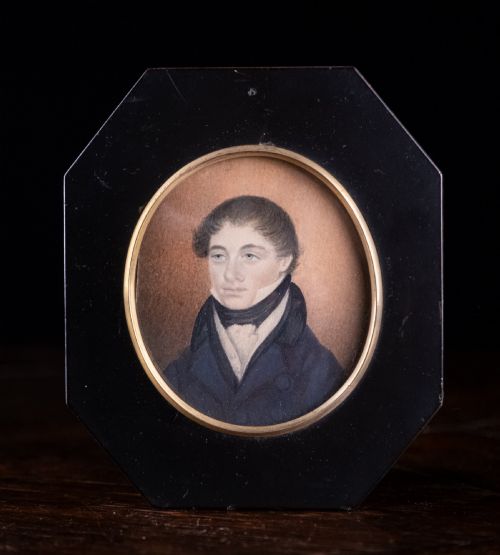
When you search for an oval framed profile portrait, you encounter miniature likenesses executed across the eighteenth and nineteenth centuries. These works appear in varied mediums, ranging from cut silhouettes and painted profiles on glass to delicate watercolour and pastel paintings on paper or card.
The selection on this page draws heavily from Georgian, Regency, and Victorian periods, alongside later nineteenth-century revival pieces. Subjects range from named historical figures and military officers to anonymous gentlefolk rendered in precise profile.
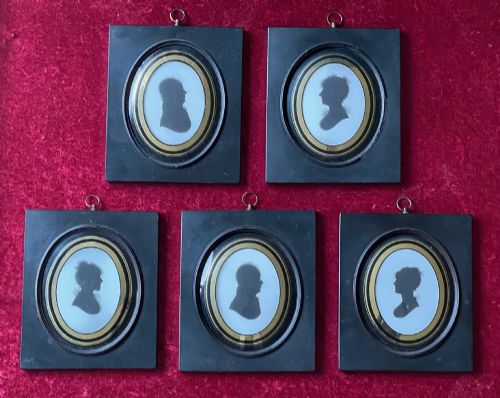
Framing is integral to these objects, utilising materials such as ebonised wood, polished brass, and giltwood to enclose the small-scale artwork. Collectors find both single studies and paired family portraits originating from British and continental makers.
Materials and Technique
Artists executed these profile likenesses using watercolour, pastel, oil, plumbago, and charcoal on supports including paper, card, panel, ivory, and plaster. Skilled hands cut silhouettes from paper or painted directly onto glass to achieve sharp, contrasting contours.
Frames play a structural role in defining the piece, constructed from turned ebonised wood, cast brass, or carved giltwood and gilt metal. Protective glass fronts safeguard the delicate pigments and paper cut-outs from environmental degradation.
Oval Framed Profile Portrait Retail Price Guide 2026
Typical asking prices for oval framed profile portrait among the pieces listed under this phrase on Sellingantiques today, from the lower quarter to the upper quarter. They describe what is for sale here now, not the wider market.
Listings feature works spanning the eighteenth and nineteenth centuries, utilising glass, paper, brass, wood, ebonised wood, watercolour, giltwood, and gilt metal.
Assessing the Standard
The synergy between the portrait and its original housing dictates desirability, as period frames matching the exact dimensions of the oval composition enhance the integrity of the piece. Provenance and legible signatures by documented artists further elevate the standing of individual works.
James Ferguson·James Sharps·Thomas John Horsley·James Gillespie·George Atkinson·Archibald Skirving·John Miers·John Smith·Ozias Humphry·Nathaniel Bermingham·Jeremiah Steele
The Oval Framed Profile Portrait Glossary
- Plumbago
- A drawing executed in black lead or graphite, highly favoured for detailed miniature portraits before the widespread use of photography. This technique allows for remarkable precision in rendering facial contours and hair.
- Silhouette
- A solid black profile likeness, typically cut from paper or painted on card, glass, or plaster. The form relies entirely on the outer contour to convey identity.
- Miniature portrait
- A small-scale painting executed with fine detail, often housed within a protective pocket case or a wall frame. These works demand immense control from the artist due to their diminutive size.
- Giltwood
- Wood that has been coated with gold leaf or a gold-coloured finish, frequently seen on decorative frames from the Georgian and Regency periods. It adds a reflective border that isolates the dark profile within.
Oval Framed Profile Portrait: Frequently Asked Questions
How were profile portraits displayed?
These small works were designed primarily for hanging on interior walls in tight arrangements or groupings. Their compact dimensions allowed owners to cluster multiple family members together in domestic spaces.
Many incorporated small brass suspension loops at the top of the frame for this exact purpose, while others sat on mantelpieces or desks within protective folding cases.
What materials are used for the frames?
Frames typically utilise ebonised wood, which provides a dark, contrasting border to accentuate the pale skin tones or white paper silhouettes within. Gilt brass and cast metal also appear frequently, adding metallic gleam.
Carved giltwood frames emerge on grander Georgian and Regency examples, while simple convex glass covers protect the delicate paper or watercolour surfaces underneath.
How do I date a silhouette?
Dating relies heavily on costume, hair styling, and the specific framing materials employed by the maker. High waisted Regency gowns, elaborate Georgian wigs, and Victorian bonnet styles provide clear chronological markers.
Furthermore, trade labels pasted to the reverse of the backing board by artists such as John Miers offer precise operational windows for the creation of the piece.