



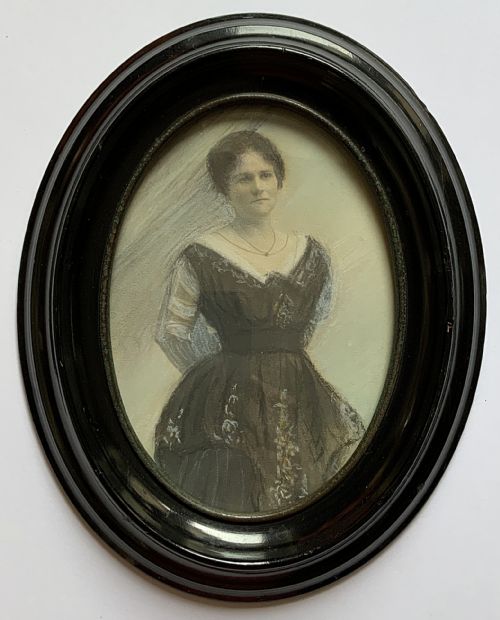


Black Ebonised Frame Picture
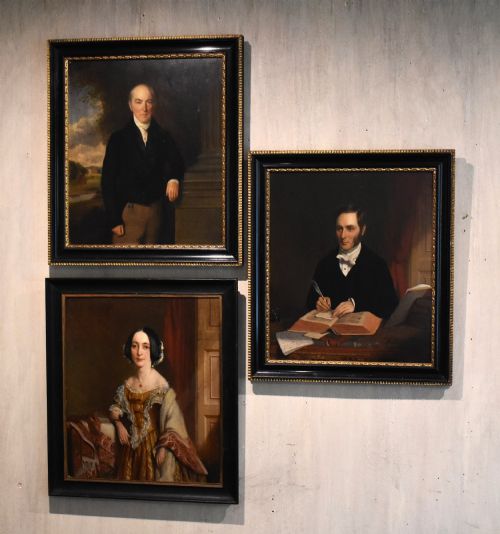
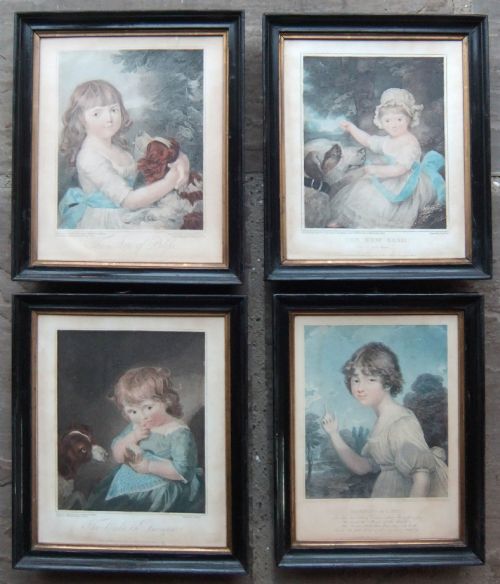
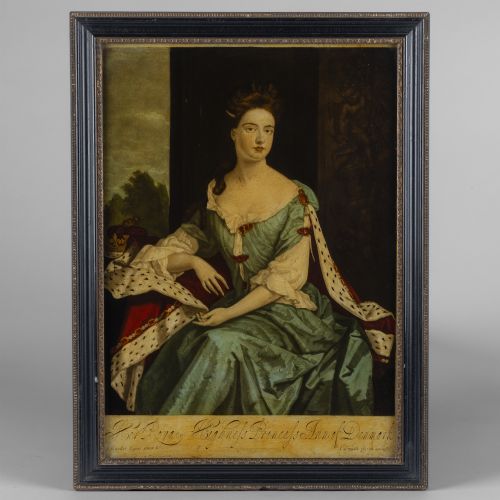
A black ebonised frame picture brings focus to an antique portrait or print, offering a sharp contrast that draws the eye.
Black Ebonised Frame Picture
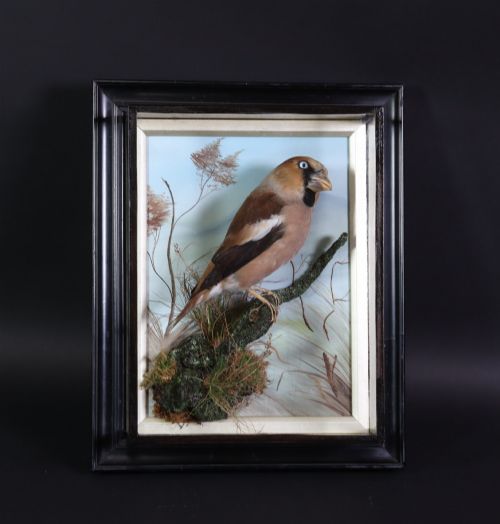
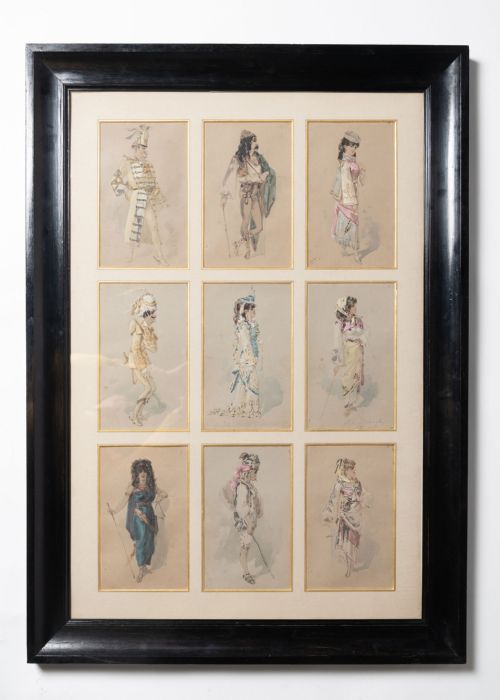
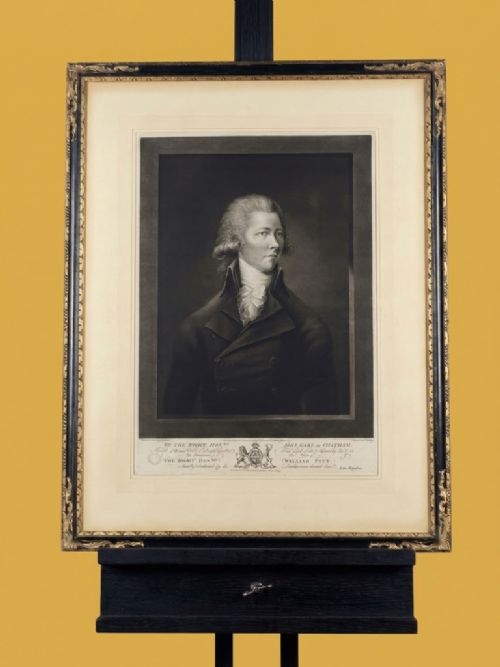
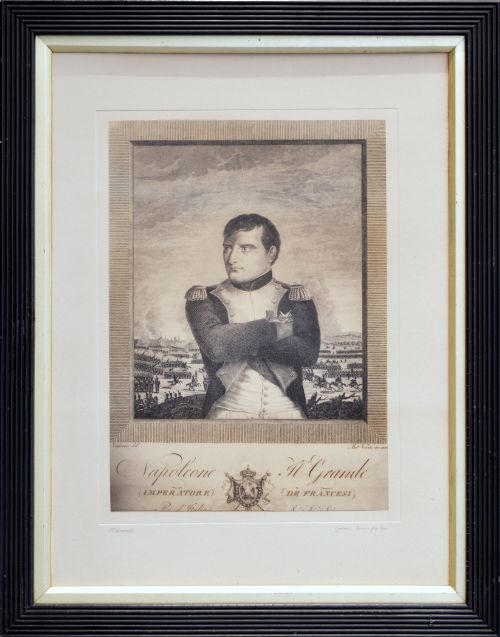
A black ebonised frame picture encompasses various wall art formats housed in dark, treated wooden surrounds. These pieces range from portrait miniatures and silhouettes to mezzotints, watercolours, and architectural engravings spanning several centuries.
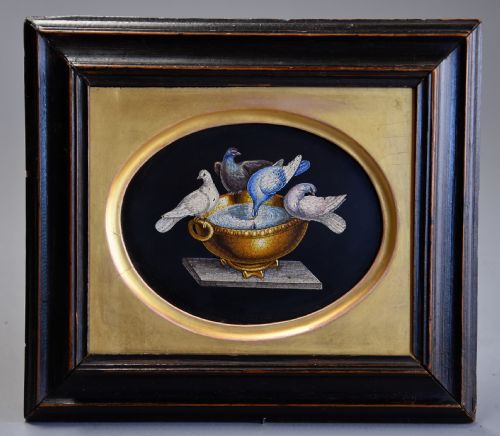
Buyers encounter subjects varying from notable political figures and royalty to botanical studies, folk art paintings, and classical Italian scenes. Each piece relies on the dark border to ground the composition.
Materials and Construction
Makers utilised wood treated with a dark stain or pigment to imitate costly ebony, pairing the dark moulding with glass to protect fragile paper, watercolour, or ink artwork. Giltwood mounts or gold leaf accents frequently appear within the framing to provide internal highlights.
The artwork itself relies on traditional media such as hand-coloured mezzotint, reverse glass painting, cut paper, or delicate pastel and watercolour on card. Structural integrity depends on period wooden backing boards and secure glazing.
Black Ebonised Frame Picture Retail Price Guide 2026
Typical asking prices for black ebonised frame picture among the pieces listed under this phrase on Sellingantiques today, from the lower quarter to the upper quarter. They describe what is for sale here now, not the wider market.
The listings feature works from the eighteenth and nineteenth centuries, incorporating materials such as wood, glass, paper, and gold leaf.
Distinctions in Quality
The precision of the ebonising and the preservation of the original wood finish set finer examples apart from later replacements. The depth and integrity of the internal gilt mount or reverse glass painting also determine the standing of the piece.
Artistic execution within the frame - such as the fine hand-drawn details on a silhouette or the clarity of an eighteenth-century mezzotint - defines the upper tier of the selection.
James Ferguson·George Keating·Simon de Koster·Fletcher·Sebastiaan Vrancx·George Atkinson·John Miers·John Boydell·Otto Pilny
The Black Ebonised Frame Picture Glossary
- Ebonised
- Wood treated to resemble dense, black ebony. This process was common for frames designed to heighten the contrast of light prints and watercolours.
- Mezzotint
- A printmaking process where the image is worked from dark to light on a roughened copper plate. It produces rich tonal gradations.
- Reverse Glass Print
- An image transferred or painted onto the underside of glass. This technique creates a smooth, glossy surface finish.
- Silhouette
- A profile portrait filled in with a solid dark colour, often cut from paper or painted on card during the Georgian and Regency periods.
- Micromosaic
- Tiny coloured glass tesserae assembled into intricate pictorial plaques. These appear in Italian decorative works from the nineteenth century.
Black Ebonised Frame Picture: Frequently Asked Questions
What is an ebonised frame?
An ebonised frame is a wooden structure stained or painted black to imitate ebony. This finish became popular for framing prints and watercolours to provide a strong visual border.
The dark surface minimises distraction, allowing the viewer to concentrate entirely on the details within the picture.
How do I date a black framed picture?
Dating relies on examining the construction of the frame, the materials of the backing board, and the style of the artwork itself. Eighteenth-century pieces often utilise heavy wooden mouldings and specific printing techniques like mezzotint.
Later Victorian and Edwardian examples show different joining methods and paper types, helping to narrow the period of origin.
What subjects are common in these frames?
Common subjects include portrait miniatures, silhouettes of gentlemen and ladies, architectural engravings, and botanical watercolours. Religious prints and folk art paintings also appear frequently.
These varied subjects reflect the changing decorative tastes of households across the Georgian and Victorian eras.
How should I hang these framed pictures?
These pictures suit rooms where the dark frames can contrast against lighter walls, echoing traditional period interior styling. They work well grouped together or as single focal points.
Care should be taken to avoid direct sunlight to protect fragile watercolours, paper, and ink from fading.