




Outdoor Shoe Scraper
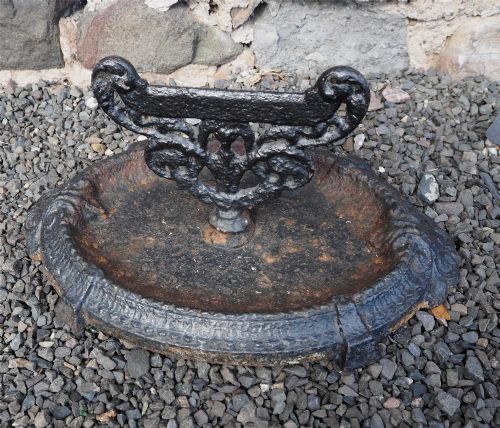
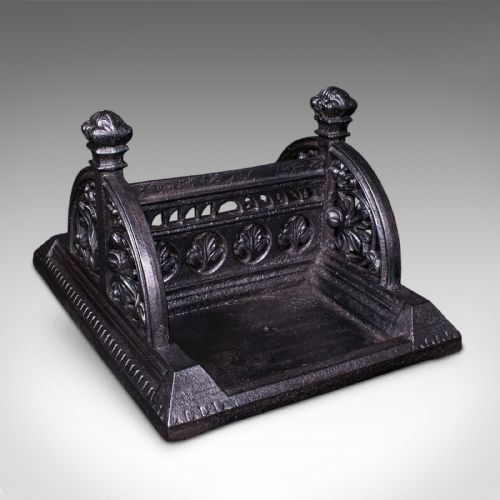
These outdoor shoe scraper pieces are heavy metal and stone fixtures designed to clean muddy footwear before entering a house.
Outdoor Shoe Scraper
An outdoor shoe scraper is a functional entrance fixture designed to remove heavy mud and dirt from footwear before guests enter the house. The listings show forms ranging from simple country house designs to elaborate town installations.
Most examples found here date from the Georgian, Regency, and Victorian periods, reflecting the eras when heavy footwear required robust cleaning before stepping indoors. Buyers will frequently encounter cast iron and wrought iron blades paired with solid stone blocks or integrated mounts.
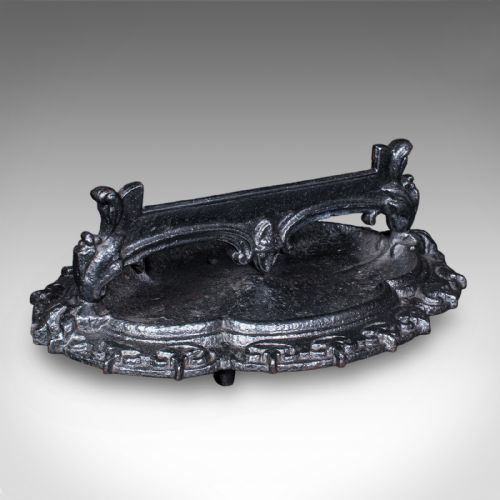
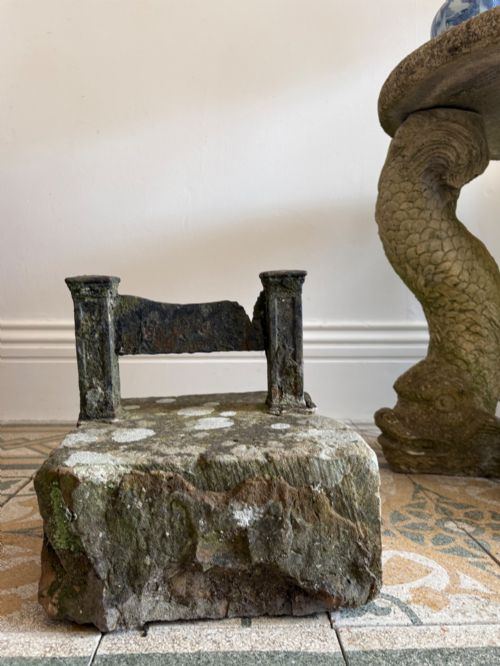
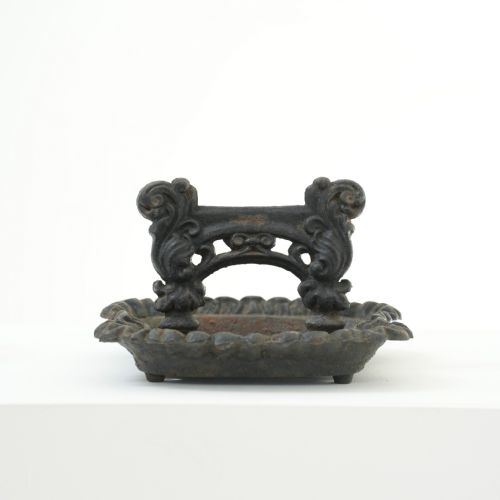
The physical arrangement typically combines a horizontal metal blade with upright scrolls or shoe pulls to help steady the foot. These pieces sit directly beside doorways, mounted into stone or freestanding on heavy bases.
Materials and construction
Makers utilised durable cast iron and wrought iron for the blades and frames, ensuring the metal could withstand constant outdoor use and scraping pressure. Ironwork often exhibits surface textures from nineteenth-century foundry casting.
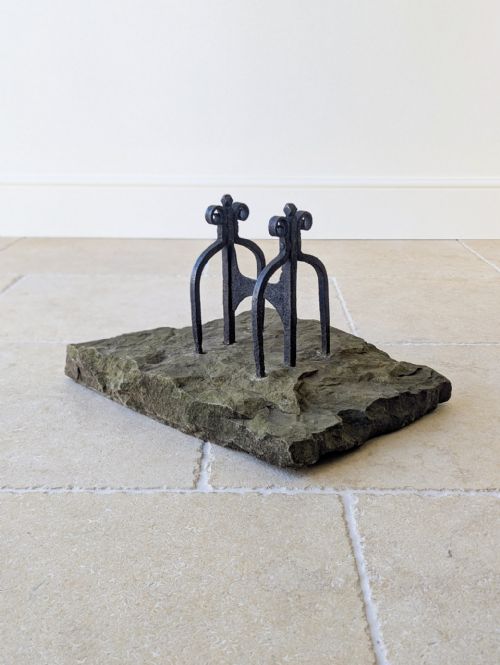
Many examples are inset directly into hewn stone or Yorkstone blocks, providing the immense weight needed to keep the scraper stable during use. These stone bases range from simple rectangular blocks to tailored townhouse thresholds.
Every muddy boot in the nineteenth century relied on these iron blades to keep hallway floors respectable.
Factors of quality
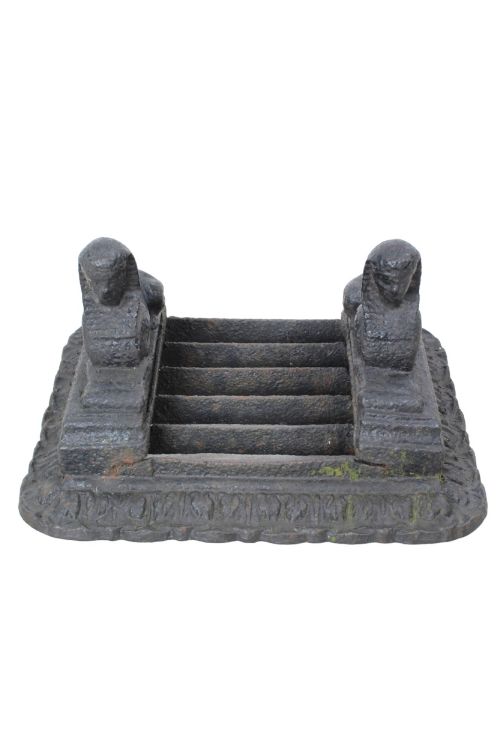
Quality in an outdoor shoe scraper lies in the integrity of the casting and the substance of the mounting base. Finer examples display crisp detail in styles such as Egyptian Revival or Gothic Revival rather than plain utility.
The presence of an integrated shoe pull alongside the blade elevates the usefulness and design ambition of the piece. Substantial Yorkstone or hewn stone mountings indicate a higher grade of domestic installation.
Coalbrookdale
The Outdoor Shoe Scraper Glossary
- Boot scraper
- A metal blade fixed near an entrance for scraping mud from boots. It represents the primary functional element seen across these listings.
- Cast iron
- Iron poured into a mould to create rigid shapes and decorative forms. This material forms the durable blades and frames of the majority of pieces.
- Wrought iron
- Iron beaten and worked by hand into shape while hot. This material appears in traditional agrarian and domestic iterations.
- Yorkstone
- A tough British sandstone used traditionally for paving and building. It frequently forms the heavy block into which the iron scraper is inset.
- Shoe pull
- An upright loop or handle attached to the scraper to help the user balance while removing footwear. It often shares the cast iron construction of the blade.
Outdoor Shoe Scraper: Frequently Asked Questions
Where were outdoor shoe scrapers placed?
These pieces were positioned directly outside the main entrance of townhouses and country houses.
They stood immediately beside the doorway to let visitors clear heavy soil before crossing the threshold.
How do I mount a heavy scraper?
Many examples are heavy enough to rest securely on a paved path or porch without additional fixing.
Stone-based variants rely on their own substantial weight to stay stable during use.
Can these scrapers remain outside today?
The combination of cast iron and stone is naturally suited to weathering outdoor conditions.
Routine care involves checking the metal surface and keeping the stone base clear of debris.
What period do most scrapers date from?
The available selection primarily spans the Georgian, Regency, and Victorian eras.
Design details like Gothic Revival or Egyptian Revival motifs help indicate the specific nineteenth-century period.