





Outdoor Plant Pots
Outdoor plant pots are sturdy vessels for garden greenery, offering both practical utility and classic style.
Outdoor Plant Pots
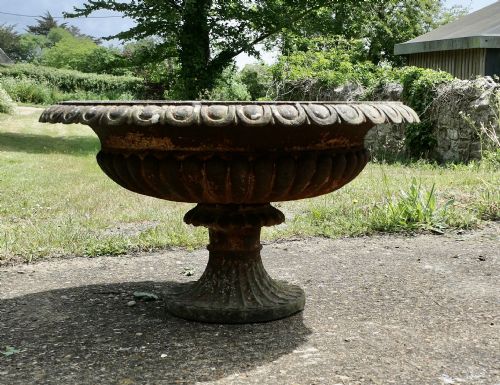
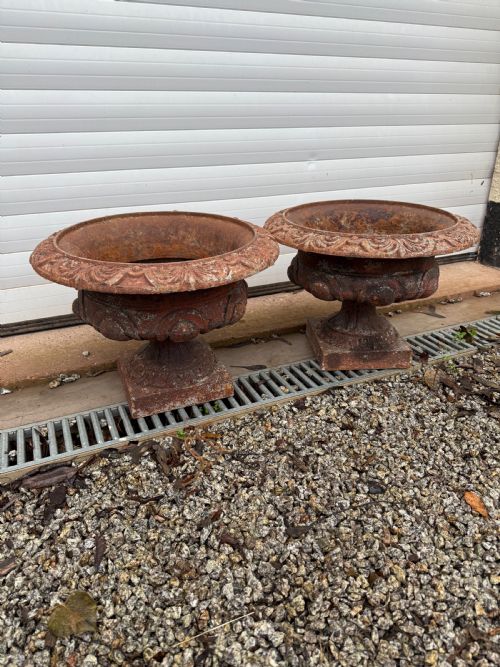
Terracotta garden urns and cast iron planters dominate the available periods, often appearing in matched pairs. Victorian designs sit alongside French country and rustic country pieces, reflecting diverse historical tastes. These items range from simple round garden planters to sculptural items shaped like shrimp or scroll pots.
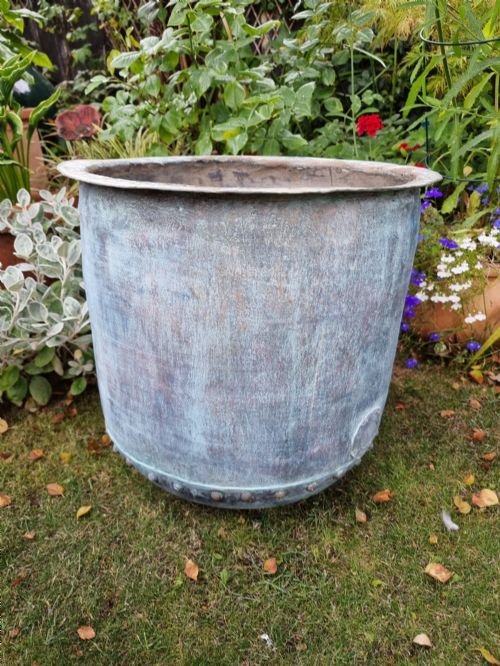
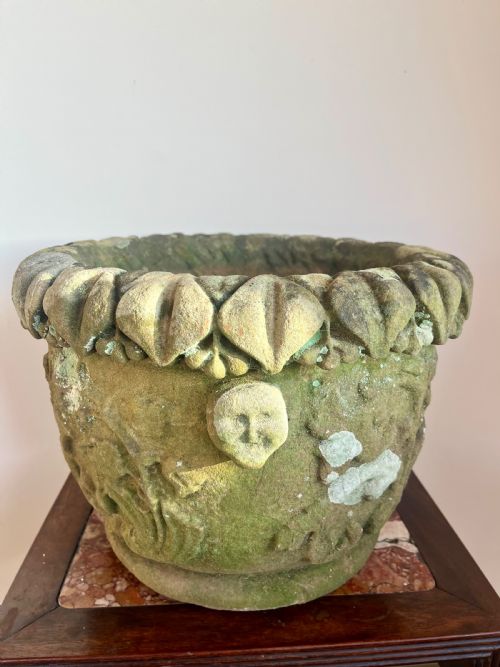
Materials vary considerably, including cast iron, terracotta, wrought iron, copper, pine, stone, and composite stone. Pieces originate from different eras, such as the Victorian epoch and the Edwardian period, utilising traditional fabrication techniques. Each container serves to elevate garden displays while providing a durable home for plants.
How they were made
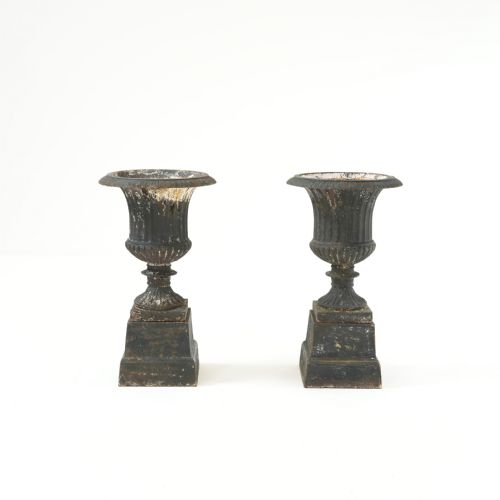
Makers cast iron and zinc into robust garden urns and planters, utilising moulds to achieve classical campana profiles and detailed relief decoration. Foundries produced heavy metal vessels designed to withstand exterior elements over decades.
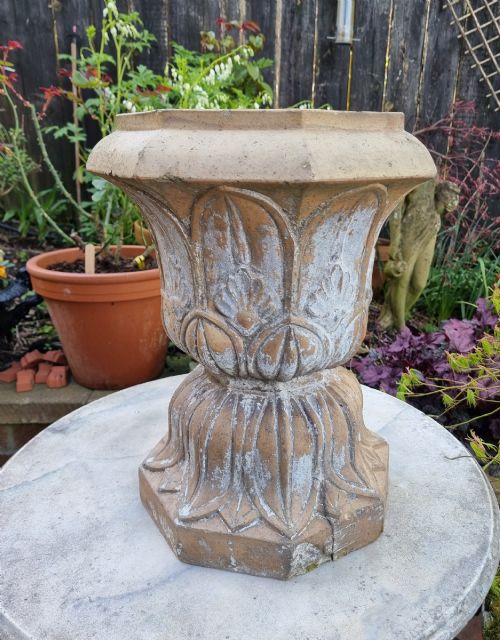
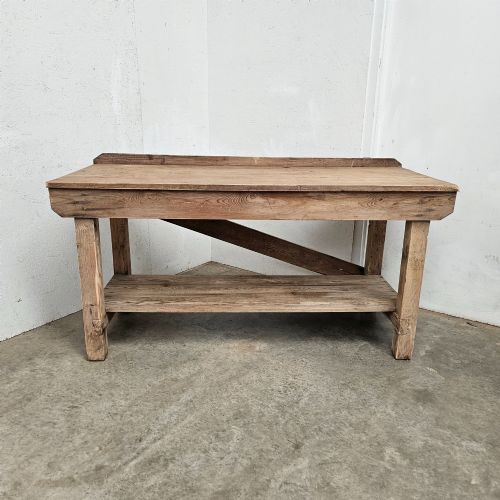
Potters shaped terracotta into garden pots and scroll planters, applying salt glazing for added durability and a distinct surface finish. Woodworkers constructed pine potting tables with practical shelves using traditional joinery methods.
Metalworkers forged wrought iron into strapwork planters and white painted pot stands, combining structural strength with decorative scrollwork. Craftsmen employed copper for large display pots, hammering and joining sheets to create expansive garden vessels.
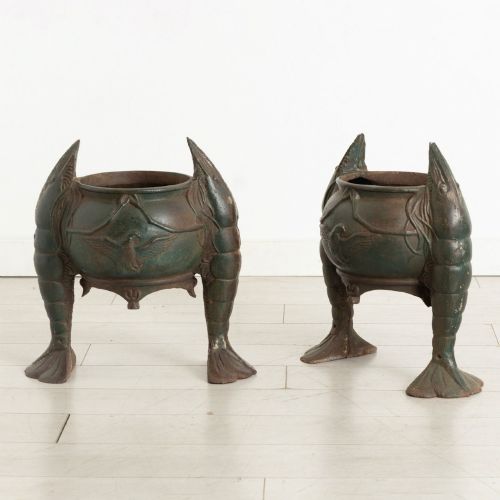
The inventory includes whimsical Victorian novelty items, such as planters cast in the distinct shape of a shrimp.
What varies in quality
The thickness and weight of the metal distinguish heavier cast iron and lead planters from lighter alternatives. Superior casting yields sharp relief details on urns and figural pieces like shrimp planters.
The depth of the natural patina on terracotta and copper surfaces reflects the age and exposure history of the container. Well-fired terracotta exhibits greater resistance to frost damage over successive winters.
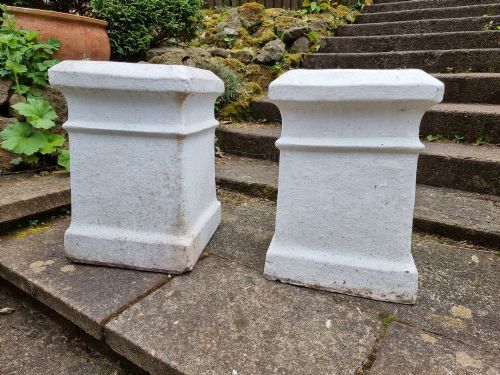
Construction integrity separates utilitarian pine potting tables from highly decorative neoclassical garden pedestals. Finely forged strapwork and robust handles demonstrate superior craftsmanship in ironwork.
The Outdoor Plant Pots Glossary
- Campana urn
- A bell-shaped garden vessel originating from classical antiquity, typically mounted on a short stem and square plinth. These forms gained immense popularity during the Victorian period.
- Terracotta
- Fired unglazed clay exhibiting a characteristic reddish-brown hue, widely utilised for garden pots and urns. It allows plant roots to breathe through porous walls.
- Strapwork
- Ornamental metalwork composed of flat bands resembling leather straps, often interwoven or intersecting. It appears on nineteenth-century iron planters.
- Salt glaze
- A vitreous coating formed by throwing common salt into the kiln during the high-temperature stage of firing. This creates a glossy, pebbled texture on pottery.
- Jardiniere
- An ornamental pot or stand designed to hold a plant or floral arrangement, usually intended for prominent display. The term applies to both indoor and outdoor vessels.
Outdoor Plant Pots: Frequently Asked Questions
How do I clean old cast iron urns?
Brush away loose dirt and debris with a soft bristle brush, avoiding harsh chemical strippers that ruin the patina.
Apply a light coat of exterior oil or wax to protect the metal from further oxidation in the garden.
Can terracotta garden pots stay outside in winter?
Many sturdy terracotta and salt glazed vessels endure cold weather if they possess sufficient wall thickness and adequate drainage holes.
Elevate pots on pot feet to prevent trapped moisture from freezing and cracking the base during hard frosts.
Where should I place a potting table?
Potting tables work well against garden walls, inside greenhouses, or beneath sheltered patio areas for seasonal planting tasks.
Keep the pine wood treated with suitable exterior finishes if the table remains exposed to persistent rain.