




Vintage Clay Pots
These vintage clay pots bring earthy utility and hand-worked character straight into modern spaces.
Vintage Clay Pots
When buyers search for vintage clay pots, they encounter robust vessels shaped for functional service across the nineteenth and early twentieth centuries. These pieces originate from domestic kitchens, gardens, and industrial chimney stacks, carrying the marks of everyday use.
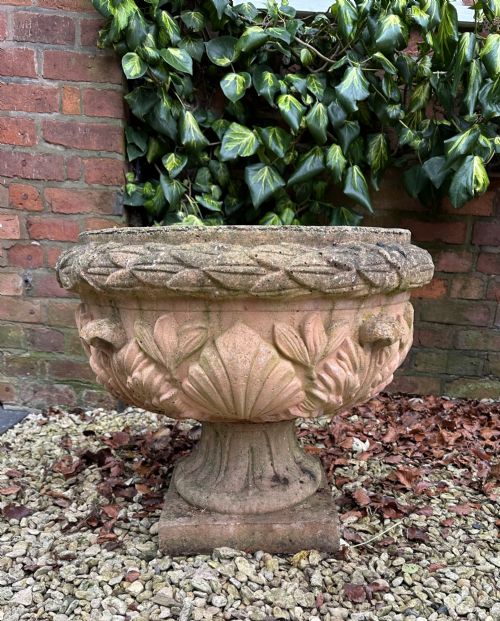
The selections available here span large garden planters, olive jars, rhubarb forcers, and cooking dishes. Most examples belong to the Victorian era or later nineteenth century, reflecting straightforward utilitarian design.
Origin points vary widely, covering British country houses, Mediterranean folk traditions, and French workshops. Buyers will find both unglazed terracotta garden ornaments and glazed kitchen vessels represented in the current assortment.
How they were made
The primary materials recorded across these listings are terracotta, earthenware, and stoneware. Potters shaped these clays using traditional throwing and moulding techniques suited to heavy-duty service.
Surface finishes include natural unglazed terracotta, ceramic glaze, and painted layers applied to large olive jars. Durable firing processes ensured these vessels could withstand outdoor weather or kitchen heat.
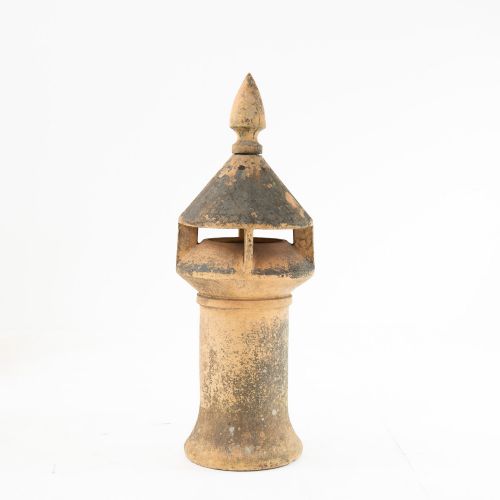
Exhaust cowl chimney pots designed to keep smoke moving now serve as eccentric garden centrepieces.
What varies in quality
Quality in these utilitarian objects rests upon the strength of the thrown form and the depth of surface weathering. Heavy garden pots and architectural chimney cowls derive distinction from substantial wall thickness and crisp moulding.
Provenance and decorative surface treatment elevate certain vessels above standard utilitarianware. Painted finishes on Mediterranean jars and named maker attribution separate ordinary items from finer examples.
C. R. Stevens
The Vintage Clay Pots Glossary
- Terracotta
- A porous, unglazed or lightly glazed fired clay of a brownish-red colour. It remains a standard material for garden planters and architectural ornaments.
- Earthenware
- Pottery fired at relatively low temperatures that remains porous unless glazed. This material was widely utilised for utilitarian kitchenware and vessels.
- Stoneware
- A dense, vitrified ceramic fired at high temperatures until impervious to liquids. It offers greater durability than standard earthenware.
- Rhubarb Forcer
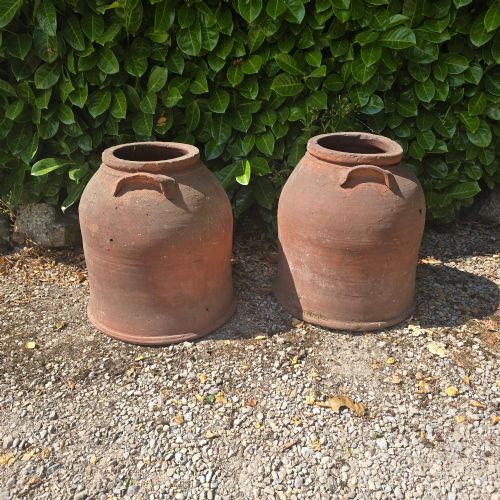
- A specialised garden vessel placed over rhubarb plants to shut out light and force early growth. These heavy terracotta cylinders often feature matching lids.
- Chimney Pot
- An architectural clay terminal fitted to the top of a chimney stack to improve draught. Nineteenth-century examples display robust moulded detail and cowl designs.
Vintage Clay Pots: Frequently Asked Questions
Can vintage garden pots stay outside in winter?
Many nineteenth-century terracotta and earthenware pots withstand normal outdoor conditions, though porosity makes them vulnerable to severe frost expansion. Storing unglazed vessels indoors during freezing weather prevents cracking.
Glazed stoneware options generally offer better resistance to moisture absorption during cold months.
What is a rhubarb forcer?
A rhubarb forcer is a heavy ceramic cover designed to exclude light from developing rhubarb shoots. Gardeners placed these tall vessels over crowns in early spring to produce tender, pale stalks.
These agricultural items now function as striking garden focal points due to their unusual cylindrical forms and ventilation caps.
How do I clean antique unglazed clay?
Unglazed clay benefits from gentle washing with water and a soft brush to remove surface dirt without disturbing the aged patina. Harsh detergents should be avoided because porous earthenware absorbs chemical residues.
Allowing pots to dry naturally preserves the weathered surface character built up over decades.