
Arts and Crafts Pots
These arts and crafts pots bring together honest metals and tactile ceramics to anchor a room with period weight.
Arts and Crafts Pots
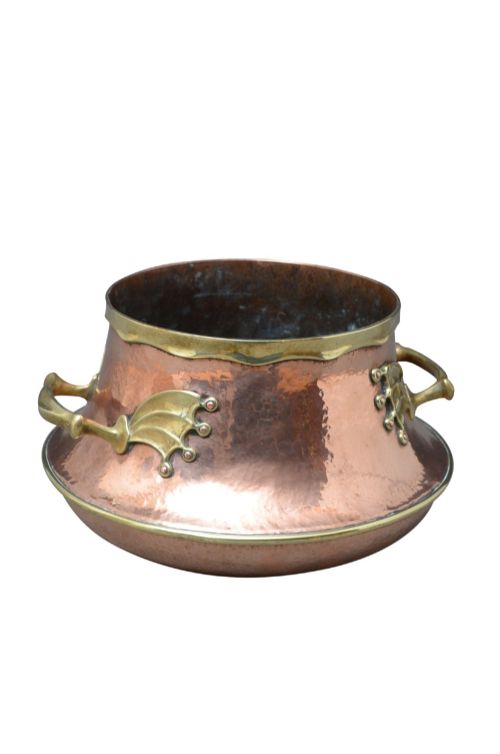
When you search for arts and crafts pots, you encounter a robust mix of utilitarian vessels created to hold plants, water, or flowers in domestic spaces. The selection relies heavily on heavy copper planters, brass jardinières, and ceramic pots originating from the late nineteenth and early twentieth centuries.
You are most likely to meet sturdy copper and brass vessels alongside iconic ceramic wares produced by potteries such as Royal Doulton and Burmantoft's. These range from hammered indoor planters to glazed earthenware designed to sit upon matching oak stands.
The objects span domestic accessories from the Victorian and Edwardian eras, showing the shift from ornate historicism toward simpler, utility-driven forms. Each piece reflects the hands-on ethos of the movement, serving as both practical container and decorative accent.
How they were made
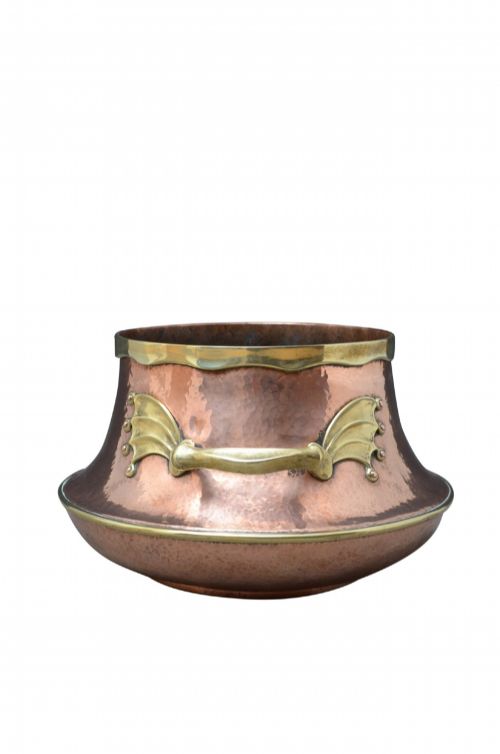
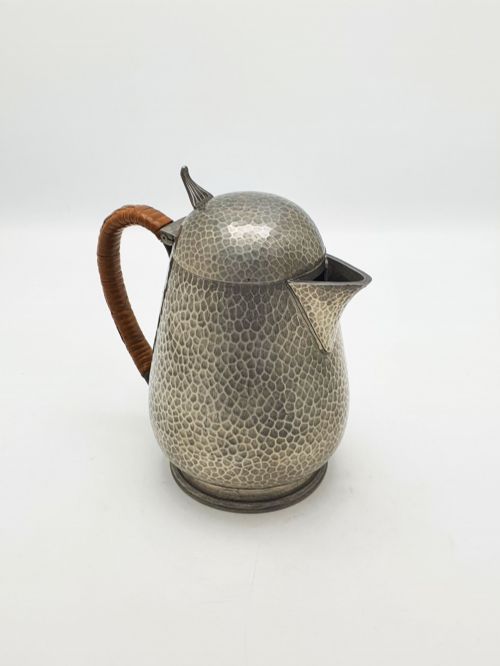
The metal pots on this page rely on hand-beating techniques, with copper and brass sheets shaped over forms and joined with visible rivets. Spot-hammering and hand-raising leave distinct tool marks across the surface, celebrating the labour of the maker.
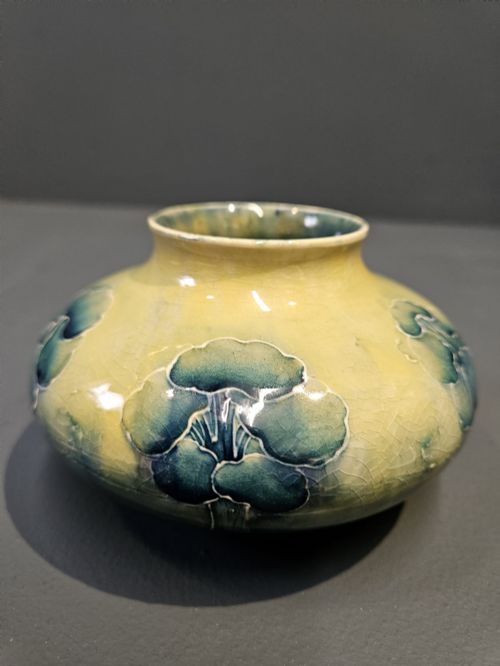
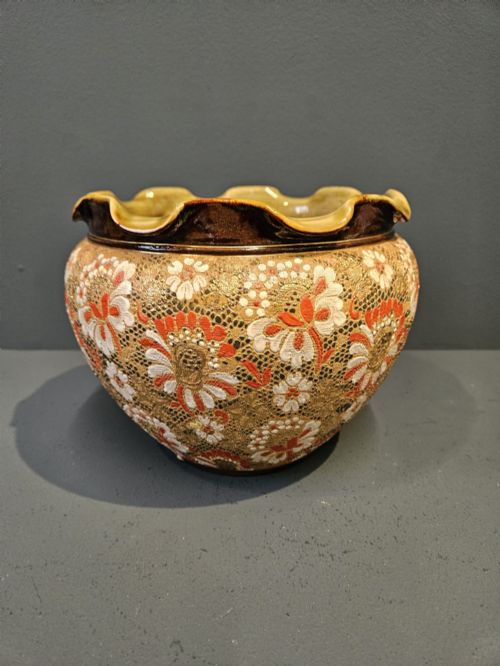
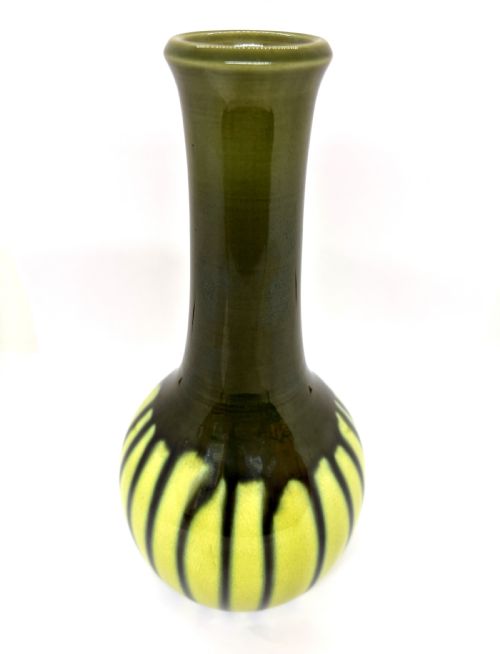
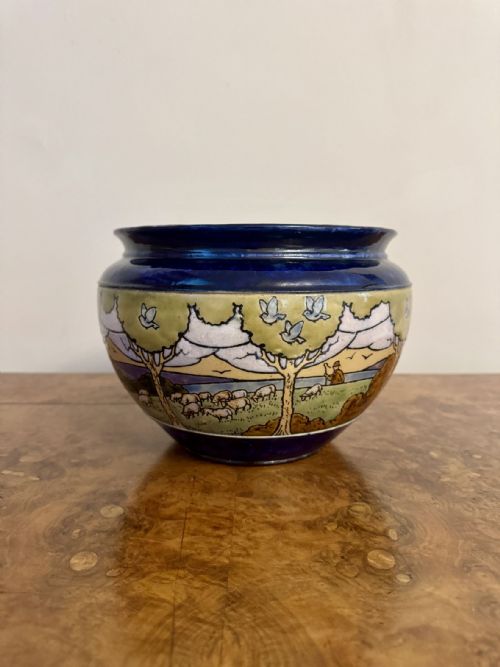
Ceramic pieces utilise stoneware, earthenware, and terracotta, shaped on the wheel or pressed into moulds before receiving rich reactive glazes. Artisans applied slip decoration and incised floral or geometric motifs directly into the wet clay.
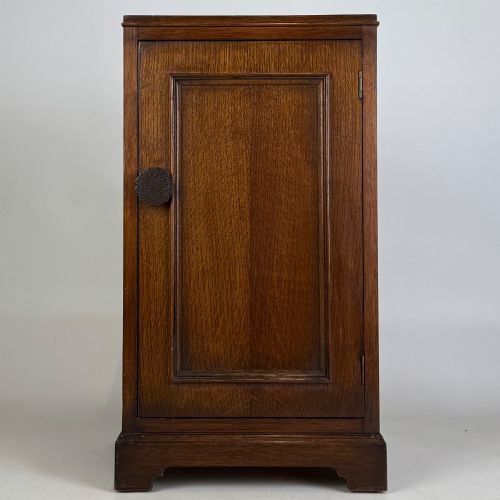
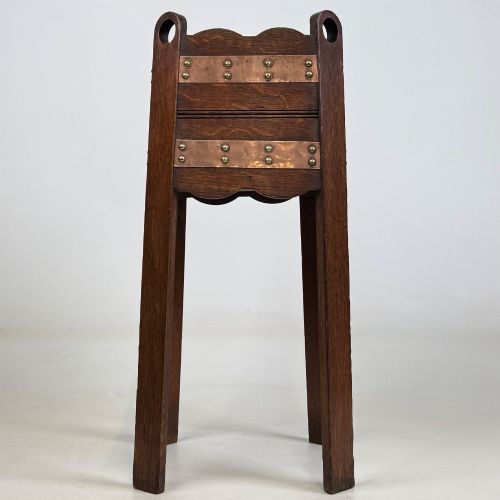
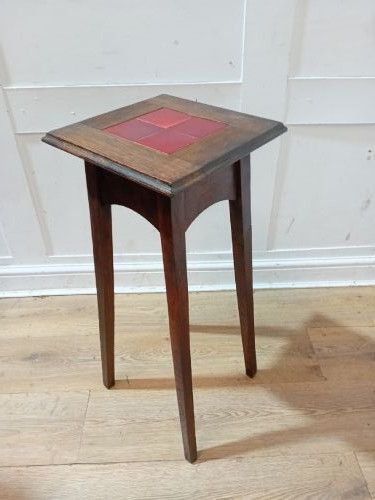
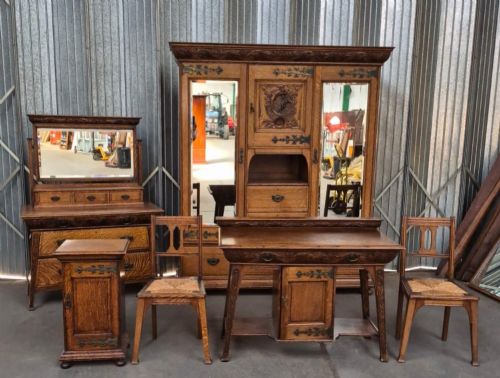
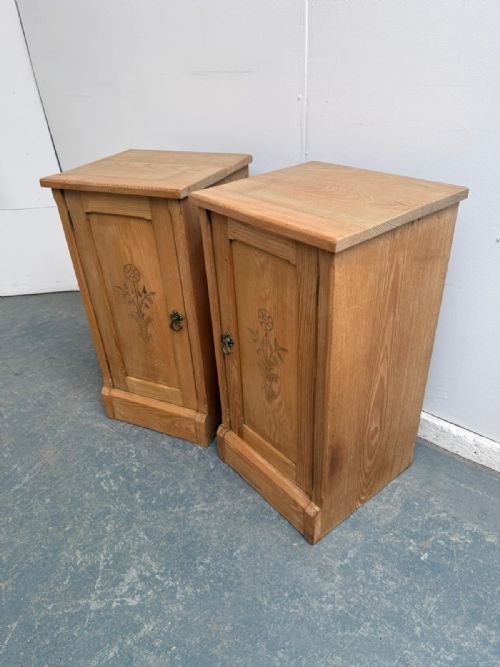
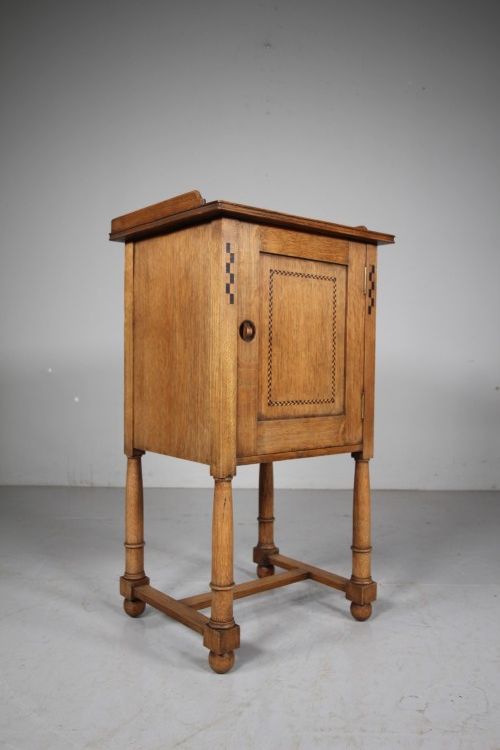
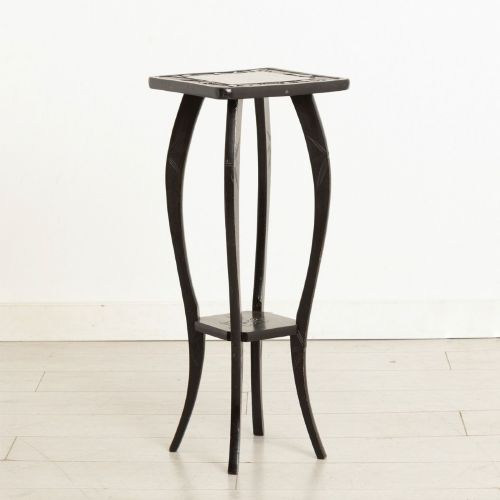
Secondary materials like oak, ash, and wrought iron support the metal and ceramic vessels. Cabinetmakers joined these timbers using traditional methods to build stands and cabinets that complement the vessels they carry.
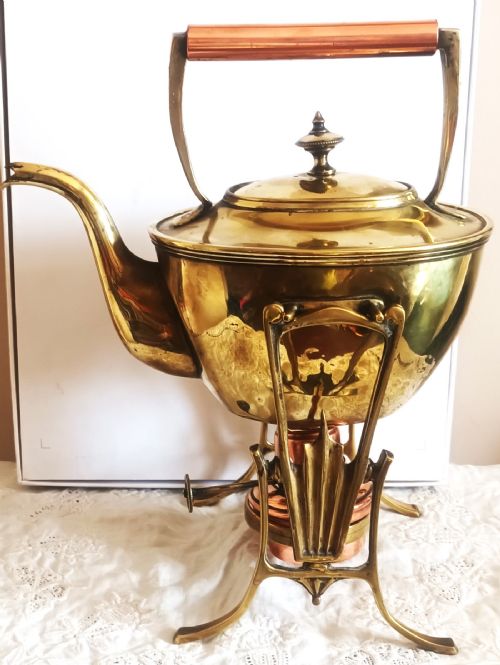
Listings feature oak, ash, and iron alongside copper and brass, spanning the Victorian, Edwardian, and 1900 periods.
What varies in quality
The distinction between ordinary and exceptional pieces rests upon the confidence of the maker's hand and the depth of surface treatment. Hand-hammered metalwork displays deliberate, rhythmic texturing rather than mechanical uniformity, while ceramics show crispness in incised patterns and richness in glaze depth.
Proportion and material weight define the better examples across both metal and clay. Thicker gauge copper, substantial brass handles, and solid golden oak frameworks provide structural integrity that lighter mass-produced alternatives lack.
Moorcroft·Liberty's·Doulton Lambeth·Burmantoft's Pottery·William Soutter & Sons·Royal Doulton·Tudric·Heals·Liberty of London·Doulton Burslem·Ethel Beard·Nathan & Hayes·Compton Pottery·Macintyre & Co.·William Moorcroft·Liberty & Co.·MacIver Orton
The Arts and Crafts Pots Glossary
- Jardiniere
- An ornamental ceramic or metal pot designed to hold a plant or flowers indoors. These vessels often feature decorative handles or raised feet.
- Stoneware
- A robust, vitrified ceramic fired at high temperatures to create a dense, impermeable body. It accepts salt glazes and rich colour applications readily.
- Planter
- A deep vessel used for housing growing plants rather than cut flowers. They appear frequently in brass, copper, and terracotta across the inventory.
- Earthenware
- Porous pottery fired at lower temperatures than stoneware, requiring a protective glaze to hold water. It forms the base for many nineteenth-century decorative vessels.
- Spot-hammered
- A surface finish created by striking metal repeatedly with a small hammer head to produce a textured pattern. This technique highlights hand production over industrial stamping.
Arts and Crafts Pots: Frequently Asked Questions
What are arts and crafts pots?
These pieces are functional and decorative vessels made from copper, brass, stoneware, and earthenware during the late nineteenth and early twentieth centuries. They emphasise honest materials, hand-worked surfaces, and utility.
They reflect a design philosophy that valued skilled craftsmanship over industrial mass production. Buyers seek them out to introduce tactile warmth and historical character into modern interiors.
How were these pots used?
Original owners used these metal and ceramic vessels primarily as indoor plant holders, flower vases, and jardinières to bring nature into Victorian and Edwardian homes. Some acted as waste bins or specialised containers for domestic tasks.
Today, they serve much the same purpose, though collectors often display them empty to showcase their hammered metal textures and rich ceramic glazes.
How do I live with arts and crafts pots?
Integrate these vessels into your living space by using them as planters for houseplants or simply displaying them on oak sideboards and plant stands. Their warm metallic tones and earthy glazes pair naturally with both period interiors and contemporary minimalist rooms.
Treat metal surfaces gently with dry cloths to preserve their natural patina, and place plastic liners inside historic pots if using them for living plants with wet soil.
How do I tell periods apart?
Victorian examples tend to feature heavier, more ornate decorative elements, such as lion mask handles and elaborate incised floral slip on Doulton stoneware. They often carry eclectic influences alongside early design reform ideas.
Edwardian and later pieces shift towards cleaner lines, spot-hammered copper surfaces, and simpler geometric forms associated with Tudric pewter and Liberty style. Materials like unpolished oak and plain planished metal become more prominent.