

Outdoor Garden Urns
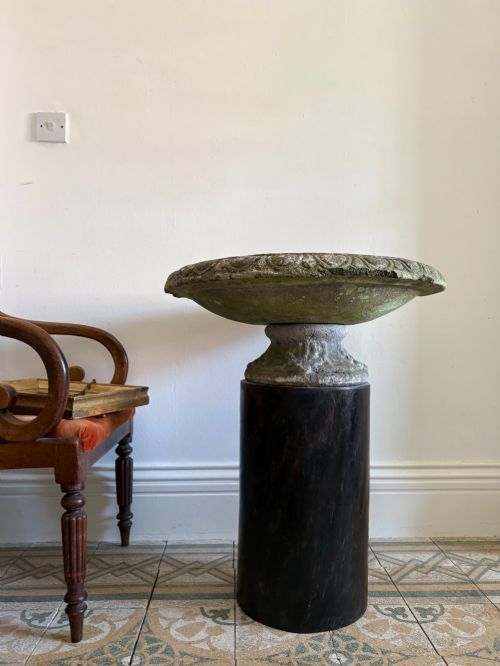
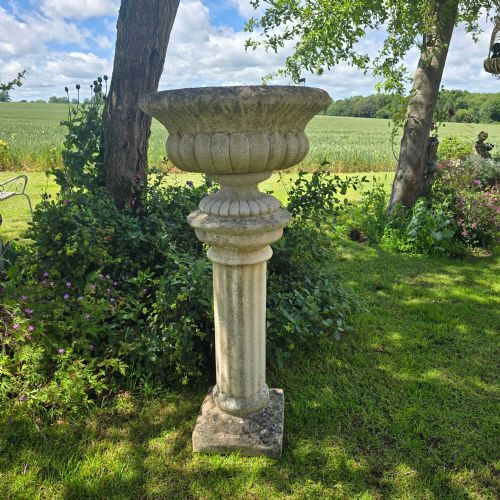
These outdoor garden urns are substantial vessels meant to anchor garden terraces and stone paths.
Outdoor Garden Urns
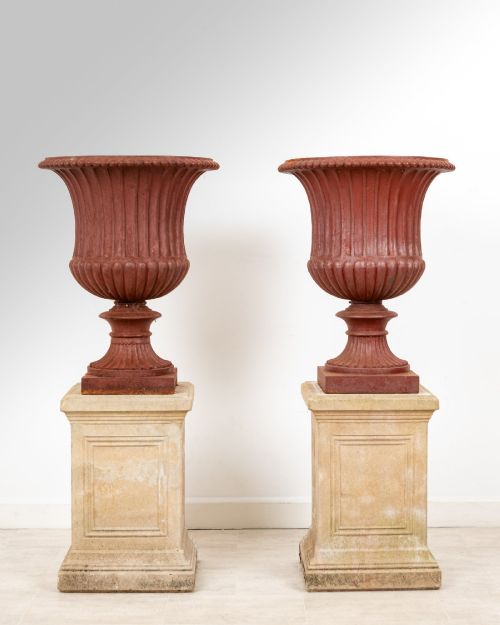
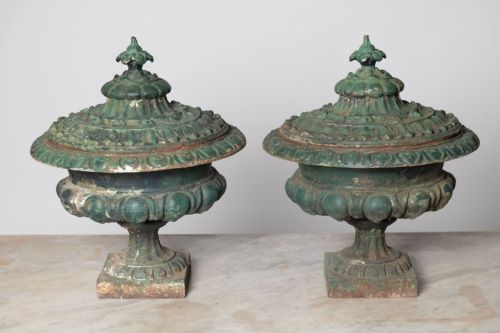
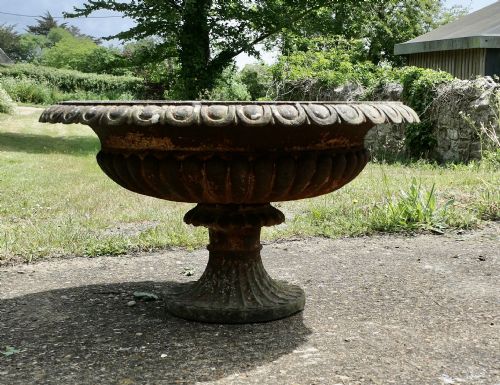
When you look at outdoor garden urns on this page, you encounter forms designed to hold plants while adding architectural weight to grounds and patios. The selection draws primarily from nineteenth century pieces through to early twentieth century examples, spanning periods like the Victorian era, Regency, and nineteen twenties.
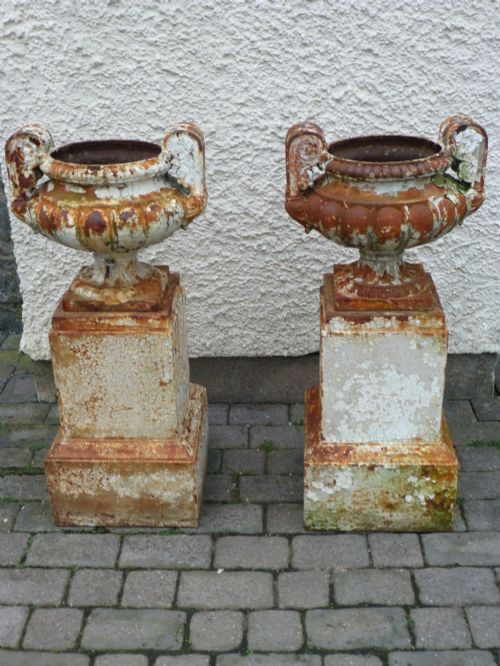
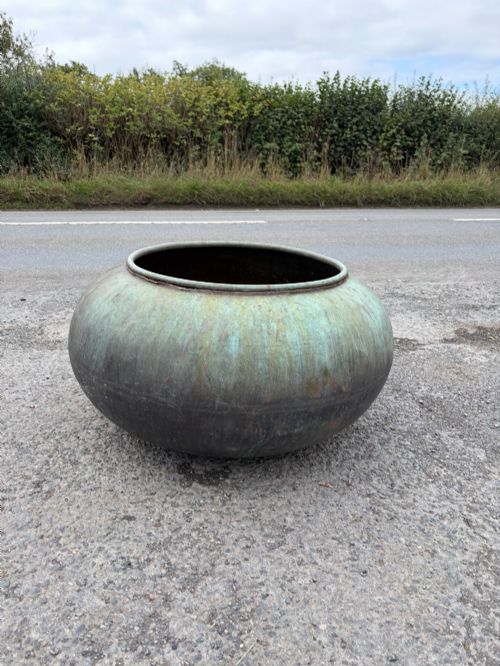
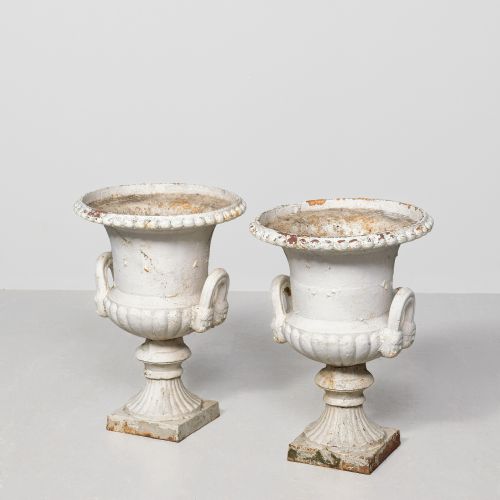
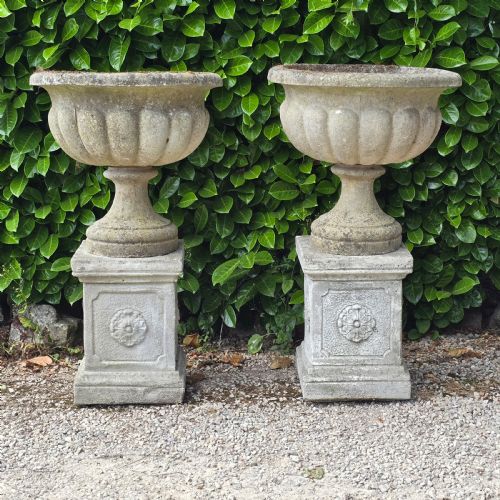
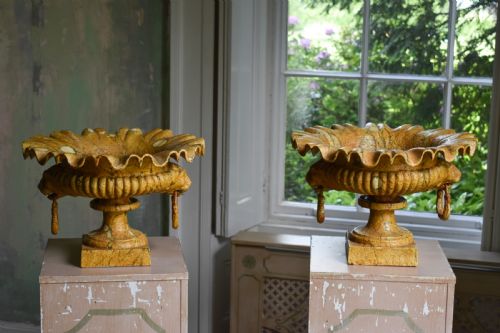
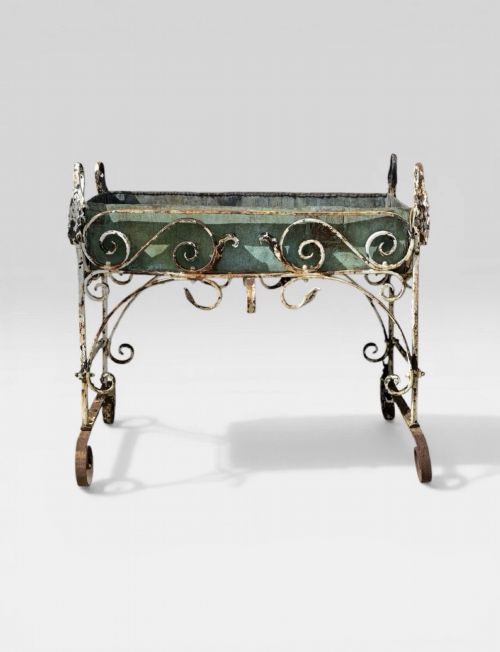
The most common formats include Campana shapes, garden planters, and matching pedestals or plinths. These vessels originate from various workshops and countries, offering both paired sets for symmetry and solitary decorative jardiniere styles.
How they were made
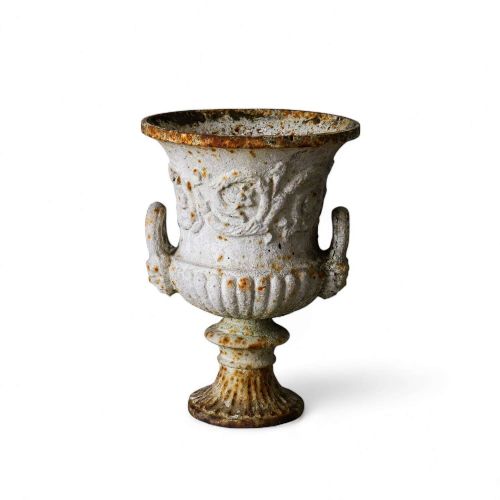
Makers utilised durable outdoor materials such as cast iron, terracotta, and cast stone to withstand the elements over decades. Metal vessels were cast in foundry moulds, sometimes showing original painted finishes or applied distress from age and weathering.
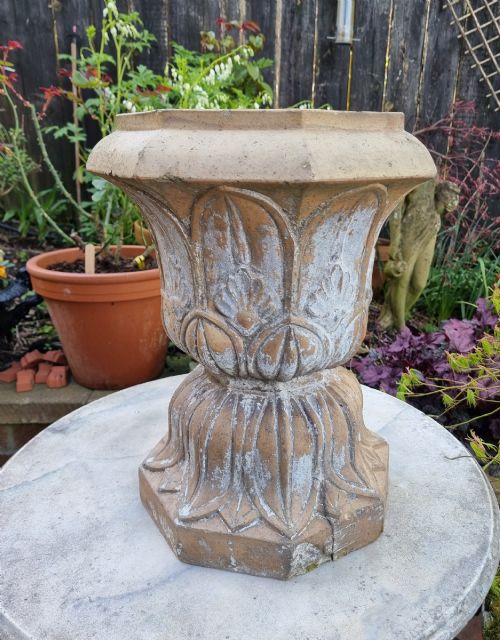
Stone and terracotta versions were moulded or carved, utilising composite materials, soft stone, and salt glazed stoneware. Artisans formed classical details like acanthus leaves directly into the medium or built modular pieces that sat securely on separate stone bases.
Keep an eye out for cast iron planters shaped specifically like giant shrimp.
What varies in quality
The distinction between ordinary and exceptional outdoor garden urns lies in the crispness of the casting and the integrity of the original components. Finer metal castings retain sharp relief work on classical motifs, while lesser examples exhibit softened details from worn foundry moulds.
Originality of surface and structure dictates value within this category. Pieces retaining matching plinths, original lids, or undisturbed patinated paint surfaces demonstrate superior historical preservation compared to later assemblies.
Falkirk Carron foundry·Coalbrookdale·Andrew Handyside·Val D Osne foundry
The Outdoor Garden Urns Glossary
- Campana
- A bell-shaped garden urn design popular in classical architecture. These vessels flare outward from a narrow base toward a wide rim.
- Jardiniere
- An ornamental pot or receptacle intended for holding plants or flowers. They often appear in ceramic, stone, or cast metal.
- Plinth
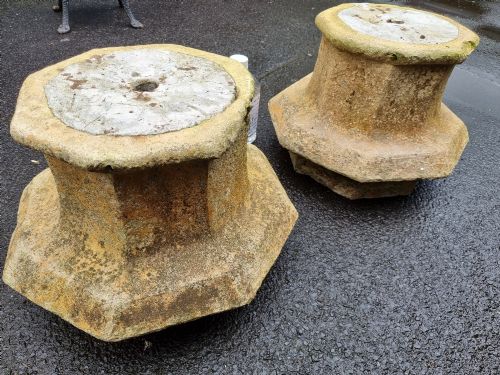
- A heavy stone or metal base block that elevates an urn above ground level. Matching pairs provide balanced display heights.
- Terracotta
- Fired clay material possessing a characteristic brownish-orange hue. It remains porous unless glazed.
- Salt-glazed stoneware
- Pottery that develops a glossy, slightly textured finish from salt thrown into the kiln during firing. This technique creates durable vessels resistant to moisture.
Outdoor Garden Urns: Frequently Asked Questions
Can cast iron urns stay outside all winter?
Cast iron handles outdoor weathering well, especially older pieces with thick walls. Proper drainage prevents trapped water from expanding and cracking the metal.
Gardeners often elevate iron vessels slightly off the ground during freezing months to protect the base from standing water and ice.
How do I identify a Victorian urn?
Victorian examples frequently display heavy cast iron construction with classical revival motifs like acanthus leaves or egg-and-dart rims. Foundry marks or registration numbers occasionally appear on the underside or base.
Proportions tend to be deep and substantial, reflecting the nineteenth century preference for formal garden architecture.
What is the difference between a planter and an urn?
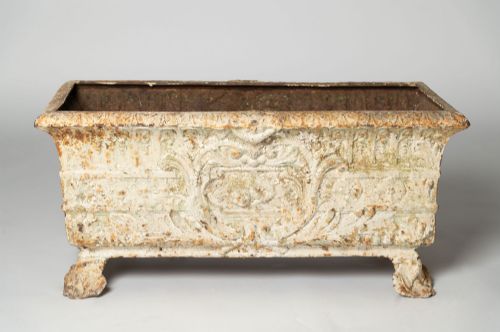
Urns typically feature a footed stem rising from a base to a distinct bell or bowl shape. Planters encompass a broader range of box or pot forms that sit flat without a pedestal.
Both serve the same horticultural function, but urns carry a stronger architectural silhouette suitable for focal points.
Do antique garden urns need special care?
Weathered surfaces and original paint require gentle treatment rather than aggressive cleaning. Scrubbing removes the desirable historic patina that builds over decades outdoors.
Applying a light coat of wax can protect exposed cast iron surfaces from active rust while preserving the aged appearance.