
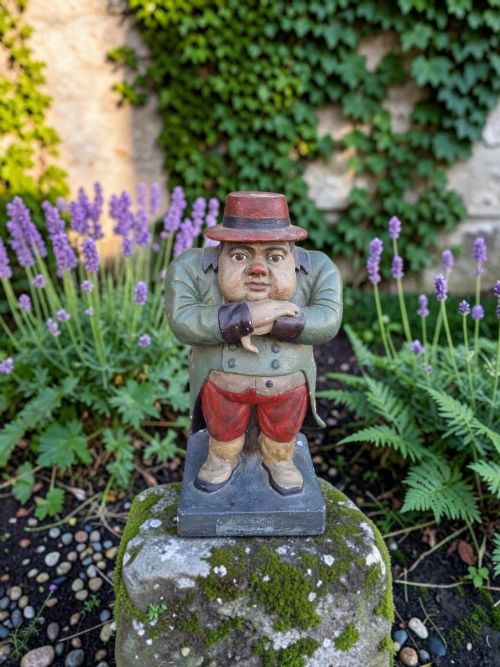
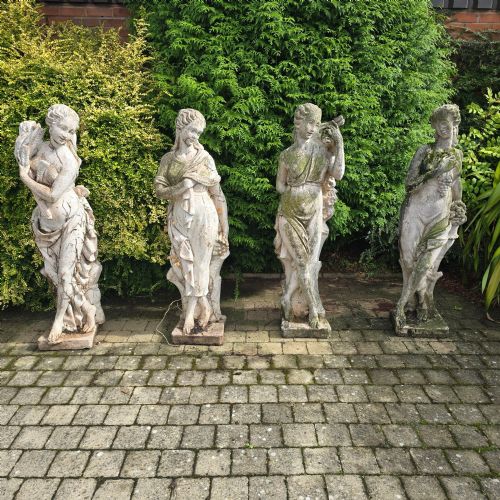
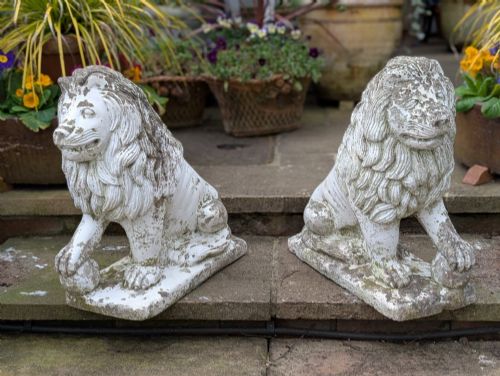
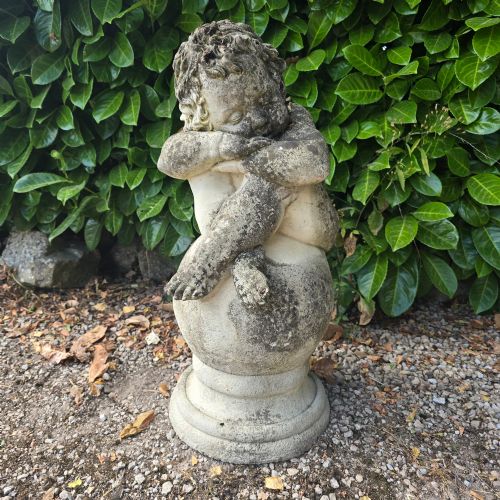


Outdoor Garden Sculpture
Outdoor garden sculpture brings architecture and character to grounds, featuring figures, animals, and architectural ornaments cast or carved to weather the elements.
Outdoor Garden Sculpture
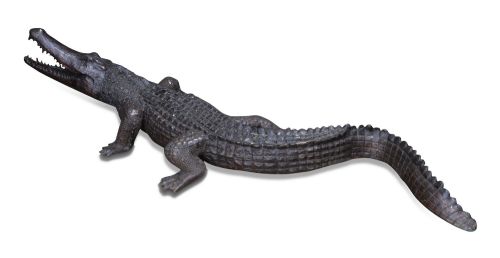
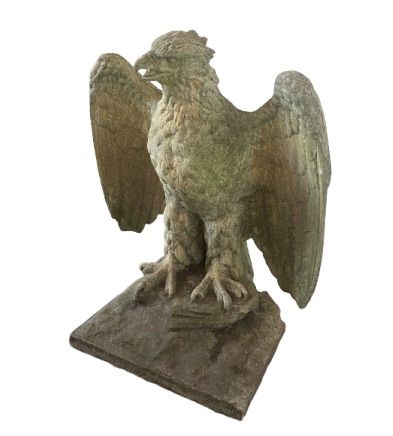
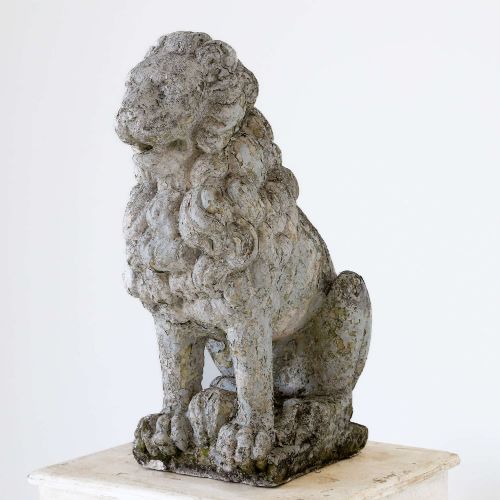
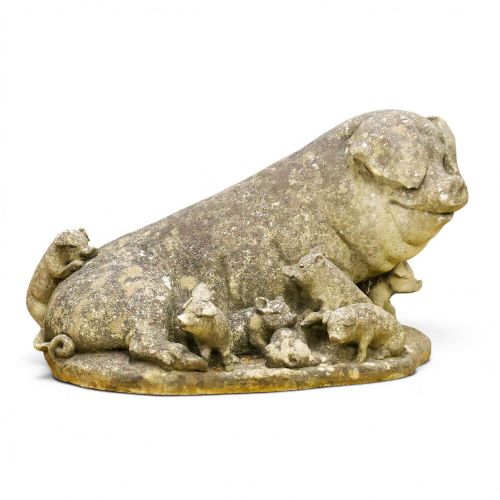
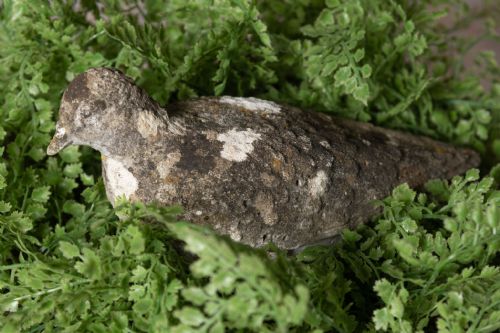
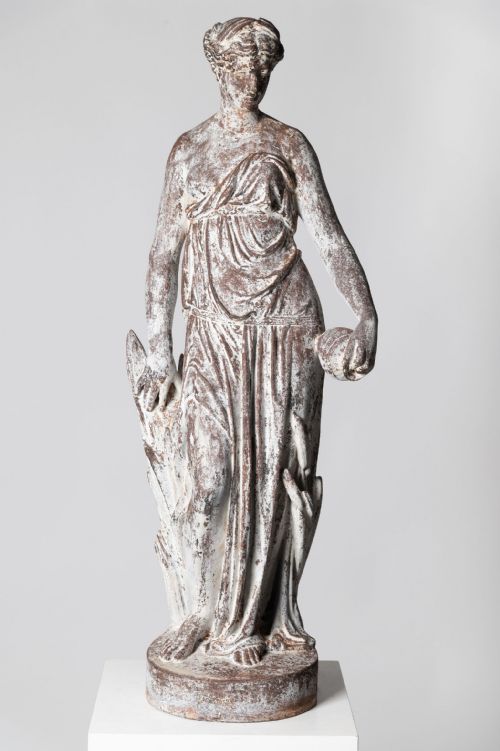
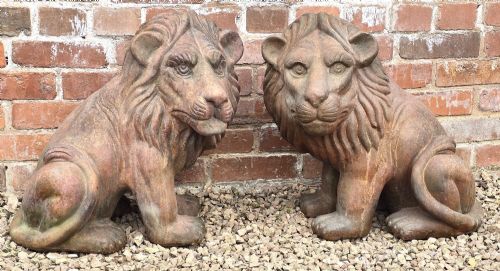
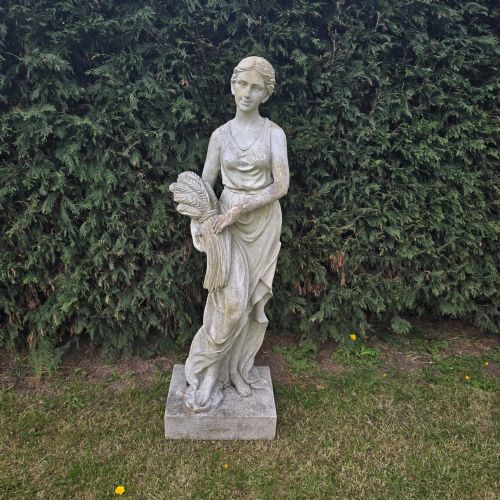
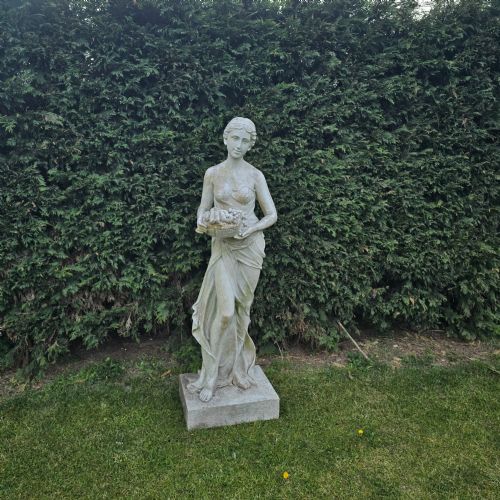
When searching for outdoor garden sculpture, buyers encounter a diverse selection spanning the eighteenth, nineteenth, and twentieth centuries, including Edwardian and 1950s pieces. The forms range from classical figures like Venus de Milo and the Four Seasons to animal figures such as lions, eagles, crocodiles, pigs, and geese.
Architectural elements like pier finials, staddle stones, and temple vases also appear among the statuary and garden ornaments. These pieces originate from various regions, including English, French, German, Italian, Indian, and Japanese workshops.
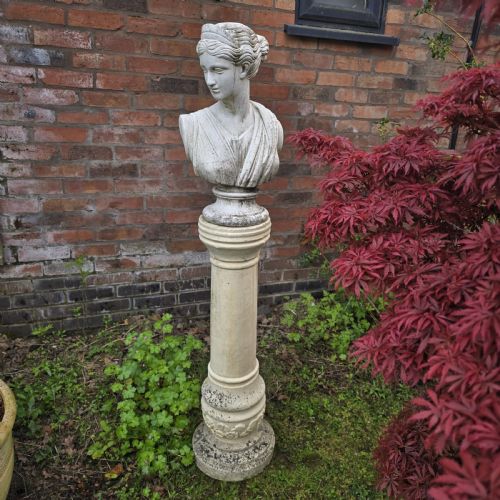
Cast stone and reconstituted stone figures dominate the selection, alongside substantial works in bronze, cast iron, terracotta, and marble. Buyers often find these objects displayed on plinths or pedestals designed to elevate them within grounds and courtyards.
Materials and casting methods
Foundries and studios utilised durable media suited for external display, moulding cast iron, bronze, and composite or reconstituted stone into detailed statuary. Bronze works often involve complex casting techniques to produce life-sized animals, fountains, and okimono with fine surface textures.
Stonemasons and terracotta workshops shaped natural sandstone and hand-sculpted clay, sometimes applying original paint surfaces to stone and composite materials. Marble carving yielded monumental animal figures and figurative groups requiring precise hand work.
Cast stone production involved mixing aggregates with binders to replicate the appearance of carved stone efficiently. These varied fabrication methods determined the weight, patina, and weathering characteristics of each garden ornament.
Listings feature garden sculptures spanning the nineteenth century through the 1950s, created in bronze, cast iron, terracotta, and stone.
Assessing quality and presence
The integrity of the material and the character of the weathering contribute significantly to the visual weight of an outdoor garden sculpture. Original paint remnants, stable patinas, and substantial mounting on plinths enhance the overall presence of the piece.
Val d’Osne foundry
The Outdoor Garden Sculpture Glossary
- Reconstituted stone
- A manufactured material made from crushed stone and a binder, moulded to replicate natural carved stone. It is widely used for durable garden statuary and architectural ornaments.
- Pier finial
- An architectural ornament placed on top of a gate pier or wall post. Large eagles and lions frequently serve this decorative function.
- Okimono
- A Japanese decorative sculpture designed for display. These pieces often depict animals such as geese, dragons, or horses.
- Terracotta
- Fired unglazed clay used for sculptural figures and planters. Italian workshops produced large hand-sculpted examples.
Outdoor Garden Sculpture: Frequently Asked Questions
What materials suit outdoor garden sculpture best?
Bronze, cast iron, terracotta, and reconstituted stone withstand external environments effectively when properly maintained. Each material develops a distinct surface appearance over decades of exposure.
Heavier media like cast stone and marble provide stability against wind and movement without requiring permanent ground anchoring.
How do I place large garden statuary?
Positioning depends on the scale and form of the piece, with figures and animal sculptures often sited at focal points along paths or lawns. Using stone plinths or pedestals elevates statues to improve visibility among planting.
Architectural ornaments like pier finials work best on gate pillars, walls, or terrace boundaries where they frame entrances.
How do I date cast stone figures?
Dating relies on stylistic evidence, manufacturing technology, and the nature of the surface weathering. Pieces from the early twentieth century often display distinct casting seams and aggregate compositions compared to mid-century items.
Examining remaining paint layers and historical catalogue references helps narrow the production period.