



Ottoman Inlaid Table
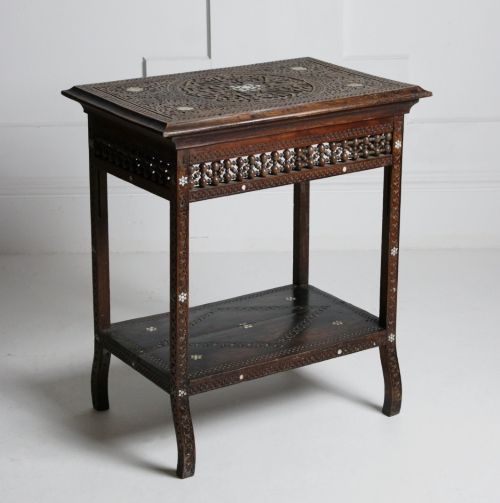
An ottoman inlaid table brings complex geometric marquetry and mother-of-pearl work straight into a room, offering both surface utility and rich ornamentation.
Ottoman Inlaid Table
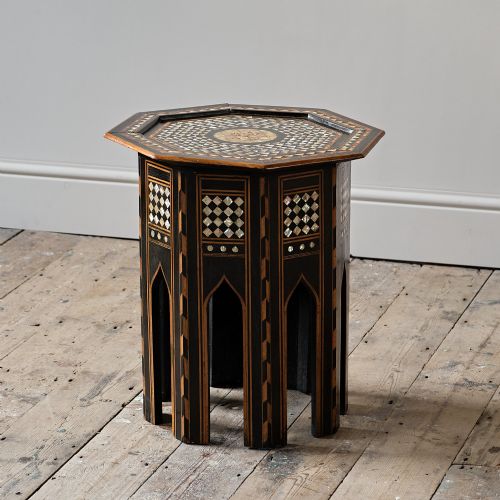
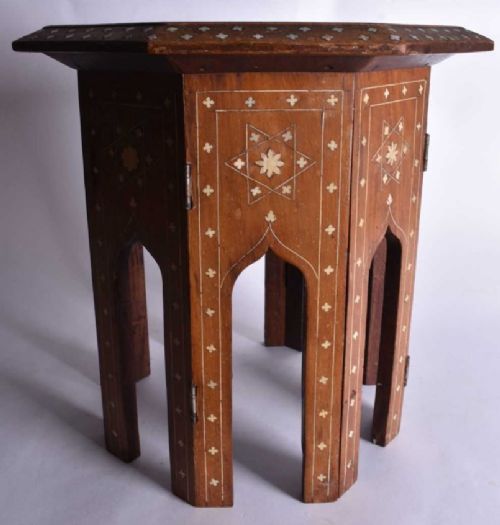
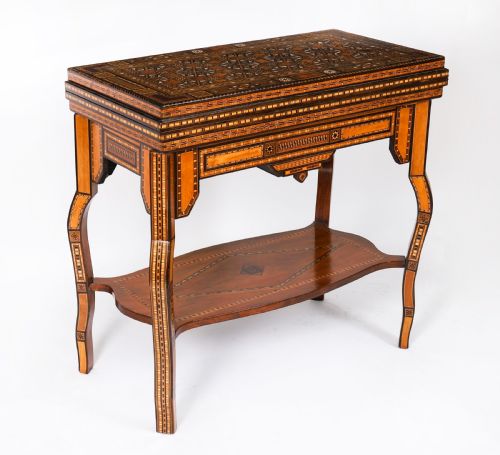
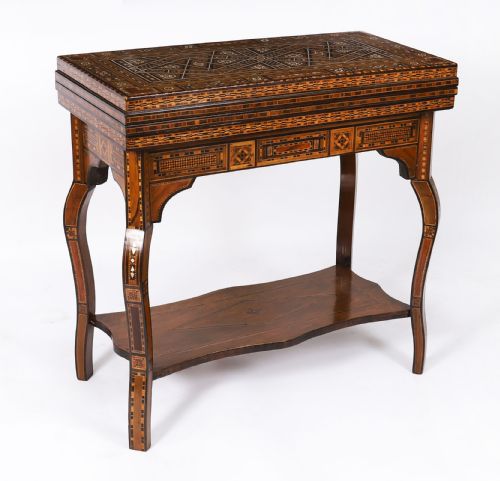
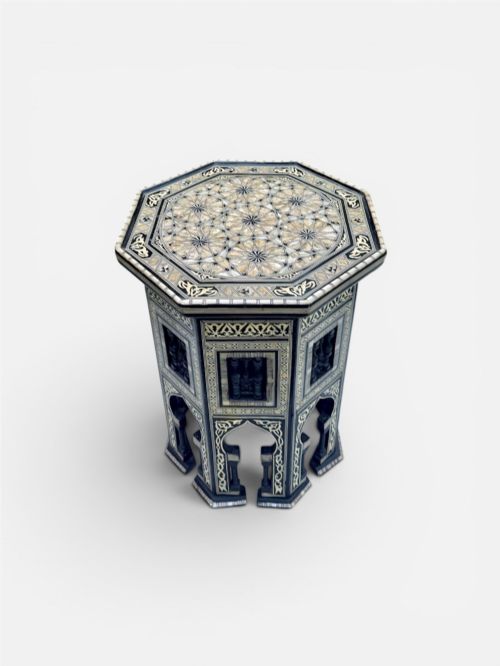
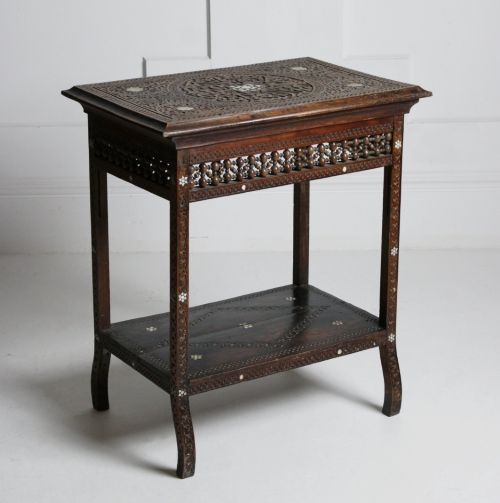
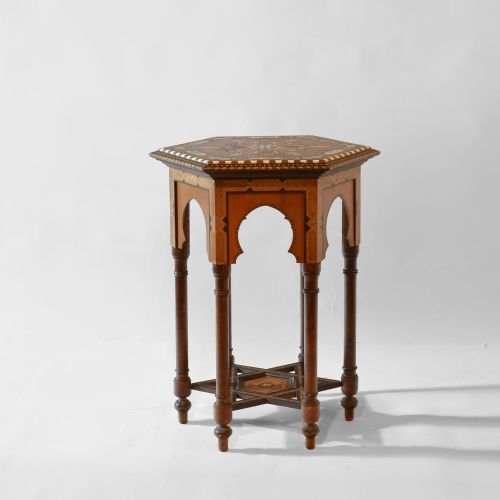
When you search for an ottoman inlaid table, you encounter intricate pieces originating from nineteenth-century Syria, the Levant, and broader Moorish revival workshops. Side tables and folding games tables dominate the selections, often constructed with distinctive octagonal or hexagonal tops.
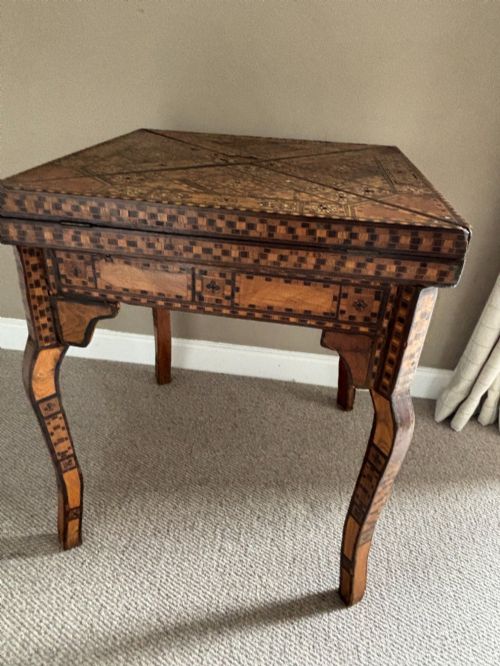
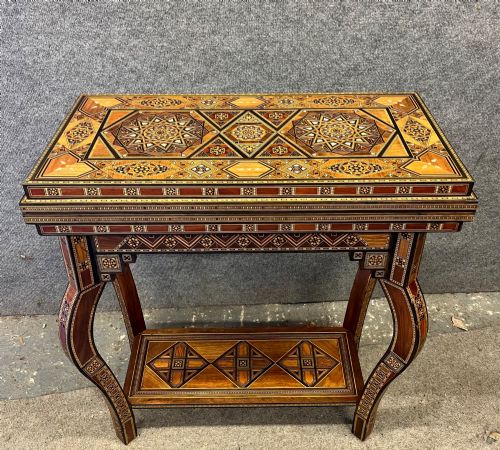
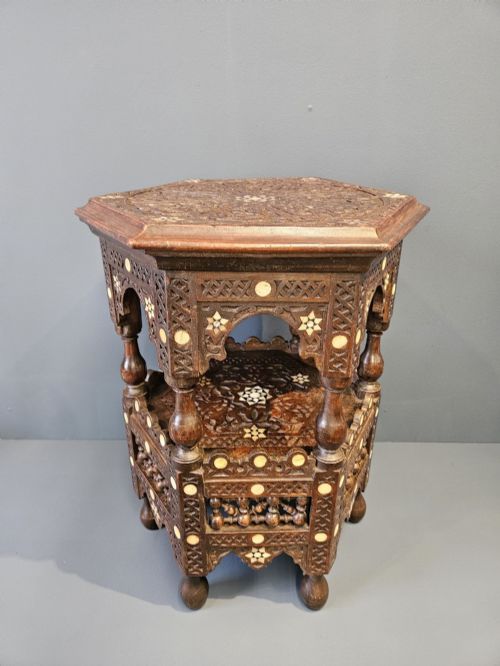
You will regularly find items featuring multi-functional designs, such as envelope games tables or two-tier stands, alongside occasional chests and writing desks. These objects served elite domestic spaces across the Ottoman empire and later found favour in Victorian British interiors.
The aesthetic bridges several regional traditions, including Syrian, Levantine, and Ottoman folk art styles. Geometric precision defines the surface patterns, setting these items apart from standard European furniture of the period.
Materials and construction methods
Artisans built the structural framework using dense timbers like walnut, fruitwood, and ebonised wood. Hardwood carcasses provided the stability needed to support heavy surface decoration.
Intricate surface patterns relied on precise insertion of bone and mother-of-pearl tesserae into hand-cut channels within the timber. Cabinetmakers combined carved woodwork with detailed mosaic inlay to achieve dense, multi-textured finishes.
Ottoman Inlaid Table Retail Price Guide 2026
Typical asking prices for ottoman inlaid table among the pieces listed under this phrase on Sellingantiques today, from the lower quarter to the upper quarter. They describe what is for sale here now, not the wider market.
Listings demonstrate a strong presence of walnut and hardwood carcasses embellished with natural bone and mother-of-pearl.
Factors of craftsmanship and execution
The density and precision of the geometric mosaic work separate standard items from superior examples. Better pieces maintain tight alignment of bone and mother-of-pearl elements without excessive filler in the timber channels.
Structural complexity also dictates grade, with folding mechanisms, metamorphic writing surfaces, and two-tier configurations requiring advanced joinery. The depth of hand-carved detailing across the solid wood carcass further elevates the standard of the piece.
Liberty & Co
The Ottoman Inlaid Table Glossary
- Moorish Revival
- An architectural and decorative style popular in the nineteenth century that reinterpreted Islamic design motifs for Western homes. It heavily influenced British imports of Levantine and Syrian furniture.
- Envelope games table
- A square table with a rotating top that opens outward through four triangular flaps to reveal a baize-lined playing surface. These folding designs allowed multi-use functionality in nineteenth-century parlours.
- Mother-of-pearl
- The iridescent inner layer of mollusc shells, harvested to create luminous geometric tesserae for furniture inlay. Artisans shaped tiny pieces by hand to catch the light within darker wooden matrices.
- Octagonal top
- A geometric surface possessing eight distinct sides, frequently utilised on Levantine and Damascus occasional tables. This shape allowed complex multi-panel inlay arrangements.
Ottoman Inlaid Table: Frequently Asked Questions
What is an ottoman inlaid table?
An ottoman inlaid table is a decorative item featuring complex geometric woodwork, often incorporating mother-of-pearl and bone elements. These pieces originated in the Middle East and nineteenth-century European revival workshops.
They function primarily as side tables, coffee tables, or folding games surfaces for chess and backgammon.
How were these tables used originally?
In Ottoman and Levantine domestic spaces, low tables supported tea service and everyday objects. European households later adopted them as decorative accent pieces for drawing rooms and smoking dens.
Many versions included folding stands or convertible tops designed for entertaining guests with board games.
How do I care for inlaid wood?
Protect the surface by keeping the table away from direct heat sources and sudden humidity shifts, which cause the wood to shrink and loosen the inlay. Dust gently with a dry, soft cloth.
Avoid commercial polishes containing harsh solvents that can degrade the adhesive holding the bone and shell tesserae.
How do I distinguish regional styles?
Syrian and Damascus pieces typically display dense micro-mosaic patterns composed of tiny wood, bone, and shell triangles. Moorish revival items made in Britain often integrate heavier carved frameworks with surface inlay.
Examining the underside and timber species helps clarify whether an item originated in the Levant or a European workshop.