

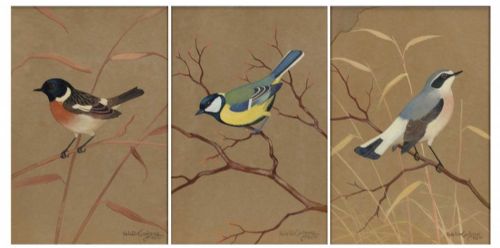


Ornithological Watercolour Painting
An ornithological watercolour painting captures the vibrant plumage and quiet posture of birds through pigment on paper, prized by natural history collectors.
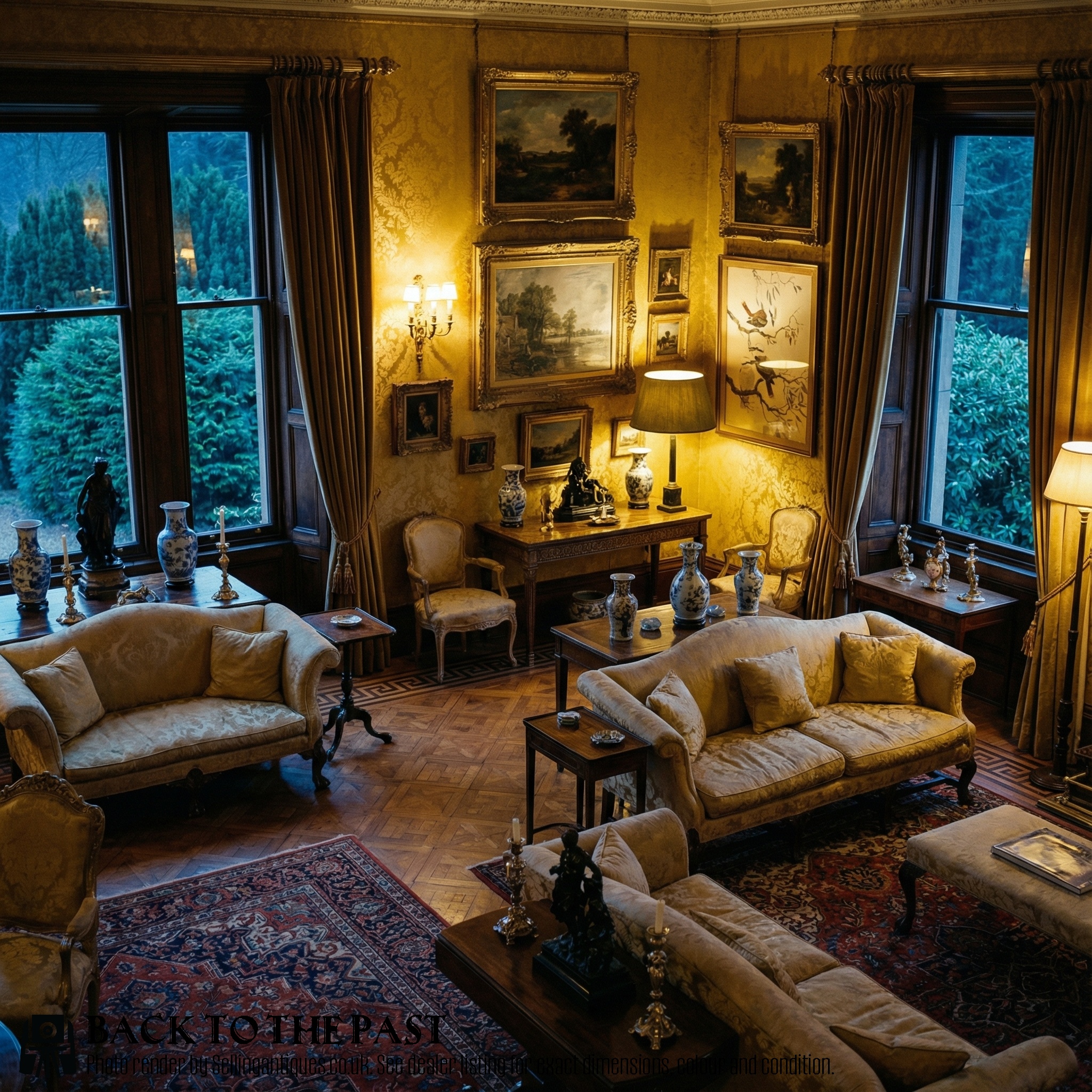
Ornithological Watercolour Painting
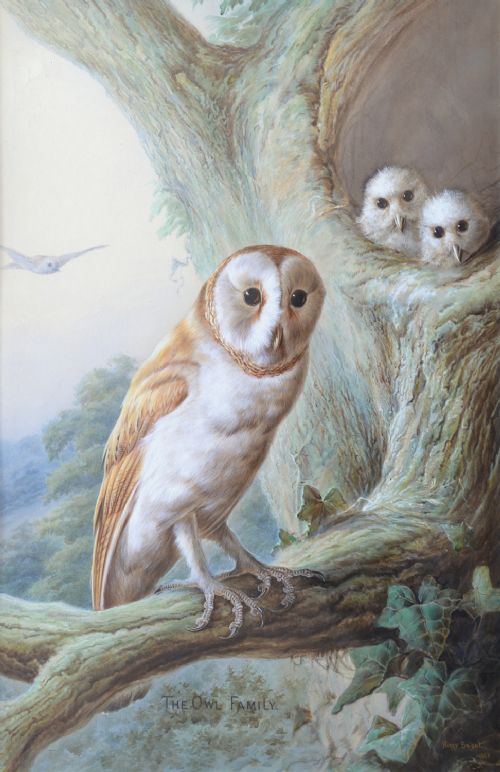
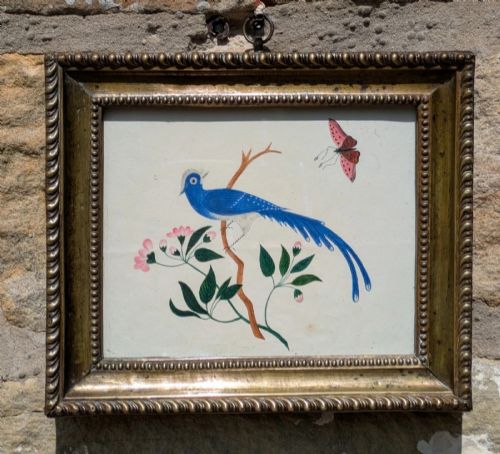
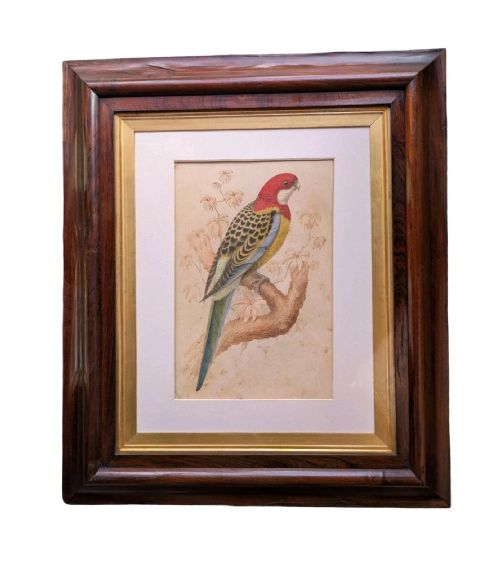
An ornithological watercolour painting depicts various avian species, ranging from garden birds to exotic parrots, recorded with precise observation and natural history accuracy. These works appear across several distinct eras, spanning from the Regency period and the nineteenth century through to mid-century British art.
Buyers will encounter framed artworks and wall art created in styles such as Victorian naturalism, natural history illustration, and nineteen-thirties British realism. Subjects include individual studies of thrushes, blue tits, and finches alongside multi-bird compositions like kookaburras and garden birds.
The format typically involves watercolour paint on paper, frequently housed within glass-fronted wooden or ebonised frames, sometimes accompanied by deep giltwood mounts. Pieces range from intimate historical depictions of specific named birds to signed mid-century naturalistic studies.
How they were made
Artists apply watercolour paint, occasionally supplemented with gouache for opacity and detail, directly onto paper supports. This water-based medium allows for delicate washes that render the soft texture of feathers and the subtle gradation of avian colours.
Framing methods protect these delicate works on paper, employing wood surrounds, glass glazing, and gilt or ebonised mounts to separate the painting from the environment.
Ornithological Watercolour Painting Retail Price Guide 2026
Typical asking prices for ornithological watercolour painting among the pieces listed under this phrase on Sellingantiques today, from the lower quarter to the upper quarter. They describe what is for sale here now, not the wider market.
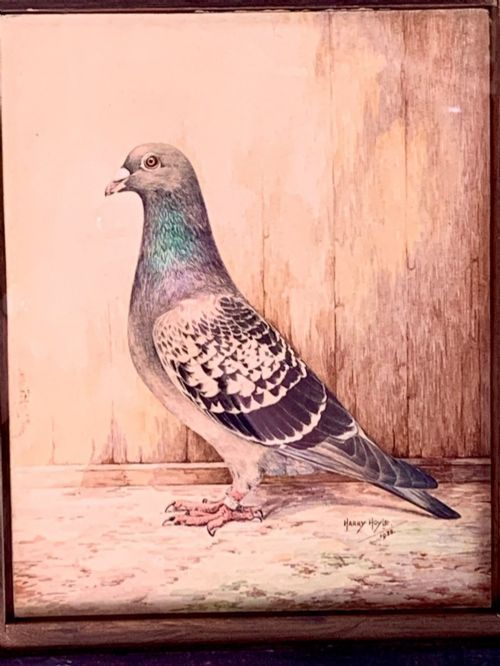
One historical painting proudly records a pigeon named Royal Messenger winning a King George jubilee prize.
What varies in quality
Quality rests primarily upon the precision of the brushwork and the anatomical accuracy with which the bird is rendered. Master artists capture posture and plumage with convincing vitality, while lesser examples rely on stiff or generic forms.
The significance of the artist, historical provenance, and the condition of the paper and pigment further elevate certain works. Original framing materials that complement the period also contribute to the integrity of the piece.
R Hurst·Ralston Gudgeon·M Simpson·Charles F Tunnicliffe·William Andrews Nesfield·Harry Bright·Arthur Wardle·Robin Hill·Michael Jackson·Paul Louis Barruel·Donald Watson
The Ornithological Watercolour Painting Glossary
- Watercolour
- A paint consisting of pigment suspended in a water-based solution, applied to paper to create translucent washes of colour.
- Gouache
- An opaque water-based paint often used alongside watercolour to add highlights and solid colour density to feather details.
- Ebonised
- Wood treated with a finish to resemble ebony, frequently used for dark, contrasting picture frames.
- Giltwood
- Wood carved and covered with a thin layer of gold leaf or metallic gilt, used to create reflective mounts and frames.
- Natural history illustration
- Scientific or artistic depiction designed to record animal and plant species with precise detail and accuracy.
Ornithological Watercolour Painting: Frequently Asked Questions
How should I display my bird painting?
Keep watercolours away from direct sunlight to prevent the pigments from fading over time. Position them on interior walls where room temperature and humidity remain relatively stable.
Ensure the frame is properly sealed behind glass to protect the paper from dust and atmospheric moisture.
Are these works original or prints?
The pieces listed here are hand-painted original watercolours executed directly on paper. Artists use brushes and fluid pigments rather than mechanical reproduction processes.
Close inspection under magnification will reveal individual brushstrokes and the physical texture of the paint upon the paper surface.
How do I identify the period of a painting?
Examine the framing style, paper type, and artist signatures where available. Nineteenth-century works often feature distinct framing conventions and traditional paper stocks.
Mid-century pieces frequently display looser, more naturalistic painting techniques characteristic of later British realism and naturalism.
What subjects are most common?
Artists record a wide variety of avian life, including familiar garden birds like thrushes, blue tits, and finches. Exotic subjects such as parrots and macaws also appear alongside game birds and Australian species.
Compositions range from single detailed studies to grouped illustrations of multiple birds in natural habitats.