
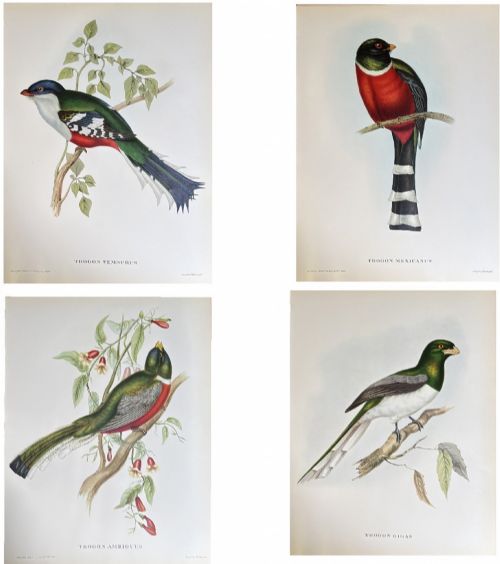
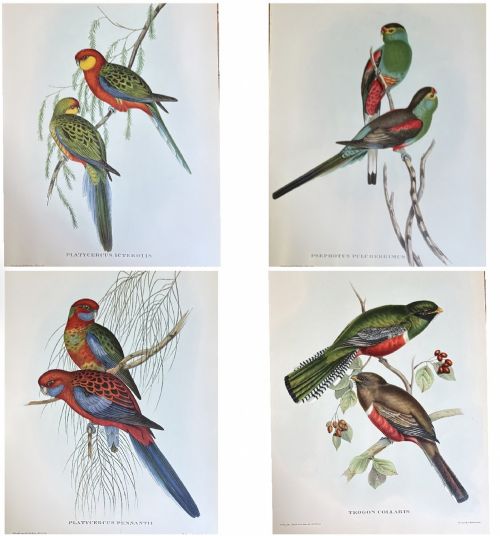
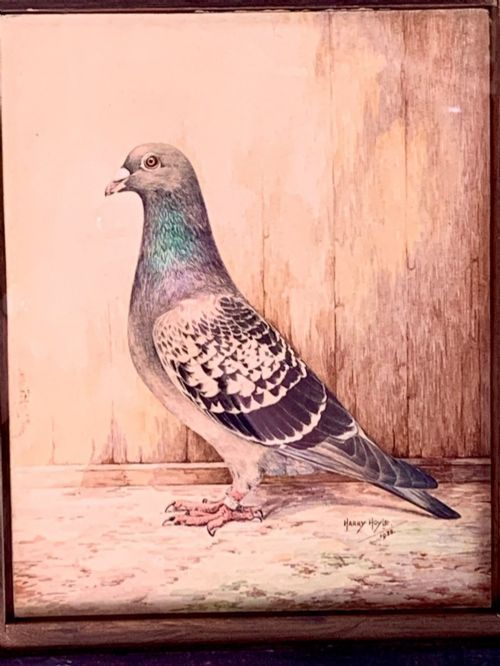
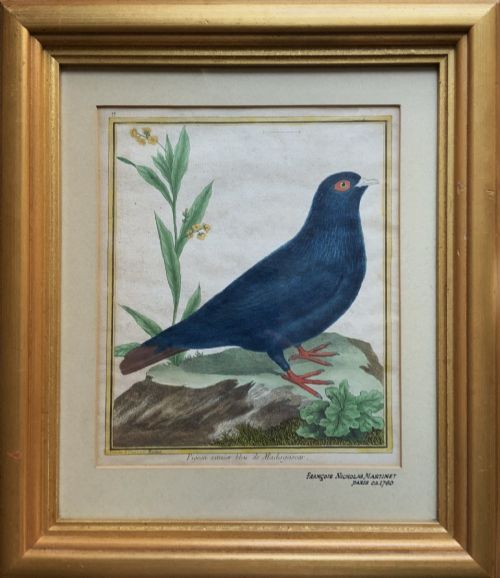
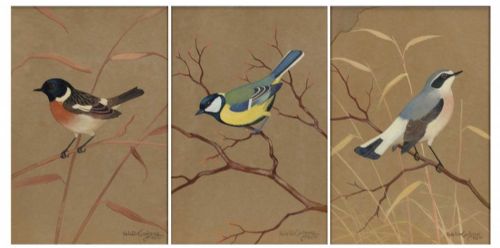
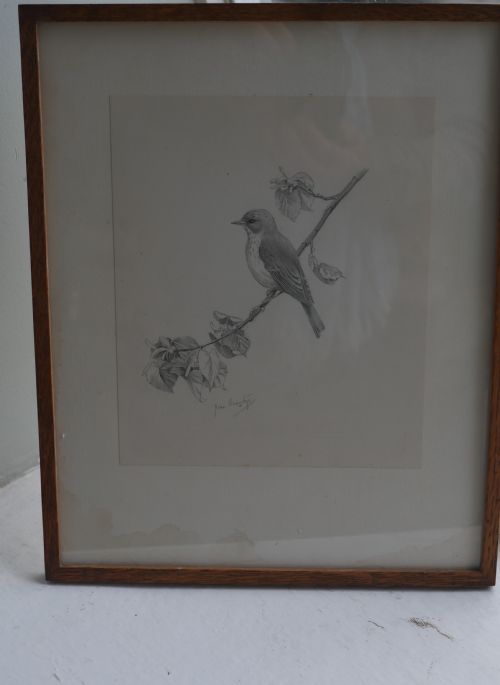
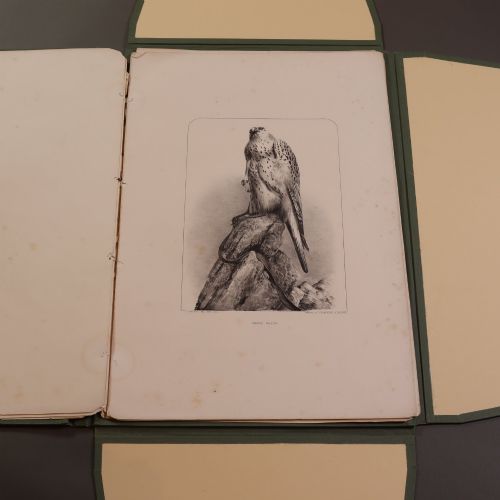


Ornithological Bird Illustration
An ornithological bird illustration brings natural history onto the wall through detailed studies of plumage and form.
Ornithological Bird Illustration
An ornithological bird illustration captures avian subjects through watercolours, engravings, lithographs, and pencil drawings spanning from the 18th century to the mid 20th century. Buyers encounter single sheets, framed sets, and painted studies created under Victorian, Georgian, and Edwardian natural history traditions.
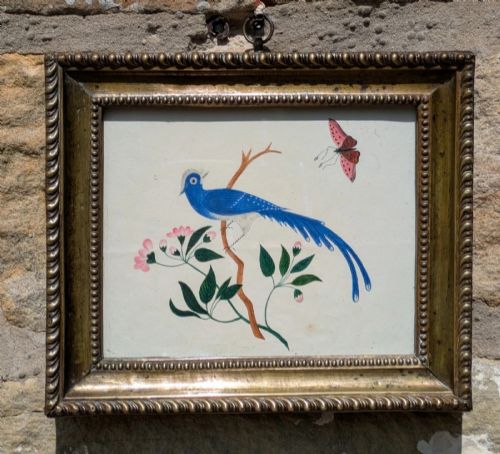
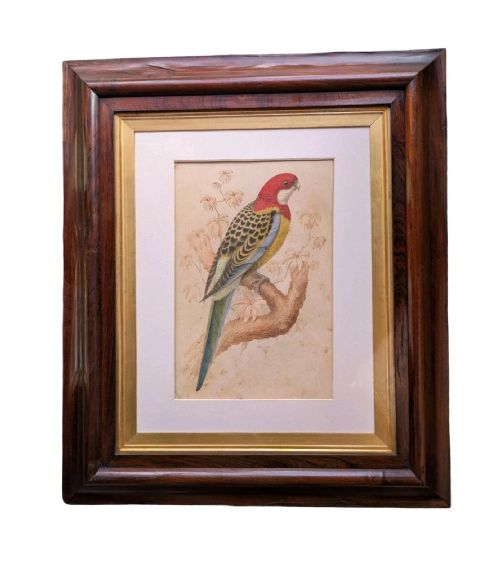
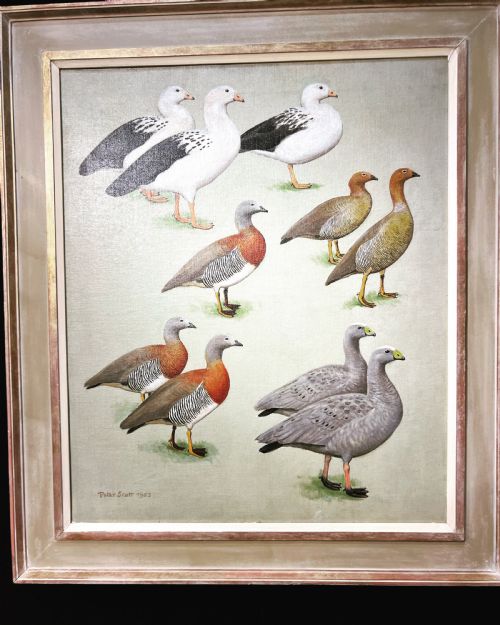
Most pieces on this page take the form of wall art, framed prints, and original paintings depicting specific species ranging from exotic parrots to British garden birds. Subjects appear individually or in series, often mounted in wood and gilt frames behind glass.
The selection ranges from early hand-coloured engravings by historical naturalists to later mid-century watercolours and lithographs. Pieces reflect shifts in scientific recording and artistic interpretation across the 18th, 19th, and 20th centuries.
Materials and technique
Makers utilised paper as the primary support, applying ink, watercolour, and lithographic pigments by hand or through early printing plates. Hand-coloured engravings combined printed line work with subsequent washes of pigment to render natural colours.
Framing materials include wood, ebonised surrounds, and giltwood mounts that protect delicate paper surfaces under glass. Many watercolours and drawings remain preserved in period frames that match the original production era.
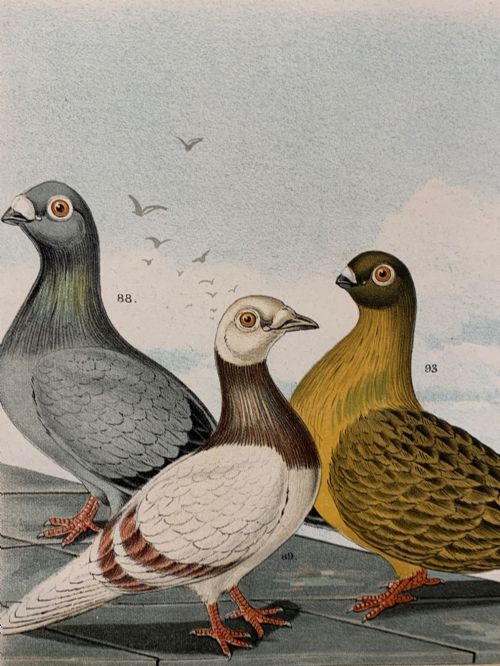
Pigeons share space with exotic macaws and falconry subjects, proving that humble racing birds commanded the same artistic attention as tropical wonders.
Judging quality in bird illustrations
Quality rests upon the precision of the draftsmanship and the fidelity of the colouring applied to the plumage. Skilled practitioners captured anatomical accuracy alongside lively posture, while lesser works lack proportion and anatomical detail.
The preservation of the paper and the vibrancy of the original pigments distinguish superior examples from faded or discoloured sheets. Intact period framing and clear signature attribution further elevate the standing of a piece.
François-Nicolas Martinet·John Hancock·William Andrews Nesfield·Harry Bright·Edward Lear·William Swainson·Paul-Louis Barruel·Charles F Tunnicliffe
The Ornithological Bird Illustration Glossary
- Lithograph
- A print made by drawing an image on limestone or a metal plate with a greasy substance so that ink adheres only to the drawn lines. This technique allowed for the reproduction of detailed natural history plates in multiple colours during the 19th century.
- Hand-coloured
- A monochrome engraving or print finished by hand with watercolours or washes to provide realistic hues. Artisans applied pigment directly to individual sheets following printed outlines.
- Engraving
- An intaglio printmaking process where an artist cuts lines into a metal plate to hold ink for transfer onto paper. This method produced fine, crisp details suitable for scientific study.
- Giltwood
- Wood decorated with gold leaf or a gold-coloured finish applied to frames and mounts. It provides a reflective border popular in period framing.
- Ebonised
- Wood treated with a dark finish to resemble ebony. This dark framing style creates a strong visual contrast against light paper backgrounds.
Ornithological Bird Illustration: Frequently Asked Questions
How should I hang bird illustrations?
Keep framed pieces out of direct sunlight to prevent the watercolour pigments and coloured inks from fading over time. Ensure the room humidity remains stable to protect the antique paper and wooden frames.
Group related series together on a wall to replicate the historical display of natural history studies. Match the scale of the frames to the available wall space.
Are these works original or prints?
The listings include both original hand-painted watercolours and historical printed works such as lithographs and engravings. Each technique offers a different visual texture depending on the production method.
Examining the surface under magnification reveals whether pigment sits directly on the paper as paint or rests within printed ink matrixes. Hand-coloured plates combine printing with subsequent manual brushwork.
How do I date a bird illustration?
Examine the paper stock, printing technique, and framing style for clues to the period of origin. Early pieces often feature handmade laid paper, while 19th-century works utilise machine-made alternatives.
Signatures, publisher publication lines, and accompanying typography provide further chronological markers. Stylistic shifts between Georgian exactness and Victorian naturalism help narrow the decade.
What is an ornithological study?
An ornithological study is a visual record created to document the anatomy, plumage, and behaviour of bird species. These works served scientific observation and natural history recording before modern photography.
Artists worked from life specimens or museum skins to render accurate proportions. The resulting images combined scientific utility with decorative appeal.