



Brown Bird Watercolour Art
Brown bird watercolour art brings naturalism and ornithological study directly onto your wall through delicate washes of pigment on paper.
Brown Bird Watercolour Art
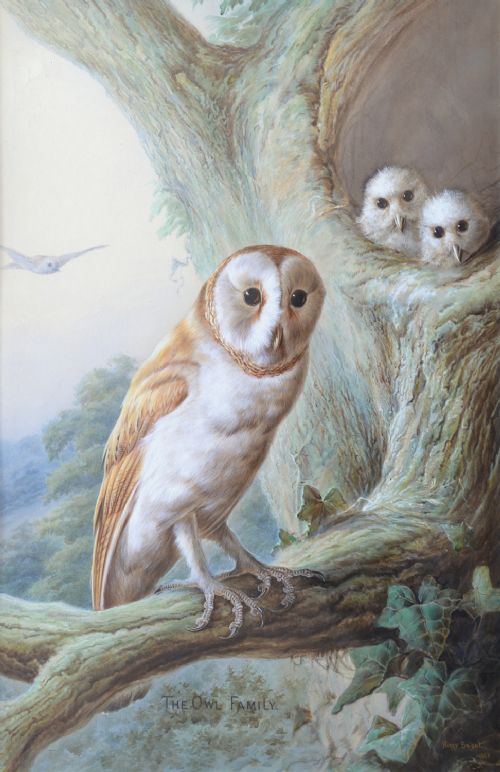
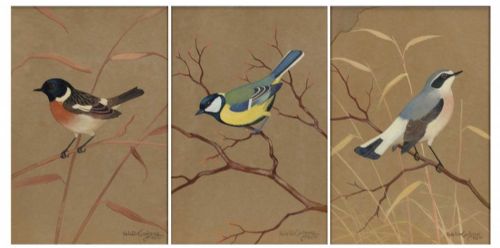
When you search for brown bird watercolour art, you encounter original paintings and framed studies that capture avian subjects through fluid pigment. These works span periods from the Victorian era and Edwardian times through to the mid twentieth century, reflecting shifting tastes in natural history illustration.
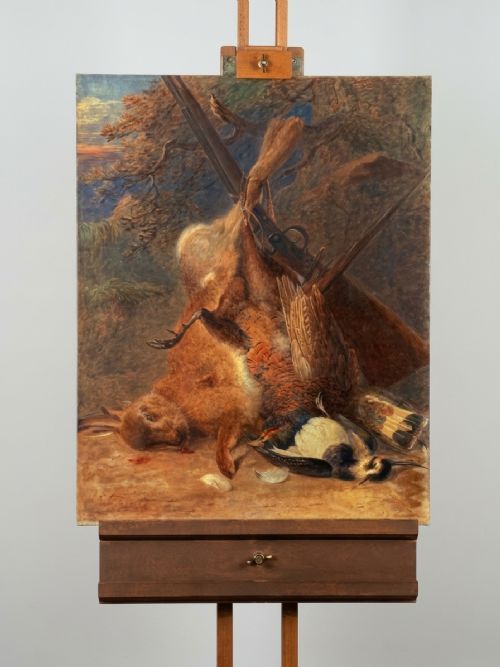
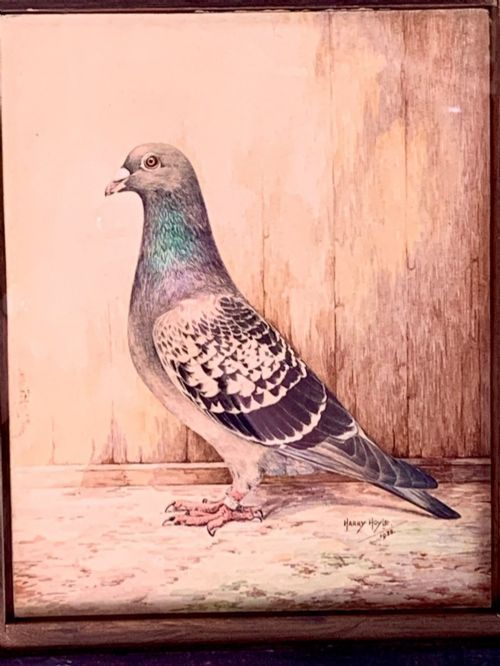
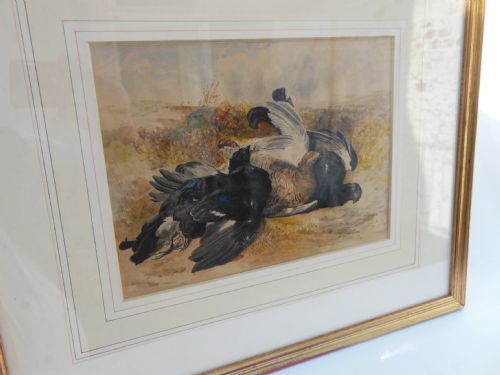
The selections range from detailed studies of game birds and pigeons to garden bird watercolours and Australian bush kookaburras. Many pieces arrive framed in wood behind glass, preserving the delicate paper supports and water-soluble pigments.
The art forms vary from precise ornithological records intended for scientific study to expressive sporting art depicting game and naturalism. You meet works executed by named artists alongside pieces dated to specific decades such as the nineteen twenties and nineteen forties.
Materials and technique
Artists apply watercolour paint and bodycolour or gouache onto paper supports to build up the plumage and form of each bird. The opacity of bodycolour allows masters to introduce fine highlights on feathers, contrasting with transparent watercolour washes in the background.
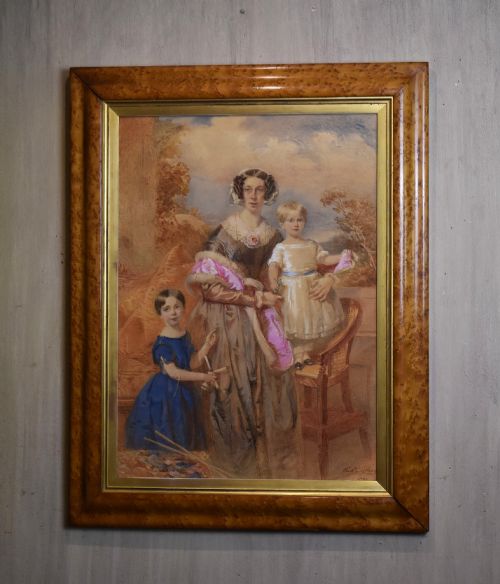
Framing materials typically comprise wood mouldings and protective glass to shield the paper from environmental degradation. Gilt accents occasionally feature in the mounts or frames of nineteenth century and Edwardian pieces, adding traditional finish to the presentation.
Pigeons win royal silver jubilee prizes while kookaburras hold court from the outback.
Separating top work from ordinary pieces
Quality rests upon the precision of the brushwork and the anatomical accuracy of the bird study. Works by accomplished painters demonstrate a deep understanding of avian structure, posture, and feather texture.
Condition of the paper and the vibrancy of the pigments dictate the desirability of a piece. Well-preserved sheets retain their original colour without excessive fading from light exposure, while strong provenance and clear artist signatures elevate the stature of a painting.
George Sydney Shepherd·Frederick Tatham·Ralston Gudgeon·Robin Hill·Donald Watson·Archibald Thorburn
The Brown Bird Watercolour Art Glossary
- Watercolour
- A painting method where paints are made of pigments suspended in a water-based solution. This medium allows for transparent washes that reveal the texture of the paper underneath.
- Bodycolour
- Watercolour paint mixed with a white pigment to make it opaque. Artists use this technique to add solid highlights and dense areas of colour to bird studies.
- Gouache
- A water-based paint consisting of pigment and other inert materials designed to be opaque. It shares many characteristics with bodycolour and provides flat, matte areas of tone.
- Naturalism
- An artistic movement focused on the accurate depiction of the natural world. In these pieces, it drives the realistic portrayal of birds within their natural habitats.
- Sporting art
- Artwork dedicated to field sports, game, and hunting subjects. This genre includes detailed depictions of game birds such as black game and hares.
Brown Bird Watercolour Art: Frequently Asked Questions
How old are these watercolours?
The pieces span from the nineteenth century through the Edwardian period and into the mid twentieth century. Dates often appear in the titles or signatures recorded on the paper.
Specific decades represented include the nineteen tens, twenties, thirties, and forties, reflecting changing artistic movements in British naturalism.
How were these bird paintings used?
These works served as field studies, scientific illustrations, and domestic wall decorations. Ornithologists and sportsmen commissioned or created them to record specific species.
Many were framed and displayed in country homes and studies to celebrate British bird life and natural history.
How should I display watercolour art?
Watercolour paintings require protection from direct sunlight to prevent the pigments from fading over time. Hanging them on interior walls away from moisture helps preserve the paper support.
Ensuring the framing uses conservation-grade materials safeguards the delicate paper and prevents acid damage.
How do I identify different bird art styles?
Victorian and Edwardian pieces often lean towards formal naturalism and detailed anatomical study. Mid-century works introduce freer brushwork and different regional subjects like outback birds.
Examining the handling of bodycolour and the background detail helps distinguish sporting art traditions from natural history illustration.