
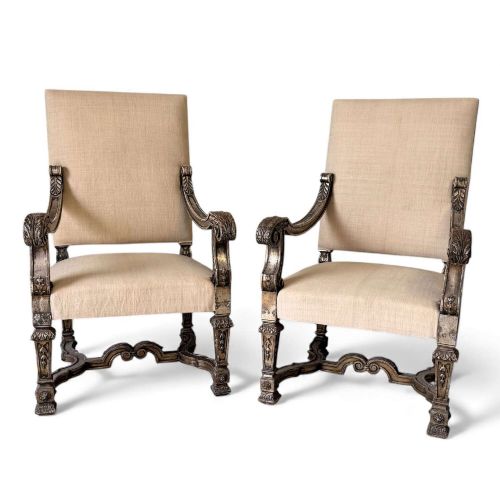


Ornate Wooden Armchairs
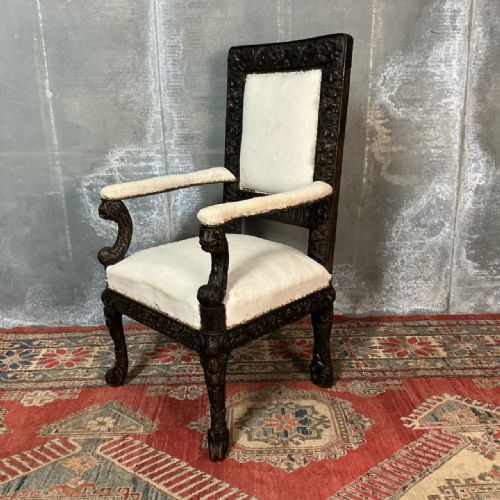
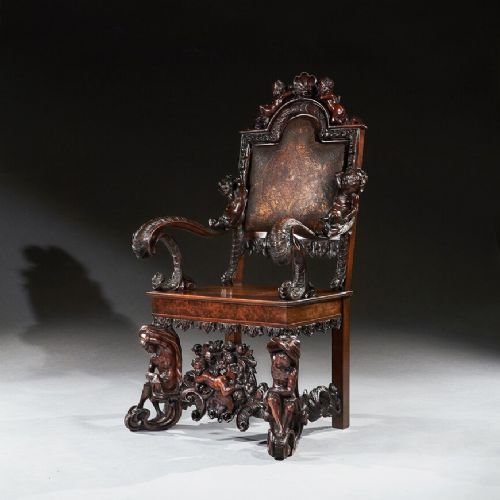
Ornate wooden armchairs carry dense carvings and heavy frames, bringing dramatic presence and historic craft directly into a room.
Ornate Wooden Armchairs
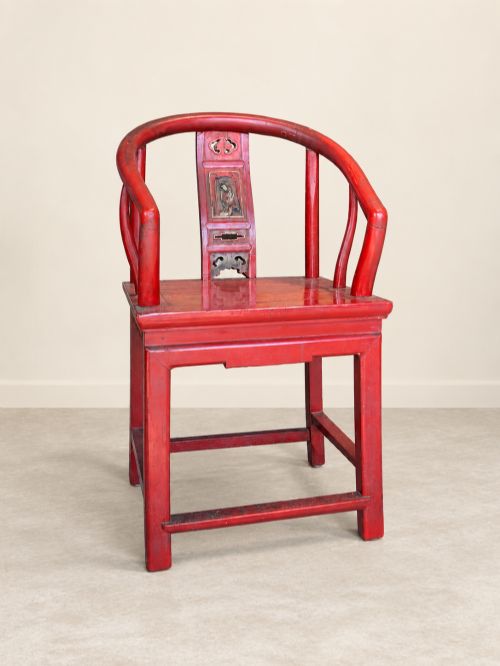
Ornate wooden armchairs span centuries of global joinery and decorative ambition, ranging from European revivalist seating to regional Asian and Middle Eastern styles. When exploring ornate wooden armchairs, buyers frequently encounter 19th Century examples alongside Edwardian and 1920 pieces.
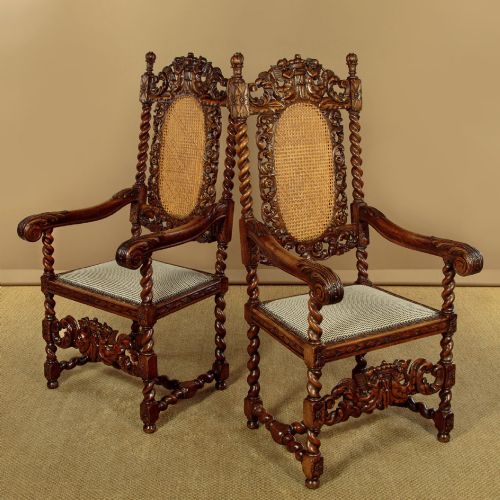
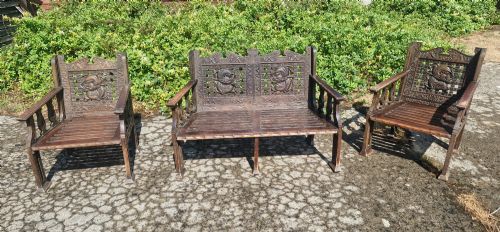
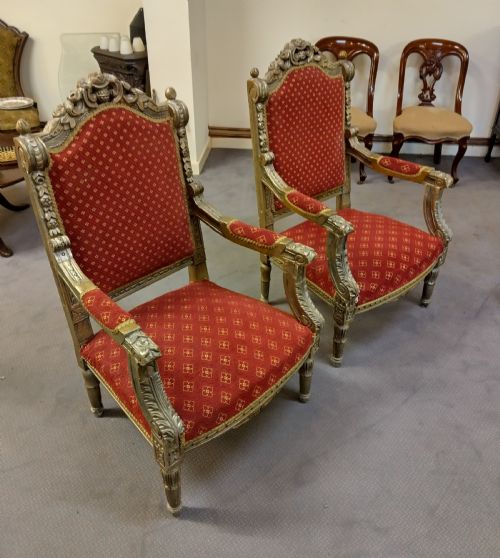
The regional variety on this page includes Italian Baroque Revival, French Baroque Revival, Anglo-Indian, and Traditional Chinese forms. Armchairs and seating suites dominate the selection, often appearing as pairs rather than single pieces.
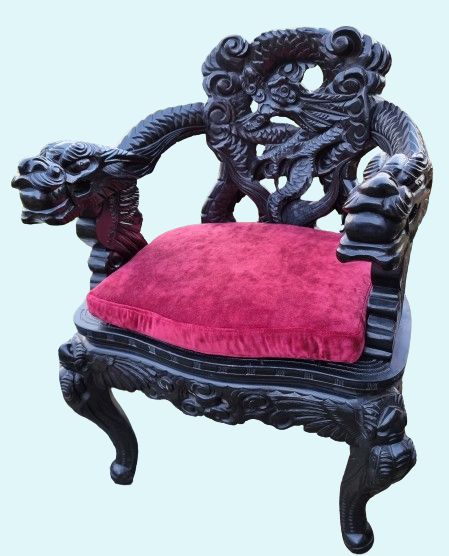
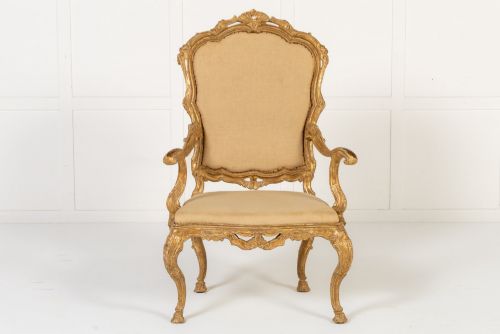
European examples lean heavily into giltwood and carved walnut revival styles, while pieces from further afield utilise dense oriental hardwoods, teak, and painted finishes. Each regional tradition brings distinct carving motifs, from classical scrolls to regional iconography like peacocks and eagles.
Materials and construction
Makers utilised solid timbers such as walnut, teak, oak, and various oriental hardwoods to support deep, highly detailed three-dimensional carving. Giltwood and gilt finishes frequently highlight the intricate relief work on European revival pieces.
Upholstery materials range from plain linen to rich velvet and textured fabric, often complementing the heavy wooden frames. Brass accents and painted details also appear across specific regional traditions to enhance the visual texture of the armchairs.
Several armchairs incorporate carved peacocks and American eagles into their wooden frames, ensuring fierce company in the corner.
Judging quality
Depth and crispness of the hand carving separate ambitious workshop pieces from standard commercial production. Exhibition quality items display superior anatomical or botanical precision in their relief work, whereas simpler pieces show softer, shallower detailing.
The choice of primary timber and the structural integrity of heavy frames dictate long-term durability. Solid walnut and dense oriental hardwoods retain sharper carved edges over time compared to softer timbers finished with heavy paint or surface gilding.
Andrea Brustolon
The Ornate Wooden Armchairs Glossary
- Giltwood
- Timber treated with gold leaf or a gold-coloured finish. This technique highlights carved details by catching the light.
- Hardwood
- Timber derived from broad-leaved trees, offering high density and strength. These woods resist denting and support intricate carving.
- Baroque Revival
- A decorative style echoing the drama and opulence of the seventeenth century. Pieces feature dynamic curves, heavy scrolling, and prominent crest rails.
- Savonarola chair
- A folding chair constructed from multiple intersecting curved wooden slats. This Renaissance form creates an X-shaped profile when viewed from the front.
- Wingback armchair
- A seating form featuring protective wings attached to the armrest uphostery or frame. These extensions originally deflected drafts in large rooms.
Ornate Wooden Armchairs: Frequently Asked Questions
How do I identify a revival style?
Revival pieces borrow decorative motifs from earlier historic periods, combining them with the construction methods of their actual date of manufacture. Look for the crispness of the carving and the condition of the timber joints to understand when the piece was truly made.
European revival chairs often mix seventeenth-century Baroque scrolls with nineteenth-century framing techniques. Comparing the secondary timbers on the underside helps clarify the true age of the armchair.
Where were oriental hardwood armchairs made?
These armchairs originate from regions influenced by trade and colonial exchange, including India, Burma, and China. Local workshops combined indigenous carving traditions with seating forms requested by European residents.
Teak and dense regional hardwoods form the primary structures of these chairs. The carvings often depict local fauna and flora, executed with deep relief work.
Are these armchairs comfortable for daily use?
Many of these chairs were designed for formal display rather than relaxed lounging. The upright posture and solid wooden armrests encourage an attentive sitting position.
Upholstered versions provide softer seating, but the rigid wooden frames remain dominant. Placing them in studies or drawing rooms suits their supportive geometry best.
How should I care for giltwood finishes?
Giltwood requires gentle treatment to preserve the delicate gold leaf or painted surface layer. Avoid modern chemical polishes and abrasive cloths that can strip the metallic finish from the wood.
Dusting with a dry, soft brush prevents particle buildup within the deep carvings. Keeping the chairs away from direct sunlight and damp environments prevents the gesso and timber beneath from cracking.