


Ornate Wood Wall Mirror
An ornate wood wall mirror brings depth and historic craftsmanship to a room, offering reflective light and sculptural presence.
Ornate Wood Wall Mirror
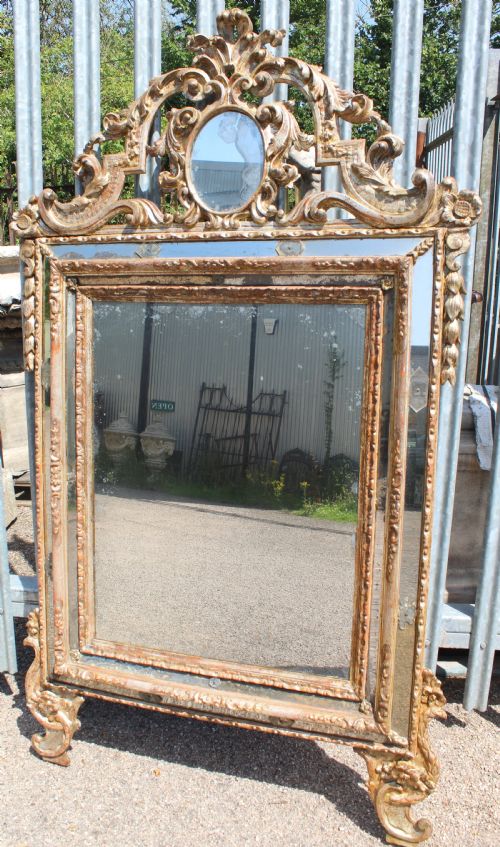
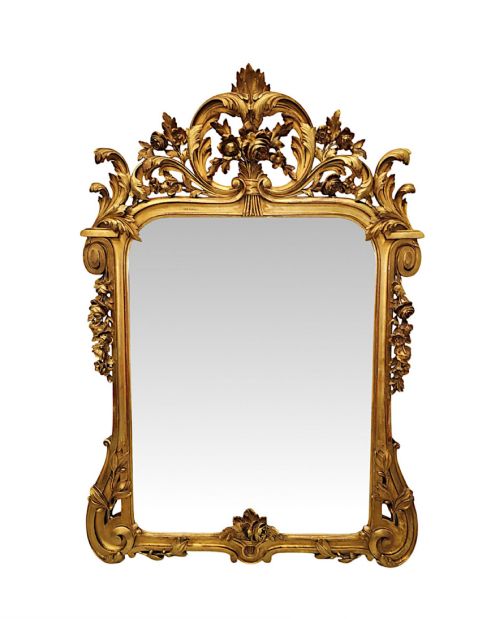
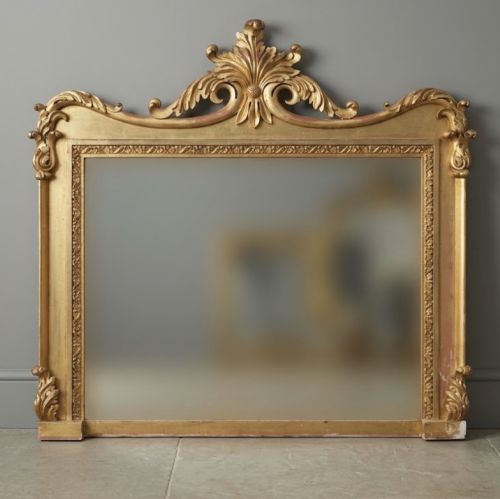
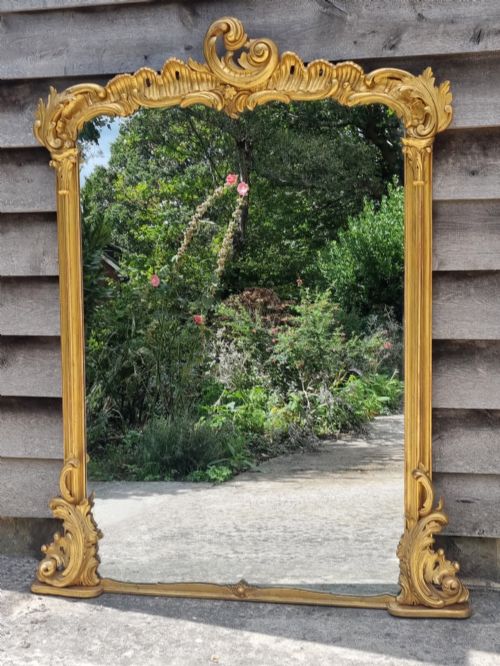
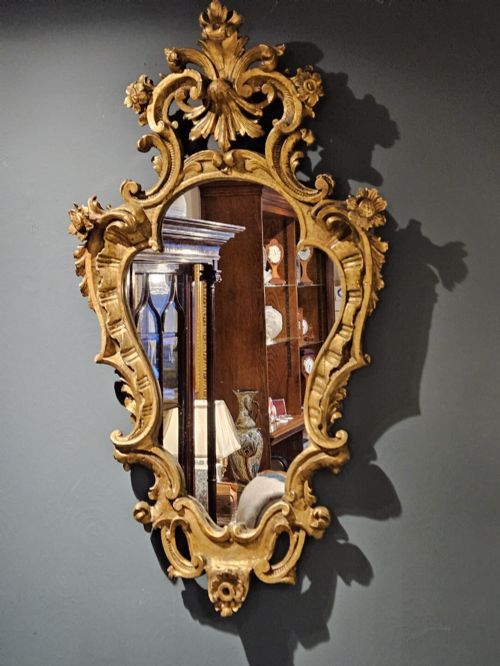
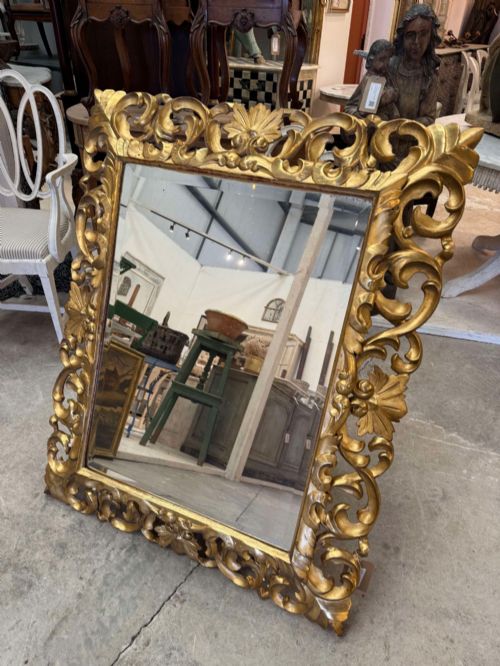
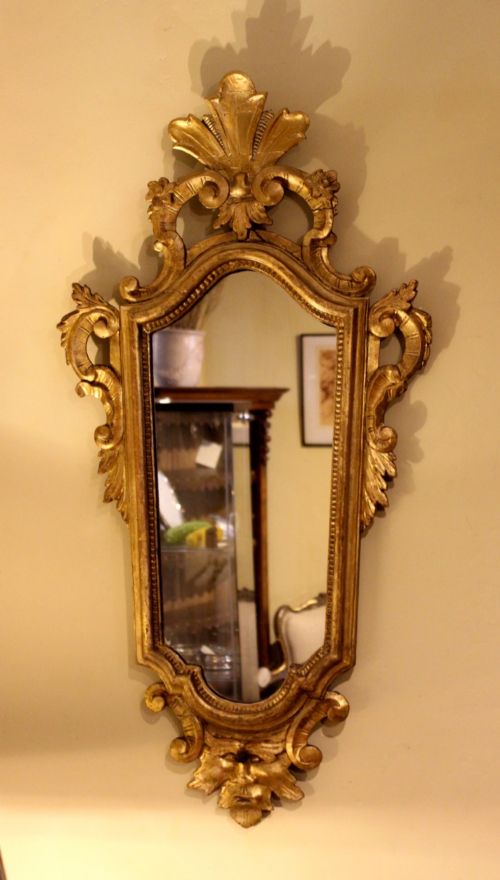
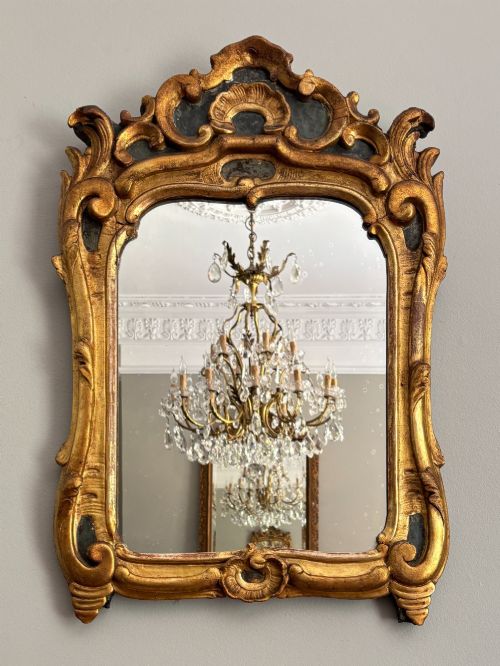
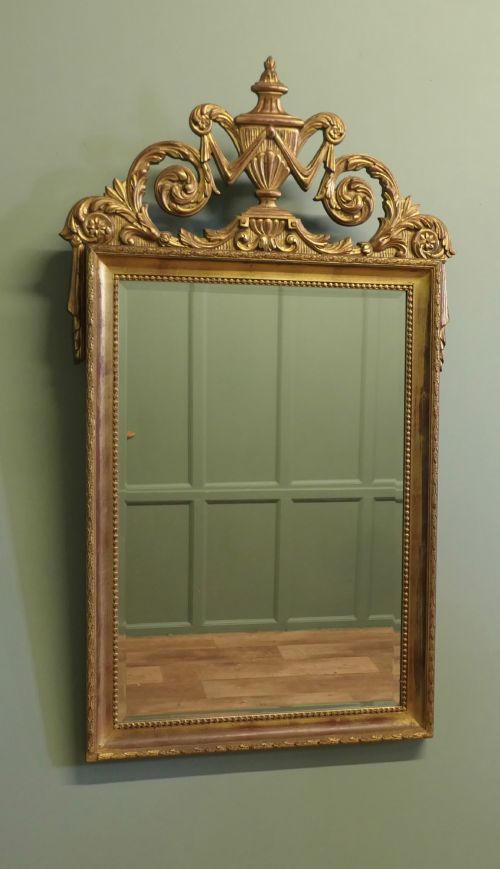
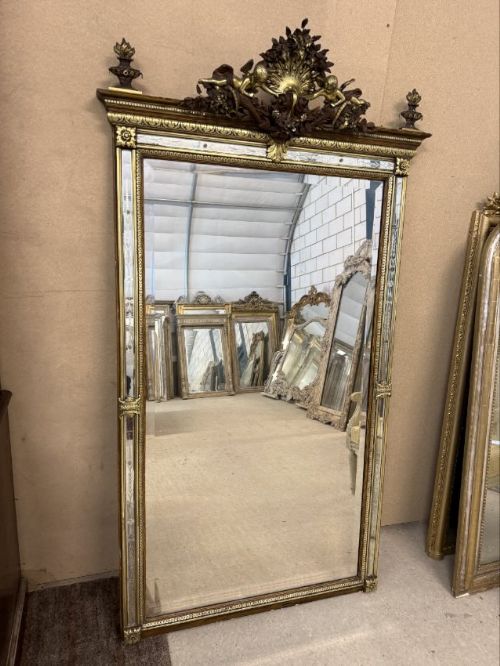
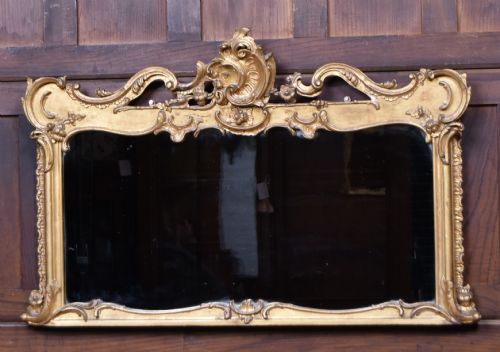
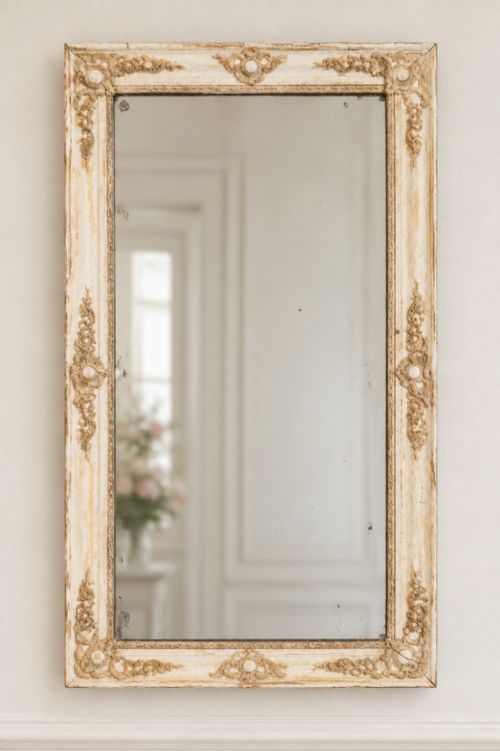
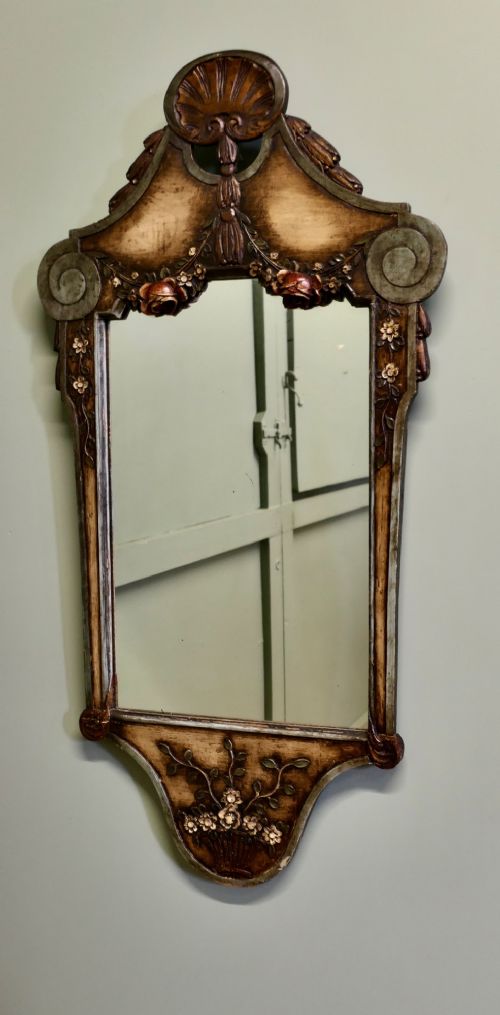
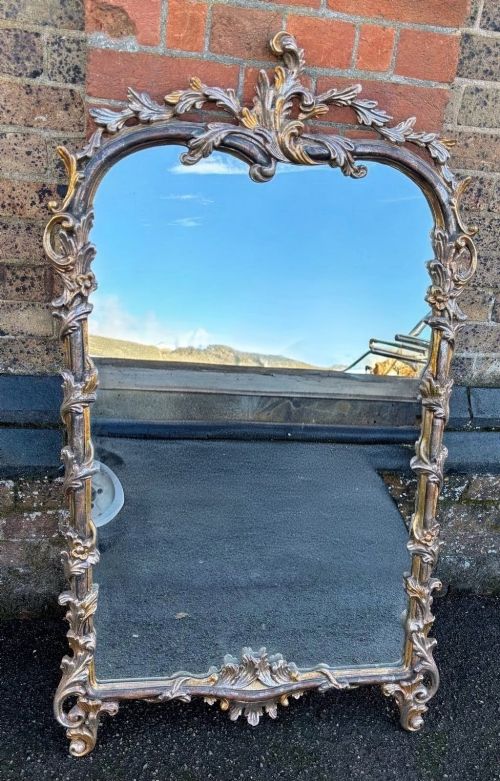
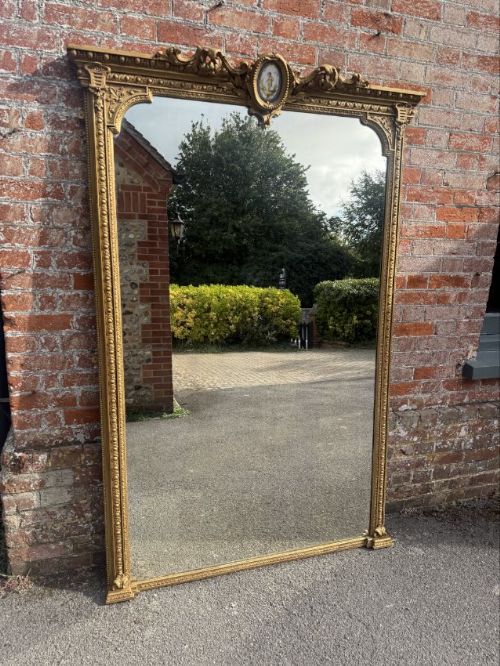
When you search for an ornate wood wall mirror, you encounter elaborate wall hangings, overmantel mirrors, and pier glasses designed to capture and reflect light in principal rooms. These pieces originate from the 18th century through to the early 20th century, drawing heavily on French Rococo, Italian, and Victorian design traditions.
Makers and artisans across England, France, and Italy applied regional aesthetics, combining architectural scale with intricate floral, scroll, or ribbon crest details. Each piece functions simultaneously as a practical looking glass and a substantial decorative focal point.
Materials and technique
Carved wood, composition, and gesso form the structural foundation of these frames, providing the malleable base required for deep relief work and scroll motifs. Artisans layered gold leaf or gilt paint over these surfaces to achieve a luminous metallic finish, occasionally combining silvered elements with gold.
Glass plates are set within the timber frames, with several period examples retaining mercury glass or antique plates that display subtle foxing and age spots. Oak, walnut, and softer pine substrates support the heavy gesso and carving layers, joined securely to withstand the weight of large overmantel formats.
Ornate Wood Wall Mirror Retail Price Guide 2026
Typical asking prices for ornate wood wall mirror among the pieces listed under this phrase on Sellingantiques today, from the lower quarter to the upper quarter. They describe what is for sale here now, not the wider market.
Several mirrors include candle sconces, ready for the evening the power grid fails and you prefer the flicker of wax.
Assessing quality
Depth and crispness of the wood carving distinguish higher tiers of work, where artisans undercut the foliage and scrolls by hand rather than relying entirely on moulded composition. The integrity of the original gilding and the preservation of the gesso layer under centuries of cleaning dictate the visual impact of the surface.
Scale and proportion also define the upper range, particularly in large overmantel and pier mirrors that retain balanced architectural pediments and undamaged original glass plates. Pierced crests and finely detailed ribbon or floral carvings indicate workshop investment and higher status of manufacture.
The Ornate Wood Wall Mirror Glossary
- Gesso
- A plaster-like mixture applied to wood frames as a smooth base for gilding and fine decorative relief work.
- Giltwood
- Timber that has been coated with gold leaf or gold paint to create a rich metallic appearance.
- Overmantel mirror
- A large horizontal mirror designed specifically to hang on the wall directly above a fireplace mantel.
- Girandole
- A decorative wall mirror featuring integrated candle sconces attached to the frame to multiply candlelight.
- Mercury glass
- An early type of silvered glass created by pouring a mercury amalgam between double-walled glass, producing a distinctive mottled reflection.
Ornate Wood Wall Mirror: Frequently Asked Questions
How do I hang a heavy overmantel mirror?
Large overmantel mirrors carry significant weight from their timber frames and glass plates, requiring secure anchoring directly into wall studs or masonry.
Professional wall fixings and weight-rated brackets distribute the load safely across the structure of the frame.
What is the difference between a pier glass and an overmantel?
Pier glasses are tall, narrow mirrors traditionally hung on the solid wall pier between two windows to reflect natural light.
Overmantels are wider horizontal formats built to sit above fireplace surrounds.
Can I clean antique gilt frames with water?
Water and standard cleaning solutions can dissolve water-soluble glues beneath historic gesso and damage delicate gold leaf surfaces.
Dusting gently with a soft, dry brush is the safest method for maintaining the finish.
How do I identify a Rococo Revival mirror?
Rococo Revival pieces feature asymmetrical scrolls, C-scrolls, shell motifs, and naturalistic floral carvings popular during the 19th century.
These designs look back to 18th-century French aesthetics with heightened theatricality and depth.