


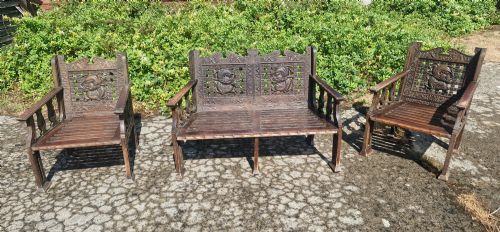
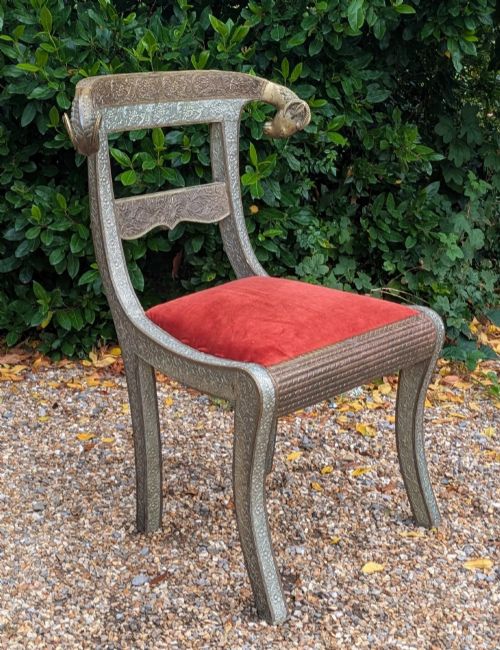
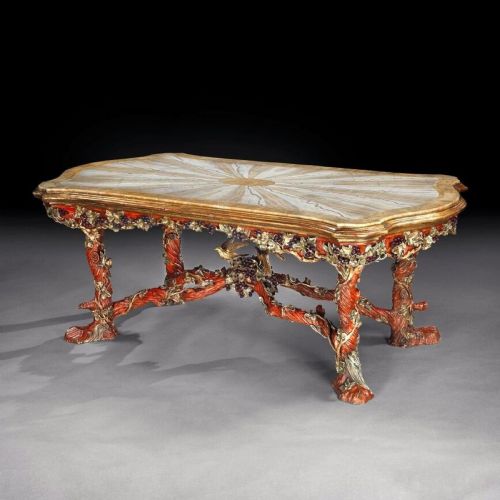
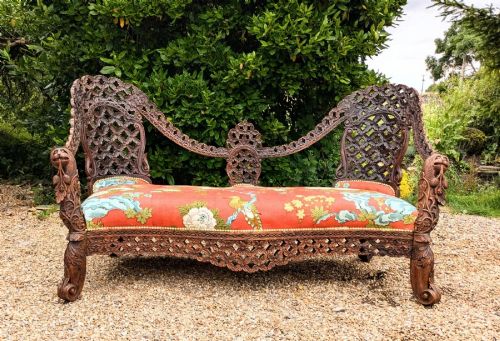
Ornate Wood Furniture
Ornate wood furniture brings together carved details, diverse timbers and regional workshops spanning multiple centuries.
Ornate Wood Furniture
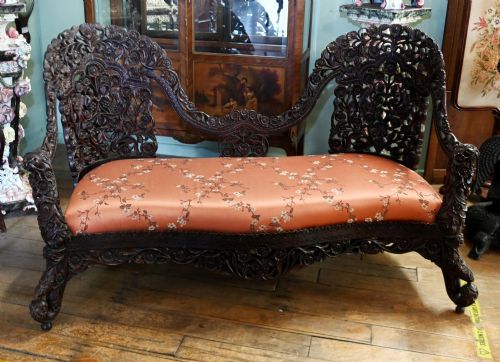
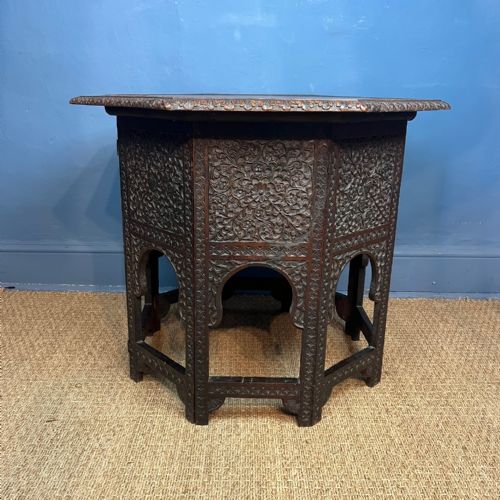
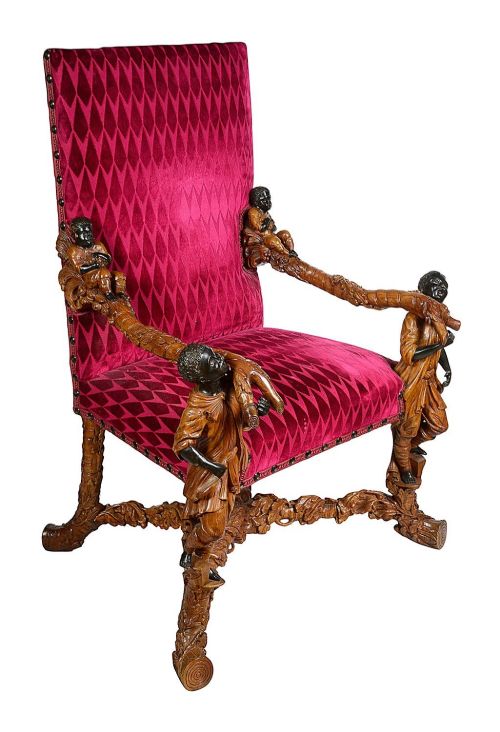
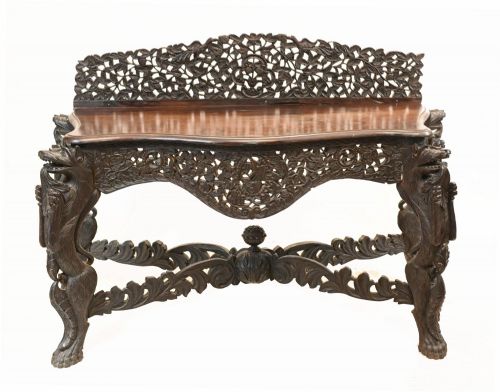
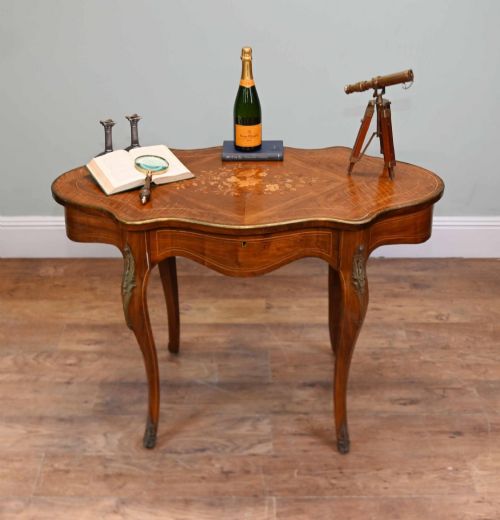
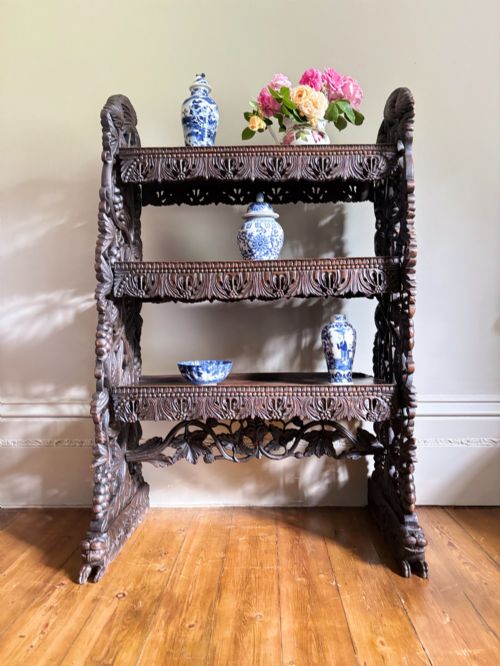
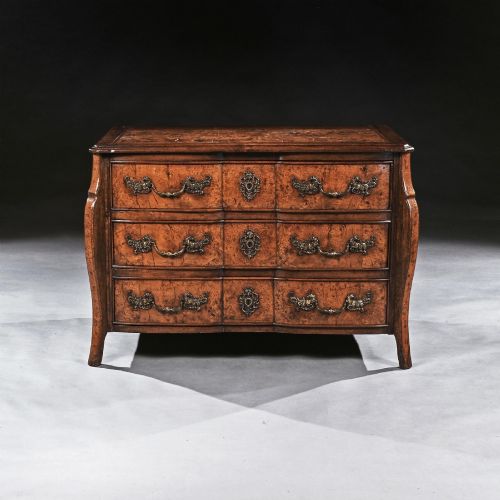
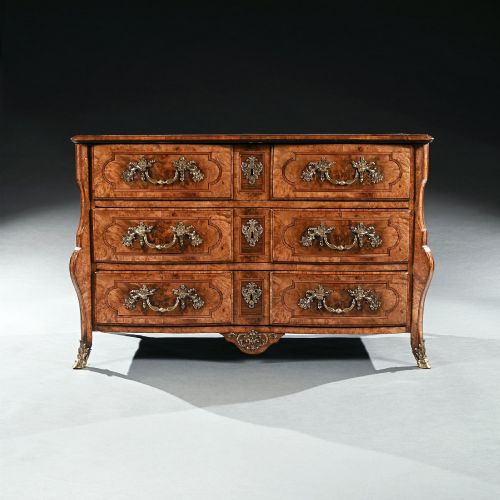
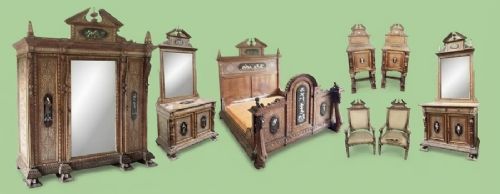
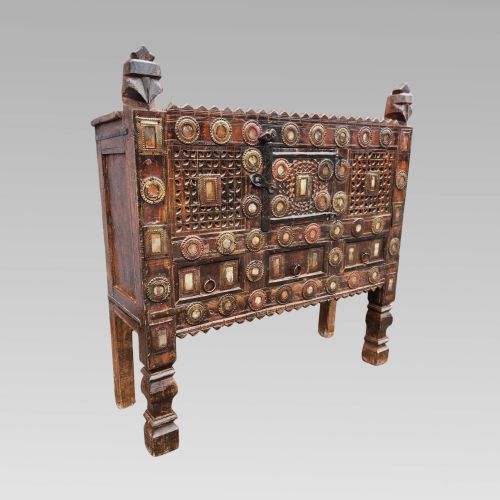
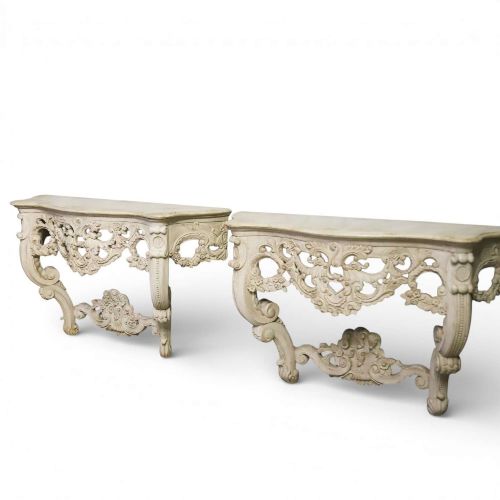
When you search for ornate wood furniture, you encounter seating, tables and storage pieces originating from European, Asian and Colonial workshops. The selection ranges from console tables and side chairs to cabinets and desks.
You are most likely to meet 19th century items, alongside examples from the 18th century and the early decades of the 20th century. Forms include Anglo-Indian seating, Italian console tables and French cabinets.
The objects serve functional roles while displaying elaborate carving, gilding or painted surfaces. Different regional traditions contribute specific stylistic details, such as Burmese temple chairs or Venetian side tables.
How they were made
Maker workshops utilised solid timbers such as walnut, oak, mahogany, teak and padauk, often pairing them with burr maple or burr elm veneers. Structural elements relied on traditional joinery suited to the weight of heavy carving.
Surface ornamentation involved hand-carving in relief, giltwood application, polychrome paint finishes and cinnabar lacquer. Brass hardware and onyx tops appear on specific tables and cabinets.
Regional techniques shaped the final appearance, from Anglo-Indian padauk piercing to French hand-carved console finishes.
Ornate Wood Furniture Retail Price Guide 2026
Typical asking prices for ornate wood furniture among the pieces listed under this phrase on Sellingantiques today, from the lower quarter to the upper quarter. They describe what is for sale here now, not the wider market.
Several items double as wedding chairs and dowry cabinets, ready for historic celebrations.
What varies in quality
Quality depends on the depth and crispness of the hand-carving, where skilled execution produces sharp undercut foliage and figures rather than soft, shallow moulding. The selection of timber also matters, with figured veneers and dense tropical hardwoods showing superior natural grain.
Construction integrity separates standard production from finer cabinetmaking, visible in the tightness of joints, the stability of heavy tops and the original state of decorative surfaces like gilding or lacquer.
Thomas Hache of Grenoble·Amleto Bertoni·Waring and Gillows·Paul Sormani
The Ornate Wood Furniture Glossary
- Console table
- A wall-mounted or freestanding table designed to sit against a vertical surface, frequently featuring ornate legs and decorative aprons.
- Padauk
- A dense tropical hardwood with a reddish hue utilised in Anglo-Indian and colonial furniture making.
- Giltwood
- Timber treated with gold leaf or metallic gilt finish to create a reflective, decorative surface.
- Commode
- A low cabinet or chest of drawers originating in French furniture design.
- Mazarin
- A kneehole desk or cabinet configuration featuring a central recessed cupboard flanked by drawers.
- Semainiere
- A tall, slender chest of drawers traditionally designed with seven drawers, one for each day of the week.
Ornate Wood Furniture: Frequently Asked Questions
How do I identify Anglo-Indian furniture?
Anglo-Indian pieces combine traditional British forms with intricate local carving traditions from the Indian subcontinent. They frequently utilise dense tropical timbers such as padauk or teak.
You will notice deep relief carving depicting foliage, animals or human figures, alongside construction methods typical of colonial workshops active during the nineteenth century.
What is a console table used for?
Console tables function as decorative surface furniture placed against walls in hallways, reception rooms or bedrooms. They hold lamps, ornaments or mirrors.
Many examples feature elaborate bases with carved legs or brackets, making them a focal point within a room scheme rather than purely utilitarian surfaces.
How should I care for giltwood furniture?
Giltwood surfaces require gentle treatment to avoid damaging the delicate metallic leaf applied over the wood base. Dusting should occur with a soft, dry brush.
Keep these items away from direct sunlight and excessive moisture to prevent the gilding from flaking or tarnishing over time.
What distinguishes Rococo revival pieces?
Rococo revival items imitate the curving, asymmetrical lines and naturalistic ornamentation of the mid-eighteenth-century French style. They reappear in nineteenth-century production.
Expect to see C-scrolls, S-scrolls, floral motifs and carved cartouches executed in walnut, oak or giltwood frames.