





Ornate Wall Decor
Ornate wall decor brings together heavy giltwood frames, landscape oils and antique mirrors to fill a room with character.
Ornate Wall Decor
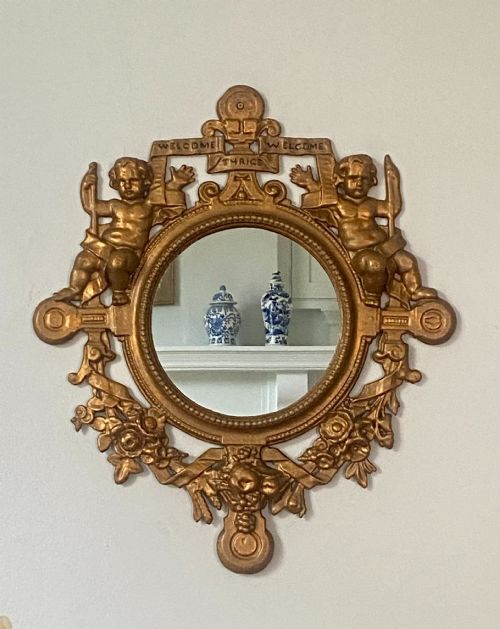
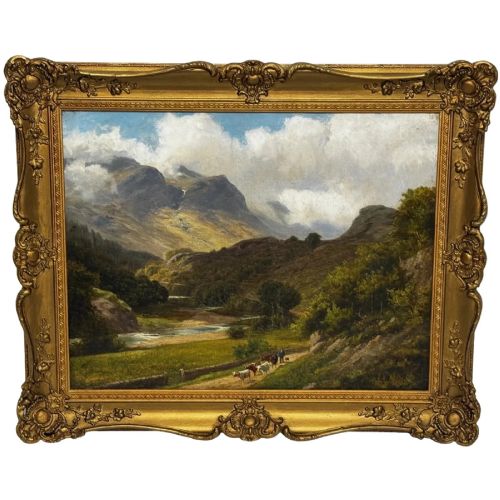
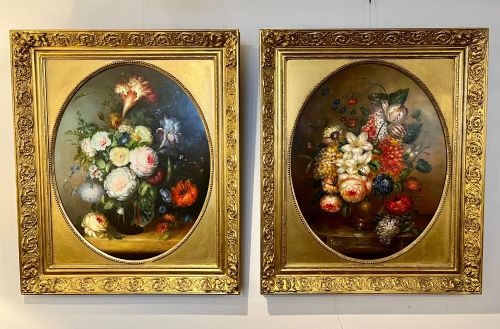
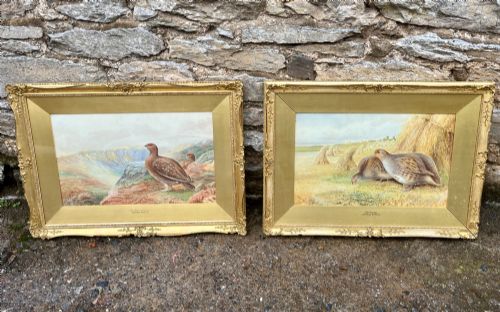
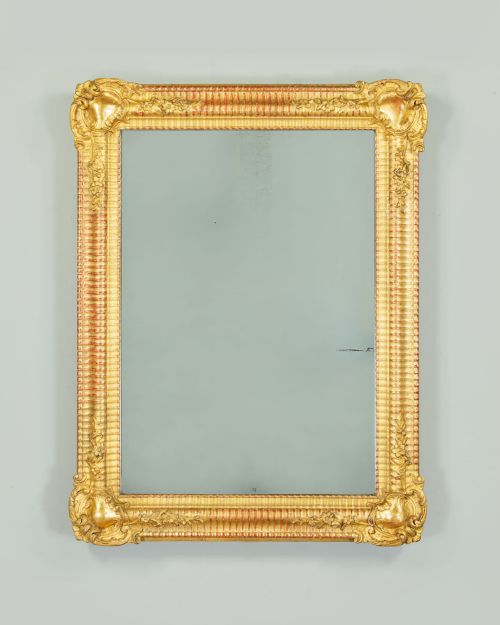
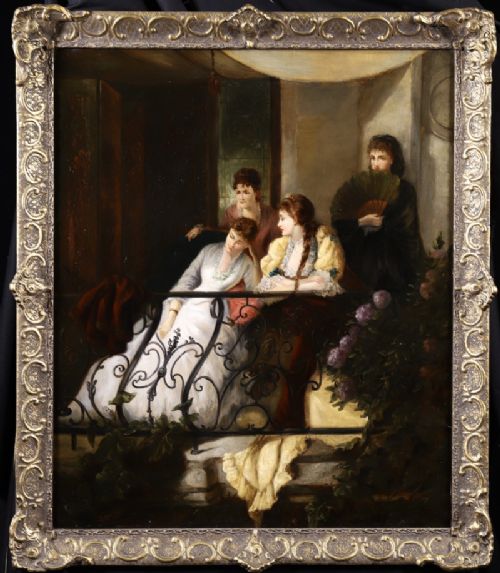
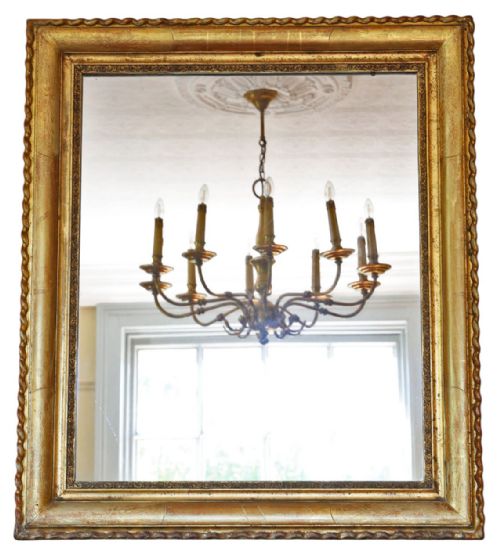
Ornate wall decor spans oil paintings, wall mirrors and framed prints originating from the nineteenth and early twentieth centuries. Pieces range from grand landscape oils and overmantle mirrors to smaller still life paintings and dome-fronted glass prints.
Buyers will most frequently encounter Victorian works alongside Dutch style still lifes, French Louis XV style mirrors and early twentieth century fairground boards. These decorative objects share elaborate framing and detailed craftsmanship suited to prominent display.
The selection reflects varied artistic traditions including Romanticism, Academic Realism and Dutch Golden Age style revivals. Such pieces serve as focal points within an interior scheme through their striking visual presence and period materials.
Materials and construction
Frames rely upon carved wood, gesso and heavy giltwood to achieve elaborate surface ornamentation and deep relief. Gilding methods provide the characteristic metallic sheen seen on antique mirrors and picture frames alike.
Artworks utilise canvas, paper, oil paint and watercolours mounted behind glass or housed within dome-fronted enclosures. These traditional mediums ensure longevity and depth of colour across both fine art paintings and decorative prints.
Ornate Wall Decor Retail Price Guide 2026
Typical asking prices for ornate wall decor among the pieces listed under this phrase on Sellingantiques today, from the lower quarter to the upper quarter. They describe what is for sale here now, not the wider market.
Materials appearing across the inventory include giltwood, oil on canvas, glass, paper, gesso, and wood.
Assessing quality and execution
The refinement of the carving and the application of gesso determine the depth and crispness of detail on giltwood frames. Superior pieces display hand-worked ornament with sharp relief rather than uniform, cast composition work.
Pintura quality rests upon the handling of brushwork, pigment stability and the preservation of the canvas or board. Works by documented painters command attention through confident draughtsmanship and careful composition.
George Rankin·John A Monteith·John Frederick Herring Jnr·William Adolph Bouguereau·Henry H Parker·Schweninger
The Ornate Wall Decor Glossary
- Giltwood
- Wood carved and coated with gold leaf or metallic powder to create a bright, reflective surface. This material defines the most elaborate nineteenth century frames and mirrors.
- Gesso
- A plaster-like mixture applied to wooden frames as a base for gilding and intricate moulded decoration. Skilled makers used gesso to build up high-relief ornamental motifs.
- Overmantle
- A large mirror designed to hang directly above a fireplace mantelpiece. These pieces often feature expansive gilt frames intended to reflect light around a room.
- Oileograph
- A mechanical reproduction on canvas that simulates an oil painting through textured roller application. These items mimic the appearance of genuine fine art.
- Chrystoleum
- A transparent photograph applied to glass, hand-coloured from behind and sealed with a backing layer. This technique creates a luminous, miniature portrait effect.
Ornate Wall Decor: Frequently Asked Questions
How do I hang a heavy gilt mirror?
Heavy giltwood mirrors require secure wall fixings distributed across the structural framework to support their considerable weight safely. Professional wall anchors suited to brick or stud walls are essential.
Position the mirror at a height that balances the surrounding furniture while ensuring the hanging wire or brackets engage firmly with the wall fixings.
What is the difference between an oil painting and an oileograph?
An oil painting consists of hand-applied pigments on canvas or board by an artist. Brushstrokes possess physical texture and depth upon close inspection.
An oileograph is a printed reproduction treated to imitate the surface of a canvas painting. These items lack genuine painterly texture under magnification.
How should I clean antique gilt frames?
Antique gilt surfaces require gentle dusting with a soft, dry brush to remove settled particles without disturbing the delicate gold leaf. Moisture and modern cleaning chemicals damage historical gilding.
Consult a professional restorer if deeper cleaning becomes necessary to prevent stripping the original finish from the wood.
How do I date an ornate wall mirror?
Dating relies upon examining the construction of the wooden backing, the composition of the gesso and the bevel or clarity of the glass. Victorian and nineteenth century pieces often feature hand-carved elements and older mirror plate characteristics.
Style indicators such as French Louis XV revival motifs also provide strong chronological clues regarding the decade of manufacture.