
Ornate Victorian Gilt Mirror
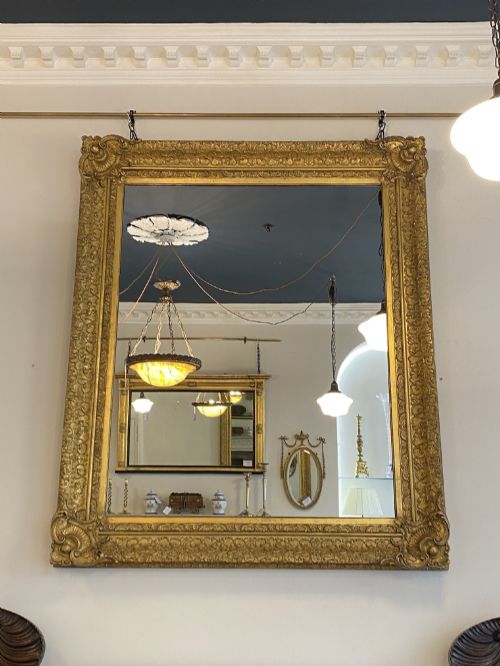
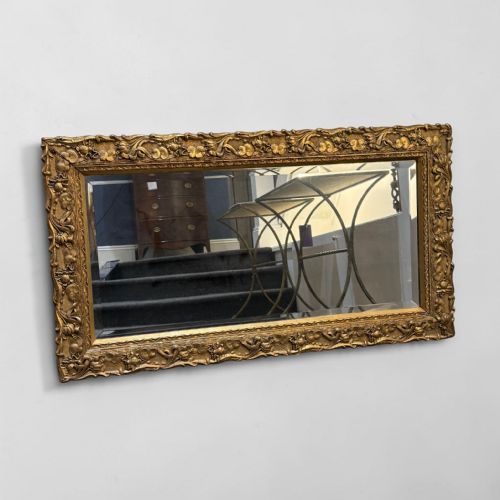
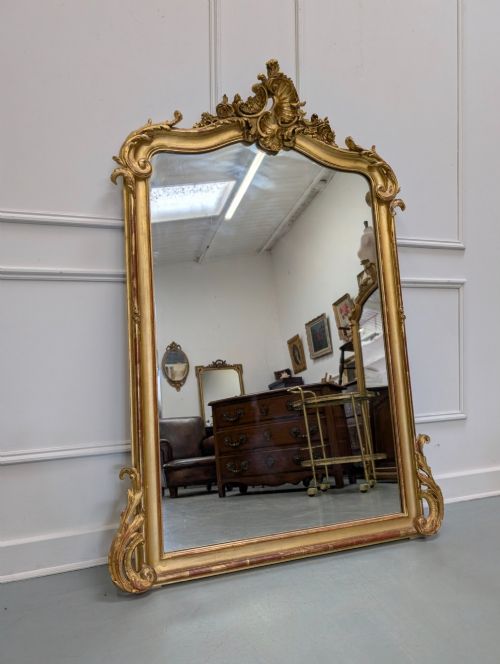
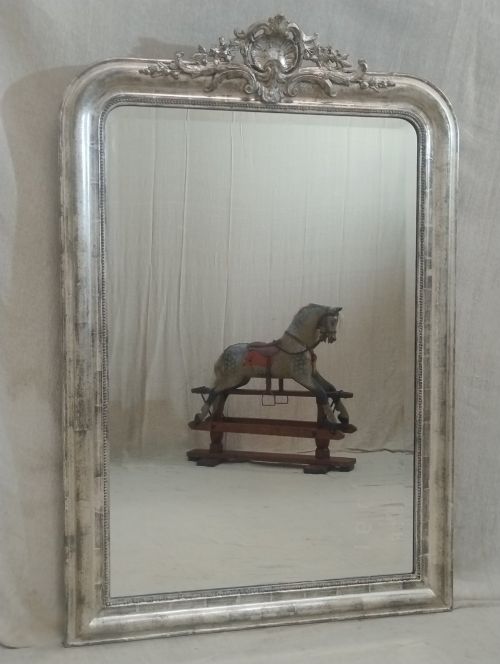
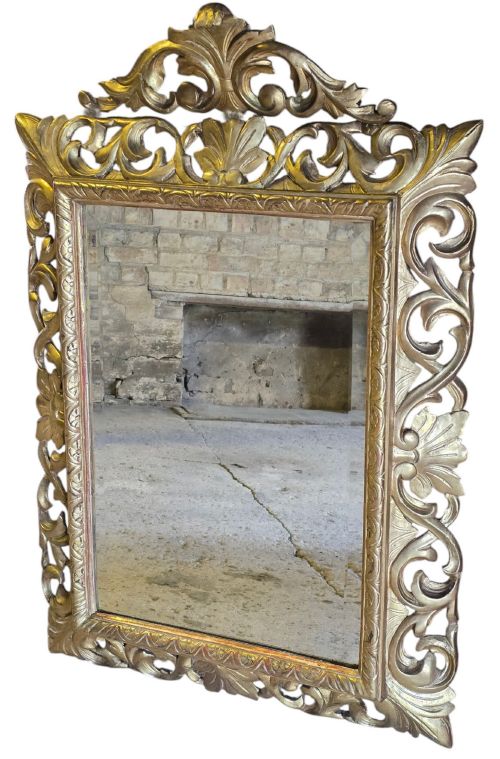
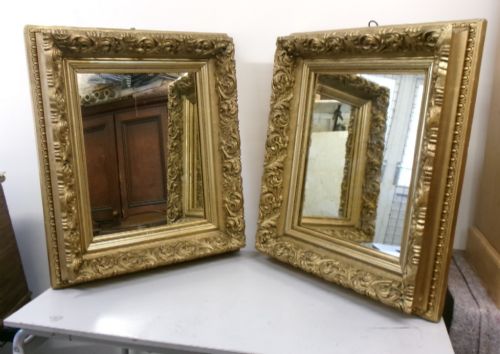
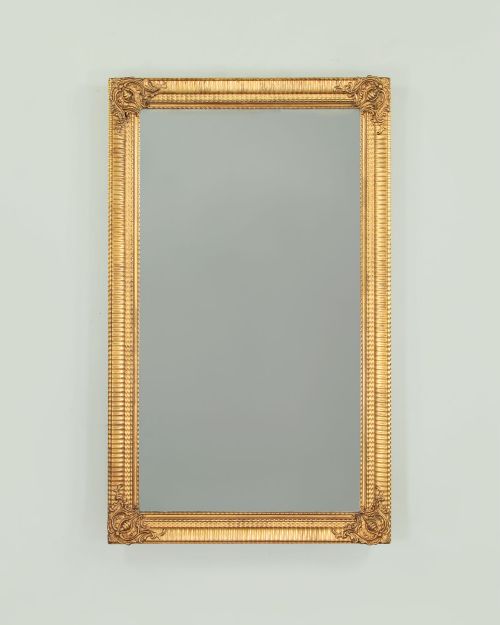
An ornate victorian gilt mirror brings brilliant reflection and deep historical character to a room through lavishly moulded frames and gleaming gold leaf.
Ornate Victorian Gilt Mirror
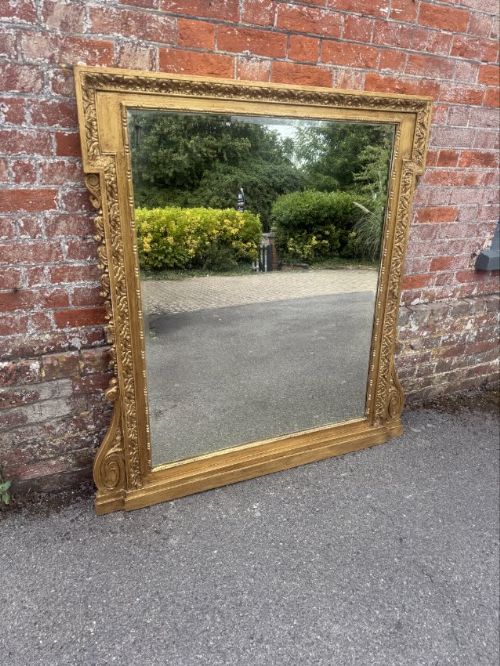
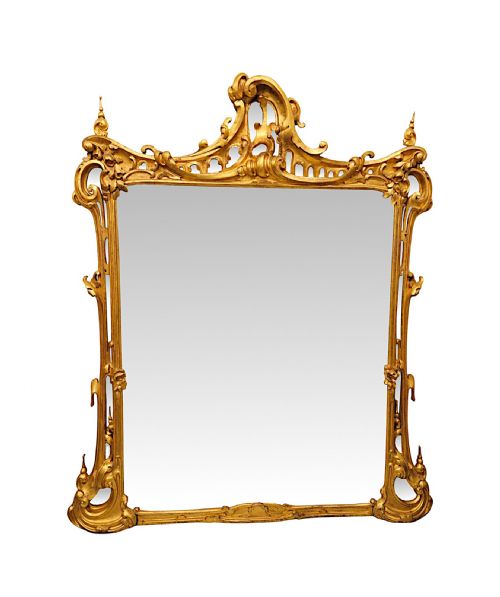
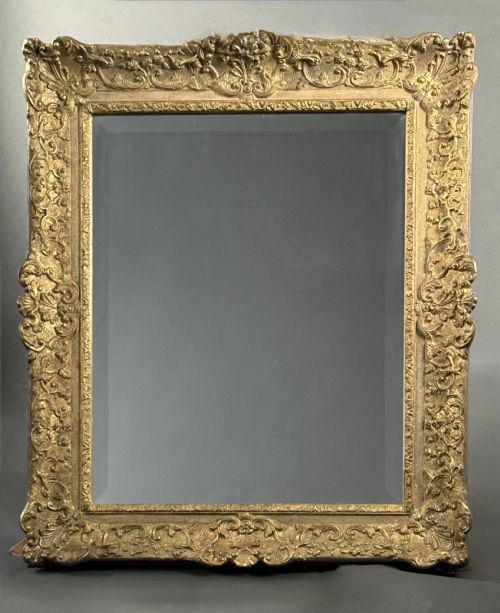
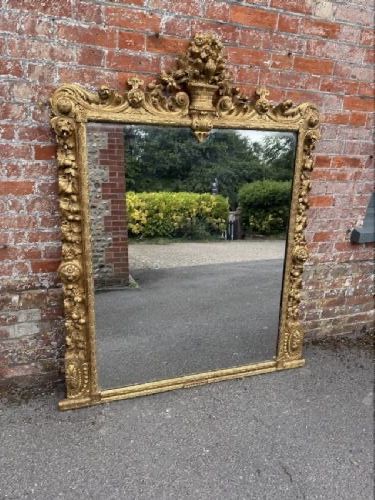
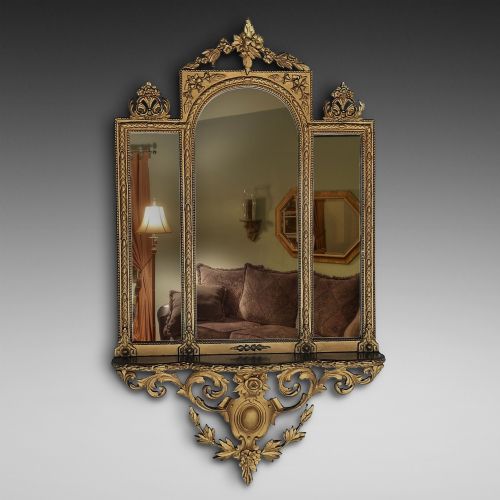
When searching for an ornate victorian gilt mirror, buyers encounter a diverse array of nineteenth-century forms designed to command attention in domestic interiors. The selection spans grand wall hangings, expansive overmantels meant for positioning above mantelpieces, pier glasses, and smaller dressing table or easel variants.
Most examples originate from British and continental European workshops, reflecting prominent nineteenth-century aesthetic movements such as Rococo Revival, French Chateau, Florentine, and Chinese Chippendale styles. These pieces function simultaneously as utilitarian looking glasses and decorative statements of period taste.
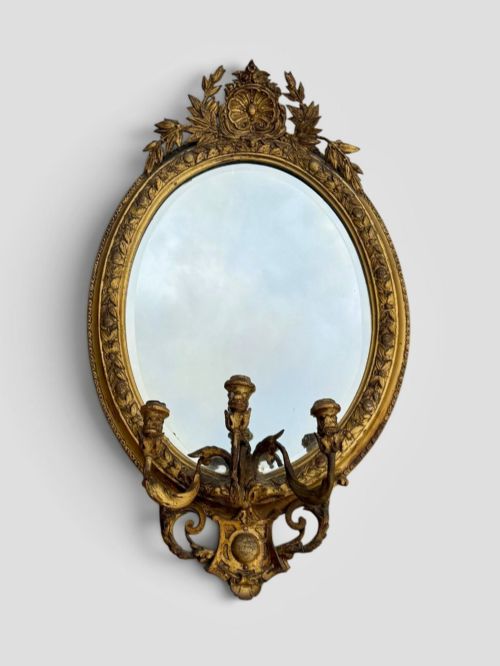
Surviving items bridge decades from the mid-nineteenth century through the Edwardian era, showing consistent devotion to opulent surface ornamentation. Buyers frequently discover large scale architectural frames alongside intimate table mirrors and girandoles outfitted with candle sconces.
Materials and Construction
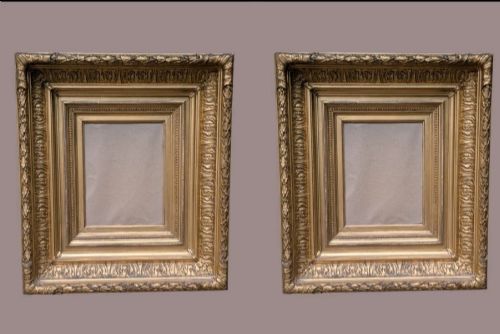
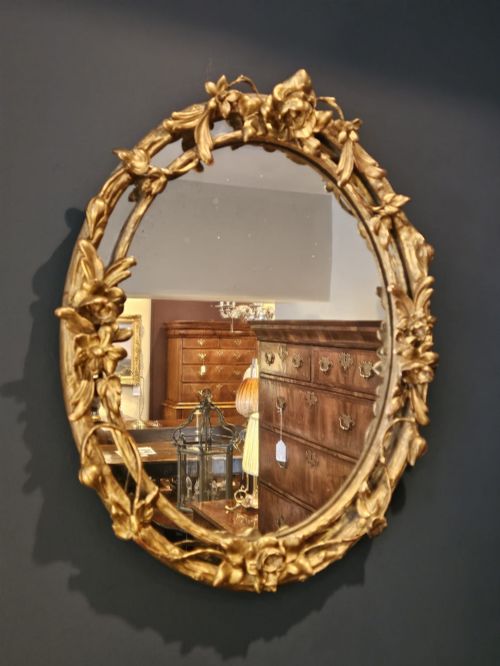
Craftsmen built the underlying structures of these frames using timber, applying intricate relief decoration through carved wood or moulded gesso and composition paste. Artisans then gilded these surfaces by laying down genuine gold leaf or applying gold paint to achieve a brilliant metallic sheen.
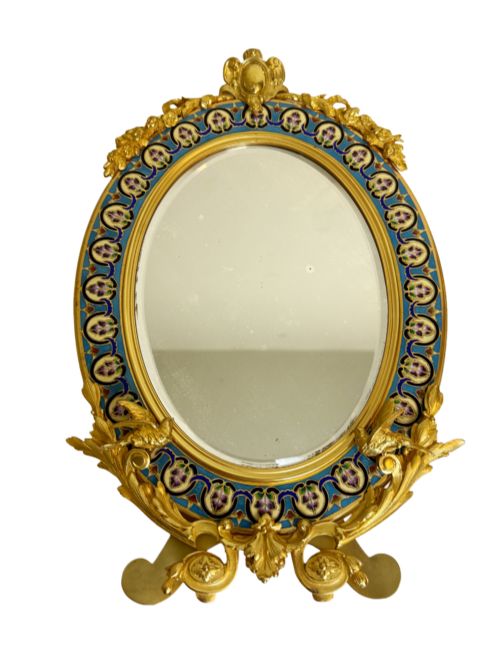
The optical components rely on traditional mirror glass, occasionally featuring bevelled edges or showing natural foxing acquired over more than a century of existence. Specialised variants incorporate heavy gilt bronze mounts, champlevé enamel work, or parcel gilt highlights upon timber grounds.
Some Victorian girandoles were built with tiny candle arms so guests could check their hair by the flickering glow of actual wax.
Judging Quality
Distinctions across the range depend heavily on the depth and crispness of the carved or moulded ornamentation applied to the frame. Deep undercutting, intricate floral or scroll motifs, and solid timber construction elevate an example above mass-produced or purely composition-moulded alternatives.
The integrity of the gilding and the preservation of the original mirror plate further determine the standing of a piece. Hand-applied gold leaf ages with a softer warmth compared to flat metallic paints, while heavy architectural frames demonstrate superior joinery and structural stability.
The Ornate Victorian Gilt Mirror Glossary
- Giltwood
- Timber that has been covered with a thin layer of gold leaf or gold paint. This technique provides a durable yet luminous finish characteristic of high-status nineteenth-century frames.
- Gesso
- A plaster-like mixture applied to wooden frame bases and carved into relief designs before gilding. It allows for sharp, elaborate ornamental details.
- Overmantel Mirror
- A wide looking glass specifically proportioned to hang on the wall directly above a fireplace mantel. These often feature architectural arches or expansive proportions.
- Girandole
- A decorative wall mirror featuring attached candle sconces or holders that reflect candlelight into the room. They combine illumination with ornate reflective surfaces.
- Foxing
- Small dark spots and discolouration within the mirror glass resulting from chemical changes over decades of exposure to moisture. Collectors often prize authentic foxing as proof of age.
- Pier Glass
- A tall, narrow mirror designed to hang on the wall space between windows, known as the pier. These maximise natural light in Victorian drawing rooms.
Ornate Victorian Gilt Mirror: Frequently Asked Questions
Where should I hang an overmantel mirror?
These large mirrors traditionally occupy the wall space directly above a living room fireplace mantel. Positioning them here anchors the room and helps bounce ambient light throughout the space.
Ensure the wall fixings securely support the substantial weight of carved wood and gesso frames. Hanging height should relate to both the mantel shelf and the ceiling proportions.
How do I clean a gilded frame safely?
Dust the ornate mouldings gently using a very soft, dry brush to prevent dislodging delicate composition details. Avoid commercial liquid cleaners or moisture, which can permanently damage fragile gold leaf and gesso.
For the glass plate, apply a mild glass cleaner to a cloth rather than spraying directly onto the surface near the gilt border.
What does foxed glass mean?
Foxing refers to the aged spots and cloudy patches that develop on historical mirror plates over many decades. This occurs as the backing silver or mercury interacts gradually with air and moisture.
Rather than a defect, many collectors value authentic foxing as a definitive sign of genuine nineteenth-century age.
How do I tell Rococo Revival from other styles?
Rococo Revival frames display asymmetrical scrolling curves, naturalistic floral motifs, and C-scrolls inspired by eighteenth-century French design. The ornamentation appears fluid and organic rather than rigidly symmetrical.
Other styles from the period, such as Renaissance or Chinese Chippendale, feature distinct architectural columns, straight lines, or exotic pagoda motifs.