



Ornate Table Mirror
An ornate table mirror brings sculptural form and reflective light to a surface, offering the classic charm of past centuries.
Ornate Table Mirror
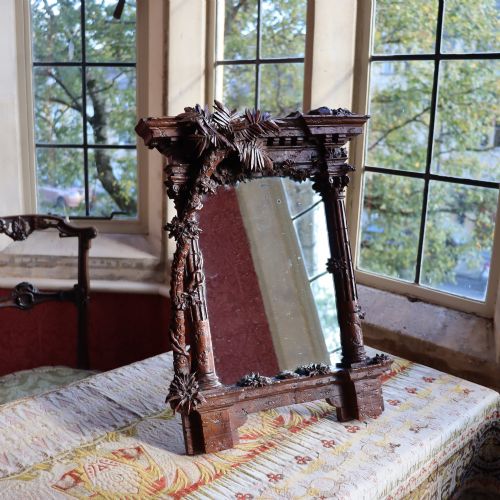
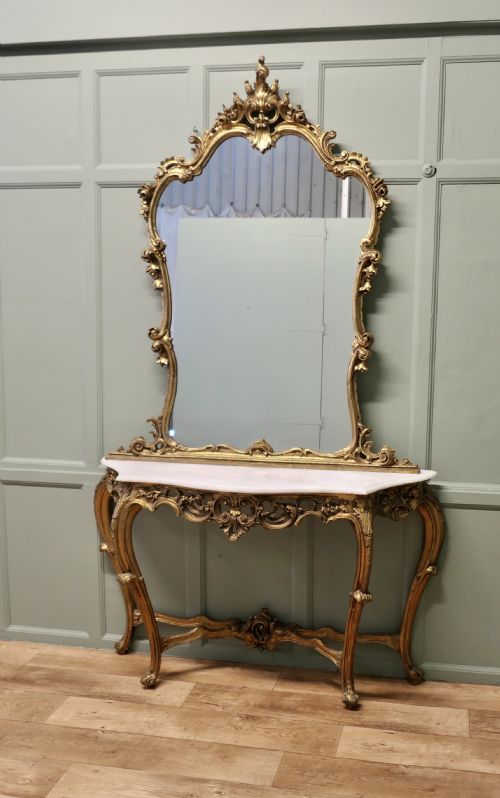
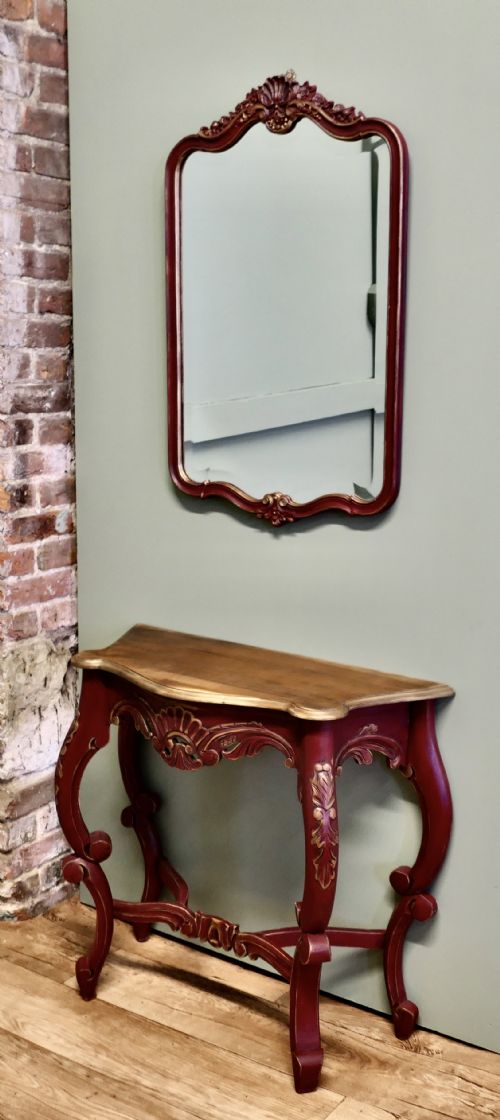
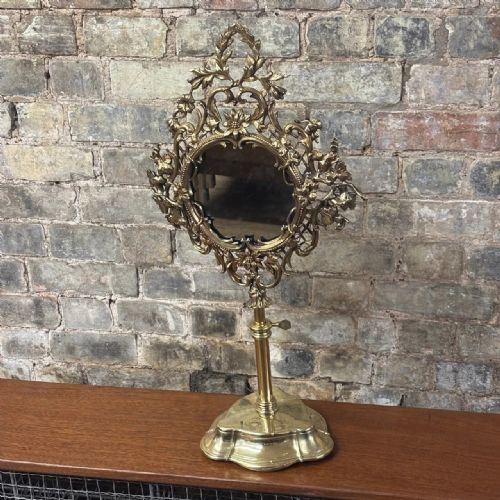
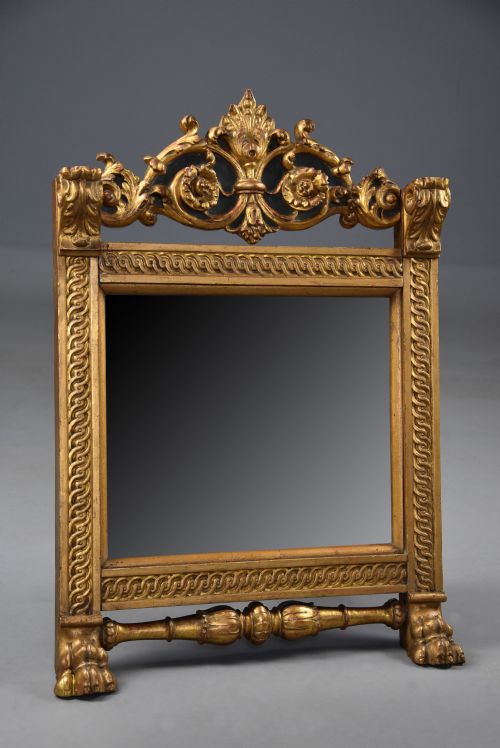
When you search for an ornate table mirror, you encounter pieces designed to sit upon dressing tables, consoles, and chests of drawers. These items typically date from the nineteenth and early twentieth centuries, incorporating revival styles like Rococo, Louis XV, and Baroque. Such mirrors serve both functional dressing purposes and decorative roles within a bedroom or hallway scheme.
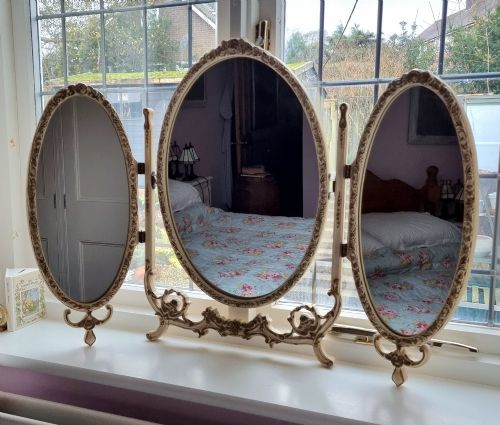
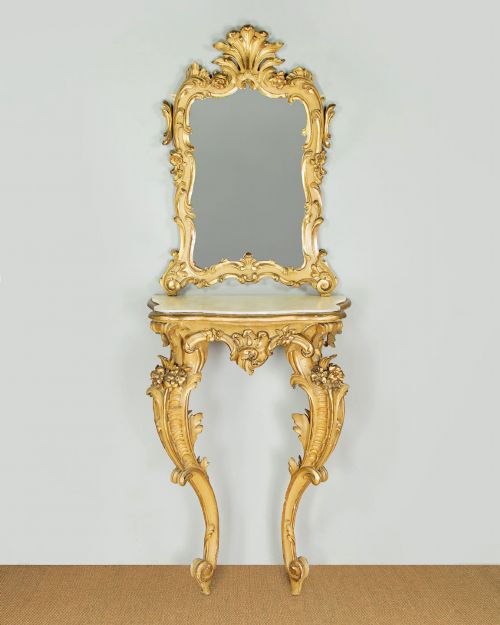
The selections span various forms, including freestanding easel mirrors, triple-folding dressing mirrors, and vanity sets. Many examples originate from French workshops or Italian makers, utilising traditional silhouettes adorned with carved or cast decoration. You find both compact tabletop designs and larger console-matching sets that dominate a room's focal point.
How they were made
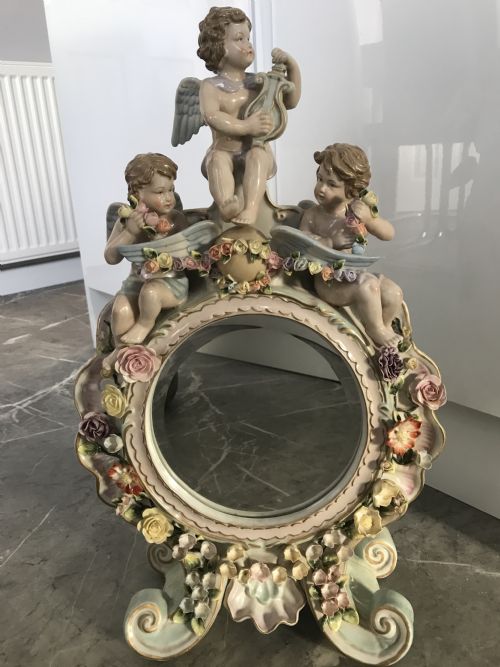
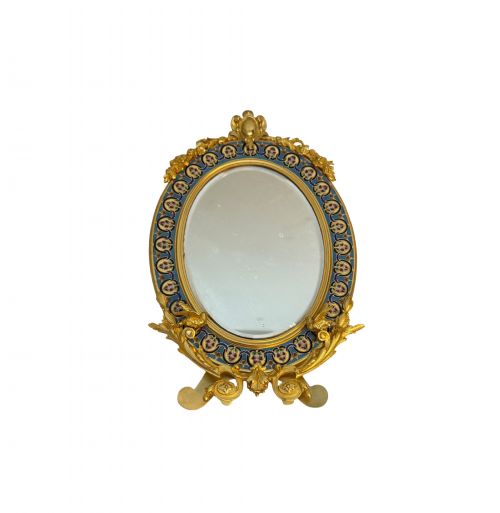
Maker construction relies on distinct structural materials such as solid brass, carved giltwood, gesso, and walnut. Artisans employed casting for metal frames and hand-carving for wooden structures, often applying a layer of parcel-gilt or gold leaf to enhance the surface detail. Champlevé enamel and porcelain elements occasionally appear, integrated into the metal or ceramic framework to add colour and texture.
Mirror glass itself is frequently bevelled, following the precise cutting techniques common in the Victorian and Edwardian periods. Frames utilise wooden backboards, sometimes fitted with functional brass hinges for triple-folding vanity mirrors or sturdy rear struts for easel support.
Ornate Table Mirror Retail Price Guide 2026
Typical asking prices for ornate table mirror among the pieces listed under this phrase on Sellingantiques today, from the lower quarter to the upper quarter. They describe what is for sale here now, not the wider market.
Listings feature 19th-century and early 20th-century pieces, spanning Victorian, Edwardian, and various revival styles including Rococo, Louis XV, and Italian Baroque.
What varies in quality
Quality in these pieces rests upon the depth and crispness of the hand-carving or the precision of the brass casting. Superior examples display intricate, well-defined motifs like scrolls, cherubs, or foliate patterns without the softening of detail often seen in mass-produced alternatives. The integration of high-grade materials, such as genuine parcel-gilt over walnut or finely bevelled mirror glass, distinguishes the finer items.
The integrity of the original mercury or silvered glass plate also dictates worth, as does the survival of original backboards and structural hardware. Pieces that retain their matching components and original gilding hold greater stylistic coherence compared to those with later replacements or heavy restoration.
Waring & Gillows
The Ornate Table Mirror Glossary
- Giltwood
- Wood that has been coated with a thin layer of gold leaf or powder. This finish gives the carved frames their characteristic metallic sheen and historical grandeur.
- Easel mirror
- A freestanding mirror supported by a hinged leg or strut at the back. This design allows the glass angle to be adjusted upon a tabletop.
- Champlevé
- An enamelling technique where troughs are carved into a metal surface and filled with vitreous enamel. These coloured sections decorate brass and bronze frames.
- Rococo Revival
- A nineteenth-century design movement mimicking the asymmetrical scrolls, shells, and organic curves of the French eighteenth century. It dominates many ornate mirror frames.
- Parcel-gilt
- A decoration method where only specific parts of an object are gilded, leaving other areas like natural walnut or painted wood exposed for contrast.
Ornate Table Mirror: Frequently Asked Questions
What is an ornate table mirror?
An ornate table mirror is a decorative looking glass designed to stand on a piece of furniture rather than hang upon a wall. These items range from compact brass vanity pieces to large easel-backed frames.
They incorporate decorative styles from the eighteenth, nineteenth, and early twentieth centuries, featuring materials like carved giltwood, brass, and porcelain.
Where were table mirrors placed?
Historically, these mirrors stood upon dressing tables, sideboards, or console tables in bedrooms, boudoirs, and grand halls. They provided a reflective surface for personal grooming while adding decorative weight to the furniture beneath them.
Matching console and mirror sets were frequently positioned against principal walls in reception rooms.
How do I style a table mirror?
Place your table mirror on a solid wood console, a marble-topped table, or a chest of drawers to create an instant focal point. Ensure the surrounding surface has balanced proportions so the mirror frame stands out clearly.
Pairing the mirror with complementary items like porcelain trays or brass candlesticks enhances the historical aesthetic.
How do I identify the period?
Dating relies on examining the materials, construction methods, and prevailing decorative styles. For instance, heavy brass casting and specific revival motifs point toward Victorian and Edwardian manufacturing dates.
Support structures, backboards, and the presence of bevelled glass plates provide further clues to the era of production.