


Ornate Table Centrepiece
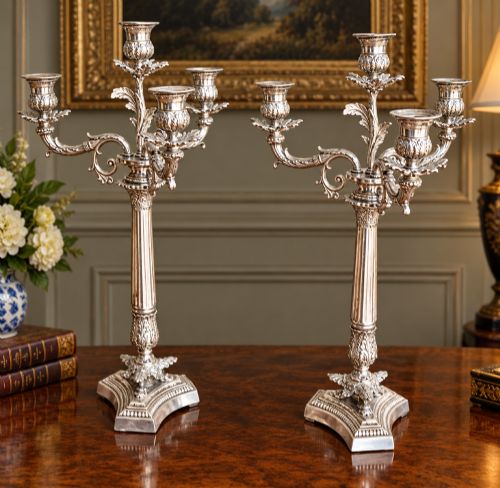
An ornate table centrepiece commands the middle of a dining or display surface, bringing sculptural presence through chased metal, cut glass and tiered branching.
Ornate Table Centrepiece
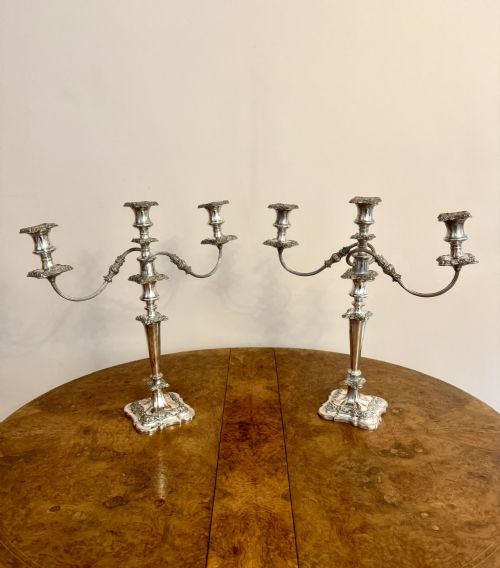
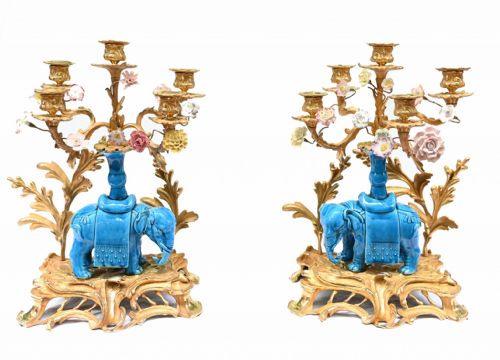
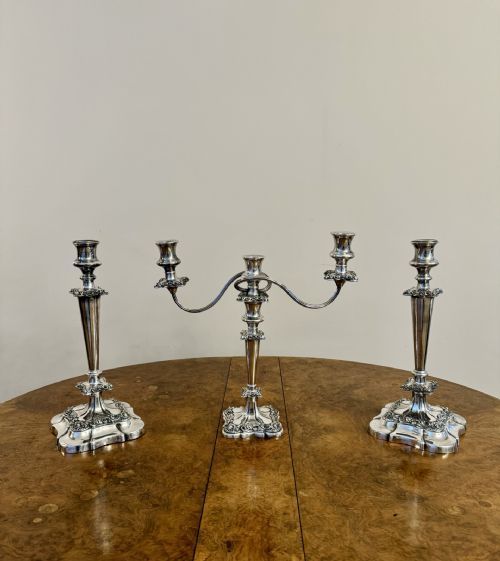
When you search for an ornate table centrepiece, you encounter large decorative vessels, tiered candelabras, fruit baskets and tazzas designed to anchor a room or a formal table setting. The most common examples on this page date from the nineteenth century, including Victorian silver plate and French gilt bronze or ormolu mounts.
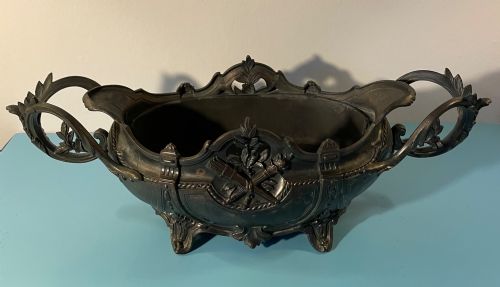
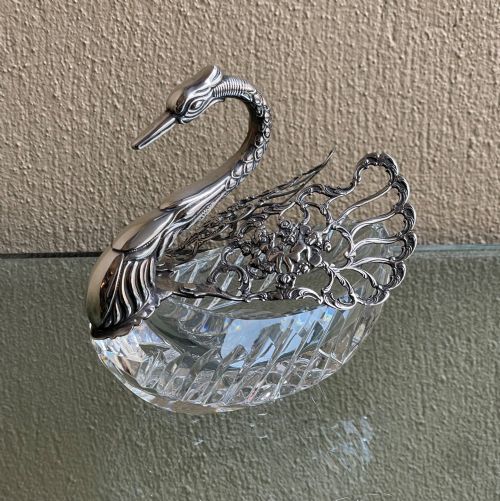
Forms range from multi-light candelabra sets and jardinieres to handled bowls and swan dishes resting on marble or metallic bases. Makers and manufacturers of the period utilised classical, rococo revival and aesthetic movement motifs to create dramatic height and elaborate silhouettes.
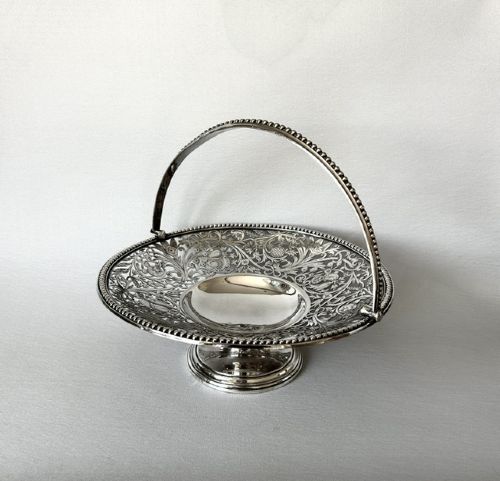
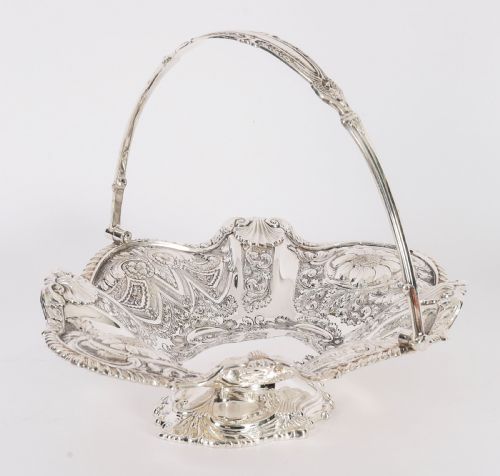
Many items combine functional serveware with decorative sculpture, such as fruit baskets with pierced detailing and crystal bowls held within cast metal frames. These pieces reflect the Victorian and continental preference for heavily embellished dining furniture and formal interior decoration.
Distinctions in manufacture and design
Quality reveals itself in the crispness of the cast ornamentation, where high-grade pieces retain deep, sharp relief in floral swags, cherubs and scrollwork rather than soft, blurred edges. The weight of the metal and the thickness of the silver plating or gilding determine the lasting substance of the object.
The integration of mixed materials distinguishes finer items, such as flawless crystal cutting fitted precisely to a gilt bronze or ormolu mount without movement. Established makers applied superior finishing techniques to interior surfaces and hidden joins, ensuring structural stability across heavy multi-stem candelabras and large centrepiece bowls.
Listings feature items from the nineteenth century, including Victorian, Edwardian and Regency periods, rendered in silver plate, ormolu, brass and cut glass.
George W. Scott & Sons Ltd·Elkington·Blagden, Hodgson & Co
The Ornate Table Centrepiece Glossary
- Ormolu
- Gilded bronze, where a mercury and gold amalgam is applied to a bronze base and heated to leave a durable golden finish. This technique was widely utilised by French makers for decorative mounts and candelabra.
- Epergne
- A large table centrepiece featuring a central bowl surrounded by smaller detachable baskets or arms for fruit, sweetmeats or flowers. They often combine silver plate, brass or carved wood with cut crystal.
- Tazza
- A shallow ornamental bowl or dish raised on a stem and foot, designed for display on a table or sideboard. These pieces frequently incorporate aesthetic movement decoration or Limoges enamel plaques.
- Jardiniere
- An ornamental pot or stand designed to hold plants or floral arrangements, typically manufactured from bronze, ceramic or plated metal. French and Italian examples often feature detailed cast handles and classical feet.
- Old Sheffield Plate
- An early method of fusing a thin sheet of silver to a thicker copper ingot before rolling and shaping. This technique creates distinct edge lines where the underlying copper becomes visible through wear.
Ornate Table Centrepiece: Frequently Asked Questions
What is an ornate table centrepiece?
An ornate table centrepiece is a decorative focal object designed for the middle of a dining or display table. Common examples include multi-light candelabras, fruit baskets, tazzas and jardinieres.
These pieces are constructed from materials such as silver plate, gilt bronze, brass and cut glass. They serve to elevate the visual weight of a room through elaborate casting and pierced metalwork.
How were candelabras used?
Candelabras provided both illumination and decoration during formal dining and evening gatherings. Multiple branching arms held candles above the table level to light food and conversation.
Many surviving nineteenth-century sets also functioned as centrepiece displays, combining candleholders with bowls for fruit or floral arrangements.
How do I clean silver plated metal?
Silver plated items require gentle cleaning with a soft cloth and a specialised silver polish formulated to protect thin plating. Avoid abrasive pads or harsh chemical dips that strip the metal.
Preserving the underlying copper base from exposure ensures the longevity of antique silver plate surfaces.
How do I identify French ormolu?
French ormolu displays a deep, rich golden tone derived from mercury gilding applied to cast bronze. Close inspection reveals hand-chased details that sharpen the contours of the metal.
Authentic pieces from the nineteenth century often feature heavy bronze casting beneath the gilding, distinguishing them from later brass reproductions.