


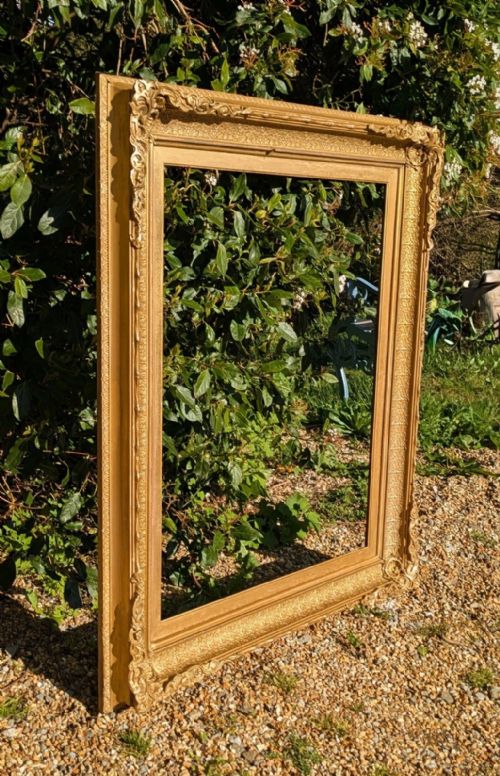

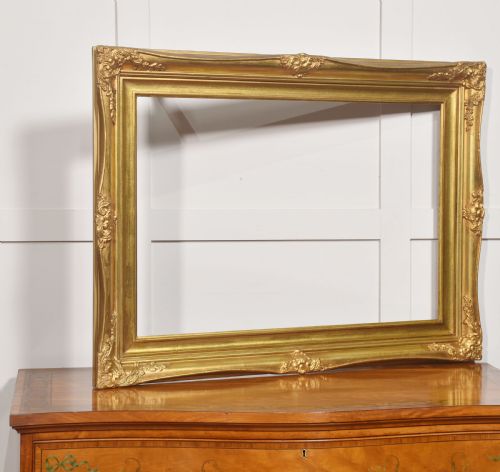

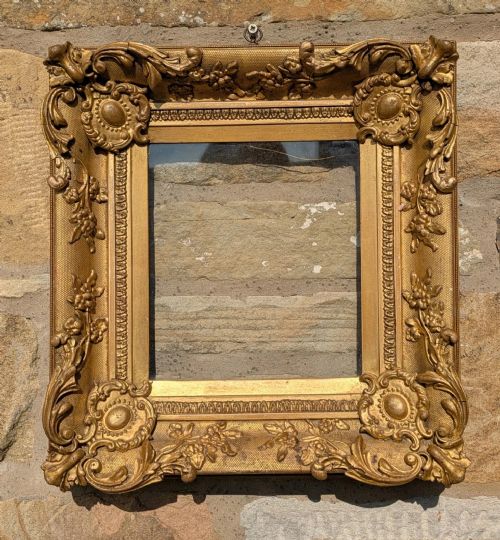


Ornate Swept Gilt Frame
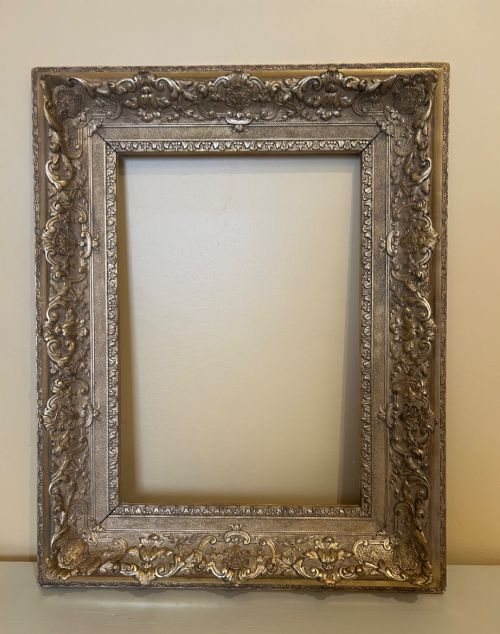
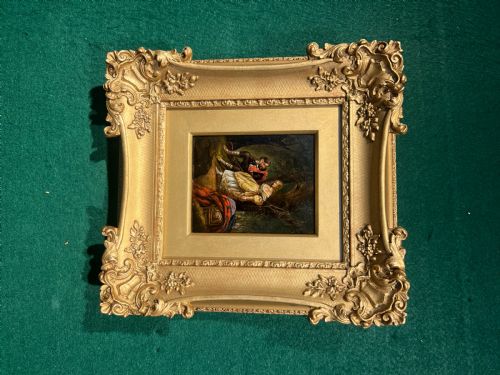
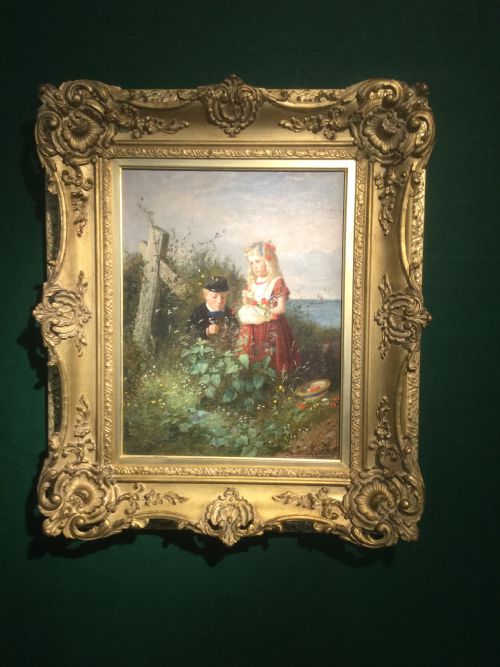
An ornate swept gilt frame brings drama to a wall, holding a canvas or mirror with deep sculptural curves and metallic shine.
Ornate Swept Gilt Frame
When you search for an ornate swept gilt frame, you encounter a selection spanning the seventeenth century through to the mid-twentieth century, with Victorian and nineteenth-century examples forming the core of the selection. These pieces primarily manifest as picture frames and wall mirrors, sometimes housing oil paintings, watercolours, or prints.
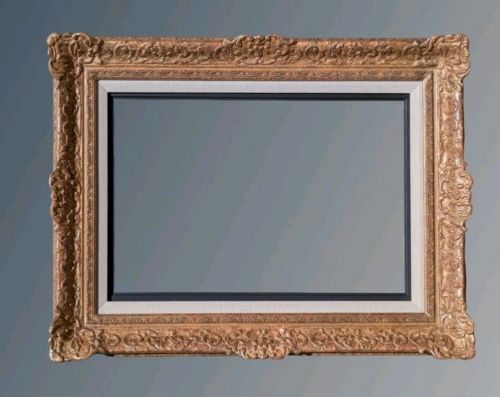
The aesthetic draws heavily on the Rococo taste and Victorian Rococo revival, alongside French Montparnasse and nineteenth-century neoclassical styles. Buyers often meet large overmantle mirror frames and deep picture frames designed to display portraits and landscapes.
How they were made
Makers built these frames using a wooden foundation, often layering gesso to create the raised, undulating surface required for complex scrollwork and sweeping motifs. This plaster-like medium allowed artisans to carve and mould intricate details before applying the final metallic finish.
Guilders applied gold leaf or giltwood over the prepared surfaces to achieve a luminous appearance. Selected pieces combine oil paint on canvas or panel within the structure, demonstrating the integrated nature of framing and fine art production.
Listings feature items spanning from the seventeenth century through Georgian, Victorian, and mid-twentieth-century periods, constructed from gesso, wood, and gold leaf.
What varies in quality
The depth of the moulding and the crispness of the carved gesso separate standard examples from superior ones. Finer pieces display deeply swept profiles with sharply defined scrolls and ornaments that retain their original spatial rhythm.
The integrity of the gilding surface dictates the distinction at the upper end of the range. Original gold leaf or high-grade giltwood shows a warm, layered luminescence that machine-applied metallic paints fail to replicate.
Charles Hunt·Jeffrey Pratt·William Miller Frazer·John Holland Snr·Kenneth Washburn
The Ornate Swept Gilt Frame Glossary
- Swept frame
- A frame featuring curved, undulating moulding profiles that typically swell at the corners and centres. This design creates a dynamic, flowing visual boundary for the artwork it encloses.
- Gesso
- A plaster-like mixture of gypsum, chalk, and binder applied to wood. Artisans carve and shape this layer to form the raised ornamentation before gilding.
- Giltwood
- Wood that has been coated with gold leaf or a gold-coloured metallic finish. It provides the signature metallic sheen characteristic of traditional picture frames.
- Rococo revival
- A nineteenth-century design movement inspired by eighteenth-century French Rococo aesthetics. It prioritises asymmetrical scrollwork, C-curves, and naturalistic plant motifs.
Ornate Swept Gilt Frame: Frequently Asked Questions
How do I date an ornate swept gilt frame?
Dating relies on examining the underlying construction timber, the composition of the gesso, and the style of the carving. Victorian and nineteenth-century examples often feature heavier wood foundations and distinct revival motifs.
Later mid-century iterations display different joinery techniques and alternative preparation layers underneath the gilt surface.
Can I hang a heavy gilt frame on a plaster wall?
Large Victorian overmantle frames and deep picture frames carry substantial weight due to the timber and gesso construction. Proper installation requires securing fixings directly into wall studs or using heavy-duty cavity anchors.
Consulting a professional installer ensures the weight is distributed safely without damaging the wall.
How should I clean a giltwood surface?
Cleaning requires a very soft, dry brush to gently remove dust from the recessed carvings and swept curves. Moisture and modern chemical cleaners can lift the delicate gold leaf and gesso layers.
Professional conservation is recommended for frames showing active flaking or significant surface grime.
What is a Montparnasse frame?
A Montparnasse frame is a distinct twentieth-century framing style associated with artists' circles in Paris. These frames typically feature simpler, stepped profiles with subtle texture rather than heavy Victorian scrollwork.
They offer a complementary border for modernist and mid-century paintings without overwhelming the composition.